Learn the basics
Short, plain-language fact sheets on the three pillars — planet, animals, humans — each one sourced and ready to read in five minutes.
Free, sourced fact sheets, cruelty-free shopping guides, and a reference library — built so anyone can learn the basics and share accurate information with family, friends, students, and journalists.
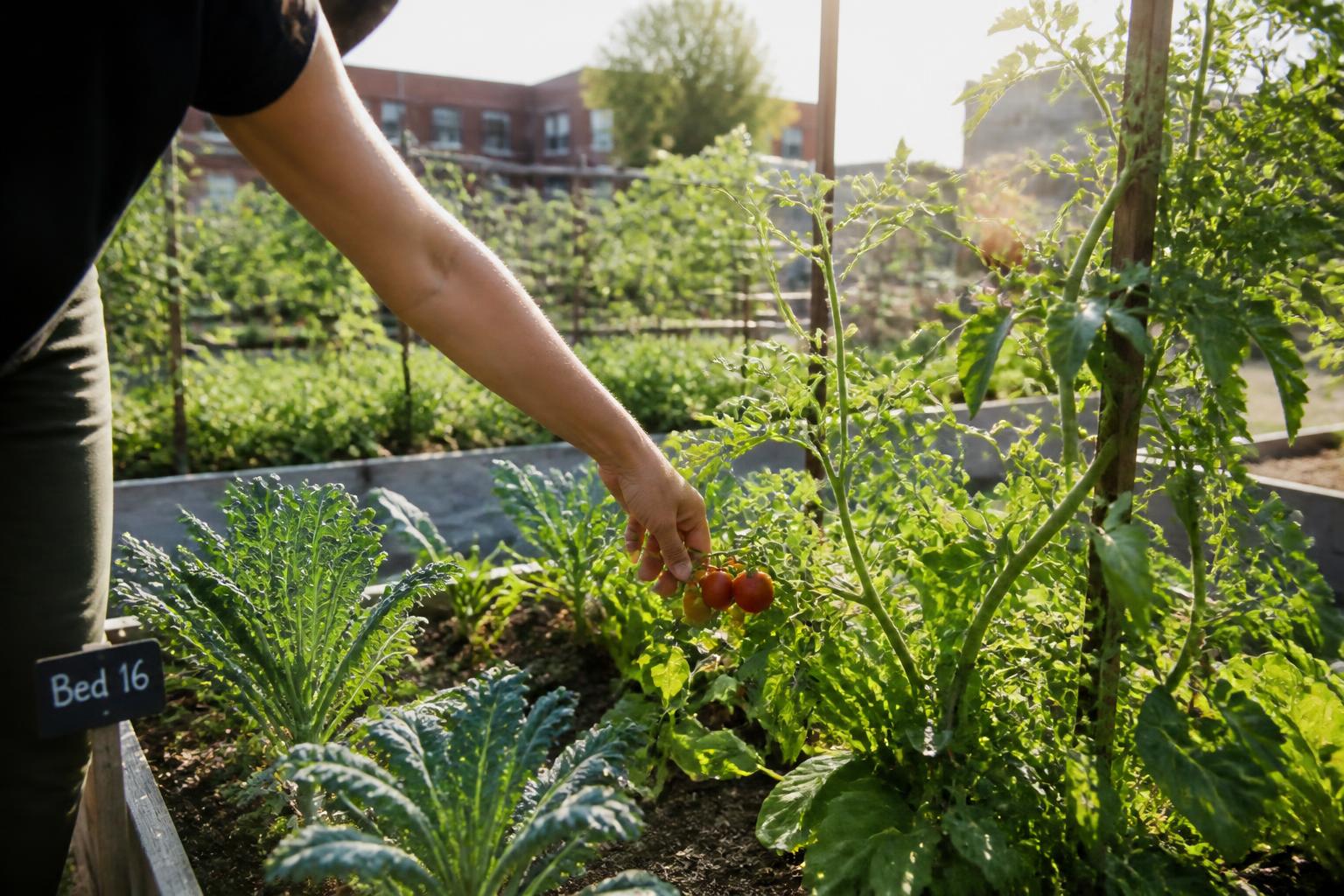
Short, plain-language fact sheets on the three pillars — planet, animals, humans — each one sourced and ready to read in five minutes.
Practical guides for groceries, clothing, cosmetics, and travel — including swap tables and a printable phrase card.
Every claim links to its source so you can paste the link into a thread, a paper, or a family group chat without losing the trail.
All briefings and guides are CC-licensed, age-aware, and translation-ready — drop them straight into a lesson plan or workshop slide deck.
Each reference cards links directly to the peer-reviewed paper, dataset, or institutional report behind the headline figure.
The full library ships in 25 languages, with the source file open for community translation contributions from anywhere.
Six sourced briefings covering animals, the planet, your health, the myths you'll hear, the vocabulary you'll need, and the comparisons that come up most often.
Annual kill numbers, confinement systems, and what the science says about sentience — written for sharing with a skeptical friend.
Read fact sheetGreenhouse emissions, land use, deforestation, water and biodiversity — the numbers behind why food is a climate decision.
Read fact sheetEvidence on heart disease, type 2 diabetes, cancer, longevity, and how to build a balanced plant-based plate.
Read fact sheetProtein, B12, soy, palm oil, 'lions eat meat' — short, sourced answers to the questions that come up at every dinner table.
Open myth libraryFrom 'ahimsa' to 'zoonosis' — clear definitions for the words that show up in this conversation.
Browse glossaryVegan vs vegetarian, plant-based vs flexitarian, oat vs dairy — quick reference tables you can screenshot and share.
See comparisonsSix step-by-step guides for moving the parts of life that touch animals — what to buy, what to swap, what to say at the table.
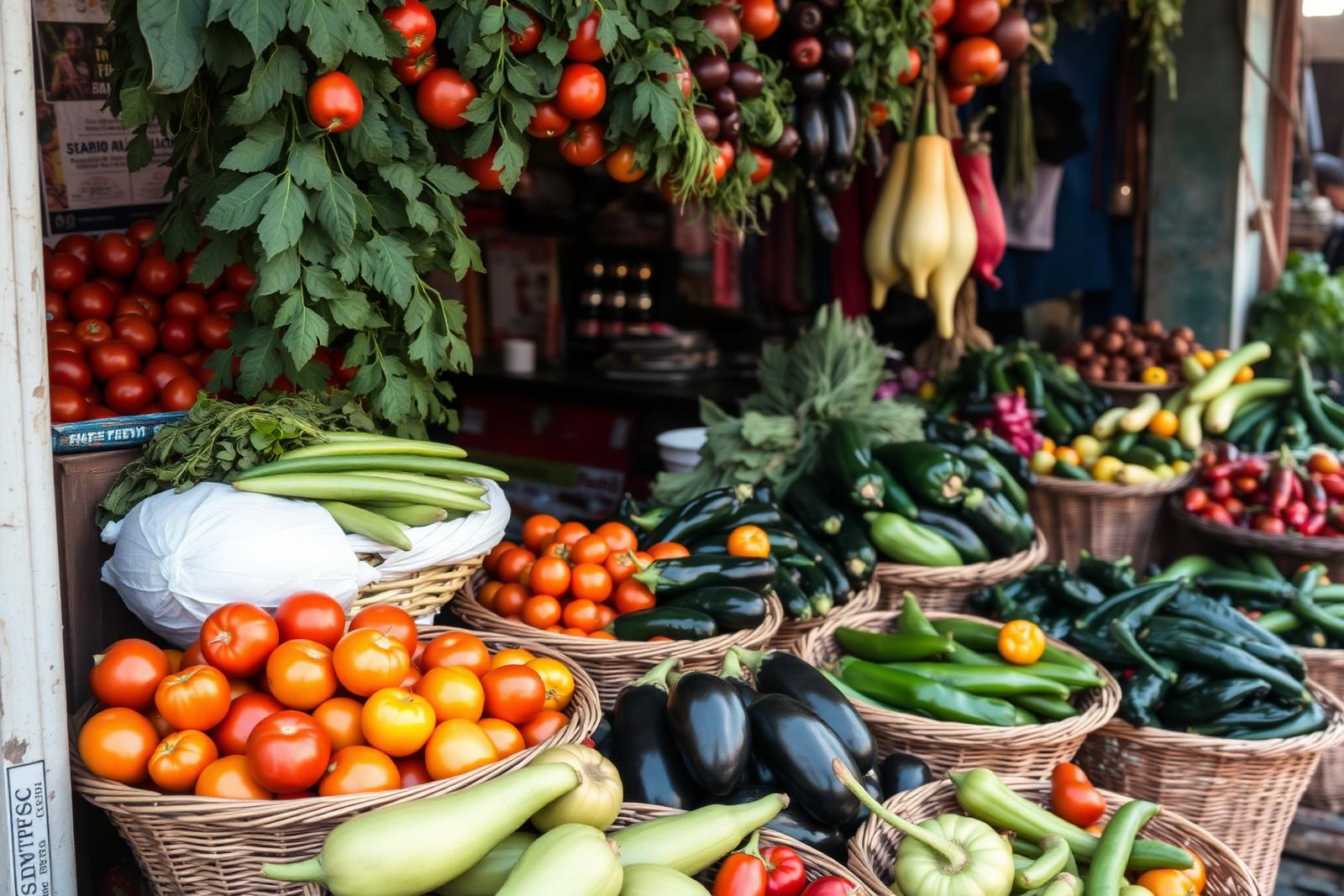
A gentle, culture-aware first week — daily meals, a shopping list, and what to do when cravings hit.
Start the planDairy, eggs, leather, wool, down, beeswax — what to look for on the label and the plant-based alternative.
See swap guidePrint-ready phrases in 25 languages — 'I don't eat meat, dairy, eggs, or fish' — to hand to a server anywhere.
Get the cardSee what one year of your current diet costs the planet — and what plant-forward eating would save.
Run the numbersA practical, judgement-free transition guide — for families, athletes, students, and stubborn relatives.
Open the guideClothing, cosmetics, cleaning products, finance — extending the cruelty-free lens to the rest of daily life.
ExploreThe institutions, datasets, and peer-reviewed papers we rely on. Bookmark them, cite them, share them — and check our claims against the originals.
Food and Agriculture Organization of the United Nations: global data on emissions, land and water use from animal agriculture.
Special report from the Intergovernmental Panel on Climate Change on the role of food systems in the climate crisis.
Open dataset and visualizations on the environmental impact of foods, by Oxford researcher Hannah Ritchie.
The largest-ever meta-analysis of food's environmental impact — covering 38,700 farms across 119 countries.
Position paper: well-planned vegetarian and vegan diets are healthful and appropriate for all life stages.
Physicians Committee for Responsible Medicine: clinician-reviewed nutrition resources and patient handouts.
Sector reports and white papers on plant-based food systems, policy, and corporate transition.
Peer-reviewed research and meta-studies on animal advocacy, dietary change, and consumer behaviour.
Independent reviews of the most effective animal-protection charities, with full methodology.
Research on the moral circle, factory farming, and the path to a post-animal-agriculture future.
Life-stage guides, real-world tactics, and calculators that turn planning into a two-minute job.
Diet, mood, gut–brain and the nutrients that matter.
Open →Family nutrition from bump to teen.
Open →$30/week menu, staple pantry, price-per-protein.
Open →Cuisine picks, hidden ingredients, airline meals.
Open →Reshuffle a 7-day menu and export a shopping list.
Open →Daily target by weight, activity, and goal.
Open →Spot gaps in B12, D, iron, omega-3 and more.
Open →Topics, editorial standards, citation policy.
Open →Everything on this page is published under a permissive licence so educators, journalists, organizers, and faith communities can reuse it without asking. Quote it, screenshot it, translate it, print it. Just keep the sources attached so the reader can verify what they're reading.
Using this library
This page collects primary literature, datasets, organisations and practical tools. Knowing which category answers which kind of question saves a great deal of time.
Peer-reviewed literature answers 'what does the evidence show'. Datasets such as FAOSTAT and Our World in Data answer 'how big is this'. Organisations answer 'who is working on this and how can I help'. Practical tools — planners, calculators, directories — answer 'what do I do on Tuesday'. Most frustration with research comes from asking a dataset an ethical question or asking an advocacy group a statistical one.
For health claims, prefer systematic reviews and large prospective cohorts such as EPIC-Oxford and the Adventist Health Study over single trials. For environmental claims, prefer meta-analyses of life-cycle assessments over individual farm studies, because the spread within products is larger than the difference between many of them. For welfare claims, prefer regulatory inspection data and undercover investigations with documented provenance over summary infographics.
A library that only contains agreement is not a library. The strongest critiques of plant-based advocacy — on regenerative grazing, on nutrient bioavailability in low-income settings, on the food-security effects of rapid transition — are worth reading in their primary form. Positions that survive contact with their best opposition are the ones worth holding.
Two or three sources checked monthly beats twenty checked never. A useful minimum: one data source, one journal alert on a topic you care about, and one organisation whose work you follow closely enough to know what it is currently campaigning on.
| Question | Best source type | Examples |
|---|---|---|
| How much does food X emit? | LCA meta-analysis | Poore & Nemecek; Our World in Data |
| Is this diet safe long-term? | Cohort studies, position papers | EPIC-Oxford; Academy of Nutrition and Dietetics |
| How many animals are farmed? | Production statistics | FAOSTAT; national agriculture departments |
| What are the legal standards? | Regulation and inspection data | EU welfare directives; USDA reports |
| What can I do locally? | Organisations and directories | National vegan societies; local groups |
| How do I cook this? | Recipe and planning tools | Meal planner; recipe database |
Write the question in one sentence first. It usually identifies the source type immediately.
Most striking numbers online are third-hand. Going to the original paper once will change how you read the rest.
One dataset, one health reference, one organisation. Depth in a few beats shallow familiarity with many.
Food-systems data moves quickly; anything older than about a decade should be checked against a current figure before quoting.
Priority goes to primary literature, public datasets and organisations with published methodology. Advocacy material is included where it is well sourced and labelled as such.
Yes, where they are serious. Regenerative grazing research and nutrient-bioavailability critiques are both represented, because a reader who has not met the strongest objection is poorly served.
No. They are references for informed discussion with a clinician, particularly for anyone pregnant, managing a chronic condition or feeding young children.
Yes — suggestions with a link to a primary source and a note on methodology are the most likely to be added.
Periodically, with dead links removed and superseded datasets updated to their current edition.
Why animal rights belong to no party — and what political capture cost the movement.
Continue →