01.
Language is access
A movement that cannot be read in your kitchen is a movement that is not for you. Translation is not an afterthought; it is the work.
Most vegan resources online exist in three or four languages. The communities that stand to gain the most from a plant-based shift — in health, in climate resilience, in food sovereignty — are often the ones with the fewest resources available in their own tongue. We exist to close that gap.
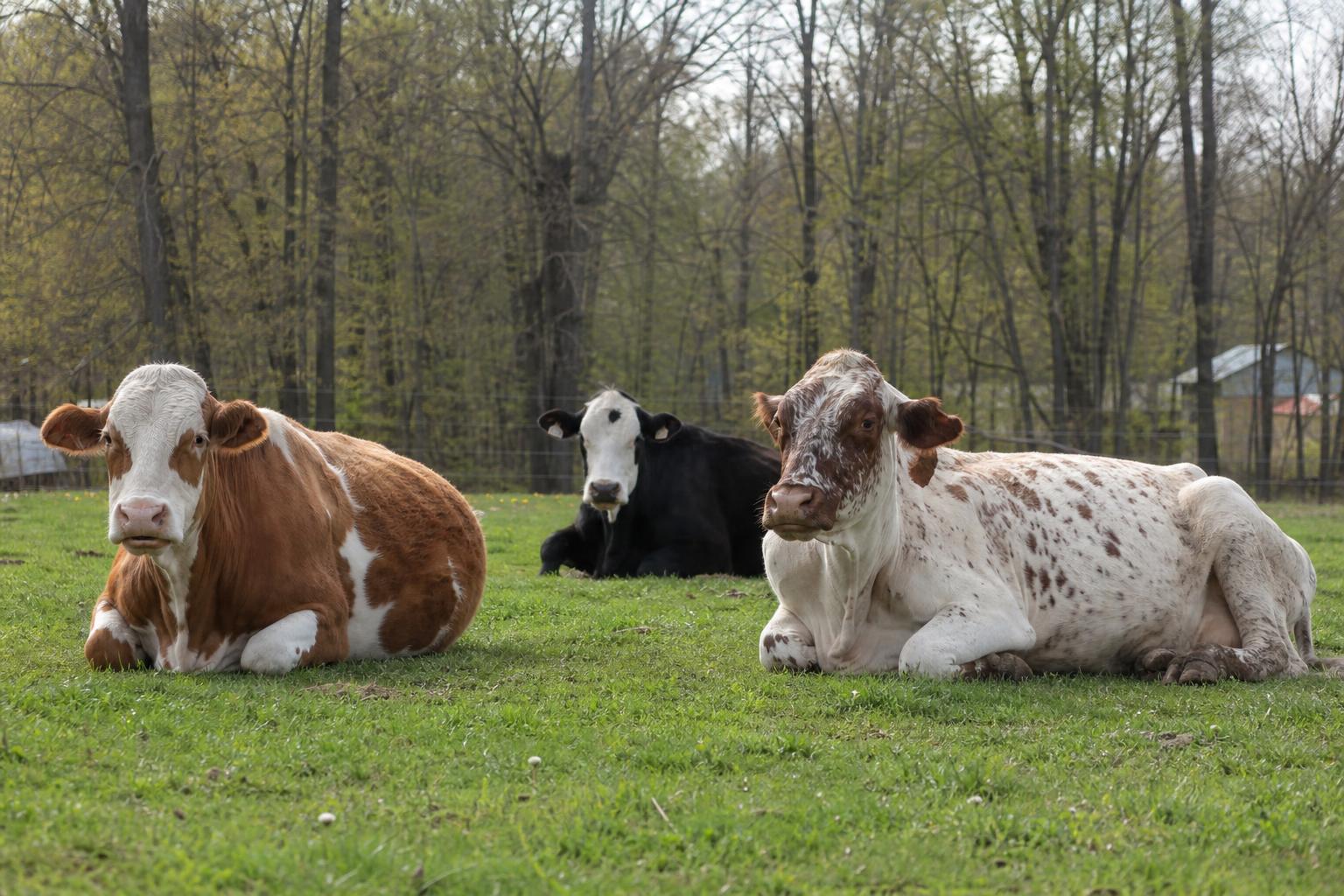
A movement that cannot be read in your kitchen is a movement that is not for you. Translation is not an afterthought; it is the work.
Every culture has plant-based traditions older than the meat industries that displaced them. Veganism is a return, not an erasure.
We refuse to choose between confronting the truth and welcoming people in. The honest case for veganism is also the warmest one.
If you only translate into the languages where animal-rights movements are already strong, you only reach people who have already heard the case. We publish in Kiswahili, Yorùbá, Hausa, Bengali, Tamil, Vietnamese, Tagalog, Urdu, Haitian Kreyòl, Quechua, Nahuatl, Guaraní, and others because the strongest plant-eating traditions in human history come from these communities — and they deserve materials that meet them in their own kitchens, not translations from London or Los Angeles.
Native speakers, often diaspora cooks and writers, who give a few hours a month. Every translation is reviewed by a second speaker before it ships. We list contributors on request, and remove them on request.
Every statistic links to a primary source — peer-reviewed journal, UN agency, or government dataset. If we can't link it, we don't publish it. When evidence shifts, we update the page and note the change at the bottom.
We don't run advertising, we don't sell email lists, we don't behaviourally target. The site is funded by small donations and volunteer time. That's the whole budget.
Our goal is to be useful to a thoughtful adult who has never read a vegan website before. That sets a few hard rules:
Advocacy that overstates its case loses its credibility precisely when it is most needed. We try to hold ourselves to the standard of a careful science journalist: cite primary sources, represent uncertainty honestly, distinguish between well-established findings and emerging evidence, and update when the evidence changes.
Veg.ac runs on volunteers. The site has never paid for content or translation, and we have no plans to change that. Paid content creates incentives toward quantity over quality. Volunteer contribution creates a different relationship — people add what they believe in, not what they are contracted to produce.
If you are a fluent speaker of a language we publish in (or one we should publish in), we welcome translation contributions. Each translation is reviewed by a second native speaker before it goes live. We credit contributors on request and remove credits on request. No experience as a professional translator is required — fluency and care are what matter.
We are particularly interested in traditional plant-based dishes from food cultures that are under-represented in English-language vegan content. If you have a family recipe from a plant-rich tradition and you would like to share it, contact us. We will credit you by name, region, and language community.
If you are a researcher, dietitian, climate scientist, or someone with expertise in a field this site covers, we would welcome a review of the relevant sections. If you find an error, please tell us directly — we would rather know and correct it than not know.
The simplest form of contribution: if you found something here useful, pass it to one person who might. Growth through trust is the only kind that matters for a project like this.
We are a small, volunteer-run project. We read every message and we try to respond to each one, but we cannot guarantee speed. Here is what you can expect.
We are looking for translators, regional editors, photographers, and chefs. If your language is missing or your dish is misrepresented, write to us — that is exactly the gap we are here to close.
hello@veg.acOn the roadmap: Yorùbá, አማርኛ, தமிழ், Tagalog, اردو, Runa Simi, Nāhuatl, Avañe'ẽ, Українська, ქართული, Қазақ, Shqip.
Why animal rights belong to no party — and what political capture cost the movement.
Continue →