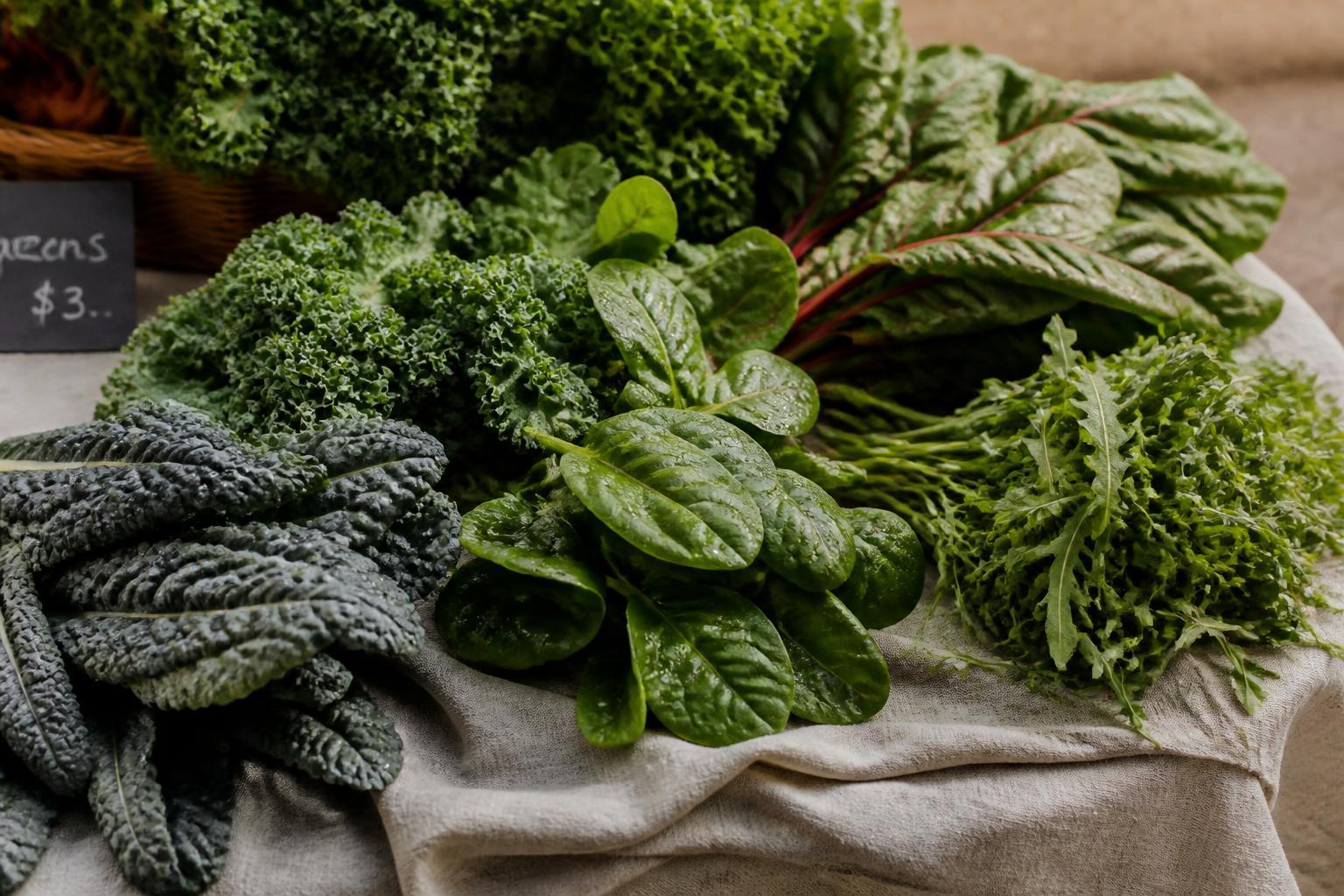
Abundant fresh leafy greens — kale, spinach, chard, rocket
Health

Cancer and plant-based diets

Diet is one of the few modifiable factors.

Cancer is many diseases, with many causes. Diet alone does not cause or cure cancer, but the evidence linking specific foods to specific cancers is now strong enough that the World Health Organization, World Cancer Research Fund and most national cancer authorities recommend reducing red and processed meat and increasing plants.

The WHO classifications

In 2015, the IARC, the WHO's cancer-research arm, classified processed meat (bacon, ham, sausages, salami, cured meats) as Group 1 — 'carcinogenic to humans' — for colorectal cancer, the same category as tobacco and asbestos. Red meat (beef, pork, lamb) was classified as Group 2A — 'probably carcinogenic.' Neither classification means meat is as harmful as smoking; it means the evidence of an association is similarly strong.
The protective side

Fibre intake, fruit and vegetable consumption, legumes, whole grains, and the broader 'Mediterranean / plant-forward' eating pattern are consistently associated with lower rates of colorectal, breast, prostate, oesophageal and stomach cancers. The Adventist Health Study-2 found vegans had 16% lower overall cancer risk than non-vegetarians, with particular reductions in female-specific cancers.

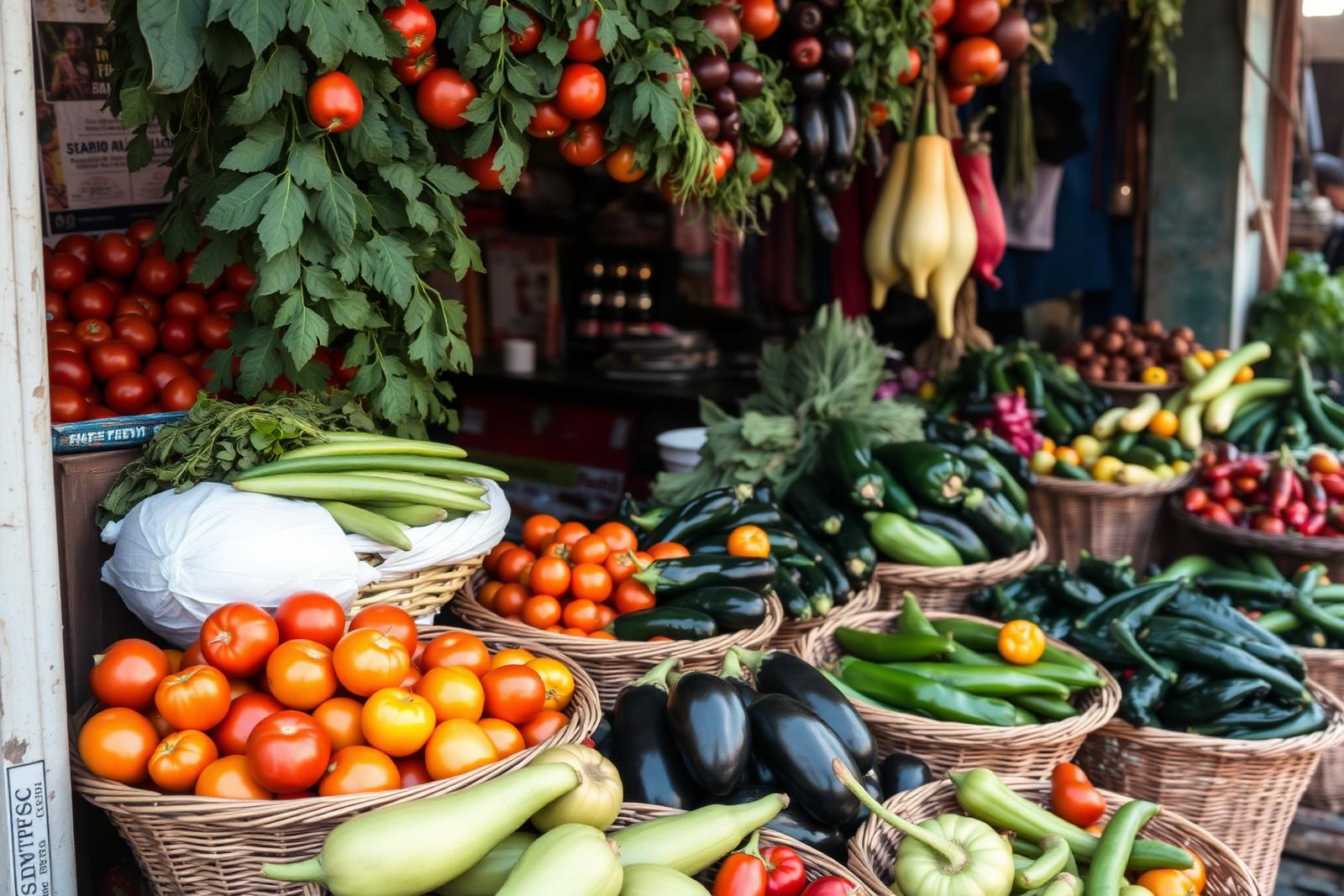
A market stall of fresh seasonal vegetables
Fibre, fruit, vegetables — the most consistent protective trio across cancer types.

Dairy and prostate cancer

High dairy intake (particularly milk) is associated with increased prostate cancer risk in multiple large cohort studies, including EPIC, the Physicians' Health Study and the Nurses' Health Study. The mechanism is debated (calcium, IGF-1, hormones), the association is robust. Plant-based men have notably lower prostate cancer rates.

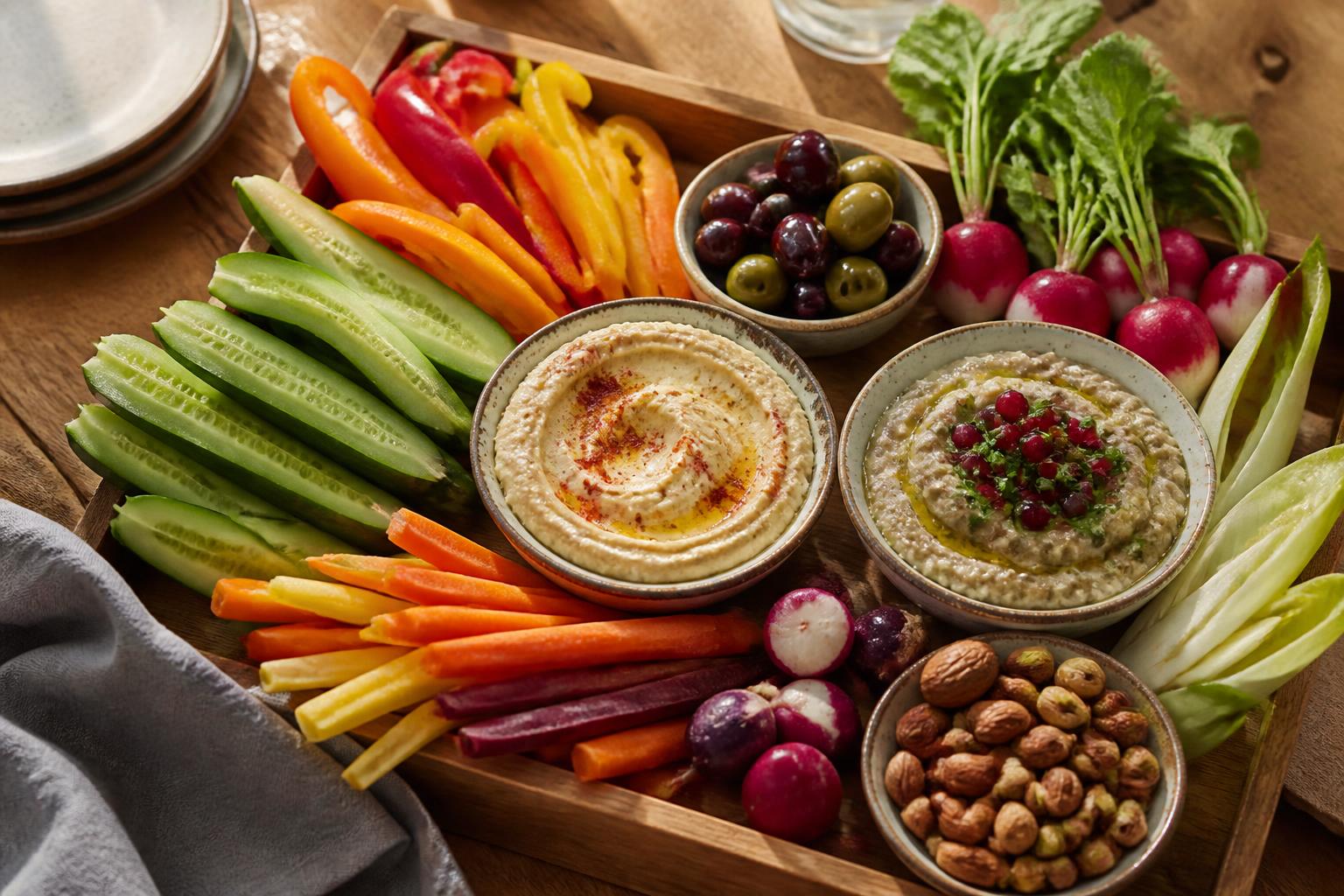
A plant-forward Mediterranean spread
The plant-forward Mediterranean pattern has the strongest cancer-prevention evidence base.

"Processed meat sits in the same evidence category as tobacco — Group 1. The category is about strength of evidence, not magnitude of harm."

IARC, 2015

What to eat

Build the daily diet around vegetables (especially cruciferous: broccoli, kale, cabbage, cauliflower), legumes (beans, lentils, chickpeas, soya), whole fruits, whole grains, nuts and seeds. Berries, garlic, onions, tomatoes, turmeric and green tea each have plausible anti-cancer mechanisms, though no single food prevents cancer.

Diet alone is not enough

Don't smoke

The single biggest dietary factor is dwarfed by smoking. If you only do one thing, don't smoke.

Limit alcohol

Alcohol is a Group 1 carcinogen for breast, oral, oesophageal, liver and colorectal cancer. There is no safe level for cancer risk, though small amounts have small effects.

Move daily

Physical activity lowers colon, breast and endometrial cancer risk independently of weight.

Stay a healthy weight

Obesity is linked to thirteen cancers. Plant-based diets help with weight management.

Relative risk of colorectal cancer per 50 g/day

Pooled cohort meta-analyses. 1.00 = average risk; higher is worse.

Bouvard et al., IARC Monograph 114, 2015

Plant-based and cancer

−16%
overall cancer risk
vegans vs non-vegetarians, AHS-2
−34%
female-specific cancers
vegan women vs non-vegetarian women, AHS-2
−35%
prostate cancer
vegan men vs non-vegetarian men, AHS-2
Group 1
processed meat
WHO carcinogen classification

Common questions

If I go vegan, am I cancer-proof?

No. Cancer has many causes. Diet shifts probabilities; it does not provide immunity. Don't smoke, limit alcohol, screen on schedule, move daily.

What about soya and breast cancer?

Decades of studies now show soya is protective, not harmful. Women who ate soya in childhood and adolescence have lower breast cancer rates as adults.

Is processed meat really as bad as smoking?

Same evidence category, very different magnitude. Smoking raises lung cancer risk roughly 20-fold; daily processed meat raises colon cancer risk roughly 1.18-fold per 50 g/day. Both real, very different scale.

Does cooking meat at high heat help?

It can worsen risk by producing heterocyclic amines and polycyclic aromatic hydrocarbons. Plant foods do not produce these compounds in significant amounts at normal cooking temperatures.

A diet you can live with

The same plant-based pattern that reduces cancer risk also helps with heart disease, diabetes and blood pressure. One change, many benefits.