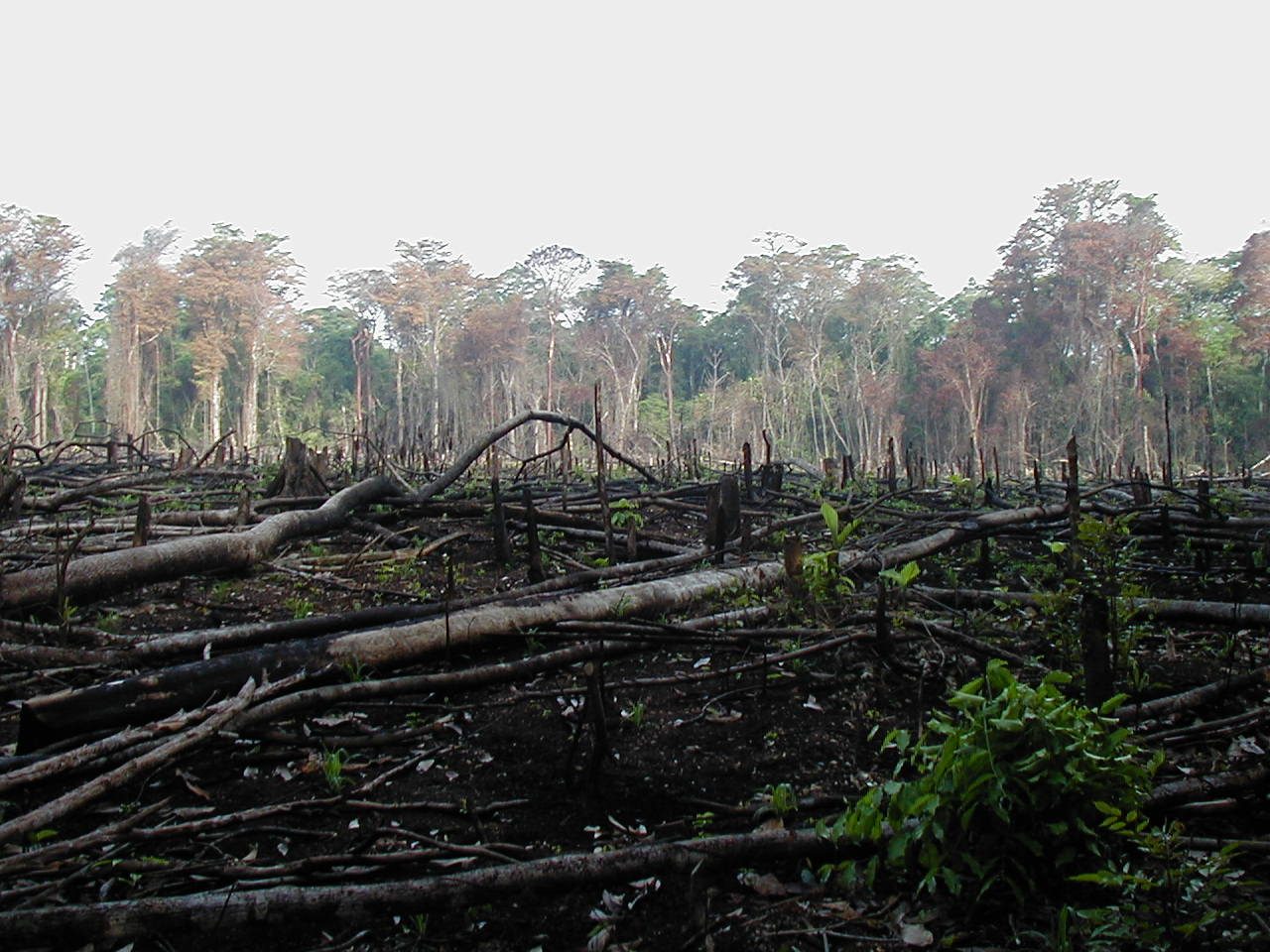
Aerial view of forest cleared by fire for agricultural expansion
Systems

Sustainable living

Veganism, in the context of how food really works.

A vegan diet is the single most effective individual lever for reducing your environmental footprint. But individual diets sit inside food systems, supply chains and communities, and the gains compound when you also pay attention to waste, distance, packaging, and the people growing the food. This page connects the dots.

Why food, before transport or flying

Two thirds of the average diet's greenhouse footprint comes from what you eat, not how it gets to you. A 2018 Science meta-analysis (Poore & Nemecek) of 38,000 farms found that the average vegan diet has roughly a quarter of the climate impact of the average meat-heavy diet — a bigger reduction than driving an electric car, flying less, or recycling everything. The diet is the lever.

Local is not always lower-impact

For most foods, transport is under 10% of total emissions. A locally-raised steak still has a vastly higher footprint than tofu shipped from another continent. 'Eat local' is a fine principle when comparing two plant foods; it should never be used to justify choosing animal foods over imported plant ones.

Food waste

About a third of all food produced is wasted, with the highest waste rates in wealthy households. Wasted animal products carry an enormous embedded footprint. Practical fixes: shop in person more often, freeze leftovers within two days, learn 'use-it-up' recipes (frittata-style chickpea pancakes, fried-rice variations, lentil soups, freezer smoothies), and trust your senses over the printed date for most products.

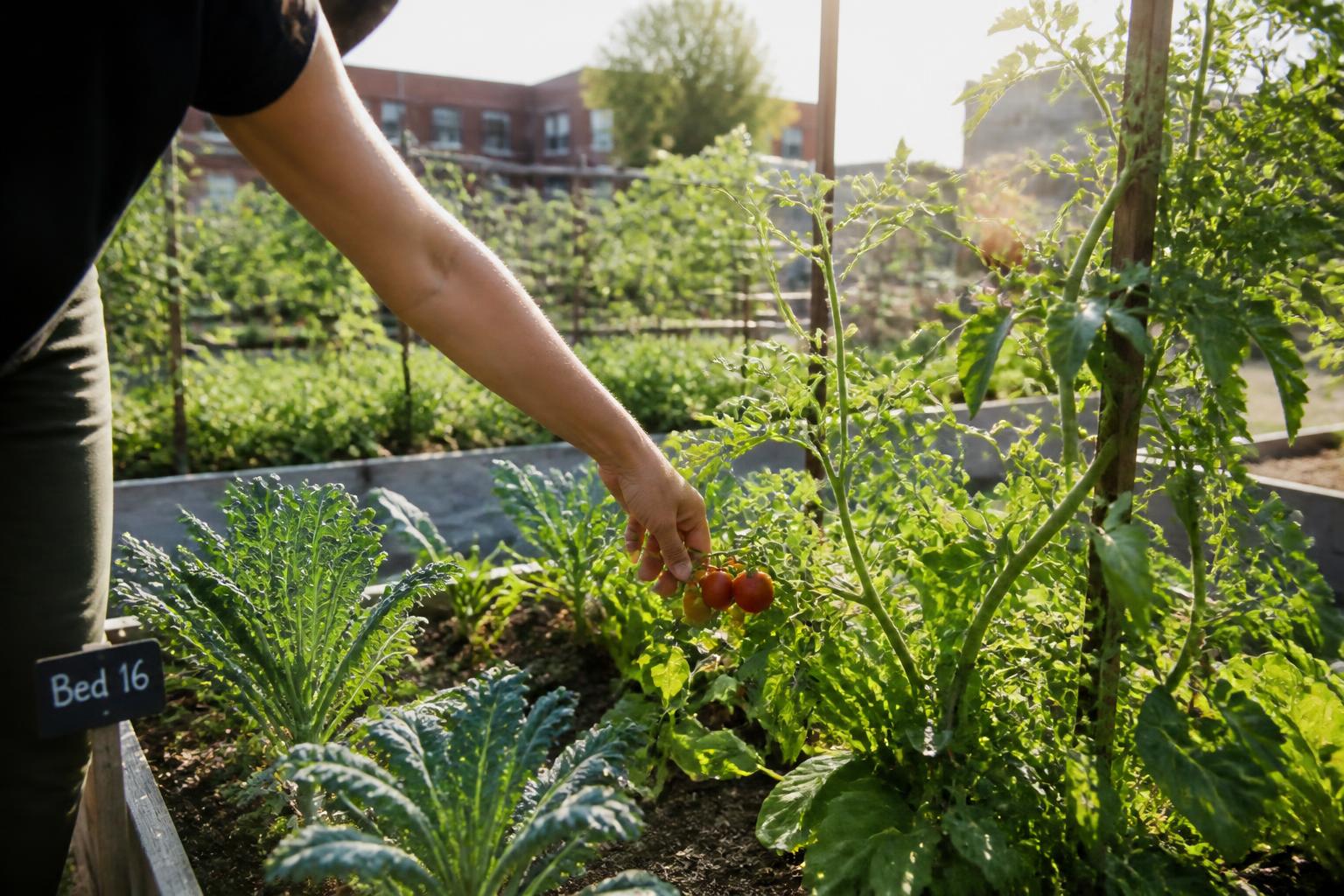
A hand picking tomatoes in a community garden
The most resilient food systems are collective.

"The diet is the lever. Everything else compounds it."

Poore & Nemecek, Science 2018

Community food

Veganism is sometimes framed as individualist, but the most resilient food systems are collective — community gardens, food co-ops, dignity-led food banks, urban orchards, school gardens, allotments and seed libraries. Joining or supporting one builds the social fabric that makes plant-based eating normal rather than novel.

An industrial fishing trawler hauling its catch
Industrial fishing is the part of the food system most hidden from consumers.

Beyond carbon

Sustainability also covers biodiversity, water, soil health, animal welfare and human rights. A plant-based diet improves all of them simultaneously, but the cleanest version still pays attention to where palm oil comes from (peatland deforestation), how nuts are watered (California almonds), and whether agricultural workers were paid fairly (cocoa and coffee).

Greenhouse-gas emissions per 100 g of protein

Combined production, land-use change and transport. Lower is better.

Poore & Nemecek, Science 2018 (38,700 farms, 119 countries)

The numbers, briefly

−75%
greenhouse gases
vegan vs high-meat diet (Nature Food 2023, 55,000 UK diets)
−75%
land use
vegan vs high-meat diet
−66%
biodiversity loss
vegan vs high-meat diet
−54%
water use
vegan vs high-meat diet

Common questions

Is soya milk bad for the Amazon?

More than 75% of global soya is grown to feed livestock, not to make soya milk. The Amazon-driving soya is animal feed; soya for direct human use comes mostly from Europe, the US and rain-fed Asia.

What about palm oil?

Choose products with RSPO-certified palm oil or with no palm oil. Avoid food brands that use uncertified palm oil regardless of whether they are 'vegan'.

Are almonds sustainable?

Almonds use a lot of water in California, but per gram of protein they still use far less water and land than dairy or beef. Variety helps — alternate almonds with peanuts, sunflower seeds, hemp seeds and oats.

Is organic always better?

Not for climate — yields are lower, so land use rises. Organic is generally better for biodiversity and soil. Both matter; pick by context.

Pair the diet with the system

The biggest gains come from doing both: eat plant-based, and also support the food systems and communities that make plant-based easy for everyone else.