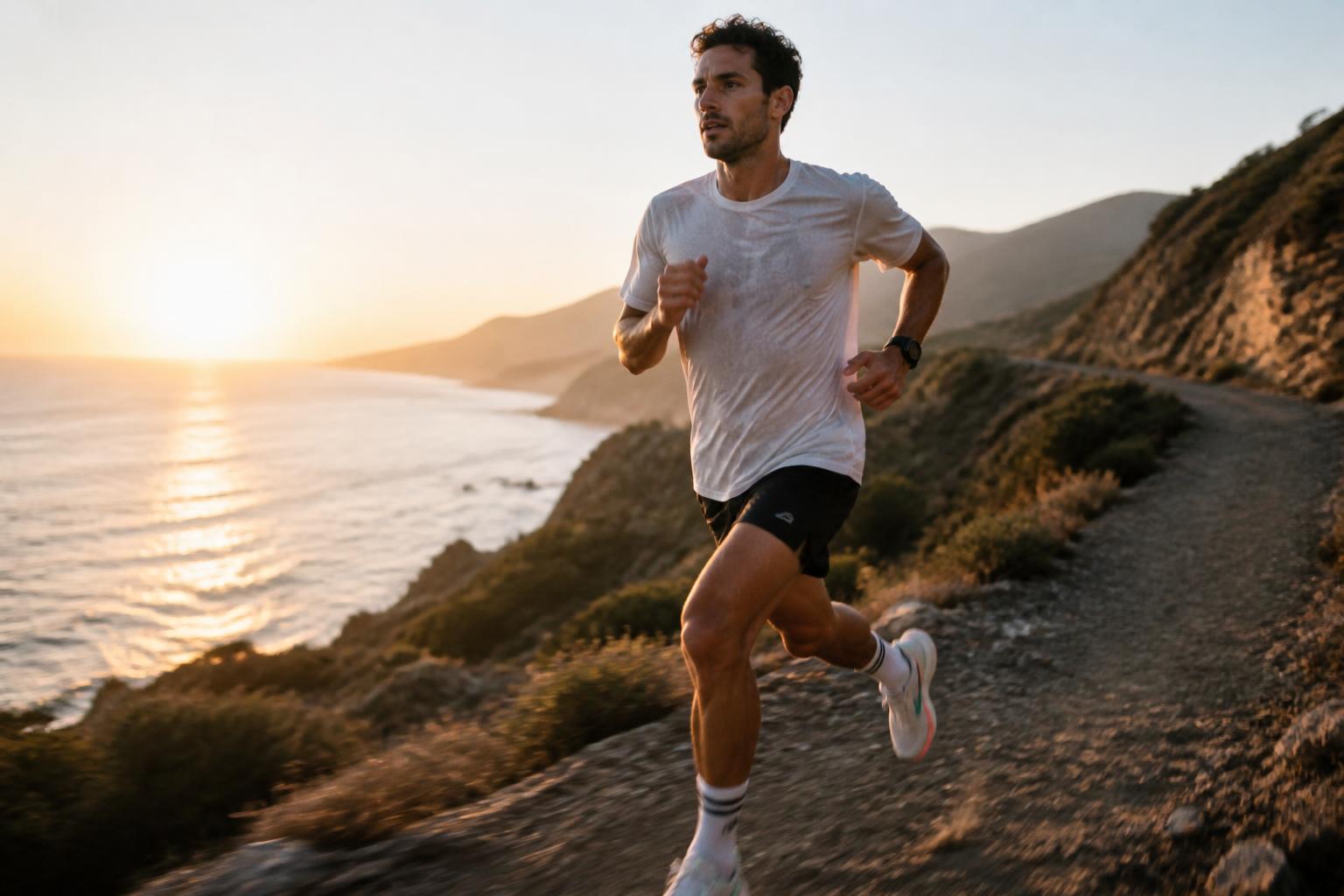
A runner mid-stride on a coastal trail at sunrise
Performance

Vegan athletes

Strong, fast and plant-fuelled.

For decades the assumption was that serious athletes need meat. The last fifteen years of elite performance have quietly dismantled that idea: Formula 1 champions, Olympic sprinters, NBA and NFL starters, ultra-endurance runners and world-record weightlifters have all competed and won on plants. The question is no longer whether it works — it's how to set it up properly.

What the research actually says

Position statements from the Academy of Nutrition and Dietetics, the British Dietetic Association and the International Society of Sports Nutrition all agree: a well-planned vegan diet supports performance in every sport, at every level. Several reviews suggest small advantages in endurance (cardiovascular efficiency, faster recovery from inflammation, better gut health) and no disadvantage in strength sports when total protein and calories are adequate.
Calorie reality

Plant foods are less calorie-dense than meat and cheese, so athletes — especially endurance and strength athletes — need to eat more volume. Smoothies, dried fruit, nut butters, oat porridge, granola, dates, hummus, tofu and rice bowls all front-load calories without filling the stomach with vegetables you cannot finish.

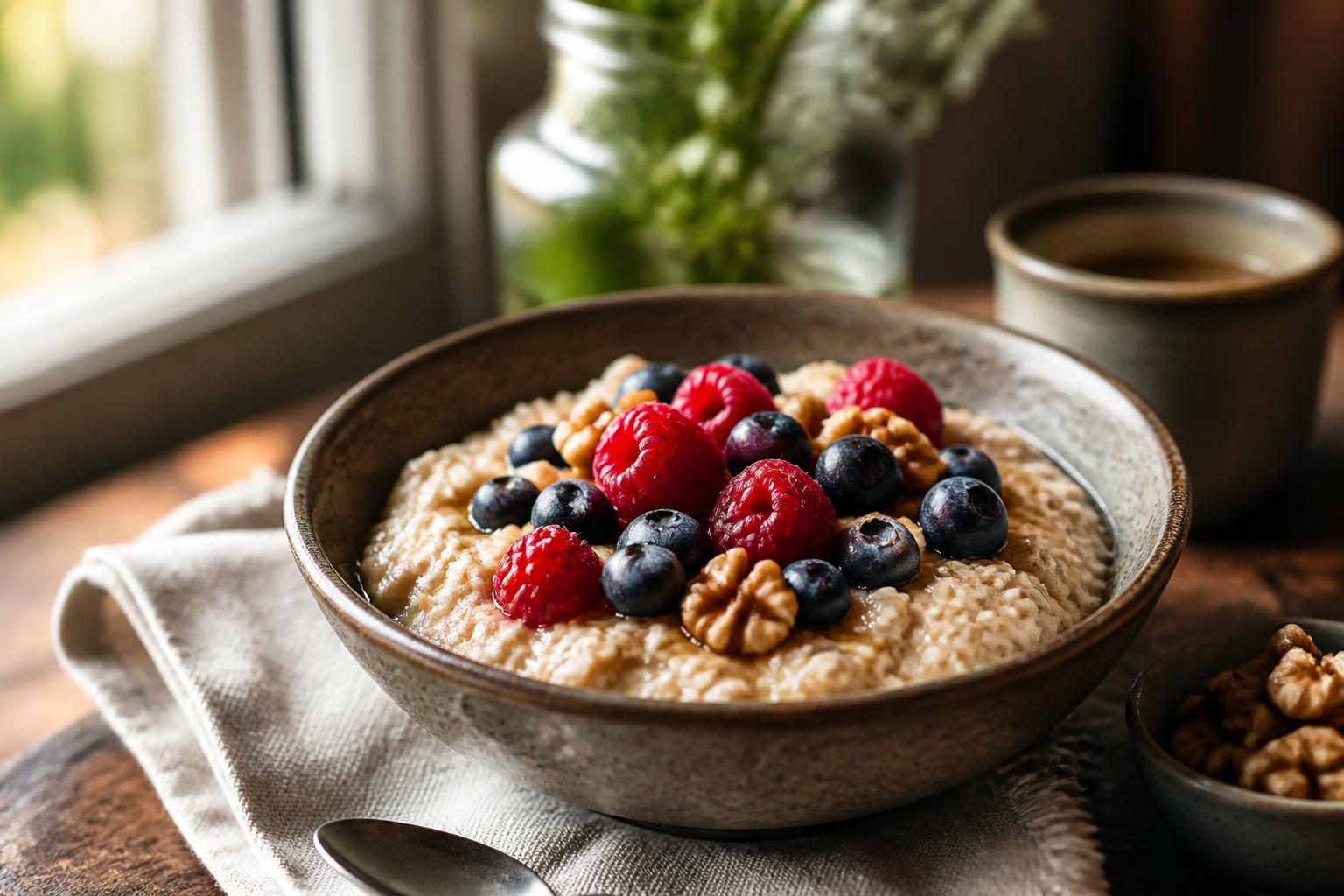
Steel-cut oatmeal with berries, walnuts and a coffee
Breakfast does most of the heavy lifting.

Protein — the unfussy version

Aim for 1.4–2.0 g per kg of bodyweight, spread across 4–5 eating windows. Combine within or between meals: lentils + rice, beans + corn, hummus + bread, soya milk + oats, tofu + quinoa, tempeh + brown rice. Soy is a 'complete' protein on its own. Most ordinary varied vegan diets hit the target without thinking; only very high targets (strength athletes over 2 g/kg) need real planning.

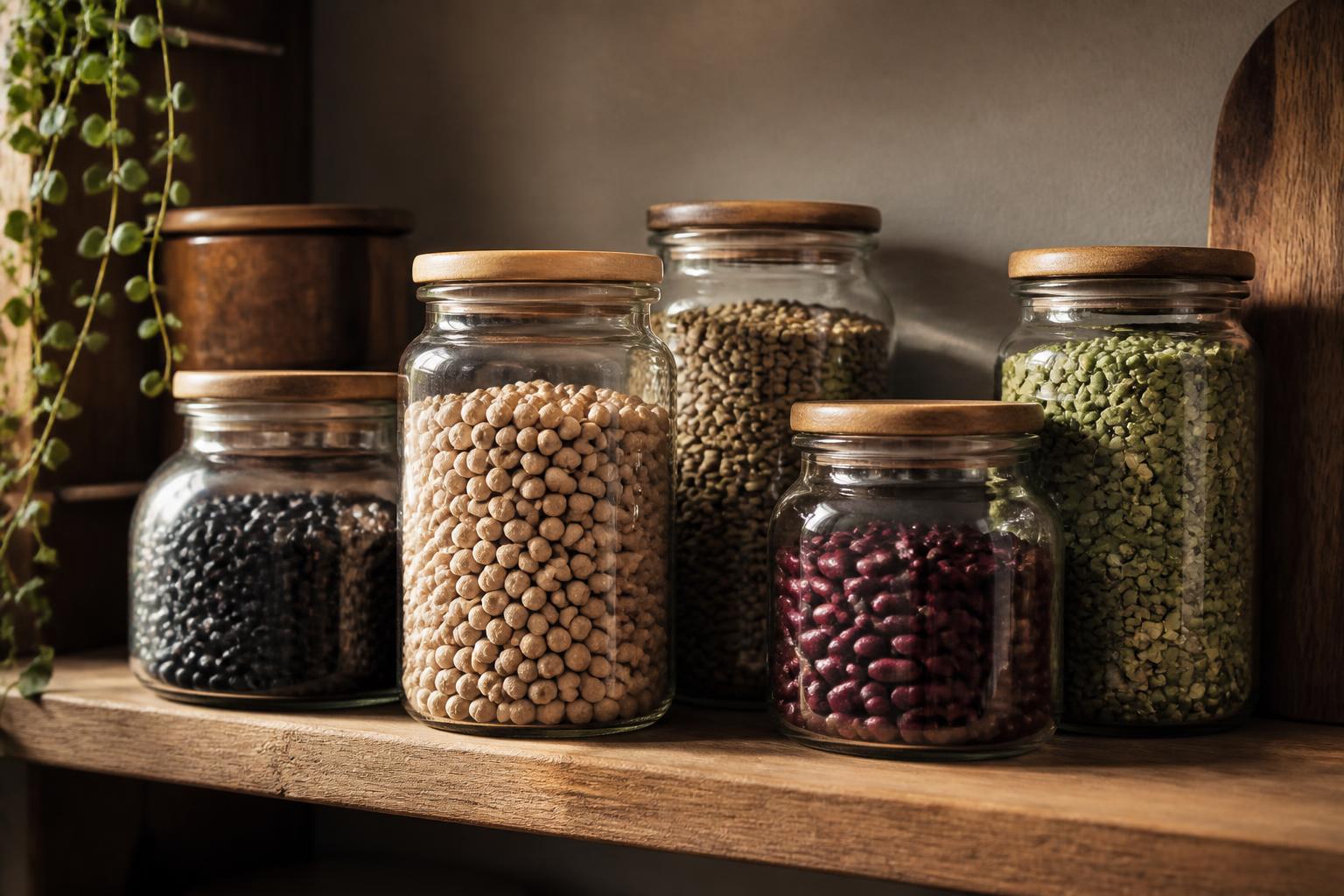
Pantry jars of legumes for plant protein
Soy is a 'complete' protein. Lentils, beans, tofu and tempeh do the rest.

"'Vegan athlete' is no longer a novelty. It is a category with world records."

Iron, B12, omega-3, creatine

Iron: combine plant iron with vitamin C (lemon over lentils, tomato in beans). B12: 2,000 µg cyanocobalamin once weekly. Omega-3: 250–500 mg algae DHA/EPA daily. Creatine: vegans benefit more from supplementation than omnivores because dietary creatine is zero — 3–5 g/day, any cheap monohydrate.

Athletes worth reading about

Patrik Baboumian (strongman, world records), Lewis Hamilton (7-time F1 champion), Venus Williams (vegan since 2011), Scott Jurek (ultramarathon legend), Fiona Oakes (multiple marathon world records), Dotsie Bausch (Olympic cycling silver), Morgan Mitchell (Olympic sprinter), Russell Wilson (NFL quarterback). The list grew so long that 'vegan athlete' is no longer a novelty.

A training-day eating template

Breakfast

Oats with soya milk, banana, peanut butter, ground flax, raisins. ~700 kcal.

Pre-training

Two dates and a coffee 30–60 minutes before. Easy carbs, no fibre crash.

Post-training

Soya-milk smoothie with frozen berries, banana, oats, pea-protein powder. Protein and carbs together.

Lunch

Big grain bowl: brown rice or quinoa, beans or tofu, roasted vegetables, tahini-lemon dressing.

Dinner

Lentil pasta with tomato-vegetable sauce, side of garlicky greens, sourdough.

Snack

Hummus and pita, or a handful of nuts and dried apricots.

Daily protein target by sport (g per kg bodyweight)

ISSN / IOC consensus ranges. Vegan athletes hit these targets the same way omnivores do — eat enough.

International Society of Sports Nutrition position stand, 2017

Vegan podiums, recent vintage

F1 world champion
Lewis Hamilton — vegan since 2017
3,100 mi
Self-Transcendence Race
Won repeatedly by vegan ultrarunners
550 kg
log lift world record
Patrik Baboumian, vegan strongman
21
Grand Slam titles
Venus & Serena Williams — both plant-based for years

Athlete-specific questions

Will I lose strength?

Not if you eat enough calories and protein. Several studies comparing vegan and omnivorous strength athletes find no difference in hypertrophy or maximal strength when total protein matches.

Do I need protein powder?

Optional. Useful for high targets, travel, post-workout convenience. Pea, soy, rice or hemp all work; soy has the best amino-acid profile.

What about recovery?

Vegan diets tend to be higher in anti-inflammatory compounds and lower in saturated fat, which several small studies link to faster recovery markers. Subjective recovery is usually reported as good or improved.

Endurance fuelling?

Same principles as any athlete: gels, dates, fruit, sports drinks, oats. All standard endurance fuel except whey-based protein recovery drinks is already vegan.

Train, eat, repeat

Whether you're chasing a marathon, a deadlift PR or just keeping up with your kids, plant-based fuelling is enough.