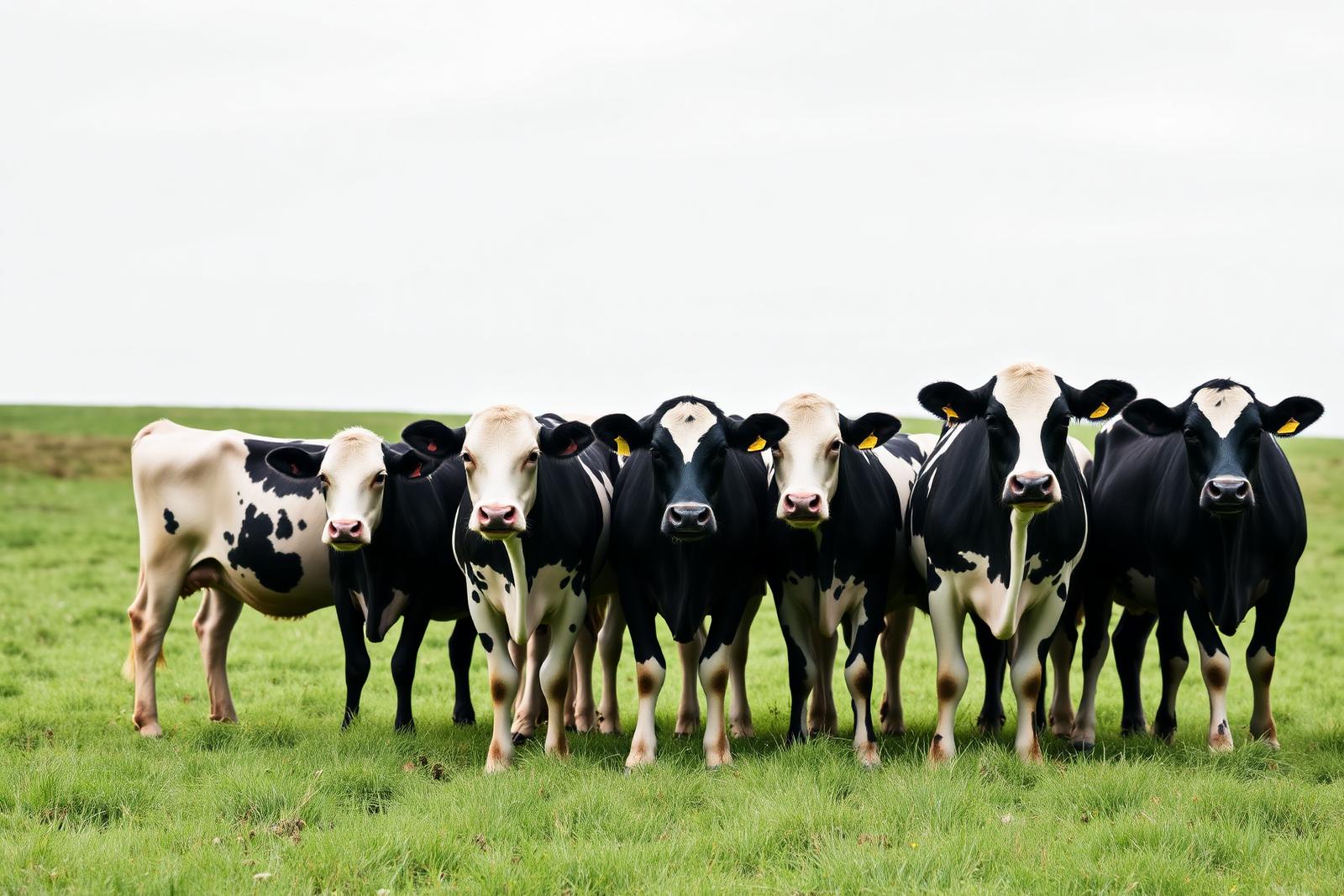
A herd of cattle at pasture in late afternoon light
Common ground

Veganism beyond politics

An ethic that predates the spectrum.

In recent decades, plant-based eating has been coded as 'progressive,' especially in the United States. This is a recent and largely accidental development. Compassion to animals, stewardship of land, prudence in health, and avoidance of waste have been honoured by conservative and progressive traditions alike — and by religious traditions older than either. This page makes the depoliticised case.

An older idea than any party

Vegetarianism appears in the earliest texts of Hinduism, Jainism and Buddhism, more than 2,500 years ago. Pythagoras and his followers practised it in ancient Greece. Christian monastic traditions — Trappists, Carthusians, Seventh-day Adventists — have long avoided meat for spiritual and ascetic reasons. Long before politics organised into parties, thoughtful people across cultures concluded that eating animals was a moral question worth considering.

The conservative case

Conservatives prize tradition, prudence, family, personal responsibility and stewardship of creation. Factory farms — anonymous, industrial, removed from communities, dependent on subsidies and routine antibiotics — are at odds with every one of those values. A return to thoughtful, modest eating, with respect for the lives of animals, is more conservative than the agribusiness status quo. Roger Scruton wrote a defence of small-scale livestock that began by acknowledging that industrial farming is morally indefensible.

A family at a shared meal
Stewardship, prudence, compassion — values older than any party.

The progressive case

The progressive case is usually framed in terms of suffering, climate justice and labour rights. Factory-farm workers are disproportionately poor migrants, work in physically and psychologically dangerous conditions, and have the highest PTSD rates of any non-combat profession. Climate vulnerability is concentrated among the global poor, who contribute least to animal-agriculture emissions. Both arguments hold.

"Compassion to animals, stewardship of land, prudence in health — older than the political spectrum, broader than any party."

Religious traditions

Hindu ahimsa (non-violence), Jain absolute non-injury, Buddhist compassion, Christian dominion-as-stewardship, Jewish tza'ar ba'alei chayim (avoiding animal suffering), Islamic mercy and rahma — all support reduction of animal harm. The number of religious leaders, monks, popes and rabbis publicly endorsing plant-based eating has grown sharply in the last decade.

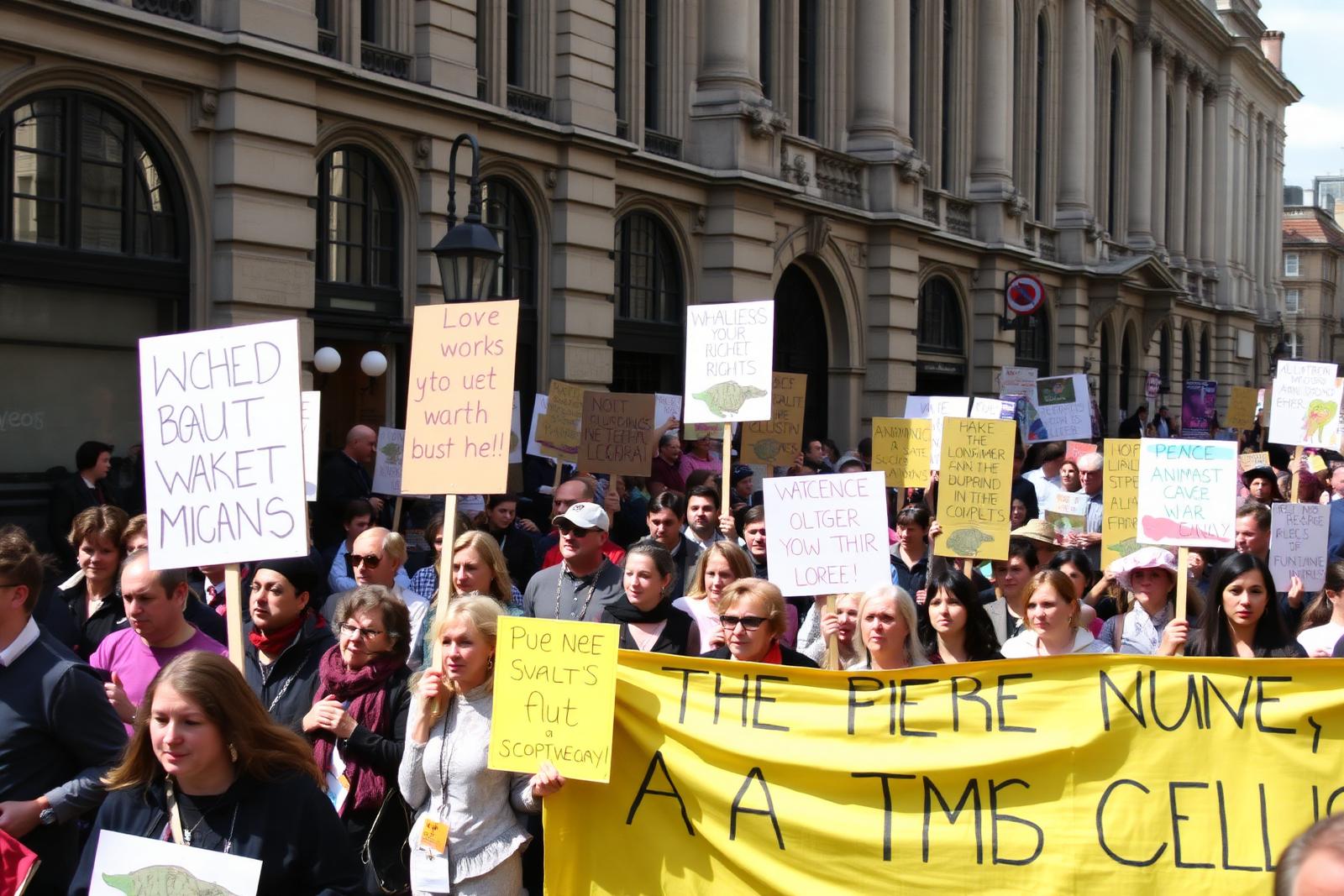
An animal rights march in a city street
When veganism is coded as one team's issue, the other team rejects it on identity grounds.

Why the political framing hurts the cause

When veganism is coded as 'one team's issue,' the other team rejects it on identity grounds before considering the argument. Climate denial, dietary tribalism and food-shaming all worsen. The most effective advocates speak to values their audience already holds — stewardship, prudence, compassion, family health — rather than to political identity.

Where the case lands

Tradition

Most religious and philosophical traditions have a long lineage of non-violence toward animals.

Health

Lower risk of heart disease, type 2 diabetes and several cancers is value-neutral.

Stewardship

Lower land, water and emission footprints serve the conservative duty to leave a better world.

Workers

Slaughterhouse conditions are a labour-rights issue independent of diet ethics.

Long lineage, broad coalition

2,500+
years of vegetarian thought
from Pythagoras and the Buddha onward
6
major world religions
with explicit non-harm-to-animals teachings
−75%
global meat subsidies
What free-market veganism would mean
1 in 3
Americans 'reducing meat'
across every political affiliation

Common questions

Isn't veganism inherently left-wing?

No. The earliest written defences of vegetarianism predate the political spectrum by millennia and come from religious and philosophical traditions across the world.

What about libertarianism?

The libertarian case opposes factory subsidies, externalised pollution costs and animal cruelty laws being underenforced. Free-market vegans exist; markets without subsidies would price meat far higher.

Does it matter how I frame it to family?

Yes. People respond to values they already hold. Frame the case in their language — stewardship, prudence, compassion, health — rather than yours.

Is it OK to disagree with vegan advocates politically?

Of course. Veganism is about reducing harm to animals; it does not entail any particular position on tax, immigration or foreign policy.

Start where the ethic lands

Whatever your politics or faith, the practical step is the same — eat in a way that reflects the values you already hold.