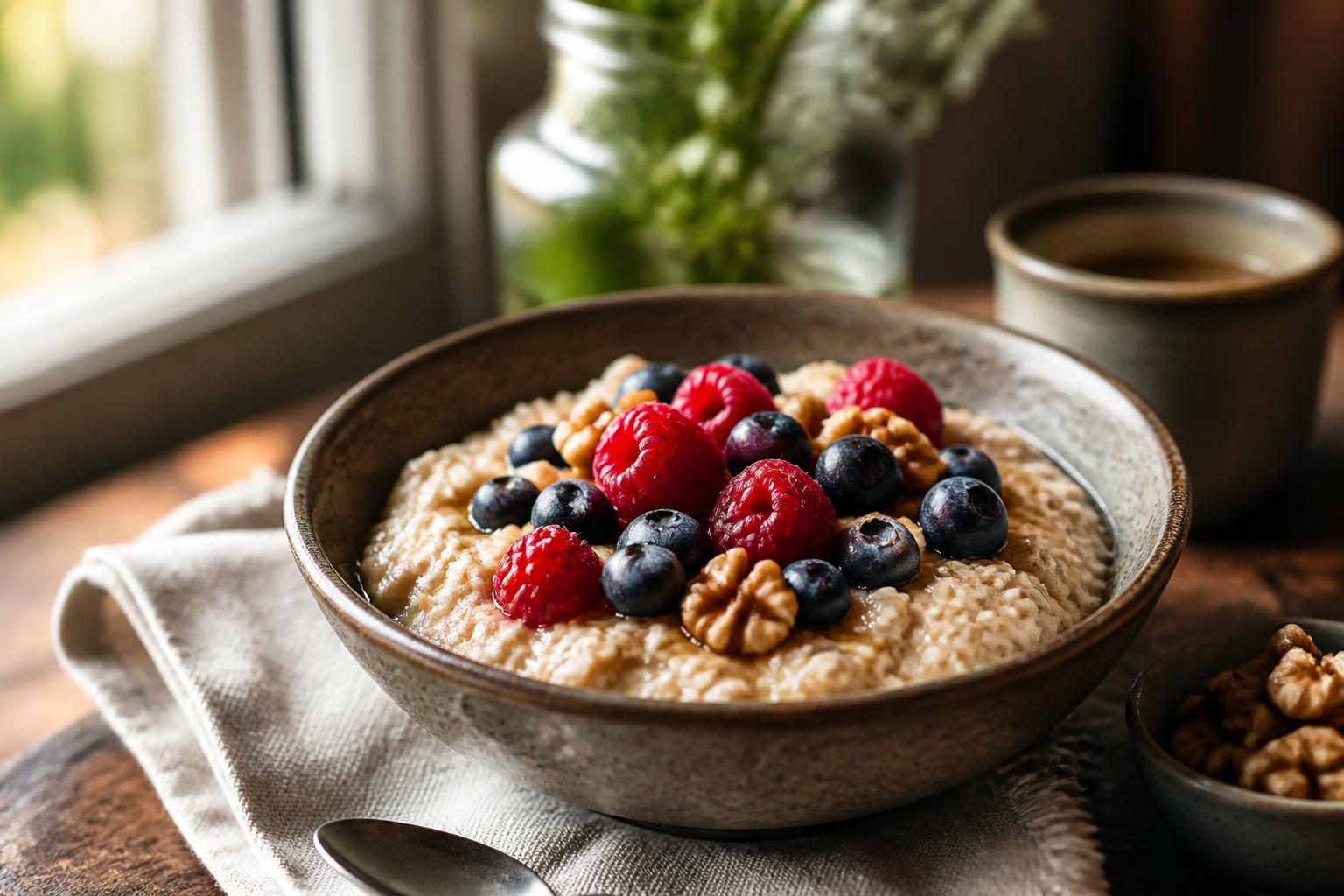
Steel-cut oats with berries and walnuts — a diabetes-friendly breakfast
Health

Diabetes and plant-based diets

A diet-responsive disease.

Type 2 diabetes is one of the few major chronic diseases that diet alone can prevent, manage and in many cases reverse. Plant-based diets — especially whole-food plant-based — show the strongest preventive effect and the most consistent reversal results in trials.

What the studies show

The Adventist Health Study-2 followed 60,000 adults across dietary groups and found vegans had roughly half the diabetes risk of vegetarians, and a quarter the risk of meat-eaters, with the gradient holding after adjusting for BMI, age, exercise and family history. EPIC-Oxford and the Nurses' Health Study report similar patterns. The 2018 BROAD study (New Zealand) and Barnard's clinical trials at the Physicians Committee found significant HbA1c reductions on whole-food plant-based diets, often more than on standard diabetic diets.

Why it works

Plant-based diets are typically higher in fibre, lower in saturated fat, lower in calorie density and higher in magnesium, polyphenols and resistant starch — all of which improve insulin sensitivity. Saturated fat from meat and dairy is independently linked to insulin resistance; replacing it with monounsaturated and polyunsaturated plant fats improves both fasting glucose and HbA1c.

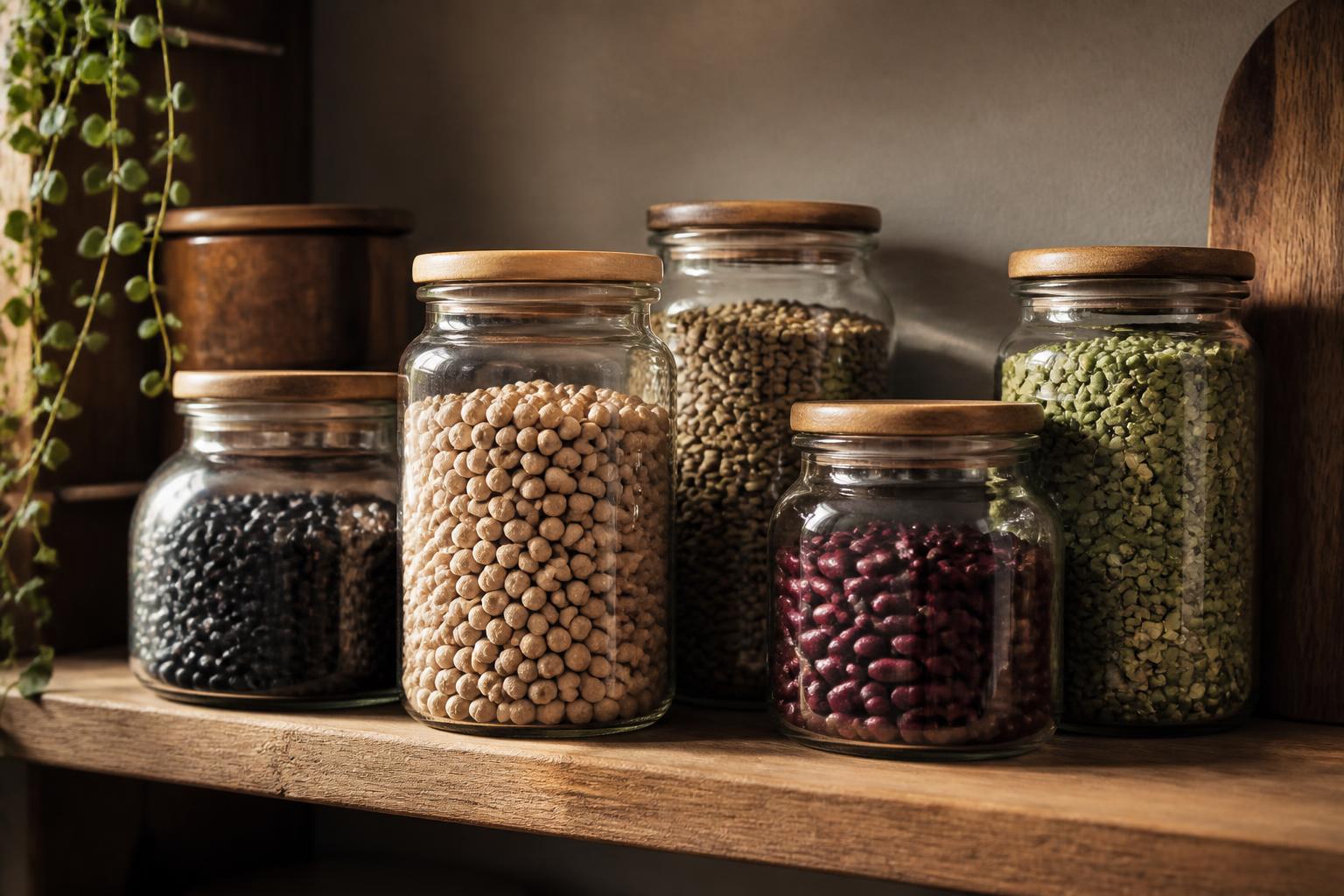
Pantry jars of legumes — the single most diabetes-protective food group
Legumes are the single food group most consistently linked to lower diabetes risk.

What to eat

Build meals around: legumes (the single most diabetes-protective food group), whole grains (oats, barley, brown rice, quinoa), non-starchy vegetables, nuts and seeds, and whole fruit (yes, including bananas). Limit refined oils, refined flours, sugar and processed mock meats. Berries, leafy greens, beans and oats together cover most of the bases.

A glucose monitor and a bowl of berries on a kitchen counter
Most readers see HbA1c drop within 12 weeks.

"Many trials and clinical case series report remission — particularly in the first five years after diagnosis."

BROAD trial, NZ 2018

Practical pattern

Breakfast: steel-cut oats with berries and walnuts. Lunch: lentil-vegetable soup with whole-grain bread. Dinner: chickpea curry with brown rice and sautéed greens. Snacks: hummus with vegetables, an apple with peanut butter, a handful of almonds. This pattern has been shown in trial after trial to lower fasting glucose within weeks.

If you already have type 2 diabetes

Work with your doctor

Plant-based diets often reduce insulin and medication needs quickly. Doses must be adjusted to avoid hypoglycaemia.

Track HbA1c every 3 months

It will likely drop. Use the data to discuss medication reductions safely.

Don't fear fruit

Whole fruit improves outcomes; fruit juice does not. There is no evidence to fear bananas, mangoes or grapes.

Watch portion of refined carbs

White bread, white rice and pastries spike glucose regardless of whether they are vegan.

Type 2 diabetes prevalence by diet pattern

Adventist Health Study-2 — 60,903 adults, adjusted for age, BMI, exercise, family history.

Tonstad et al., Diabetes Care 2009

What changes, and how fast

−1.2%
HbA1c reduction
BROAD 2018, whole-food plant-based vs control, 12 weeks
−43%
less insulin needed
Barnard Physicians Committee trial, 22 weeks
−7 kg
average weight loss
without calorie restriction, plant-based arm
5 yrs
highest reversal odds
from time of diagnosis

Common questions

Can a vegan diet reverse type 2 diabetes?

Many trials and clinical case series report remission, particularly when combined with modest weight loss. Reversal is most likely in the first five years after diagnosis.

What about type 1?

Type 1 diabetes cannot be reversed by diet, but plant-based diets improve insulin sensitivity and may reduce daily insulin needs.

Aren't carbs the problem?

Refined carbs and added sugars are. Whole-grain carbs and legumes consistently improve diabetes markers in trials.

What about keto?

Short-term studies show keto can lower HbA1c quickly, but long-term cardiovascular outcomes are concerning. Whole-food plant-based has both blood-sugar and cardiovascular benefit.

Eat for blood-sugar control

If you or someone in your family is at risk, a plant-based diet is the strongest single dietary lever in the evidence.