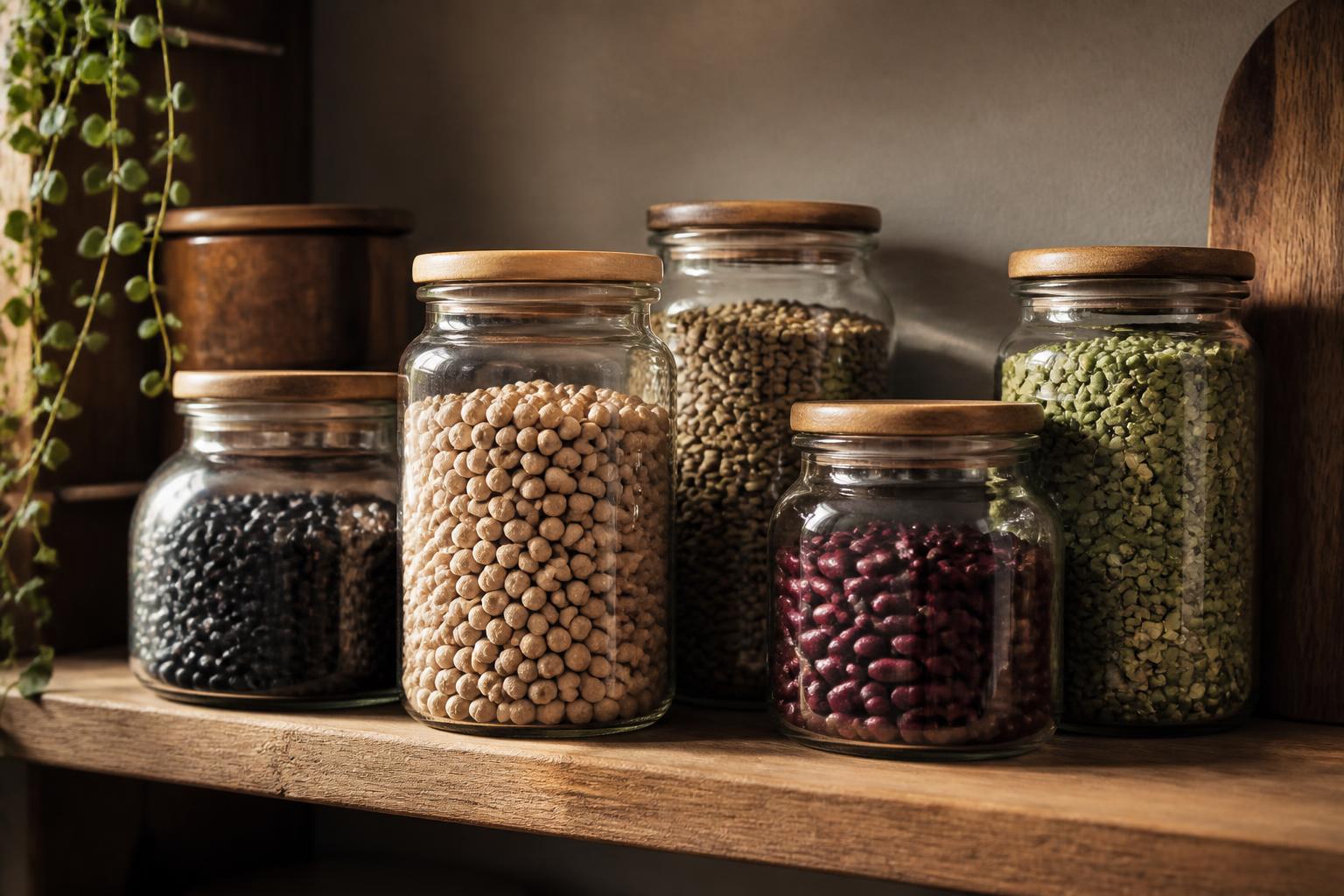
Pantry jars of legumes — soluble fibre that lowers LDL
Health

High cholesterol and plant-based diets

The most reliably diet-responsive marker.

LDL cholesterol — the 'bad' cholesterol that drives atherosclerosis — responds to diet faster and more reliably than almost any other cardiovascular marker. Plant-based diets reduce LDL by 20–35% in trials, comparable to a starting dose of statins, often within weeks.

Why animal foods raise LDL

Two things raise LDL: dietary cholesterol (found only in animal foods) and saturated fat (highest in dairy, meat, eggs and coconut/palm oils). When both are removed, the liver produces less LDL and pulls more from the bloodstream. The mechanism is not 'detox' or 'antioxidants' — it is the boring biochemistry of LDL receptors, well established for fifty years.
The Portfolio Diet

Developed by Dr David Jenkins at the University of Toronto, the Portfolio Diet combines four LDL-lowering plant foods: soy protein, nuts, viscous fibre (oats, barley, aubergine, okra, psyllium) and plant sterols. Trials show LDL reductions of 25–35%, on top of any reduction from removing meat and dairy.

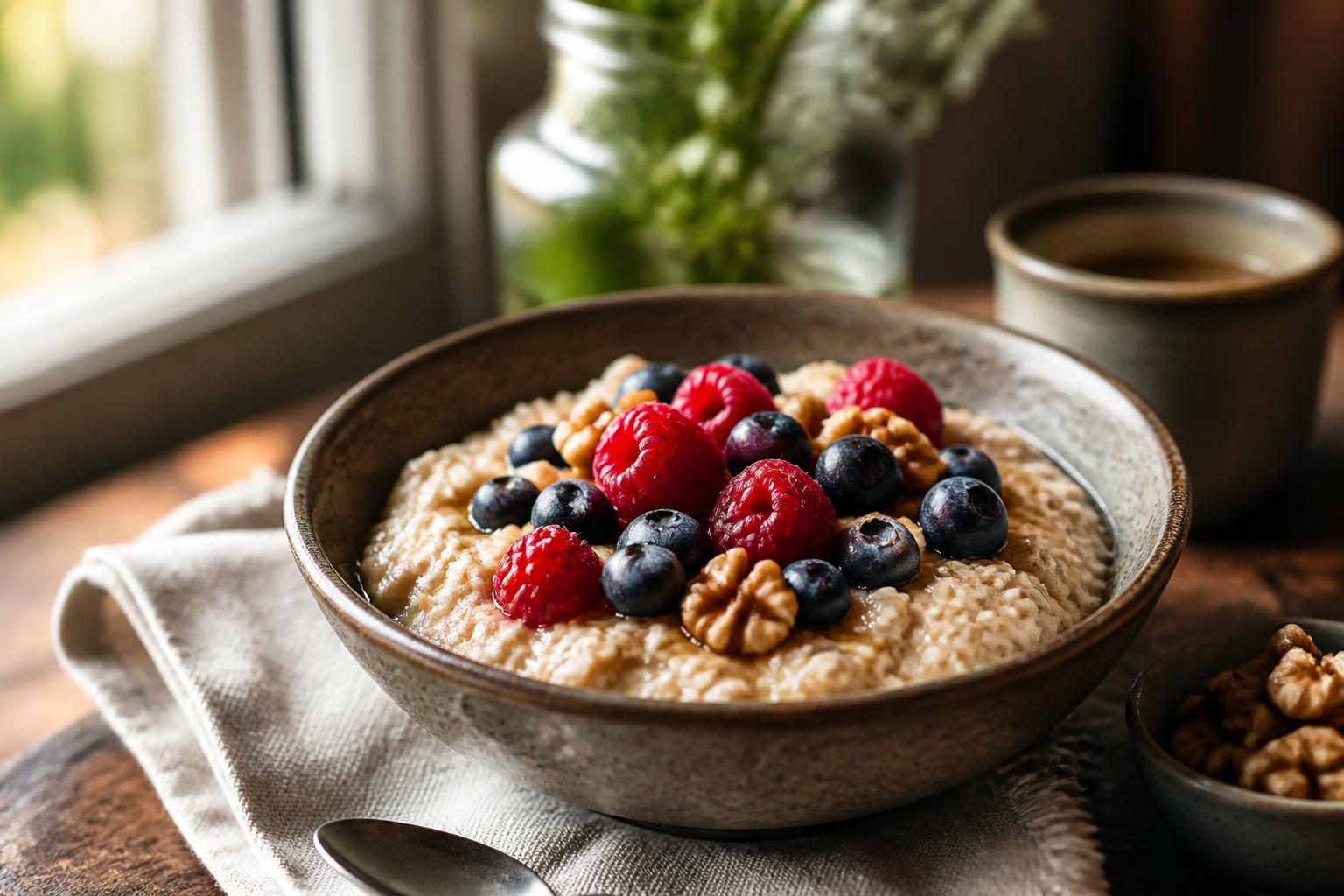
Oatmeal with berries and walnuts — Portfolio Diet basics
Oats, nuts, soy and viscous fibre — the Portfolio Diet on one plate.

Reversal studies

Caldwell Esselstyn's cardiology series at the Cleveland Clinic showed atherosclerosis regression — actual reopening of arteries — on a whole-food plant-based diet with no added oil. Dean Ornish's Lifestyle Heart Trial showed the same with diet plus moderate exercise and stress management. These remain the only diets in the published literature shown to reverse heart disease without surgery.

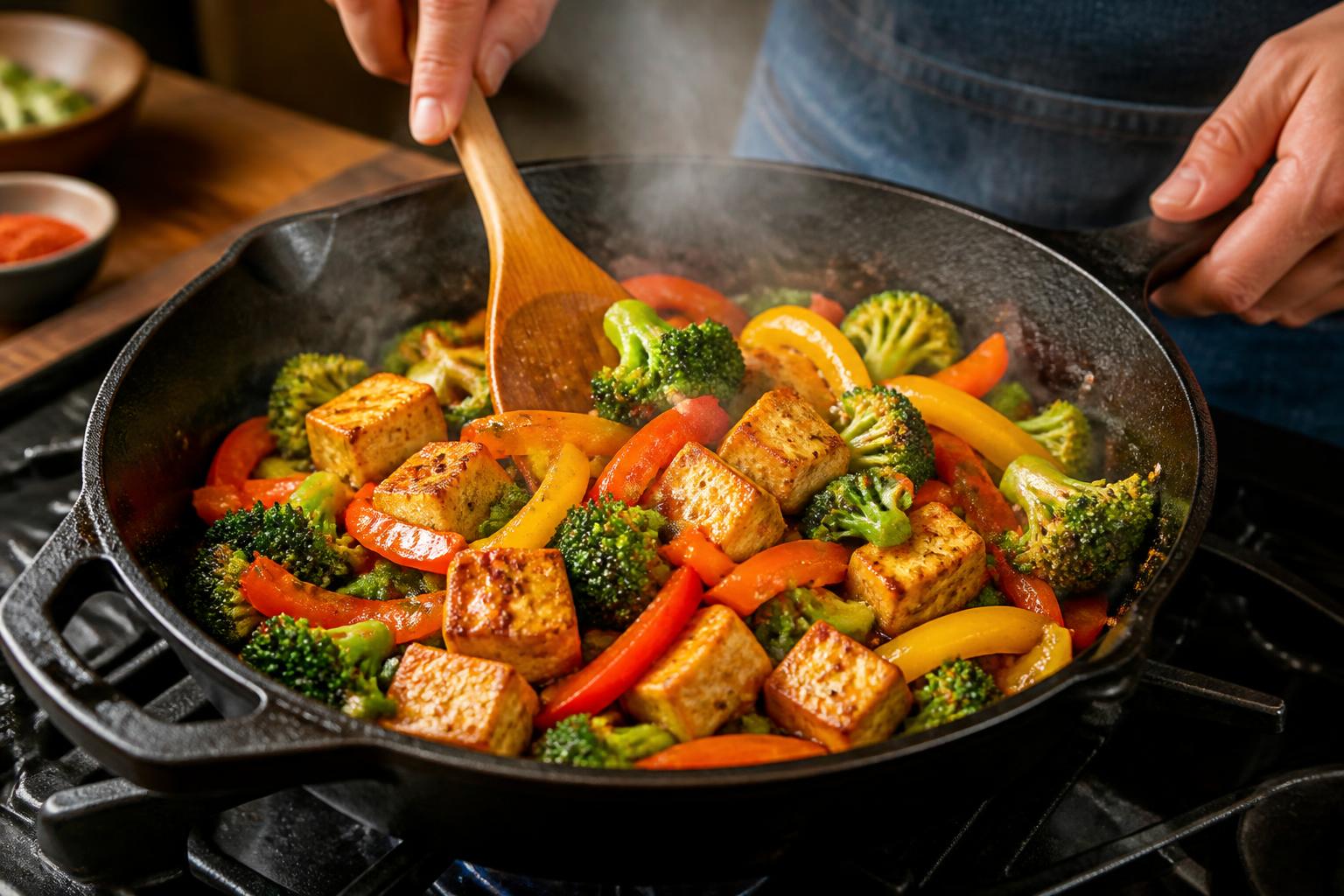
Tofu and aubergine in a pan
Soy protein lowers LDL through a direct, reproducible mechanism.

"Plant-based diets reduce LDL by 20–35% in trials — comparable to a starting dose of statins."

Jenkins, Portfolio Diet

What to eat

Daily: oats or barley, soya milk or tofu, a handful of nuts (especially almonds and walnuts), beans or lentils, vegetables (especially aubergine and okra when in season), berries, ground flax or chia. Add fortified foods or a sterol supplement if your LDL is high and you want to maximise the drop.

A Portfolio-style day

Breakfast

Steel-cut oats with soya milk, ground flax, walnuts, berries.

Lunch

Hummus and roasted vegetable wrap with mixed leaves; an apple.

Dinner

Tofu and aubergine stir-fry with brown rice and steamed greens.

Snacks

Almonds, soya yoghurt with chia, fruit, vegetable sticks with hummus.

Average LDL cholesterol reduction at 4 weeks

Pooled trial data. All interventions vs habitual Western baseline.

Jenkins et al., JAMA 2003; Wang et al., J Am Heart Assoc 2015

The fastest-moving marker

−30%
LDL drop, Portfolio Diet
Jenkins et al., 4 weeks, no statin
30 g
of nuts daily
trial-supported dose for LDL reduction
0
dietary cholesterol
in any plant food — the biochemistry is boring
12 wks
to retest
long enough to see the full effect

Common questions

Does saturated fat from coconut oil count?

Yes. Saturated fat raises LDL whether from animal or plant sources. Limit coconut oil and palm oil even on a vegan diet.

What about eggs?

Eggs are the most concentrated dietary cholesterol source. Removing them is one of the most effective single steps for LDL reduction.

Will I still need a statin?

Many people no longer do after consistent plant-based eating; others do, especially with genetic high cholesterol (familial hypercholesterolaemia). Measure, discuss with your doctor.

Are nuts not high in fat?

Mostly unsaturated, and trials consistently show nuts lower LDL despite the calories. A daily 30 g handful is the trial-supported dose.

A change you can measure

Get a baseline blood test, eat a Portfolio-style diet for 12 weeks, retest. Most readers see substantial LDL reduction.