The Animals

They are individuals. Every single one.

More than 92 billion land animals — and trillions of fish — are killed for food every year. Each is a someone, not a something. This page is a record of who they are, and what is done to them.

They are individuals. Every single one.
Photo: Slaunger / Wikimedia Commons (CC BY-SA)
01

Chickens

More chickens are slaughtered than all other land animals combined.

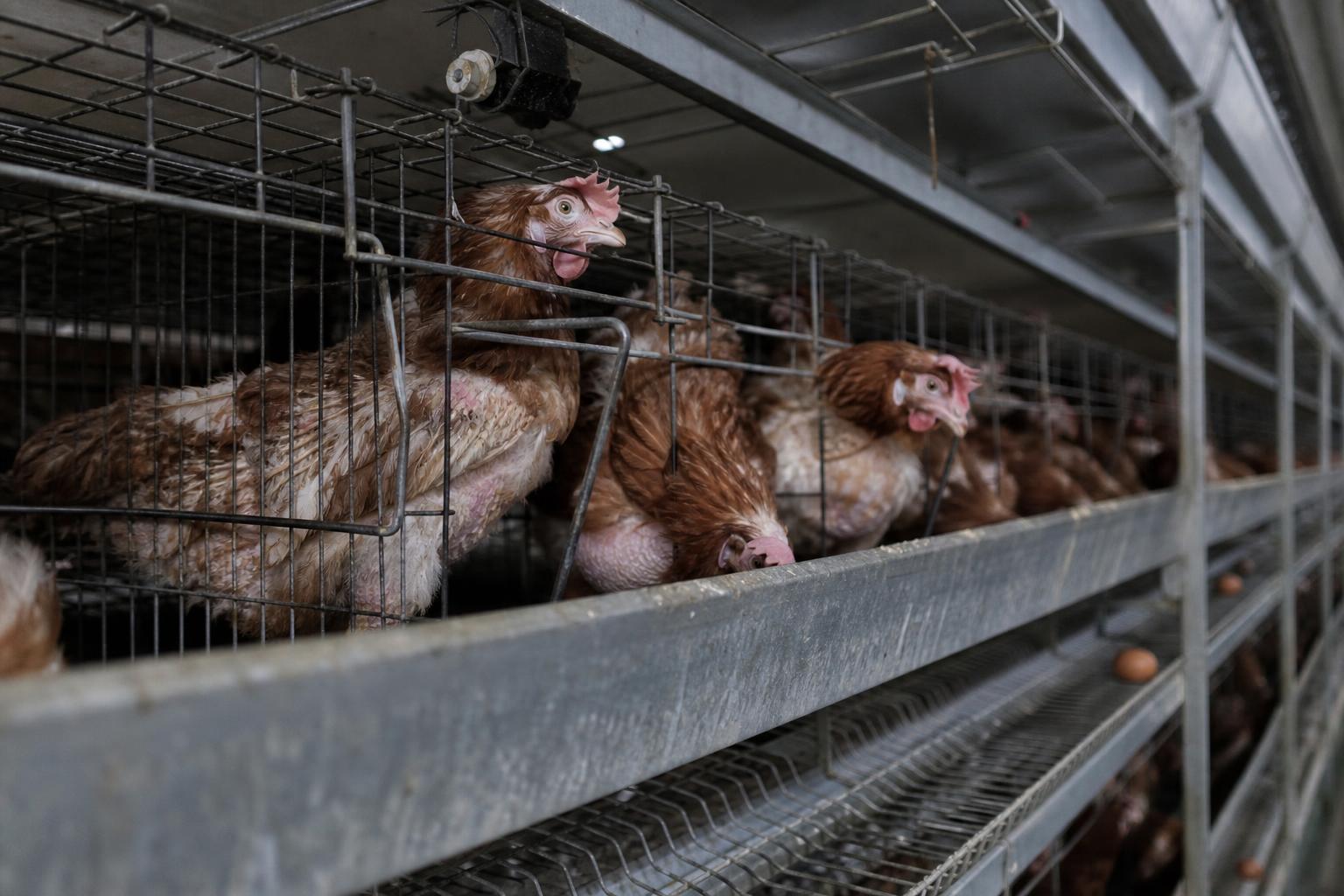
Bred to grow so fast their hearts and legs collapse, broiler chickens reach slaughter weight in six weeks. Egg-laying hens spend up to two years in cages smaller than a sheet of paper. Male chicks of laying breeds are ground up alive or gassed within hours of hatching.

  • Around 75 billion chickens are killed each year for meat.
  • 260 million male chicks are culled annually in the egg industry alone.
  • Chickens recognise more than 100 individual faces and form lasting social bonds.
02

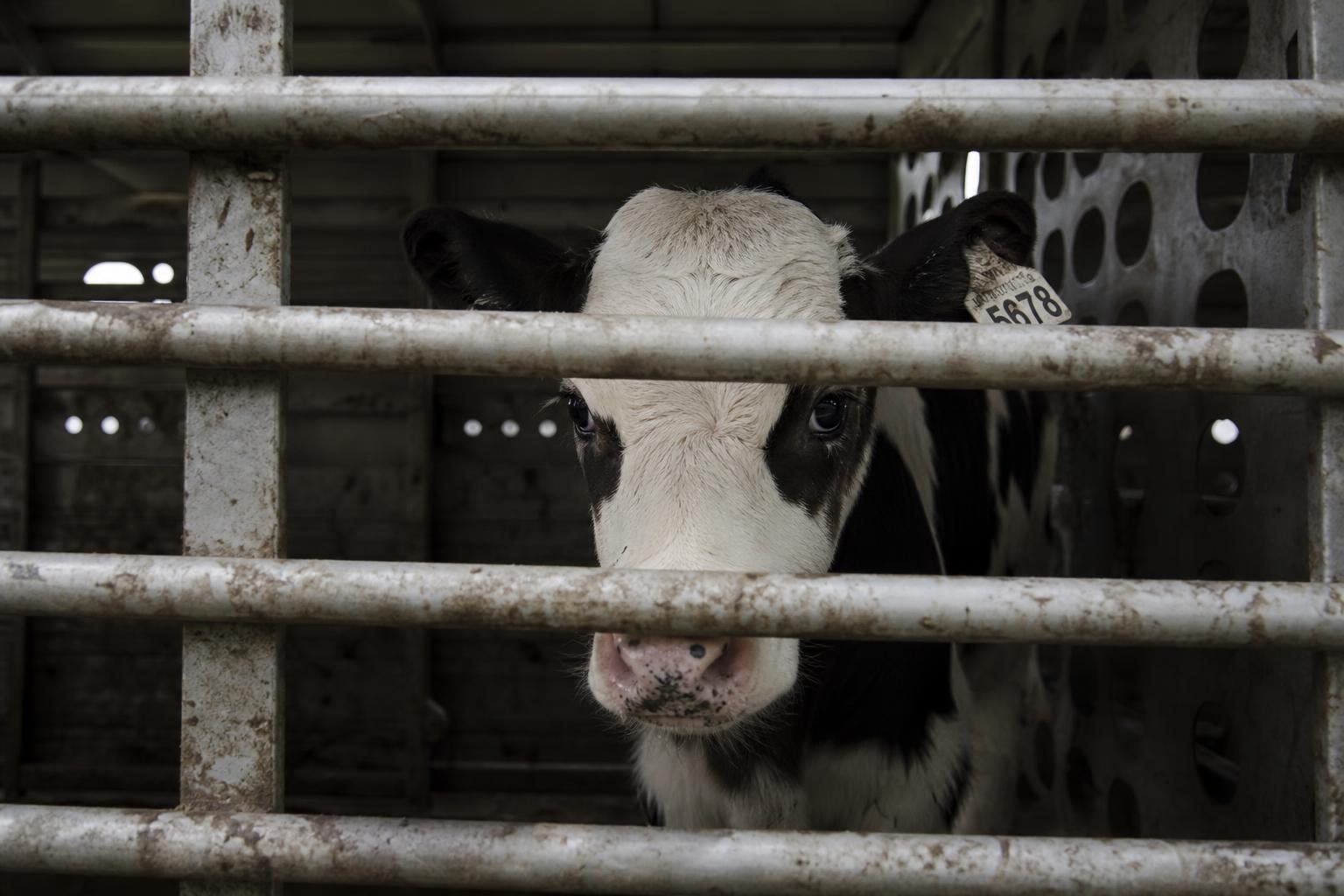
Cows

Dairy is not a peaceful alternative to beef — it is its mother.

Dairy cows are forcibly impregnated each year. Their calves are taken within hours of birth — sons sold for veal, daughters into the same cycle. Their bodies, exhausted by selective breeding, are sent to slaughter at around five years old. Their natural lifespan is twenty.

  • Mother cows have been recorded grieving and searching for stolen calves for days.
  • Dehorning, branding and tail-docking are routinely performed without pain relief.
  • Beef and dairy together account for roughly 60% of livestock greenhouse emissions.
03

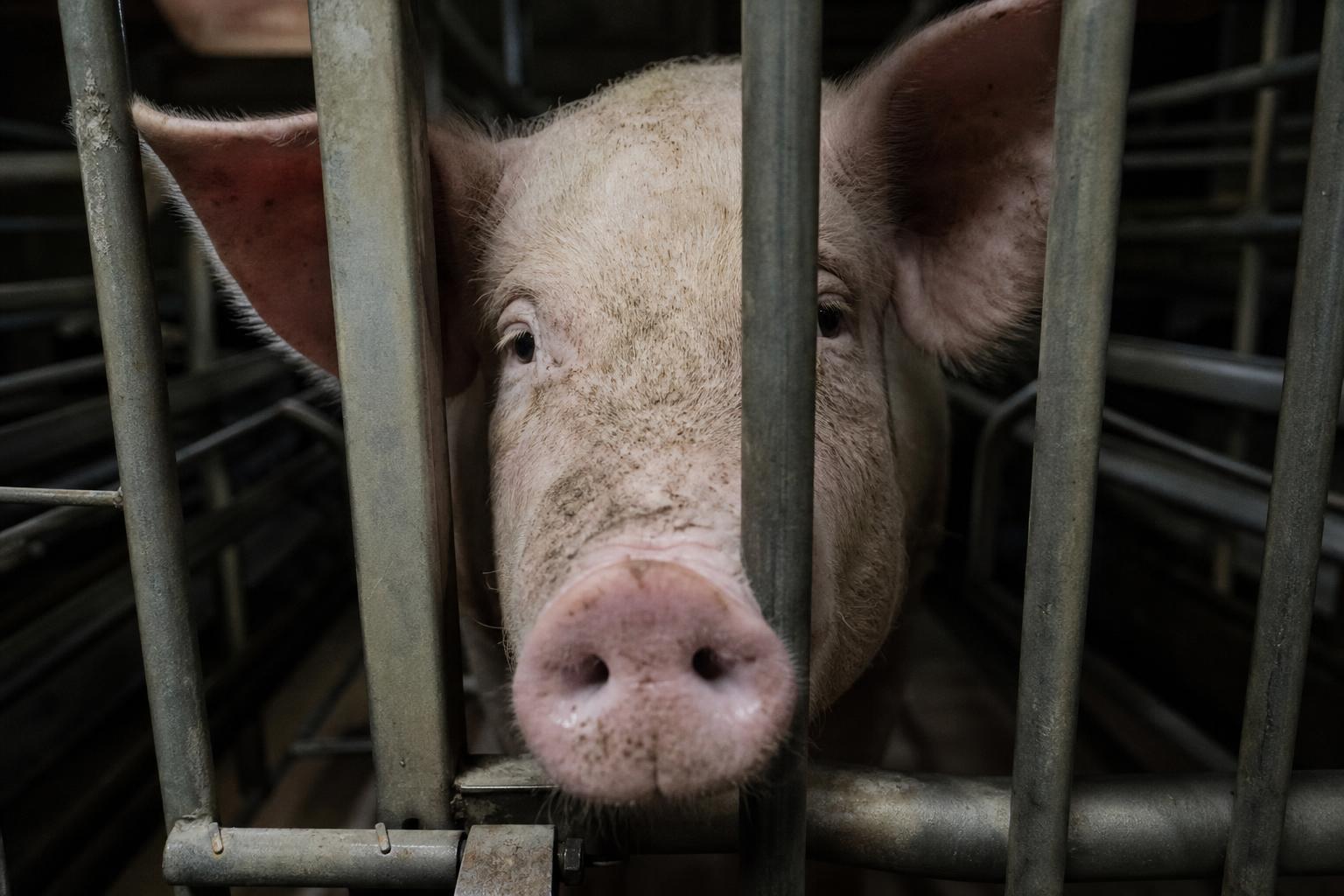
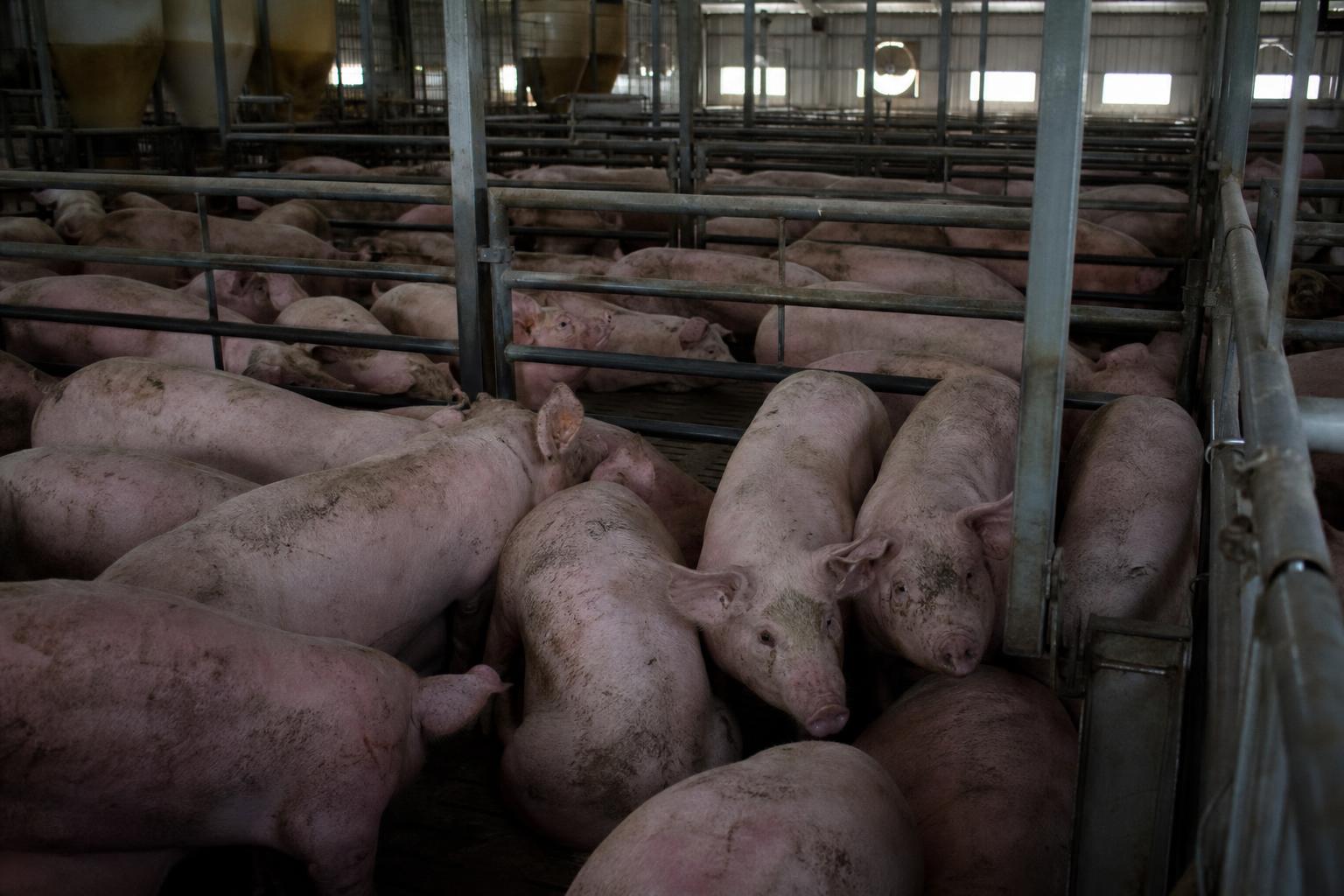
Pigs

Cognitively comparable to a three-year-old child. Treated as a unit.

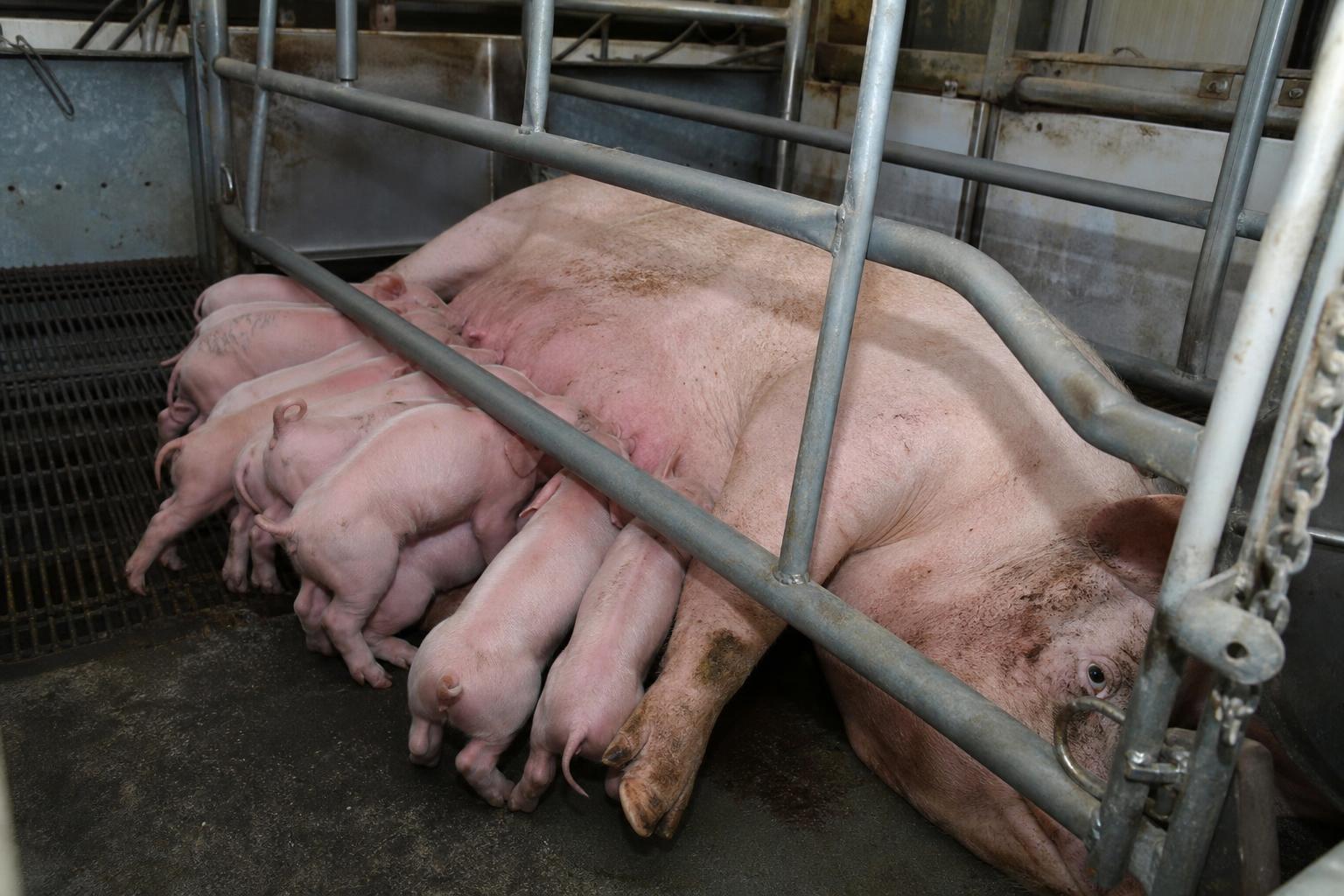
Sows spend most of their adult lives in gestation crates so narrow they cannot turn around. Piglets are castrated, tail-docked and have their teeth clipped without anaesthetic. Most pigs never see daylight until the day they are trucked to slaughter.

  • Pigs solve puzzles, use mirrors and play with toys when given the chance.
  • Around 1.5 billion pigs are killed for food every year worldwide.
  • Pig farms are the largest source of ammonia air pollution in many regions.
04

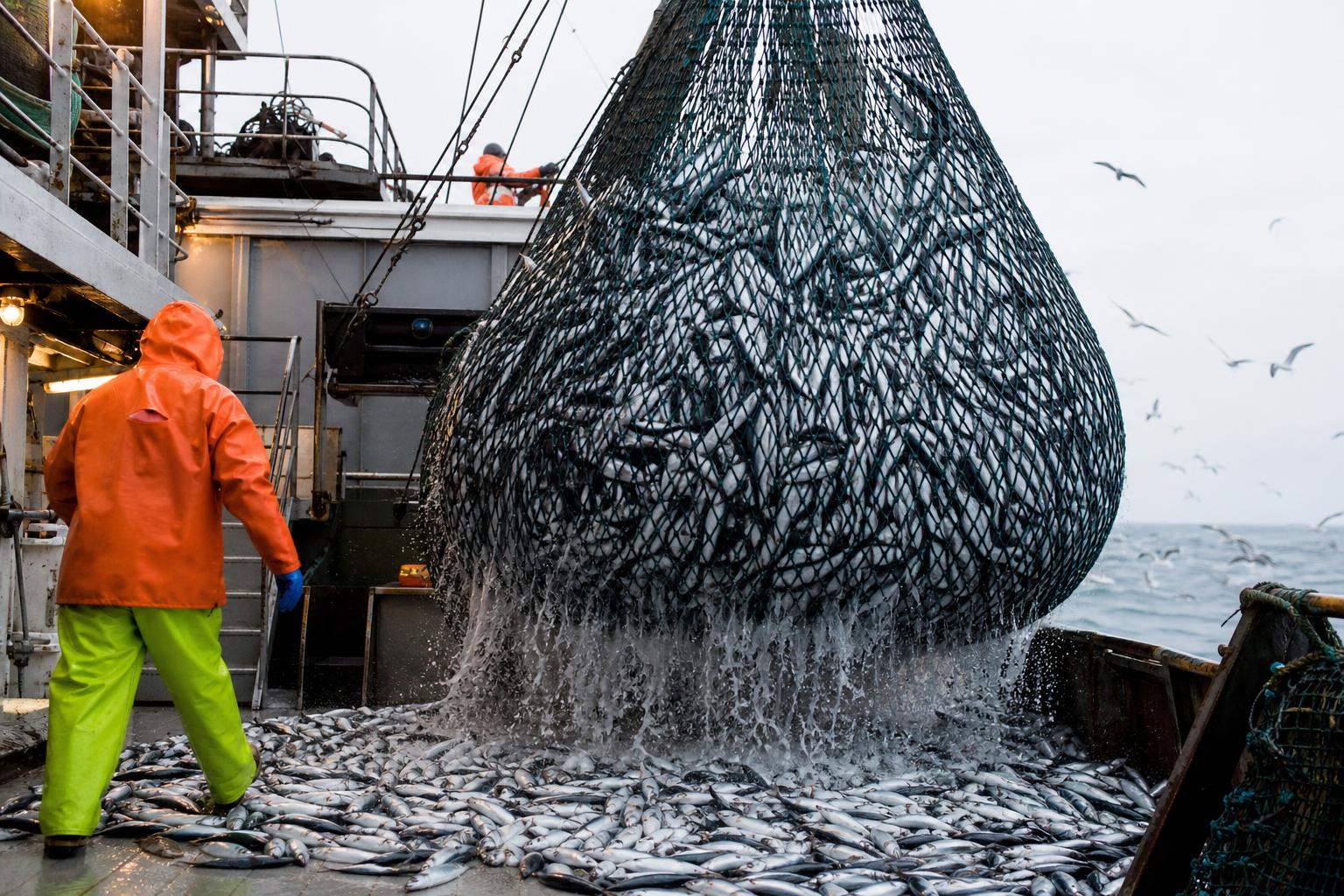
Fish

The largest, least counted, least protected group of farmed animals.

Fish feel pain. The evidence has been settled science for two decades. Yet trillions die each year — suffocating on the decks of trawlers, crushed in nets, or in disease-ridden sea cages where parasites eat them alive.

  • Estimated 1–2.8 trillion wild fish are killed for food each year.
  • Salmon in factory farms can lose up to 50% of their eyesight to lice infestations.
  • Aquaculture is the fastest-growing food sector — and the least regulated for welfare.
05

Sheep & Goats

Live export — by truck and by sea — is built around their bodies.

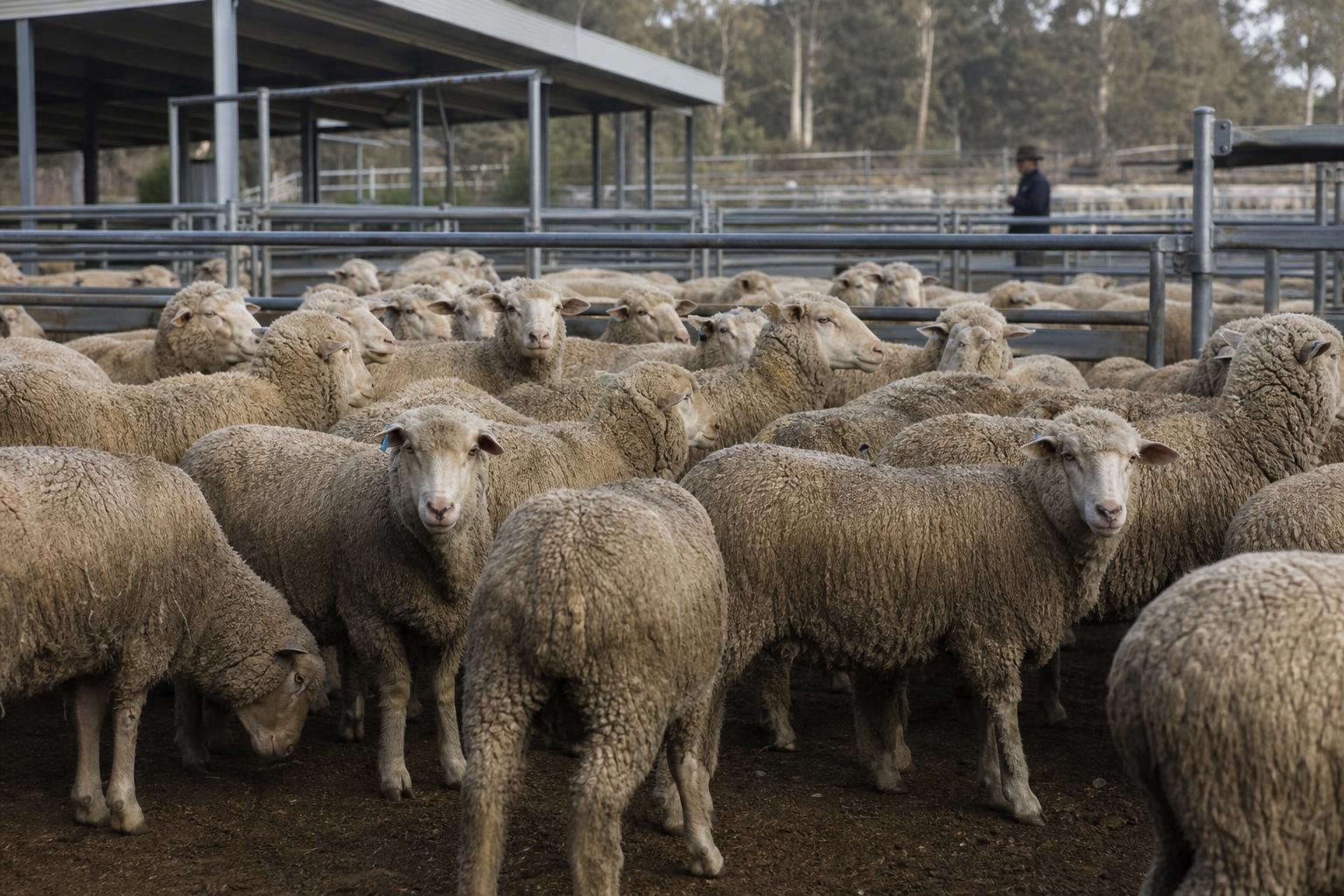
Lambs are typically slaughtered between three and ten months old. Mulesing, tail-docking and castration are routine, mostly without anaesthetic. Live-export ships carry millions across oceans every year; deaths from heat stress and starvation are documented but normalised.

  • Around 550 million sheep are slaughtered for meat each year.
  • Live-export voyages can last up to a month at sea.
  • Goat-milk demand is now driving the same separation-at-birth model as cow dairy.
06

Wild fish & shellfish

The ocean is being emptied faster than it can refill.

By 2050, at current rates, almost every commercially fished species will be functionally collapsed. Bottom trawlers strip-mine the seafloor; longlines kill seabirds, sharks and turtles as bycatch.

  • Up to 40% of global marine catch is discarded as bycatch.
  • Fishing gear accounts for the majority of large plastic in the open ocean.
  • One-third of assessed fish stocks are harvested beyond sustainable limits.
Species deep dives

Who they are, and what the industry does.

The animals in the food system are individuals with distinct cognitive lives, social needs, and, where studied, demonstrated emotional range. The following profiles draw on peer-reviewed animal behaviour research as well as documented standard industry practices. They are not arguments from sentiment — they are arguments from evidence.

01

Chickens

Cognition

Chickens demonstrate numeracy, self-control, and basic forms of empathy. Studies have shown that hens show distress responses when their chicks are exposed to mild stress — a finding consistent with primitive empathy. They are capable of deception, have distinct personalities, and learn from observation. Their cognitive capacity is substantially higher than cultural assumptions suggest.

Natural life

In non-industrial settings, chickens form stable social hierarchies, forage widely, dustbathe, establish roosting sites, and engage in complex vocal communication. Hens lay 10–15 eggs a year — the clutch size evolution produced. They incubate eggs and raise chicks through a period of intensive parental care that typically lasts several weeks.

The industry

Broiler chickens are slaughtered at 35–42 days — roughly 8% of their natural lifespan. Their bodies are bred for breast mass so extreme that cardiovascular and skeletal problems are common before slaughter. Laying hens produce 250–300 eggs per year through a combination of genetics and light manipulation. In battery cage systems, each bird has approximately 550 cm² of space — less than the area of a sheet of paper.

02

Pigs

Cognition

Pigs are ranked among the most cognitively complex non-human animals. They perform better than dogs on many learning tasks, demonstrate long-term memory, and show evidence of metacognition — an awareness of what they do and do not know. Studies published in Animal Cognition and similar journals have shown pigs recognising themselves in mirrors, using tools, and solving multi-step problems.

Natural life

Wild and free-ranging pigs live in matriarchal family groups. They build nests for farrowing, rootle extensively (using their snout to explore and manipulate their environment), form close bonds with individuals they choose, and spend roughly half their waking hours in social activity. Sows are protective, attentive mothers. Piglets begin play behaviour within days of birth.

The industry

Breeding sows in intensive systems spend most of their reproductive lives in gestation crates — metal enclosures approximately 0.6 m wide — where they cannot turn around, rootle, or engage in social behaviour. After farrowing, they move to farrowing crates that similarly restrict movement. Piglets are weaned at 21–28 days (natural weaning occurs at 12–15 weeks), then housed in barren conditions until slaughter weight.

03

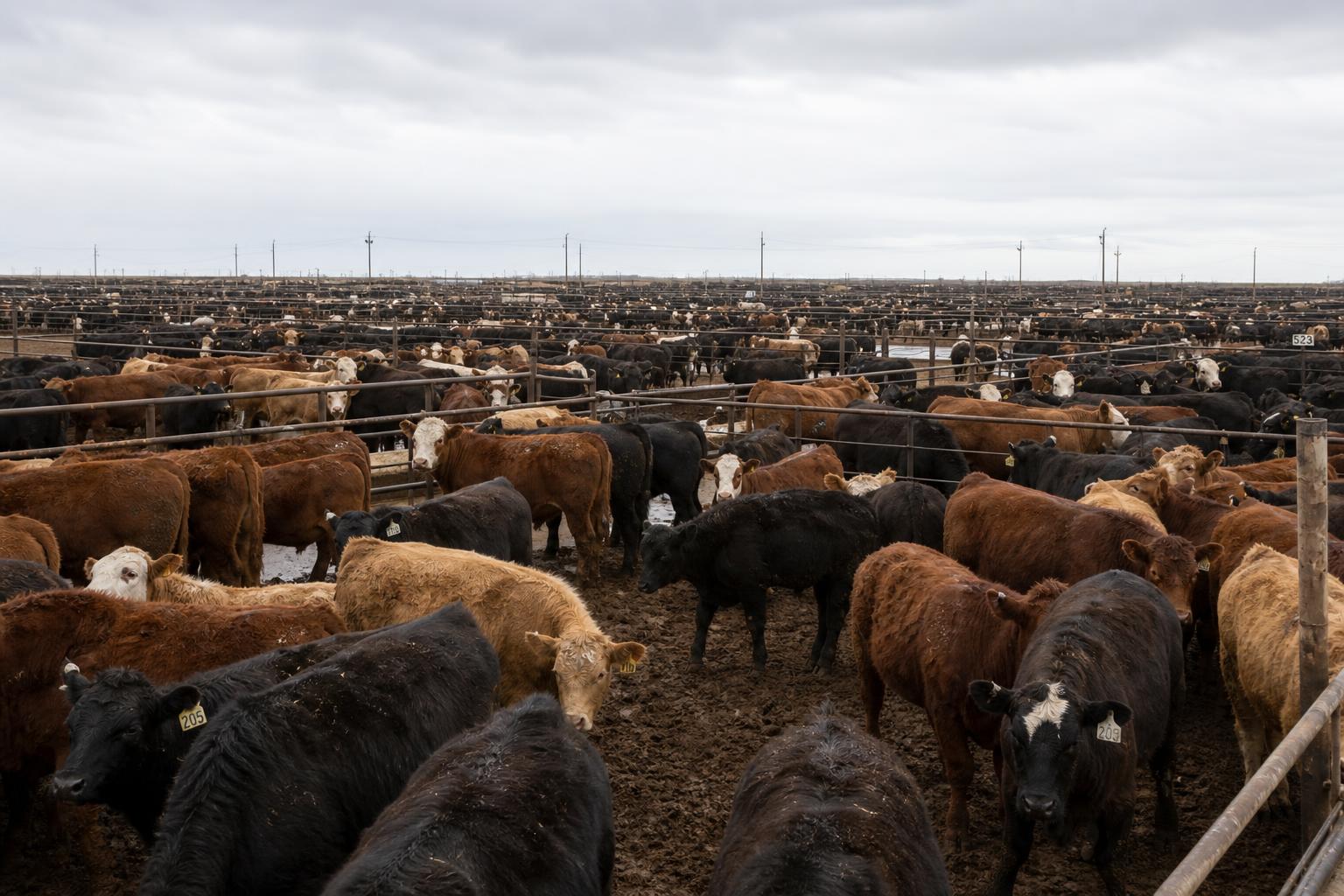
Cows

Cognition

Cattle form lasting friendships with individual herd members and show signs of what researchers describe as emotional contagion — their heart rate rises when separated from companions and falls when reunited. They exhibit curiosity (sometimes called 'bovine excitement') when released into novel environments, and remember negative experiences with specific individuals or locations over long periods.

Natural life

Cattle in natural or extensive conditions graze up to eight hours a day, spending the rest of their time ruminating, socialising, and resting. Cows form tight bonds with their calves and maintain complex social relationships across years. Natural lifespan is 15–20 years. The mother-calf bond is among the strongest observed in ungulates.

The industry

Dairy cows typically produce milk for four to five lactation cycles before their productivity declines enough to make slaughter economical — typically at age 4–5, against a natural lifespan of 15–20. Each cycle requires pregnancy, and each calf is removed within hours of birth. Male dairy calves — with no commercial value to the dairy operation — are either killed immediately or sold into the veal industry.

04

Fish

Cognition

Fish cognition is a rapidly advancing research area. Studies have documented social learning, long-term individual recognition, use of tools (wrasse have been observed using rocks to crack shellfish), Machiavellian social strategies in cleaner fish, and responses to noxious stimuli that parallel pain responses in mammals. The assumption that fish do not feel pain is no longer defensible in the scientific literature.

Natural life

Fish species vary widely, but across most, life involves navigation of complex three-dimensional environments, social group dynamics (shoaling, schooling, territorial behaviour), and individual problem-solving. Salmon migrate thousands of kilometres to spawning grounds using magnetic field navigation. Rays play. Groupers cooperate with moray eels to hunt. The diversity of fish cognition and behaviour is poorly represented in public discourse.

The industry

Wild-catch fisheries kill between 1 and 2.8 trillion fish annually — an estimate so wide because fish deaths are routinely uncounted in global food statistics. Farmed fish in aquaculture facilities are held in sea pens or tanks at densities that cause chronic stress, injury from fin damage, and immune suppression. The majority are slaughtered without stunning.

05

Sheep

Cognition

Sheep can remember up to 50 individual faces — both ovine and human — for at least two years, and can read emotional expressions on human faces. They experience anxiety, depression-like states, and prefer positive emotional stimuli. Like cattle, they form strong social bonds and show measurable physiological stress when separated from companions.

Natural life

Sheep are social animals that graze, rest, and move as cohesive groups. Ewes maintain a close bond with their lambs for several months, recognising them by sight, sound, and smell. In non-intensive systems, sheep have natural lifespans of 10–12 years. They are not as passive as cultural stereotypes suggest — they have been shown to be capable of active decision-making and independent navigation.

The industry

Lambs destined for meat are typically slaughtered at 4–12 months. In mulesing — common in Australian wool production — a section of skin is cut from around the hindquarters without anaesthetic to prevent flystrike. Shearing, while not inherently harmful, routinely causes cuts and abrasions in commercial operations where speed is prioritised. Ewes in intensive dairy production are milked on cycles similar to cattle.

06

Rabbits

Cognition

Rabbits are more cognitively complex than their common treatment suggests. They solve spatial problems, learn from observation, use and understand referential cues from humans, and have individual personalities ranging from bold to cautious. They communicate extensively through body language and show affection through grooming behaviour called allogrooming.

Natural life

Wild rabbits live in social groups centred on shared burrow systems. They spend dawn and dusk foraging and have elaborate social structures with clear individual relationships. They engage in play, particularly when young. Domestic rabbits, when given appropriate space, exhibit the same range of behaviours.

The industry

Farmed rabbits for meat are kept in wire cages that prevent burrowing, running, or social bonding. Most rabbit farming occurs without the welfare legislation that covers pigs, chickens, or cattle in many jurisdictions — rabbits are among the least protected farmed animals legally. They are slaughtered at 10–12 weeks, often without prior stunning.

Wild-caught fish

The hidden scale of the most uncounted industry.

When people discuss animal agriculture, wild-caught fish rarely enter the accounting. Yet the scale of wild fisheries exceeds every other form of animal use by a wide margin. Between 1 and 2.8 trillion fish are caught from the world's oceans each year — a range so wide because fish are measured by weight at landings, not counted as individuals. If they were counted, they would dwarf every other figure in food-system statistics.

Beyond the direct kill, wild fisheries cause enormous bycatch: non-target species caught and discarded dead or dying, including dolphins, turtles, seabirds, and juvenile fish of all species. Bottom trawling — a common method in which a weighted net is dragged across the seafloor — destroys benthic habitat that took decades to develop. The physical destruction of ocean floor ecosystems is among the most underreported environmental impacts of food production.

The simplest way to reduce your contribution to ocean harm is the same as for land animals: eat more plants, eat less fish. For those who continue to eat seafood, smaller oily fish lower in the food chain (sardines, mackerel, anchovies) carry far lower ecosystem costs than large predators like tuna or salmon. Shellfish from certified sustainable operations are among the least environmentally costly animal foods available.

The other side of the plate

Every meal has a story. Most are never told.

Six facts. Six lives. The arithmetic and the individuals behind the food on the plate.

Land animals killed for food each year.
Andrew Skowron / Wikimedia Commons (CC BY 2.0)
01The fact

83B

Land animals killed for food each year.

Roughly 2,630 lives end every second. By the time you finish reading this sentence, nine thousand more.

The life
She would have lived twenty years.
Henrietta · broiler hen, 42 days old
Of farmed animals are raised on factory farms.
Mercy For Animals / Wikimedia Commons (CC BY 2.0)
02The fact

99%

Of farmed animals are raised on factory farms.

The pastoral image on the carton is a marketing department, not a farm. The reality is steel, concrete, and fluorescent light.

The life
He learns his name. He never hears it again.
Esther · breeding sow #4471
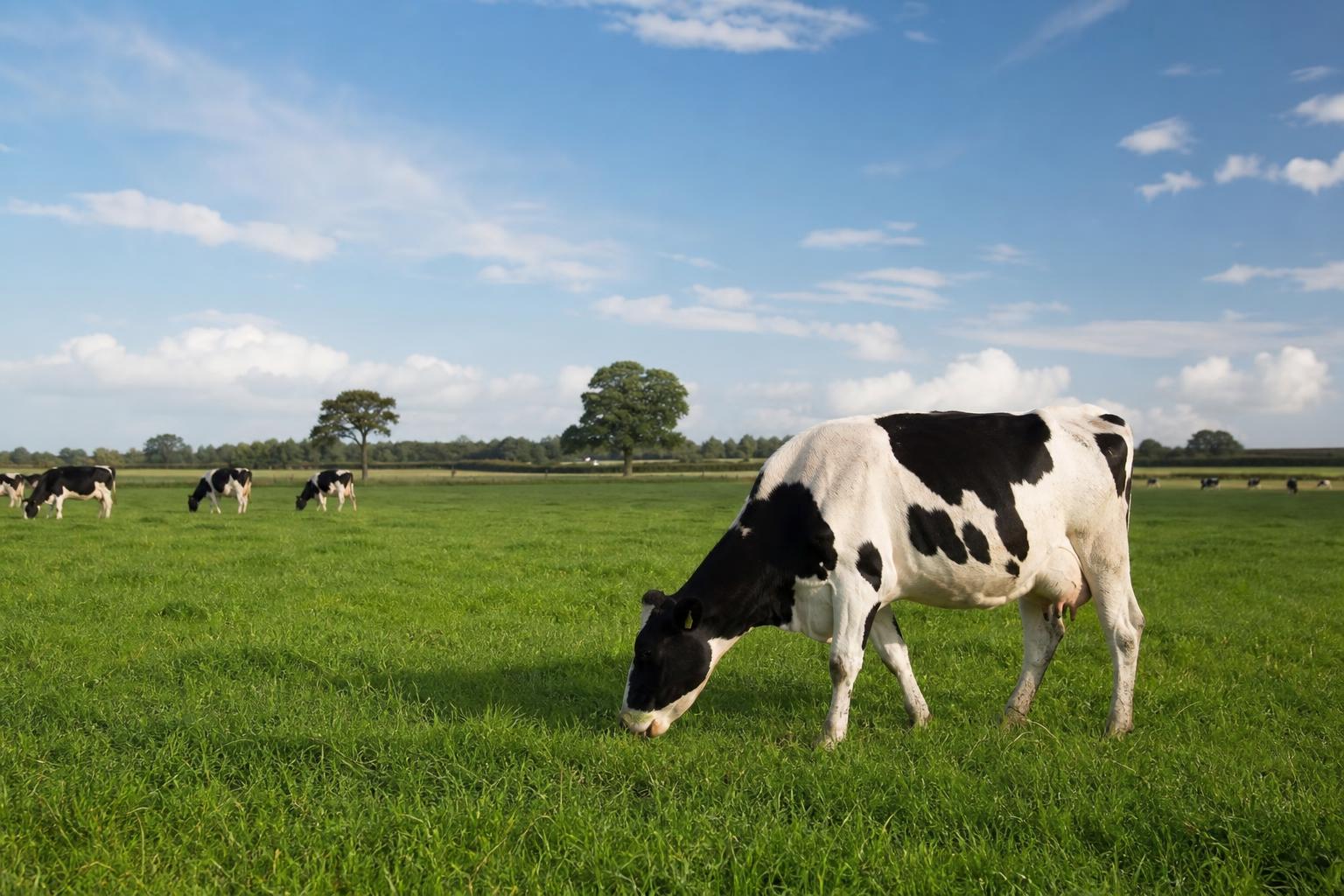
The average time a dairy calf stays with his mother.
Wikimedia Commons (CC BY-SA)
03The fact

1 day

The average time a dairy calf stays with his mother.

For you to drink her milk, her child cannot. The bond is severed within hours. Both will cry for days.

The life
She calls for him across the fence until her voice gives out.
Clarabelle · dairy cow, fourth lactation
Wild fish pulled from the ocean each year.
Ifremer / Wikimedia Commons (CC BY)
04The fact

2.7T

Wild fish pulled from the ocean each year.

We count them in tonnes because the number of individuals is too large to comprehend. The oceans are being emptied in our lifetime.

The life
There is no quiet way to suffocate.
An anonymous shoal · North Atlantic
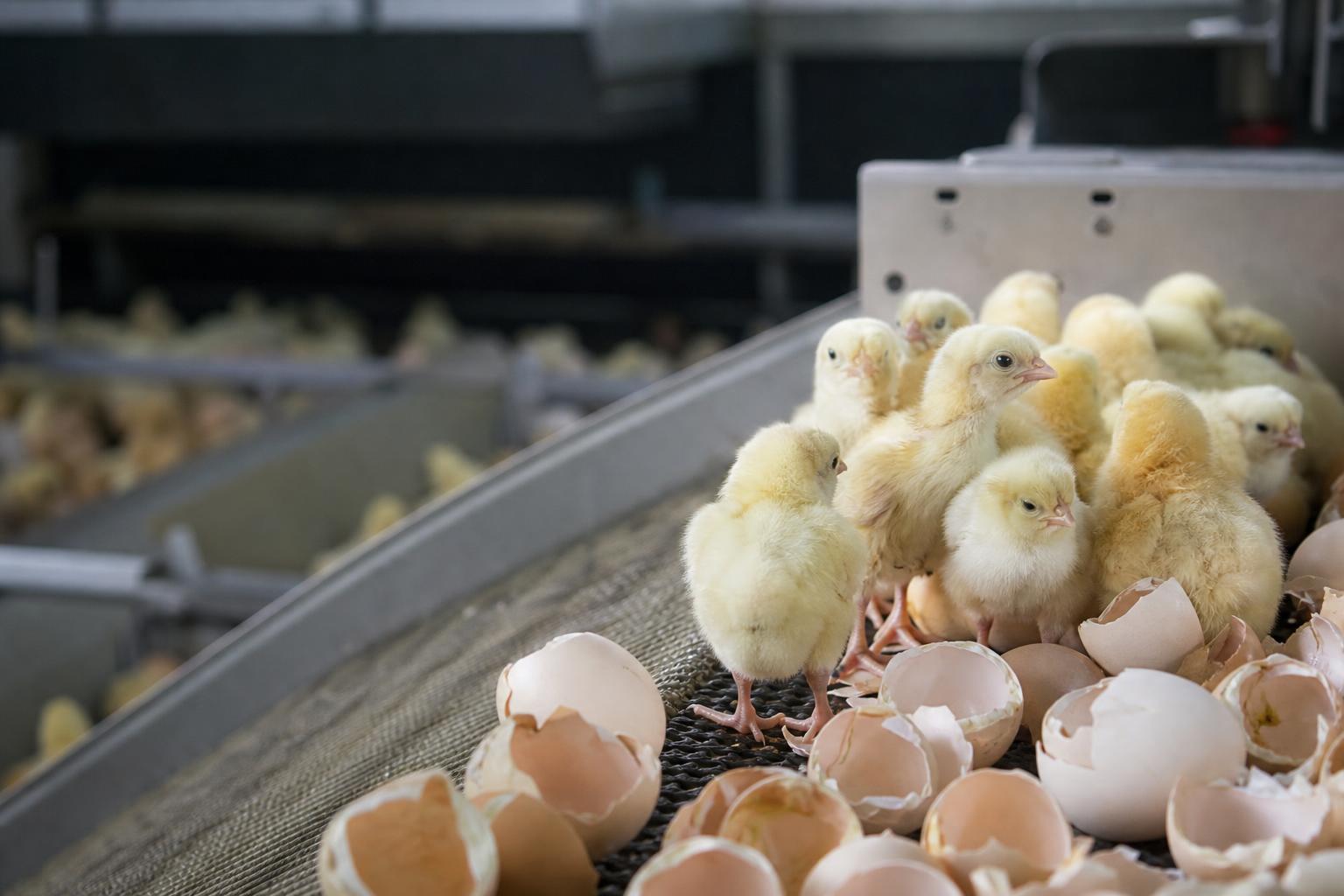
Male chicks ground up alive each year.
Andrew Skowron / Wikimedia Commons (CC BY 2.0)
05The fact

6.5B

Male chicks ground up alive each year.

They cannot lay eggs. They are the wrong breed for meat. The answer, in every country that allows it, is the same: a macerator at one day old.

The life
He is sorted on a conveyor belt at one day old.
Hatchling · day one
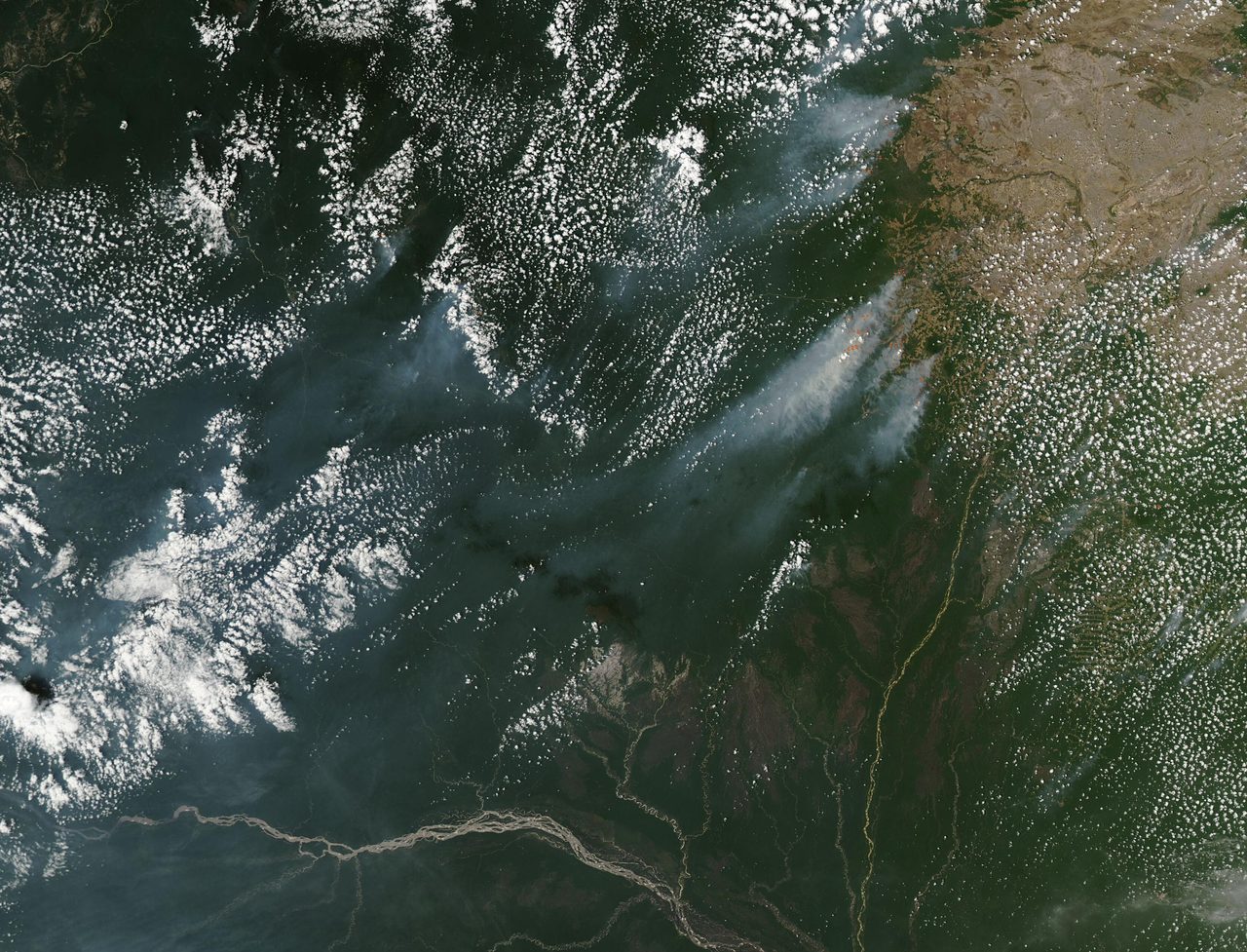
Of Amazon deforestation is driven by cattle ranching.
NASA MODIS / Wikimedia Commons (public domain)
06The fact

80%

Of Amazon deforestation is driven by cattle ranching.

The lungs of the planet are being cleared for hamburger. A football pitch of rainforest disappears every six seconds.

The life
Where a jaguar walked, a steer now stands.
The cleared land · Mato Grosso, Brazil
In their words

The case has been made before.

As long as there are slaughterhouses, there will be battlefields.
Leo Tolstoy
If slaughterhouses had glass walls, everyone would be vegetarian.
Paul McCartney
Industrial farming is one of the worst crimes in history.
Yuval Noah Harari
A statistic has a soul

Behind every number is a face that once turned toward the sun.

The choice to step back from this system is available, three times a day, at the most ordinary moment: the meal.

Inspired by The Other Side of the Plate (onefork.org).

The industries

Four industries. One pattern of extraction.

The meat industry

Behind a clean supermarket label sits the largest, most concealed system of animal suffering in human history.

  • · Born into suffering
  • · Painful, normalised procedures
  • · Environmental footprint
  • · What it does to people

The dairy industry

Milk is a mammal's milk. Producing it at industrial scale requires a system of forced reproduction and family separation.

  • · A cycle of forced motherhood
  • · Lives cut to a fifth
  • · Environmental burden
  • · Health honesty

The egg industry

Even 'free-range' and 'cage-free' eggs come from a system built on routine killing.

  • · The male chick cull
  • · Caged or crowded
  • · Spent at two

The fishing industry

The forgotten animals of the food system — and the largest source of animal death on earth.

  • · No legal protection
  • · Empty oceans
  • · Aquaculture is not the answer