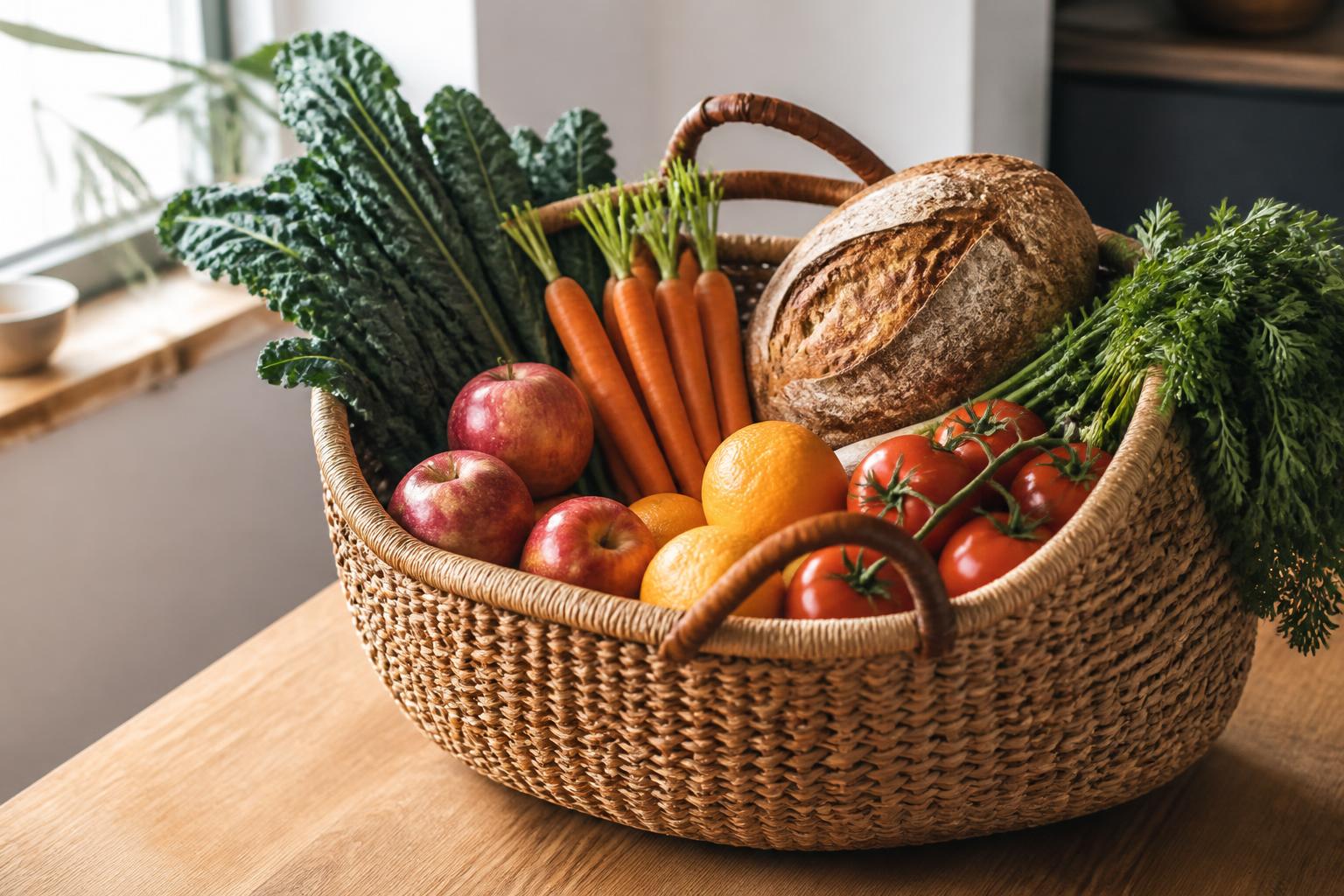
A woven basket of fresh produce, sourdough and greens on a kitchen counter
Practical

How to go vegan

Calm, gradual, and built to last.

There is no single right way to go vegan, but there are predictable mistakes. This guide assumes you have decided to try, have an ordinary kitchen and budget, and want to do it in a way that survives the first holiday, the first illness, and the first sceptical relative.

Step 1 — Decide your why

Before changing your fridge, write one sentence about why you are doing this. Animals, climate, health, religion, all of them — any honest reason works, but having it written down doubles your odds of still being vegan in a year. When you wobble, you will read this sentence, not a recipe.
Step 2 — Replace your defaults

Don't try to learn new recipes immediately. Replace each animal product in your current meals with the closest plant version: soy or oat milk for dairy milk, vegan spread for butter, lentils or beans for ground meat, tofu or tempeh for chicken in stir-fries, scrambled silken tofu or chickpea-flour omelette for eggs. Eat what you already eat, in vegan form, for two weeks. Recipes come later.

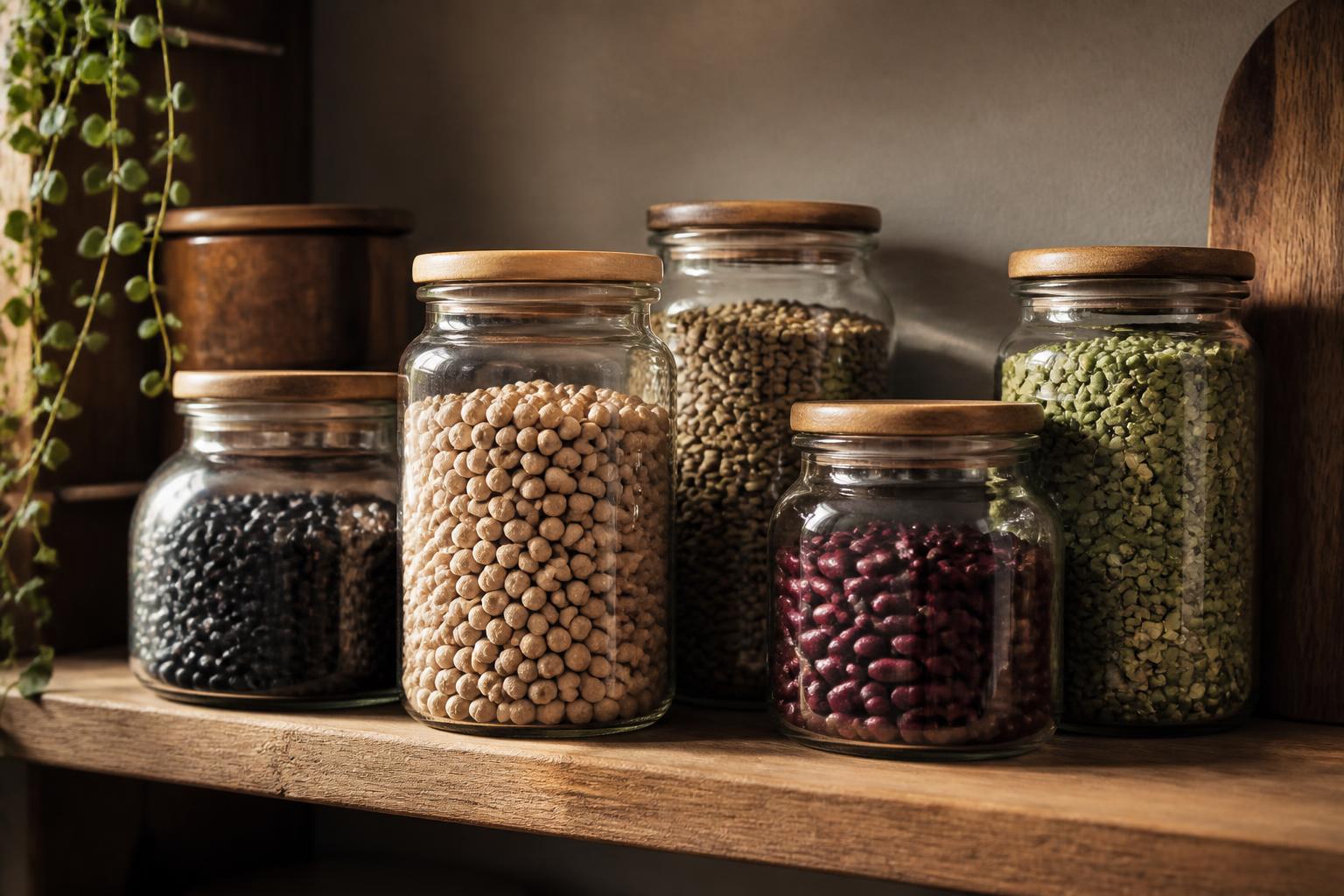
Pantry jars of lentils, chickpeas, beans and split peas
Stock the staples. The rest is just assembly.

Step 3 — Master five meals

Pick five meals you genuinely love and learn them by heart: a stew, a curry, a pasta, a grain bowl, and a breakfast. These five will carry you through 80% of the week. Worry about variety in month three, not week one.

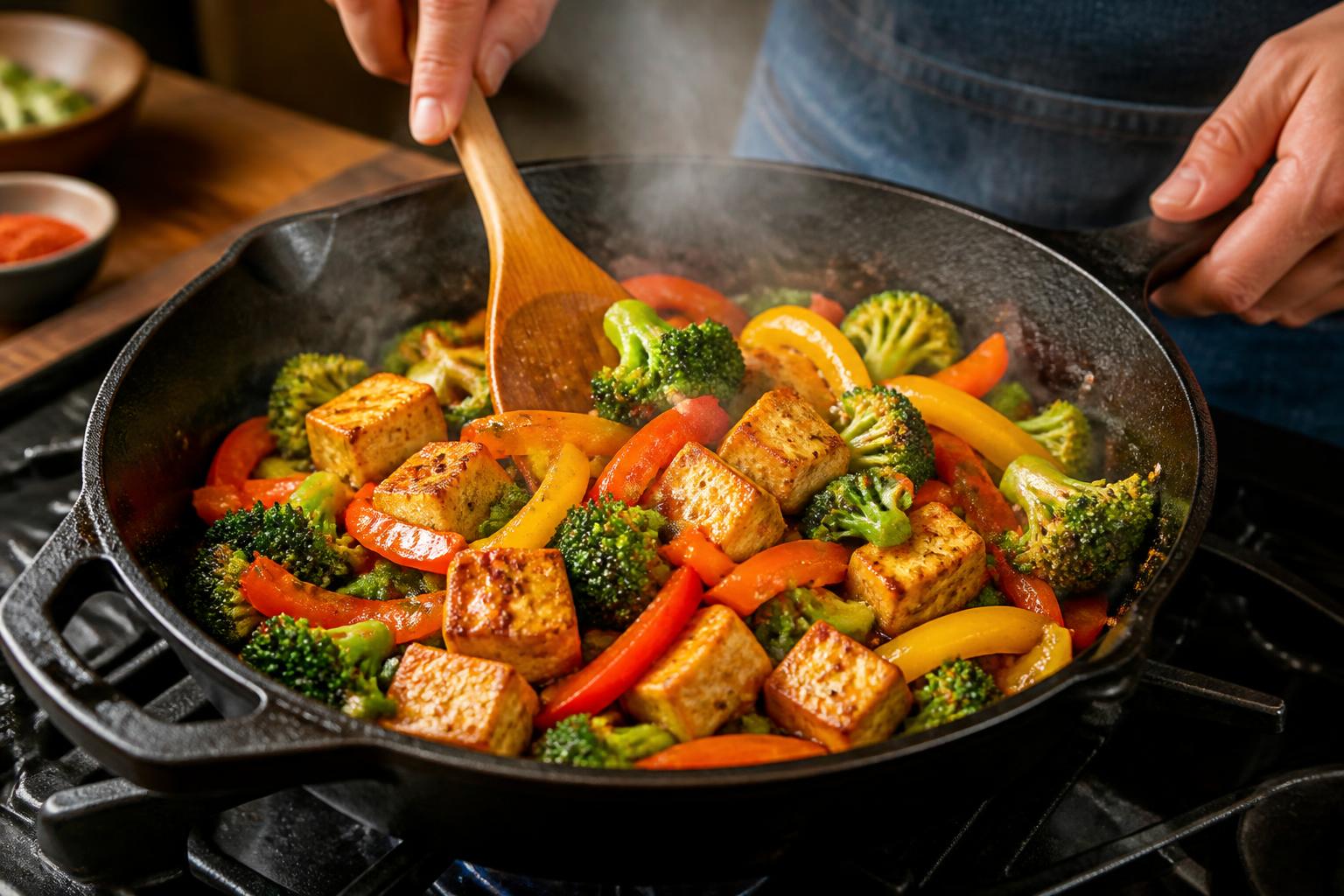
A weeknight tofu and vegetable stir-fry in a cast-iron pan
Five meals you love beats a hundred recipes you don't.

"If you eat something animal-derived by accident or by weakness, the next meal is vegan. That is the entire recovery."

Step 6

Step 4 — Cover the nutrient basics

Take a B12 supplement — 2,000 µg cyanocobalamin once weekly is cheap, safe, and sufficient. Eat a daily handful of nuts or seeds. Eat dark leafy greens most days for calcium and folate. If you avoid sun, add 1,000–2,000 IU of vitamin D in winter. Algae-based DHA/EPA (250–500 mg/day) replaces fish oil. That is the whole list.

Step 5 — Handle people

Most awkwardness comes from announcements, not from eating. Don't make a speech. When asked, say 'I'm trying it for a while.' Bring a generous dish to gatherings. Ignore the same five jokes you will hear forever. After three months, the people closest to you will simply update their model of you.

Step 6 — Recover from a slip

If you eat something animal-derived by accident or by weakness, the next meal is vegan. That is the entire recovery. People who quit veganism almost never quit because of one slip; they quit because they treat one slip as proof they 'aren't vegan enough.'

First-week shopping list

Staples

Brown rice, oats, dried lentils, tinned chickpeas, dried pasta, wholemeal bread, peanut butter.

Fresh

Onions, garlic, potatoes, carrots, cabbage or kale, tomatoes, bananas, apples, frozen mixed berries.

Plant proteins

Firm tofu, tempeh, soya mince or red lentils, hummus.

Dairy and egg replacements

Soya or oat milk, vegan spread, silken tofu (for scrambles), nutritional yeast.

Flavour

Soy sauce, miso, smoked paprika, cumin, ginger, lemons, vinegar.

What a smooth first month looks like

7 days
to reset taste buds
Salt, sugar and fat preferences shift measurably
5 meals
you cook by heart
Covers ~80% of an average week
2,000 µg
B12 weekly
Cheap, safe, sufficient — start week one
1 sentence
your written 'why'
Doubles 1-year retention in surveys

Common questions in the first month

How quickly should I switch?

Most people do best with a clean break — one shopping cycle. Gradual reduction works for some but tends to drag on for months. Pick whichever you'll actually finish.

What about cravings?

Cravings for cheese and meat are usually about fat, salt and umami, not the animal. Nutritional yeast, miso, smoked paprika, mushrooms and roasted nuts cover most of it.

Do I need protein powder?

No. Lentils, tofu, tempeh, seitan, beans, oats, peanut butter and whole grains cover protein easily on any reasonable diet.

What if I get tired?

Usually under-eating, not under-nourishing. Plant foods are less calorie-dense than meat and cheese, so you need bigger portions. Check iron and B12 if fatigue persists.

Should I tell people?

Tell the people you'll share meals with. Don't announce it on social media unless that helps your accountability. Most people find quiet works better than loud.

Use the structured plan

Our seven-day starter gives you a day-by-day meal plan, a shopping list adapted to your region, and what to do if today goes sideways.