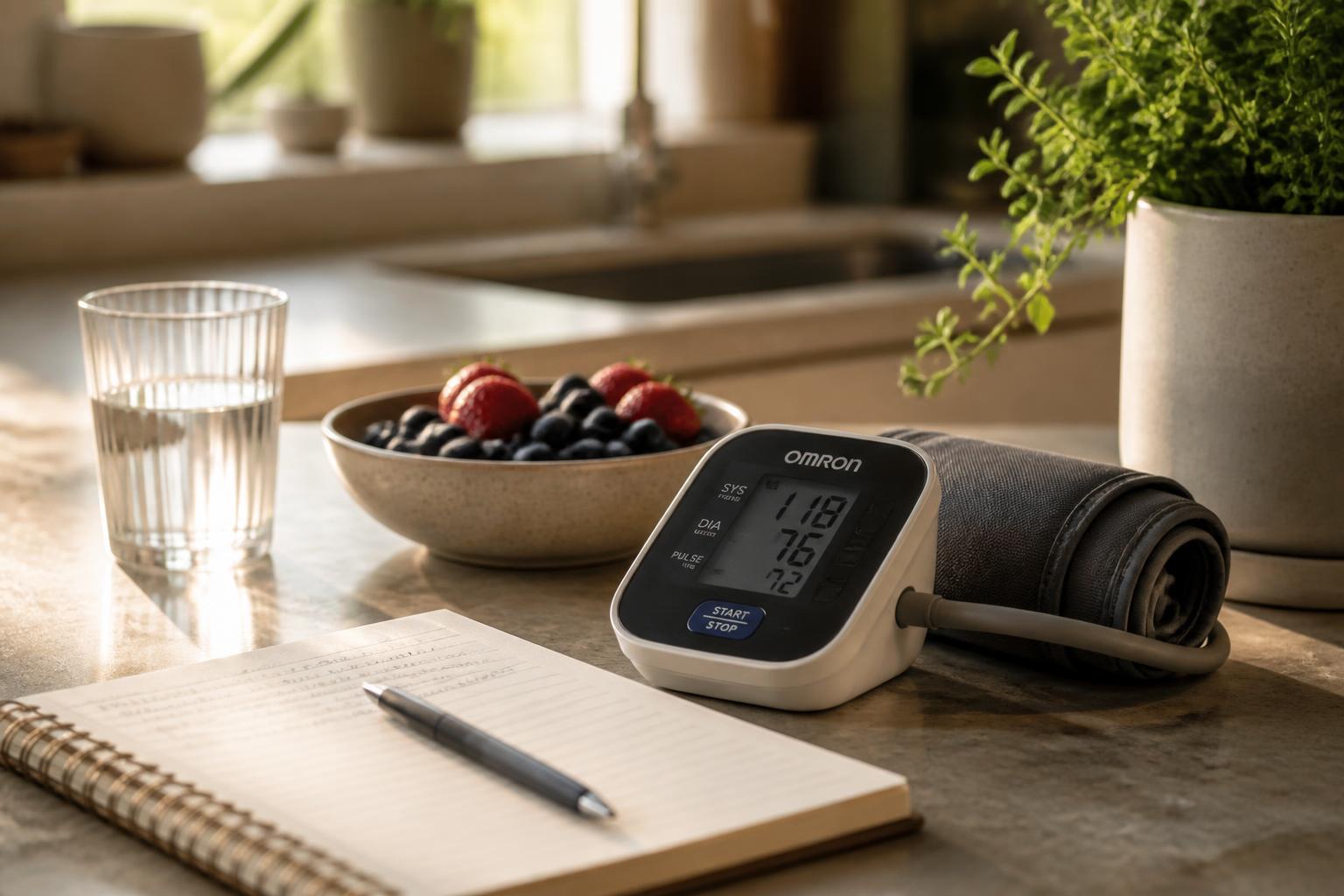
A home blood-pressure monitor with a bowl of berries and a notebook
Health

High blood pressure and plant-based diets

Lower numbers, sometimes within weeks.

High blood pressure (hypertension) is the single biggest contributor to global cardiovascular deaths and is highly diet-responsive. Plant-based diets — especially the DASH and whole-food plant-based patterns — produce reductions comparable to first-line medications in trials, with no side effects.

The numbers

A 2014 meta-analysis in JAMA Internal Medicine of 39 studies (~21,000 participants) found vegetarian diets reduce systolic blood pressure by 4.8 mmHg and diastolic by 2.2 mmHg on average — and vegan diets reduce it more. EPIC-Oxford finds vegans have the lowest average blood pressure of any dietary group. A 4–5 mmHg reduction may sound small; at the population level it cuts stroke and heart-attack risk by roughly 14% and 9% respectively.
Why it works

Plant foods are higher in potassium, magnesium, fibre, nitrates (especially leafy greens and beetroot) and polyphenols, and lower in sodium and saturated fat. The DASH diet, designed by the US National Heart Institute, is essentially a high-plant pattern that lowers blood pressure within two weeks; the whole-food plant-based version goes further.

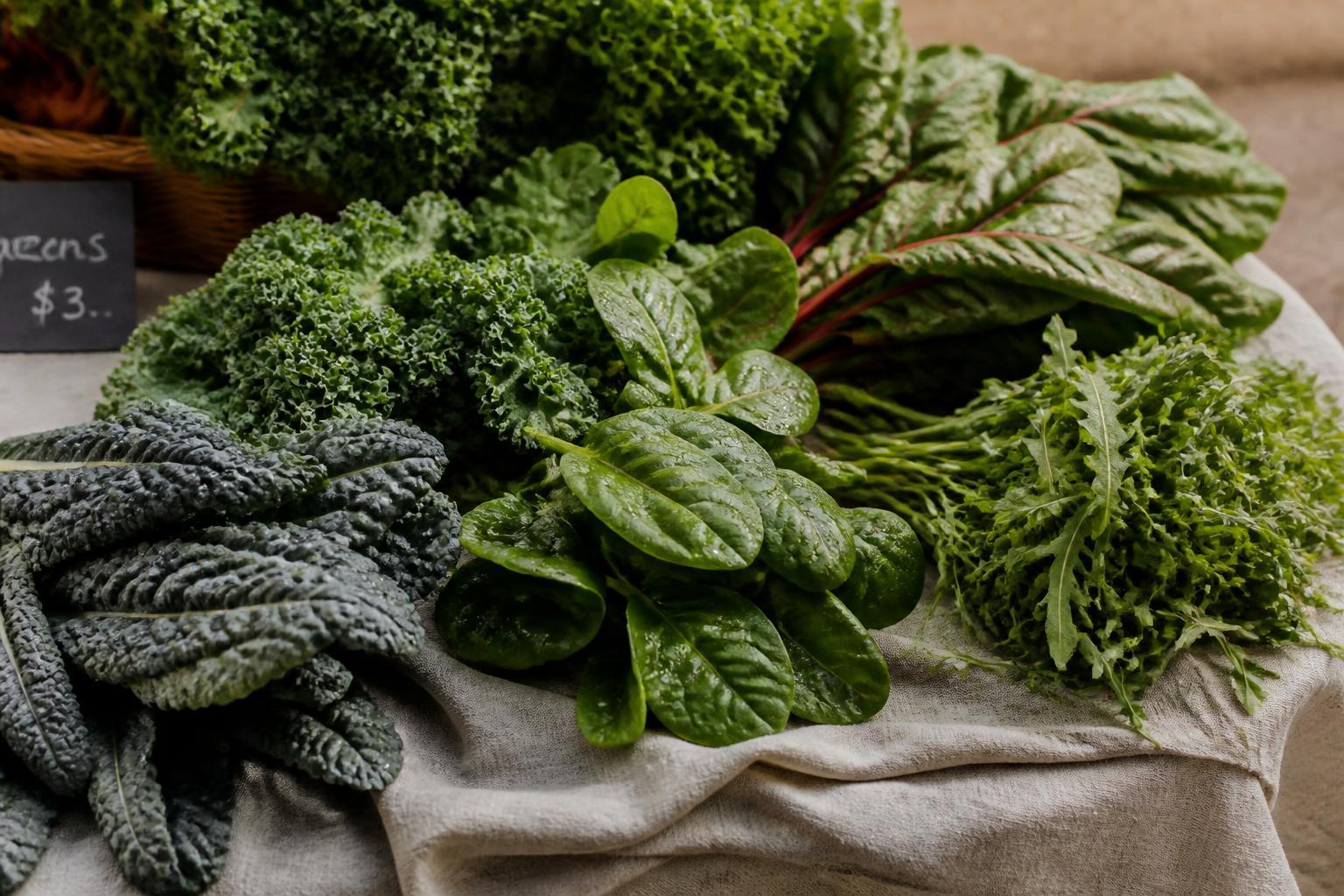
Leafy greens — kale, spinach, chard, rocket — rich in nitrates and potassium
Leafy greens and beetroot deliver the nitrates that quietly lower blood pressure.

What to eat

Build daily meals around leafy greens (kale, spinach, rocket, chard), beetroot, berries, oats, beans, lentils, whole grains, nuts (especially walnuts and almonds), pumpkin seeds. Use herbs and spices instead of salt. Garlic, hibiscus tea and beetroot juice each have small blood-pressure-lowering effects in trials.

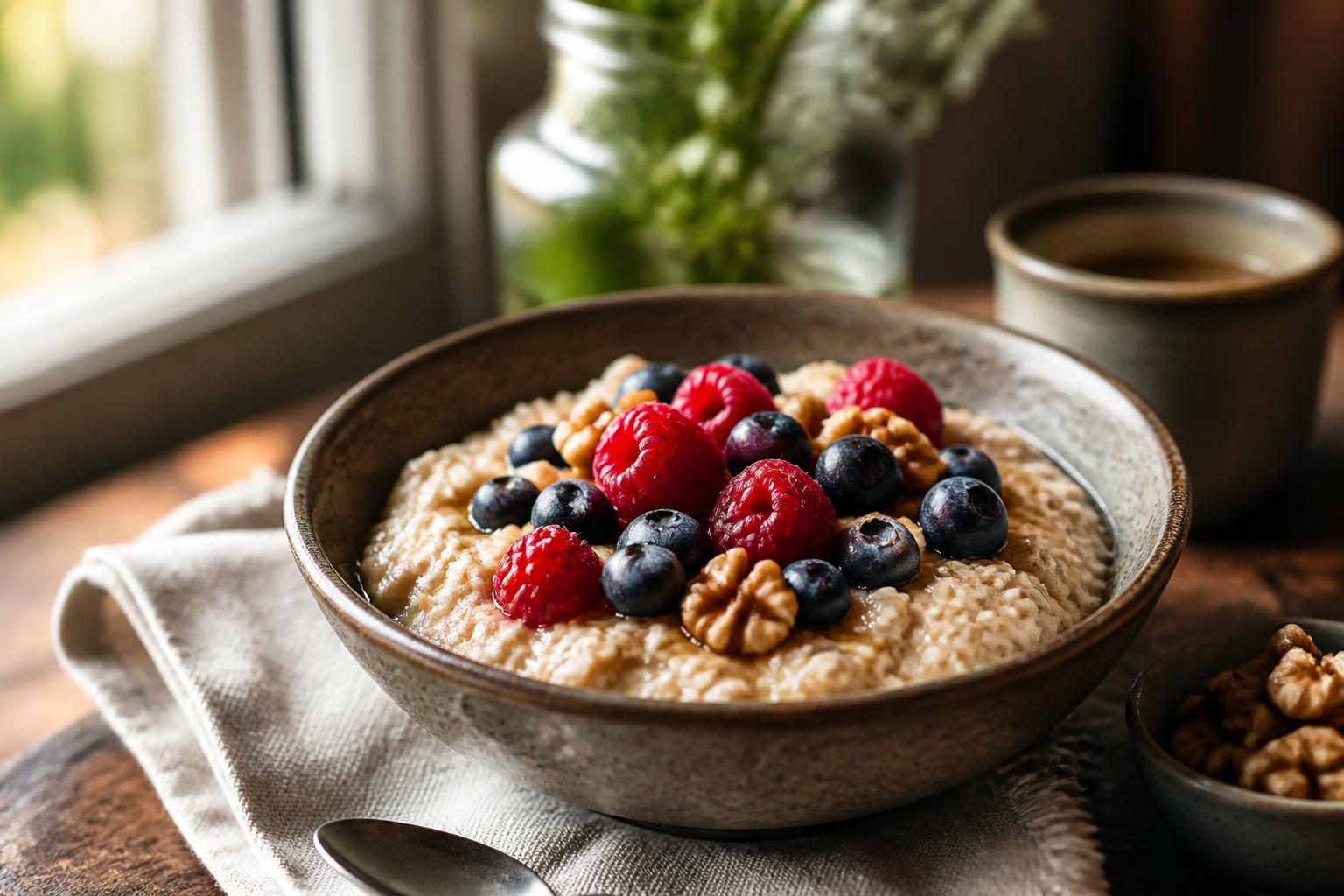
Oats with berries — a blood-pressure-friendly breakfast
Most readers see measurable change in 2–4 weeks.

"A 4–5 mmHg reduction sounds small. At the population level it cuts stroke risk by 14%."

JAMA Internal Medicine, 2014

What to limit

Salt is the dominant single factor. Most dietary salt comes from processed foods, not the salt shaker — bread, cheese, processed meat, ready meals, sauces, restaurant food. Going plant-based reduces salt almost automatically by removing processed meat and cheese, the two highest-salt food categories.

A blood-pressure-lowering day

Morning

Oats with berries, walnuts, and a banana. Black coffee or unsweetened tea.

Lunch

Big mixed-leaf salad with chickpeas, roasted beetroot, pumpkin seeds, tahini-lemon dressing.

Dinner

Lentil dahl with brown rice, sautéed spinach with garlic, side of cucumber.

Snack

A handful of unsalted almonds, an apple, or hummus with raw vegetables.

Drink

Hibiscus tea, water, green tea. Avoid sweetened drinks and limit alcohol.

Average systolic blood pressure by diet

EPIC-Oxford cross-sectional analysis. Lower is better.

Appleby et al., Public Health Nutrition 2002; updates 2013

Why diet beats willpower

−4.8 mmHg
systolic
vegetarian vs omnivore, JAMA 2014 meta-analysis
−2.2 mmHg
diastolic
same meta-analysis, 39 studies
<5 g
salt per day target
WHO; plant-based eating reduces salt automatically
2–4 wks
to measurable change
DASH and WFPB trials, consistent finding

Common questions

Can I stop my BP medication?

Only with your doctor's guidance. Plant-based diets often allow medication reduction, sometimes elimination, but stopping abruptly can be dangerous. Measure, then adjust.

How quickly will I see a change?

Most people see measurable reduction within 2–4 weeks of a fully plant-based diet, with continued improvement over 3–6 months.

What about salt?

Stay under 5 g/day. Plant-based eating reduces salt automatically by removing processed meat, cheese and most fast food, the largest salt sources.

Will potassium be a problem?

Only if you have advanced kidney disease, in which case your dietitian will guide intake. For everyone else, the more potassium from whole plants, the better for blood pressure.

A measurable change

If you have a blood-pressure cuff at home, you can watch this work. Most readers see a measurable drop in the first month.