10 Essential Questions About Animal Sanctuaries
Discover the vital role of animal sanctuaries and understand their operational costs, offering a lifeline to animals in need globally.

Animal sanctuaries are havens dedicated to providing permanent, compassionate care for animals rescued from abuse, neglect, or exploitation. Unlike animal shelters that aim for rehoming, sanctuaries offer lifelong refuge, ensuring a safe and dignified existence for their residents. These vital institutions are often the last resort for animals such as former farm animals, retired performance animals, and those confiscated from cruel conditions. Understanding what defines a sanctuary and the significant resources required to maintain one is crucial for appreciating their immense value and the commitment involved.
What is the primary mission of an animal sanctuary?
The core mission of an animal sanctuary is to provide a safe, humane, and lifelong home for animals that have nowhere else to go. This means offering them freedom from exploitation, abuse, and neglect, allowing them to live out their natural lives with dignity and respect. Sanctuaries prioritize the physical and psychological well-being of the animals above all else, ensuring they receive appropriate nutrition, veterinary care, socialisation, and enrichment suitable for their species. They serve as a crucial ethical counterpoint to industries that commodify animal lives.
How do sanctuaries differ from animal shelters?
The fundamental difference lies in their purpose and the duration of care. Animal shelters typically focus on temporary housing and rehoming animals, aiming to find them new permanent families. Sanctuaries, conversely, are designed to be permanent homes. They accept animals that are unlikely to be adopted due to age, medical conditions, species (like farm animals not suited to domestic life), or behavioural issues stemming from past trauma. A sanctuary commitment is for the animal's entire life.
Where do rescued animals typically come from?
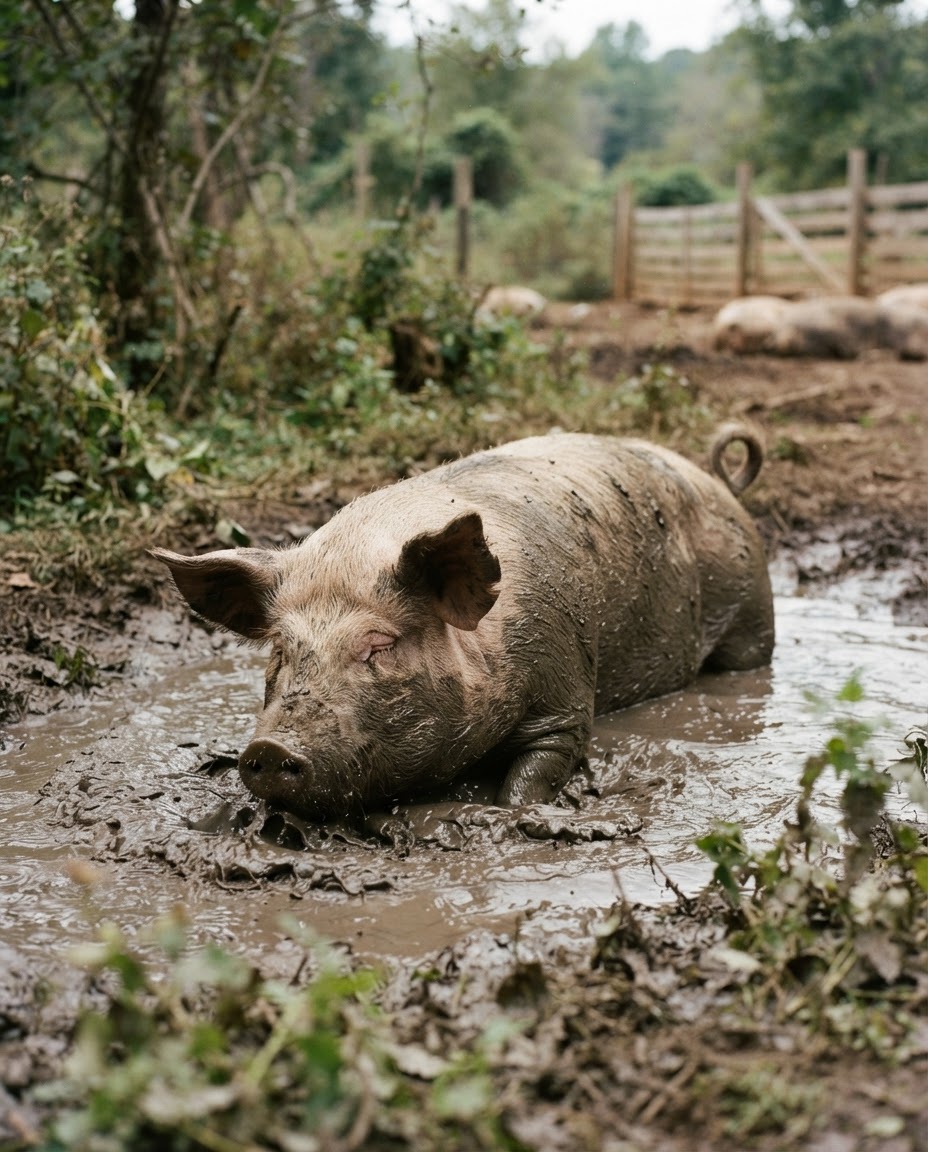
Animals arrive at sanctuaries through a variety of avenues, most commonly from situations of abuse, neglect, or abandonment. This includes animals rescued from factory farms at the end of their productive lives, from laboratories after experimentation, from the exotic pet trade, from circuses or other entertainment industries where they have been exploited, or from individuals who can no longer care for them. Many sanctuaries also collaborate with law enforcement agencies to take in animals confiscated from illegal breeding operations or hoarding situations. They are often the final destination for animals society has deemed 'unwanted' or 'unusable'.
What are the main operational costs for a sanctuary?
The operational costs for animal sanctuaries are substantial and multifaceted. The most significant expenses typically include high-quality food tailored to the dietary needs of each species, which can be a considerable ongoing cost, especially for large animals or large populations. Veterinary care, including routine check-ups, vaccinations, emergency treatments, surgeries, and specialised care for chronic conditions, represents another major expenditure. Furthermore, maintaining safe and appropriate habitats, including fencing, shelters, and enrichment activities, along with utilities, staffing (for skilled animal care), insurance, and administrative overhead, all contribute to the high cost of running a sanctuary.
Estimated Annual Cost Per Animal in Sanctuary Care
Estimates based on data from various UK-based animal sanctuaries and advocacy groups, 2023.
How are animal sanctuaries funded?
The vast majority of animal sanctuaries operate as non-profit organisations and rely heavily on public support. Funding streams typically include individual donations, grants from foundations that support animal welfare or conservation, corporate sponsorships (though these are often carefully vetted), fundraising events, and legacy gifts. Many sanctuaries also generate some income through on-site shops, educational programs, or adoption sponsorship schemes where individuals can symbolically 'adopt' an animal by contributing to its care. Volunteers also play a critical role, reducing labour costs through their dedicated work.
- Individual donations (one-off and recurring)
- Grants from charitable foundations
- Fundraising events (e.g., sponsored walks, open days)
- Corporate partnerships (carefully selected)
- Merchandise sales and visitor fees
- Animal sponsorship programs
“Every animal deserves a life free from suffering and exploitation. Sanctuaries are the embodiment of that belief.”
What are the biggest challenges facing sanctuaries?
Sanctuaries face persistent challenges, primarily financial sustainability. The constant need for donations to cover ever-increasing costs for food, veterinary care, and infrastructure maintenance can be a relentless pressure. Beyond finances, they grapple with the emotional toll on staff and volunteers who witness the suffering that led to the animals' rescue. Finding suitable land and expanding facilities to accommodate a growing number of rescues, while adhering to strict welfare standards and local regulations, is another significant hurdle. Public perception and education also remain a challenge, as many people are unaware of the plight of farmed animals or the true cost of their care.
Financial Sustainability
Ensuring a steady flow of income is paramount. Many sanctuaries operate on tight budgets, constantly seeking new donors and funding opportunities. Unexpected veterinary emergencies or a sudden influx of rescued animals can quickly strain resources, highlighting the precarious nature of their financial footing. The reliance on voluntary donations means that economic downturns or shifts in public attention can directly impact their ability to provide essential care.
Emotional and Physical Demands
The work at a sanctuary is physically demanding, involving long hours and strenuous tasks. Equally taxing is the emotional labour involved in caring for animals with histories of severe trauma, abuse, or illness. Staff members often develop deep bonds with the animals, making it emotionally difficult when an animal becomes very ill or passes away. Compassion fatigue is a recognised risk, making mental health support for sanctuary workers crucial.

Can sanctuaries take in any animal?
While the ideal is to help any animal in need, sanctuaries must make pragmatic decisions based on their resources, expertise, and infrastructure. Not all sanctuaries are equipped to care for every species. For instance, a sanctuary primarily set up for farmed animals might not have the facilities or expertise to house exotic animals or primates. They must consider the specific dietary, social, medical, and environmental needs of each species. Therefore, they often specialise or focus on particular types of animals, collaborating with other organisations when a rescue falls outside their scope.
What is the typical 'cost per animal' in a sanctuary?
The cost per animal varies dramatically based on species, age, health status, and the specific services provided by the sanctuary. Larger animals like horses or cattle generally incur higher costs due to their food and space requirements. Animals with chronic medical conditions or those requiring specialised rehabilitation will also be more expensive to care for. While a precise figure is hard to pin down universally, estimates often range from a few hundred pounds per year for smaller animals like chickens or rabbits to several thousand pounds annually for larger mammals or those with significant health needs.
Factors Influencing Sanctuary Animal Care Costs
Average cost distribution based on reports from animal welfare organisations, 2023.
How can individuals support animal sanctuaries?
There are numerous ways individuals can support animal sanctuaries. The most impactful is through financial donations, whether one-time or as a regular monthly contribution, which provides predictable income. Sponsoring an animal is another popular option, where donations are specifically allocated to the care of a particular resident. Volunteering time and skills is invaluable, reducing operational costs and providing much-needed help with daily tasks, animal care, maintenance, or administrative work. Spreading awareness through social media, sharing their stories, and educating others about the importance of sanctuaries also plays a vital role in their long-term success.
What is the ethical impact of sanctuaries?
Animal sanctuaries have a profound ethical impact by offering a tangible alternative to the exploitation of animals for human gain. They provide living proof that animals are sentient beings deserving of compassion and a life free from suffering. By rescuing animals from industries like factory farming, entertainment, and research, sanctuaries directly reduce demand for these practices and highlight their inherent cruelty. They serve as educational centres, fostering empathy and encouraging a reassessment of our relationship with other species, thereby promoting a more compassionate and just world for all.

Frequently asked questions
Are animal sanctuaries non-profit organisations?
What kind of animals are typically found in sanctuaries?
Do sanctuaries allow visitors?
How much does it cost to run a sanctuary annually?
Can I adopt an animal from a sanctuary?
What's the difference between a sanctuary and a rescue centre?
Sources & further reading
- The Guardian — The Guardian - News and analysis (theguardian.com)
- RSPCA — Royal Society for the Prevention of Cruelty to Animals (rspca.org.uk)
- World Animal Protection — World Animal Protection (worldanimalprotection.org)
- Nature Food — Nature Food - Journal (nature.com/collections/hjbajgfgjg)