5 Vegetarian Mistakes and How to Avoid Them
Going vegetarian is a powerful choice, but common pitfalls can undermine your efforts. Learn how to avoid them for true ethical consistency.
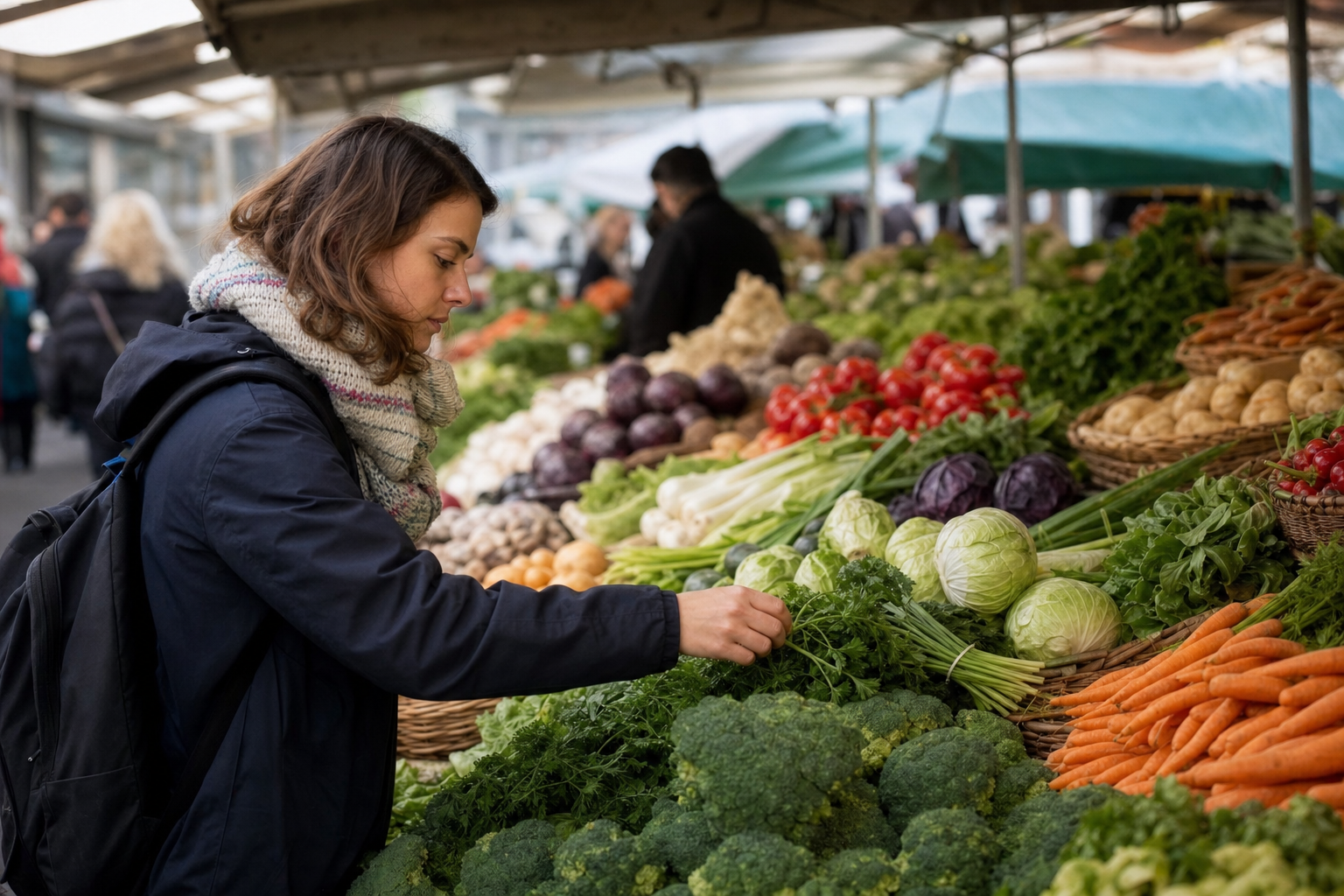
Embarking on a vegetarian diet is a significant step towards reducing animal suffering and environmental impact. However, many individuals inadvertently fall into common traps that compromise their ethical aims. This article explores five critical mistakes vegetarians often make and provides actionable strategies to avoid them, ensuring your dietary choices align with your values.
Mistake 1: Unknowingly Supporting Animal Exploitation
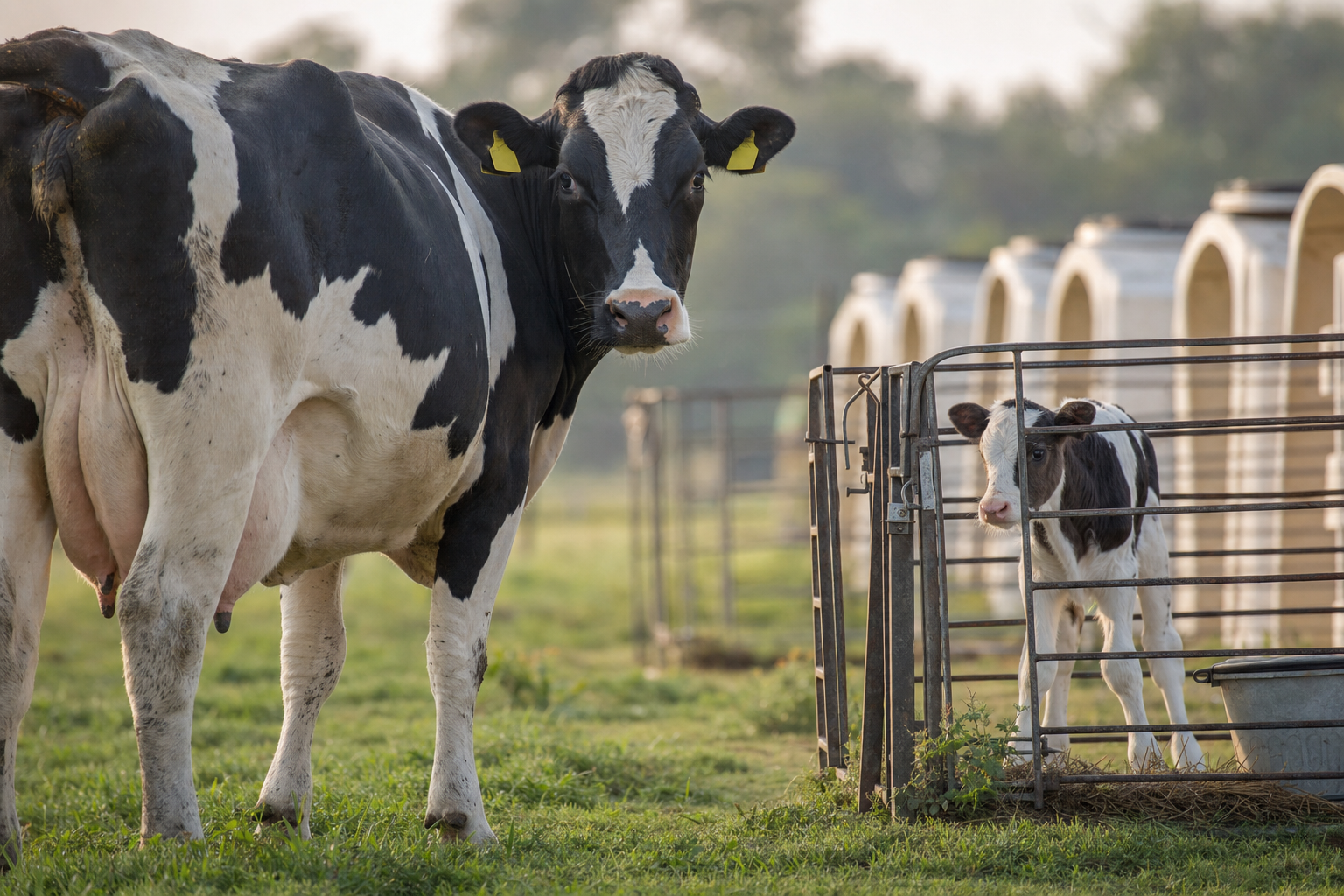
Why it happens: The most prevalent vegetarian mistake is assuming all vegetarian products are free from animal exploitation. This is far from the truth. Many seemingly innocuous items, such as certain dairy products, honey, and even some processed foods containing hidden animal derivatives (like gelatin or cochineal), contribute to industries that still involve animal suffering. For instance, the dairy industry, often seen as a benign alternative to meat, is intrinsically linked to the meat industry; male calves are typically slaughtered for veal or beef, and dairy cows are sent to slaughter once their milk production declines.
The Hidden Life of Dairy
The dairy industry's impact on animal welfare is substantial. To produce milk, cows must give birth annually. The calves are typically separated from their mothers within hours, causing distress to both. Male calves, unable to produce milk, are often raised for veal or lower-grade beef and then slaughtered. Dairy cows themselves are kept in production for an average of 4-5 years before being sent to slaughter, a fraction of their natural lifespan.
Mistake 2: Overlooking the Environmental Footprint of Certain Foods
Why it happens: While plant-based diets are generally more environmentally friendly than meat-heavy ones, not all vegetarian foods have a low impact. Certain crops, particularly those requiring extensive irrigation, monoculture farming, or long transportation distances, can strain local ecosystems and contribute to greenhouse gas emissions. For example, almonds grown in arid regions like California require significant water, and out-of-season produce flown in from distant continents carries a substantial carbon footprint.
Water Footprint of Common Foods (Liters per kg)
Data compiled from various studies, including Mekonnen & Hoekstra (2012).
Prioritising Local and Seasonal
A significant part of environmental responsibility lies in conscious consumption. This means favouring foods grown locally and in season whenever possible. Supporting regional farmers who often employ more sustainable practices can drastically reduce food miles and the associated carbon emissions from transportation and refrigeration. Engaging with local food movements and farmers' markets is an excellent way to achieve this.
Mistake 3: Neglecting Nutritional Completeness
Why it happens: A common misconception is that any diet excluding meat automatically provides all necessary nutrients. However, poorly planned vegetarian diets can lead to deficiencies in key vitamins and minerals. Iron, vitamin B12, vitamin D, calcium, iodine, and omega-3 fatty acids are particularly important to monitor. Vitamin B12, crucial for nerve function and DNA synthesis, is almost exclusively found in animal products, making supplementation or fortified foods essential for vegetarians.
- Vitamin B12: Essential for nerve function and DNA. Found in fortified foods (nutritional yeast, plant milks) and supplements.
- Iron: Crucial for oxygen transport. Found in lentils, beans, spinach, fortified cereals. Consume with Vitamin C to enhance absorption.
- Calcium: Important for bone health. Found in leafy greens, fortified plant milks, tofu set with calcium.
- Omega-3 Fatty Acids: Beneficial for heart and brain health. Found in flaxseeds, chia seeds, walnuts, and algae-based supplements.
Mistake 4: Inconsistent Ethical Application
Why it happens: For many, the motivation for vegetarianism is ethical—a desire to minimise animal suffering. However, this ethical framework is sometimes inconsistently applied. For example, some vegetarians might avoid meat but still consume products from factory farms or support industries with poor animal welfare standards, such as intensive egg production where laying hens are often kept in crowded conditions. The disconnect arises when the focus is solely on avoiding meat, rather than on the broader spectrum of animal sentience and well-being.
“True ethical consistency means extending compassion to all sentient beings, not just those on your plate.”
Beyond the Plate: A Holistic View
A truly ethical vegetarian approach considers the entire lifecycle of food and its impact on animals. This includes questioning the origins of eggs and dairy, the ethical treatment of animals in wool or leather production if these are still consumed, and the broader implications of industrial agriculture. It encourages a deeper engagement with the concept of sentience and the rights of non-human animals.
Mistake 5: Relying on Processed 'Mock' Meats
Why it happens: In an effort to replicate familiar tastes and textures, many vegetarians turn to highly processed meat alternatives. While these can be a helpful transition tool, over-reliance on them can lead to a diet high in sodium, saturated fats, and artificial additives, while often lacking in whole-food nutrients. Furthermore, the production of some of these alternatives can still have significant environmental implications.
Nutritional Comparison: Whole Foods vs. Processed Alternatives (per 100g)
Protein content comparison. Values vary significantly by product and preparation method. Source: USDA FoodData Central.
The Power of Simple Ingredients
Building a satisfying vegetarian diet doesn't require complex substitutes. Exploring the versatility of beans, pulses, whole grains, and a vast array of vegetables can lead to delicious and nutritious meals. Learning simple cooking techniques and flavour pairings can unlock a world of plant-based cuisine that is both healthy and ethical.
- Check ingredient labels for hidden animal products.
- Prioritise local and seasonal produce to reduce environmental impact.
- Supplement with Vitamin B12 and monitor other key nutrients.
- Extend ethical considerations beyond diet to all animal products.
- Focus on whole, unprocessed plant foods for optimal nutrition.
By being aware of these common pitfalls and actively adopting these strategies, vegetarians can ensure their diet is not only compassionate but also truly aligned with their ethical and environmental values, contributing positively to a more sustainable and kinder world.
Frequently asked questions
What are the main nutritional concerns for vegetarians?
How can I ensure my vegetarian food choices are environmentally friendly?
Are all vegetarian products ethically sourced?
What is the biggest mistake vegetarians make regarding animal welfare?
Is it okay to rely heavily on processed vegetarian meat substitutes?
How do I find reliable vegan or ethical certifications?
Sources & further reading
- The Vegan Society — vegansociety.com
- Mekonnen, M. M., & Hoekstra, A. Y. (2012). A Global Assessment of the Water Footprint of Farm Animal Products. — Water International
- USDA FoodData Central — fdc.nal.usda.gov
- Food Standards Agency — food.gov.uk