Afya

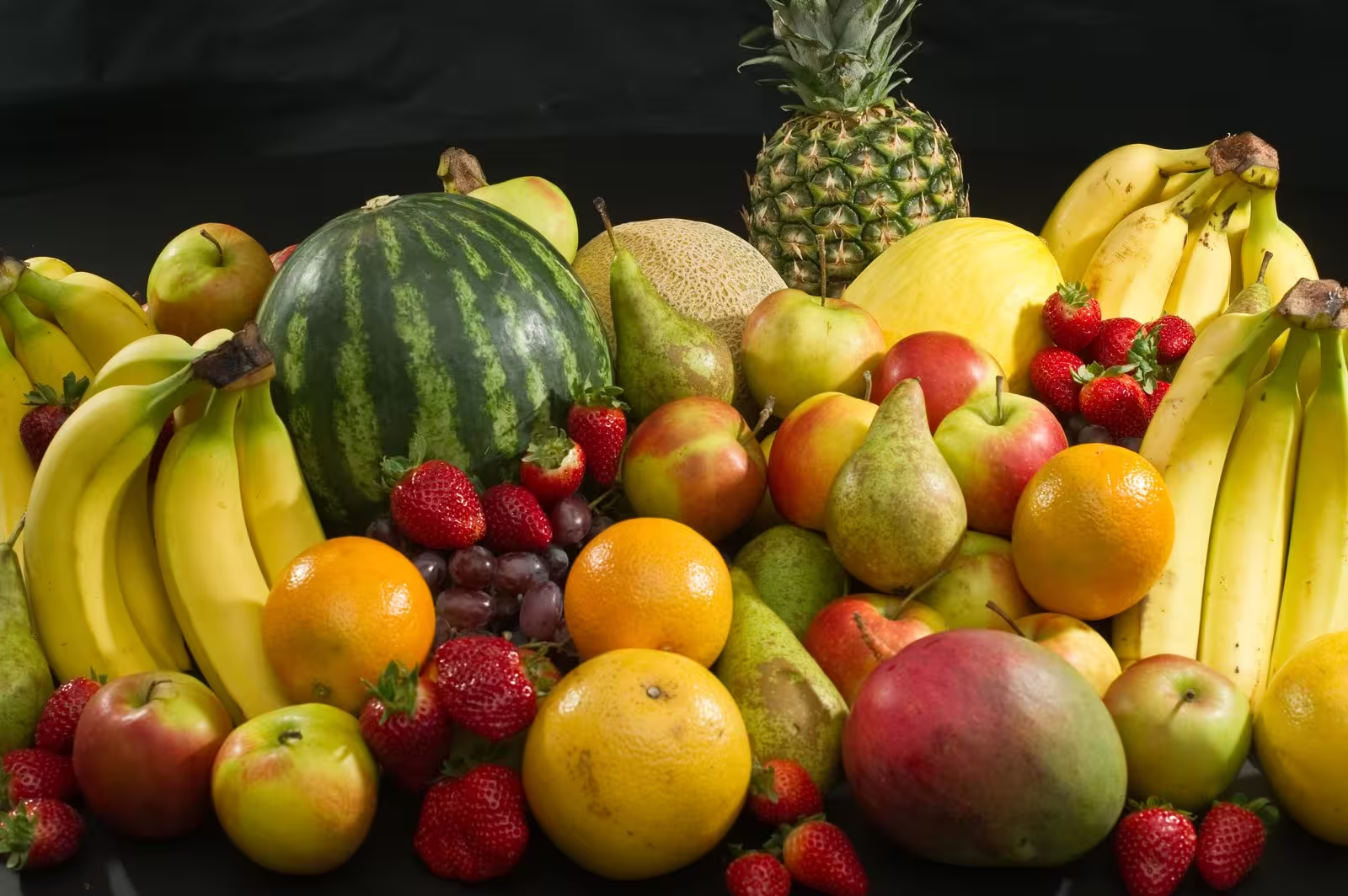
Mlo unaozingatia vyakula vya mimea ni miongoni mwa mlo uliofanyiwa utafiti bora zaidi kwa ajili ya afya.

Ushahidi kuhusu mlo wa mimea uliopangwa vyema na wa vyakula kamili ni thabiti na wa mara kwa mara: mashirika makuu ya lishe yanauelezea kuwa ni wa kiafya na wenye virutubisho vya kutosha, ukiwa na manufaa kwa afya ya moyo, uzito na kisukari cha aina ya 2.

Mlo unaozingatia vyakula vya mimea ni miongoni mwa mlo uliofanyiwa utafiti bora zaidi kwa ajili ya afya.
Photo: Bill Ebbesen / Wikimedia Commons (CC BY)
−32%
Heart disease
vs. omnivore controls
−50%
Type-2 diabetes
Qian et al., 2019 meta-analysis
−14%
All cancers
Adventist Health-2
−34%
Hypertension
Evidence varies by diet
  • Legumes
  • Whole grains
  • Vegetables
  • Fruit
  • Nuts & seeds
"Mlo wa mboga, ikiwemo vegan, uliopangwa ipasavyo ni wa kiafya, una virutubisho vya kutosha, na unaweza kutoa faida za kiafya kwa ajili ya kuzuia na kutibu magonjwa fulani. Mlo huu unafaa kwa hatua zote za maisha ya binadamu."
— Academy of Nutrition and Dietetics, karatasi ya msimamo ya 2016 (sasisho lake la 2025 linashughulikia watu wazima)
01

Magonjwa ya moyo

Katika majaribio madogo yaliyodhibitiwa, programu za maisha ya ndani zilizojengwa karibu na lishe ya mimea ya vyakula vizima zilipunguza kuziba kwa ateri ya moyo. Lishe inayotokana na mimea hupunguza cholesterol ya LDL na shinikizo la damu.

02

Kisukari aina ya 2

Katika 'Adventist Health Study-2', watu wanaokula mboga (vegans) walikuwa na viwango vya chini kabisa vya kisukari cha aina ya 2 kati ya kundi lolote la lishe. Kula kwa wingi mimea huboresha usikivu wa insulini na udhibiti wa sukari kwenye damu.

03

Hatari ya saratani

Nyama iliyosindikwa ni kansa ya Kundi 1 (WHO). Nyama nyekundu ni Kundi 2A. Lishe ya vyakula vizima vya mimea yenye nyuzi nyingi (fibre) inahusishwa na hatari ndogo ya saratani ya utumbo mkubwa; ushahidi kwa saratani nyingine ni dhaifu.

04

Maisha marefu

Katika 'Blue Zones' — jamii zilizoripotiwa kuwa na maisha marefu ya kipekee — lishe za kitamaduni zinaelezwa kuwa nyingi zinatokana na mimea, zilizojengwa kwa maharagwe, nafaka nzima na mboga.

05

Upinzani wa antimicrobial

Takriban 73% ya dawa za kukabiliana na vijidudu zinazouzwa duniani kote hutumika kwa wanyama wa shamba. Matumizi ya kawaida huzalisha bakteria sugu ambao wanaweza kuhamia kwa idadi ya watu.

06

Hatari ya janga

Takriban magonjwa matatu kati ya manne ya kuambukiza yanayojitokeza yanatoka kwa wanyama: aina mpya za homa ya ndege na nguruwe zimejitokeza kutoka kwa wanyama wa shamba, MERS kutoka kwa ngamia na SARS kupitia biashara ya wanyamapori. Ufugaji wa viwandani husongamanisha mabilioni ya wanyama wanaofanana kijenetiki.

The strongest evidence

Where the research is clearest.

Plant-based eating has been studied for several health conditions. Evidence varies by outcome and by the foods included; these are some of the better-studied areas.

Heart disease

Small trials of intensive lifestyle programmes, combining a low-fat vegetarian diet with exercise, stress management and smoking cessation, found some regression of coronary narrowing. Plant-rich diets can support heart health alongside medical care.

Type 2 diabetes

Vegetarian and vegan diets can improve blood sugar control in adults with type 2 diabetes. Trials support benefits for HbA1c and body weight; medication changes should be supervised by a clinician.

High blood pressure

Some plant-rich eating patterns lower blood pressure in clinical trials, though results vary and evidence for vegan diets alone is less certain. Limiting sodium and eating potassium-rich foods can help; treatment needs remain individual.

Certain cancers

The World Health Organization classifies processed meat as a Group 1 carcinogen (the same evidence category as tobacco, not the same size of risk). Wholegrains and dietary fibre have strong evidence for reducing colorectal cancer risk.

By the numbers

Disease risk on plant-based diets

Large cohort studies link vegetarian and plant-based diets with lower risk of heart disease, type 2 diabetes and some cancers. EPIC-Oxford also found a higher stroke risk among vegetarians. These are associations, not proof of cause.

Risk difference in large studies (%)

  • Ischaemic heart disease (vegetarians)−22%
  • Total stroke (vegetarians)+20%
  • Type 2 diabetes (highest vs lowest plant-based diet score)−23%
  • All cancers (vegans)−16%

Tong et al., BMJ 2019 (EPIC-Oxford) · Qian et al., JAMA Intern. Med. 2019 · Tantamango-Bartley et al., 2013 (AHS-2)

Watch

Forks Over Knives

The 2011 documentary follows Dr. T. Colin Campbell and Dr. Caldwell Esselstyn and explores their advocacy of whole-food, plant-based eating for chronic disease prevention and management.

Forks Over KnivesYouTube
Photo
The honest nutrient checklist

Five things to actually keep an eye on.

A well-planned plant-based diet can be nutritionally adequate. These five nutrients deserve attention, along with iodine, selenium and zinc. Use fortified foods and appropriate supplements where needed.

Vitamin B12

Use a reliable B12 supplement or sufficient fortified foods. B12 is made by microorganisms and occurs naturally in animal foods. Follow an appropriate dose schedule; weekly tablets need a different dose from daily ones.

Omega-3 (ALA → EPA/DHA)

Ground flax, chia and hemp provide ALA; the amount matters. Conversion to EPA and DHA is limited. An algae-based EPA/DHA supplement supplies these directly, without fish.

Iron

Lentils, beans, tofu, pumpkin seeds, dark greens and fortified grains all carry iron. Pair them with something containing vitamin C (citrus, peppers, tomatoes) and absorption jumps significantly.

Calcium

Fortified plant milks, tofu set with calcium, tahini, kale, bok choy, dried figs. Easy to hit daily targets once you know which foods carry it.

Vitamin D

Same advice as for everyone: if you don't get regular sunlight, supplement. This is a population-wide issue, not a vegan one.

Who actually says this

Professional guidance, in their own words.

These professional bodies provide guidance on planning vegetarian and vegan diets. Their statements differ in scope, including the ages and life stages covered.

"It is the position of the Academy of Nutrition and Dietetics that, in adults, appropriately planned vegetarian and vegan dietary patterns can be nutritionally adequate and can offer long-term health benefits such as improving several health outcomes associated with cardiometabolic diseases."

Academy of Nutrition and Dietetics (USA)

"Plant-based diets can support healthy living at every age and life stage. But as with any diet, you should plan your plant-based eating to meet your nutritional needs."

British Dietetic Association

"With good planning, a vegetarian diet can be a healthy choice that meets your growing child’s nutritional needs."

Canadian Paediatric Society
Athletes on plants

Performance, endurance, and recovery on a plant-based diet.

The idea that serious athletic performance requires animal protein is one of the more persistent myths in nutrition. The evidence from elite sport does not support it. The following examples are illustrative — not a claim that all athletes do or should eat plants, but that the 'you can't perform without animal products' assumption is false.

Scott Jurek

Ultramarathon running

One of the greatest ultramarathon runners of his generation, Jurek won the Western States 100 seven consecutive times and set a course record on the Appalachian Trail while eating fully plant-based. His case is notable not because he is an outlier but because he trained and competed at the highest level for decades on plants.

Venus Williams

Tennis

Williams adopted a vegan/raw-food diet after her 2011 diagnosis of Sjogren's syndrome, an autoimmune condition, to help manage symptoms. She has described her approach as flexible rather than strictly vegan. She later returned to the top 10 and finished 2017 ranked No. 5; her experience is a personal account, not clinical evidence.

Novak Djokovic

Tennis

Djokovic adopted a largely plant-based diet following a food intolerance diagnosis in 2010. He describes the change as a turning point in his career, associated with improved recovery times, better sleep, and fewer injuries. He holds the record for most Grand Slam singles titles.

Patrik Baboumian

Strongman

Multiple-record-holding strongman and Germany's strongest man 2011, Baboumian set a world record in yoke walking — carrying 555 kg — on a fully plant-based diet. He is frequently cited in discussions of plant-based strength sports because his discipline has historically been seen as the most protein-demanding.

Skin, inflammation, hormones

The less-discussed effects of what you eat.

The research connecting diet to skin health is earlier-stage than the cardiac or metabolic evidence, but it is consistent in direction. High-glycaemic diets and diets rich in dairy appear to be associated with higher rates of acne in multiple observational studies, plausibly through hormonal pathways — dairy contains naturally occurring growth hormones, and the glycaemic spike from processed foods raises IGF-1. A 2007 randomised controlled trial published in the American Journal of Clinical Nutrition found significant acne reduction in participants following a low-glycaemic diet.

More broadly, plant-based diets are associated with lower systemic inflammation, measured by C-reactive protein and other inflammatory markers. Chronic low-grade inflammation is implicated in a wide range of conditions — arthritis, cardiovascular disease, depression, and several cancers — meaning the anti-inflammatory effect of plant foods is one of the most plausible mechanisms behind the broader health benefits. Omega-3 fatty acids (from flaxseed, walnuts, and algae-derived supplements), polyphenols (from berries, dark greens, and legumes), and fibre all contribute to this effect.

Children and pregnancy

The question people worry most about, answered directly.

Plant-based eating during pregnancy and childhood requires careful planning, appropriate supplements, and attention to growth and nutrient intake. Professional guidance differs, and evidence on strictly vegan diets in children remains limited. A registered dietitian or qualified clinician can help families meet the needs of each life stage.

During pregnancy and childhood, vegan diets need reliable vitamin B12 supplementation and careful attention to vitamin D, iodine, calcium, iron, zinc, protein, energy, and omega-3 fats. Algae-derived supplements can provide DHA. Fortified foods and supplements should be chosen for the person's age and needs; iodised salt alone may not provide enough iodine. Seek professional advice for pregnancy and infant feeding.

Evidence on vegan children's long-term growth and development remains limited. Some studies report lower body fat or cholesterol, while others identify concerns about height, bone mineral content, or nutrient status. A 2025 ESPGHAN review found the evidence on normal growth inconclusive and recommended regular monitoring and nutritional counselling.
Maelezo kuhusu hoja ya "tulivumbua kula nyama".

Mababu zetu walikula kile kilichopatikana, na milo ilitofautiana sana — makundi fulani ya wawindaji-wakusanyaji walikula nyama nyingi, wengine kidogo sana. Tangu kilimo kianze, watu wengi katika maeneo mengi wameishi hasa kwa vyakula vikuu vya mimea — nafaka, mikunde, mizizi na mboga za majani — huku vyakula vya wanyama vikiwa nyongeza ya mara kwa mara.

Swali la kisasa si "miili yetu inaweza kuhimili nini". Bali ni "ni nini kinachosaidia miili kuishi maisha marefu na yenye afya zaidi". Utafiti mkubwa unaendelea kuashiria milo inayojengwa hasa juu ya mimea.

Animal vs. plant protein — at a glance

Per 100 g, except final rowAnimal sourcePlant source
Saturated fatBeef: 6 gLentils: 0.1 g
CholesterolEggs: 373 mgAll plants: 0 mg
FibreChicken: 0 gBlack beans: 8 g
IronBeef: 2.6 mgTofu: 5.4 mg
Antimicrobial use (sector-wide)73% sold for food animals (2019 study)No routine livestock treatment

USDA FoodData Central · Van Boeckel et al., Science 2019

Key takeaways

  • Appropriately planned vegan diets can be nutritionally adequate for adults (Academy of Nutrition and Dietetics, 2025).
  • Plant-based eating is consistently linked to lower LDL cholesterol and blood pressure.
  • Fibre — abundant in plants, absent in animal products — supports gut, heart and metabolic health.
  • B12 supplementation is essential; iodine, vitamin D and omega-3 (algae) are worth planning.

Take action — step by step

  1. 1Ask your clinician whether your symptoms or nutritional risks warrant blood tests.
  2. 2Start a weekly B12 supplement (2,000 µg cyanocobalamin).
  3. 3Add one cup of legumes a day for a week — protein plus fibre in a single move.
  4. 4Replace butter or lard with olive or rapeseed oil in cooking.
  5. 5Track energy and digestion for 30 days — seek advice if fatigue or digestive symptoms persist.

Share this page

What the peer-reviewed data actually says about plant-based diets:

Share on XShare on FacebookShare on WhatsApp

Frequently asked questions

A carefully planned vegan diet can meet needs, but children and pregnancy require particular care. Seek qualified dietary advice and plan calories, protein, iron, calcium, B12, vitamin D, iodine and omega-3.

Keep reading