Veg.ac · 33 languages

Kwa Sayari, Wanyama na Binadamu —
dhidi ya mashamba ya viwanda na ukatili.

Mpito wa kimataifa kwenda kwenye chakula cha mimea ni harakati ya haki, afya, na maisha bora ya pamoja. Kwa lugha yako, kwa jamii yako.

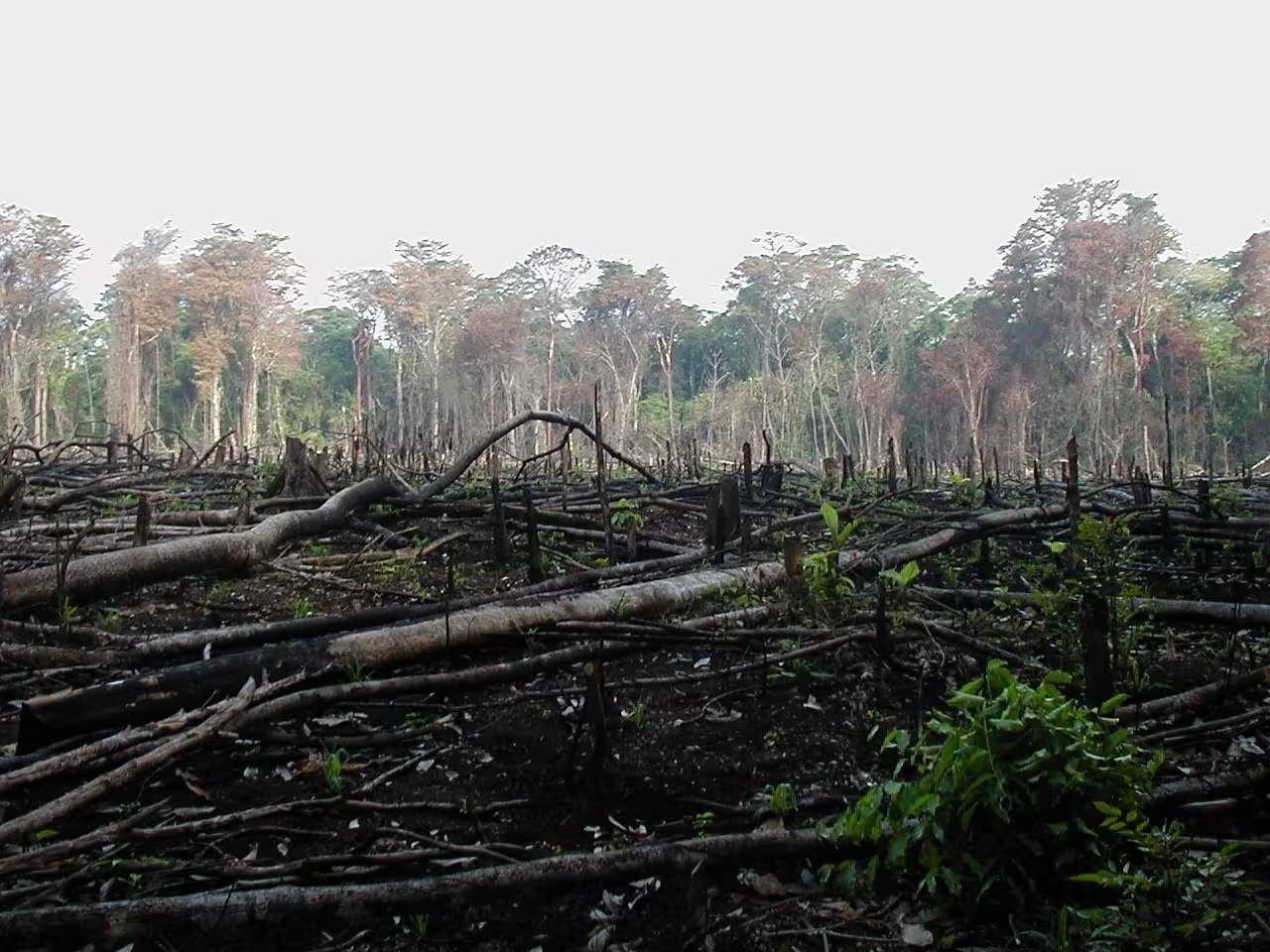
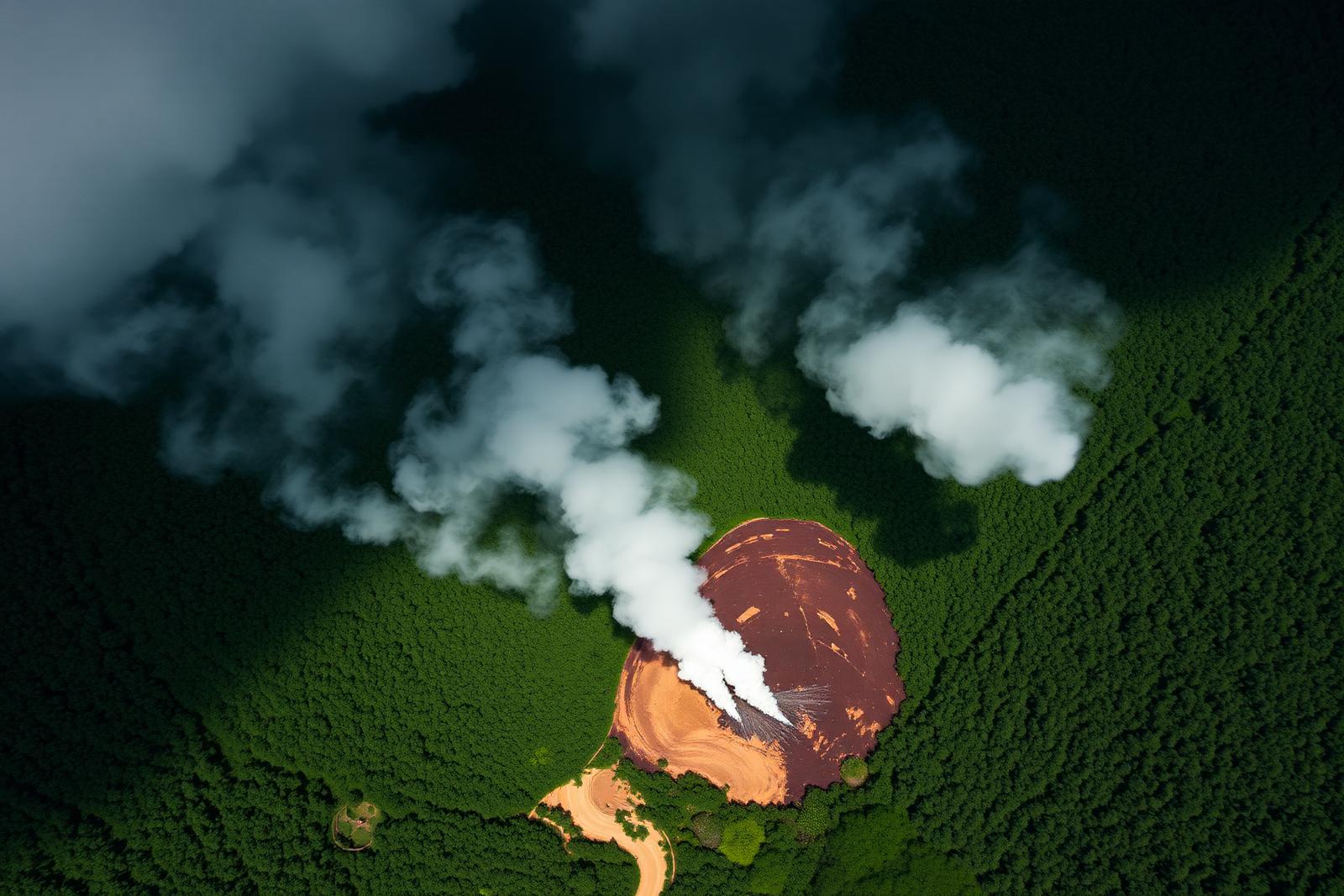
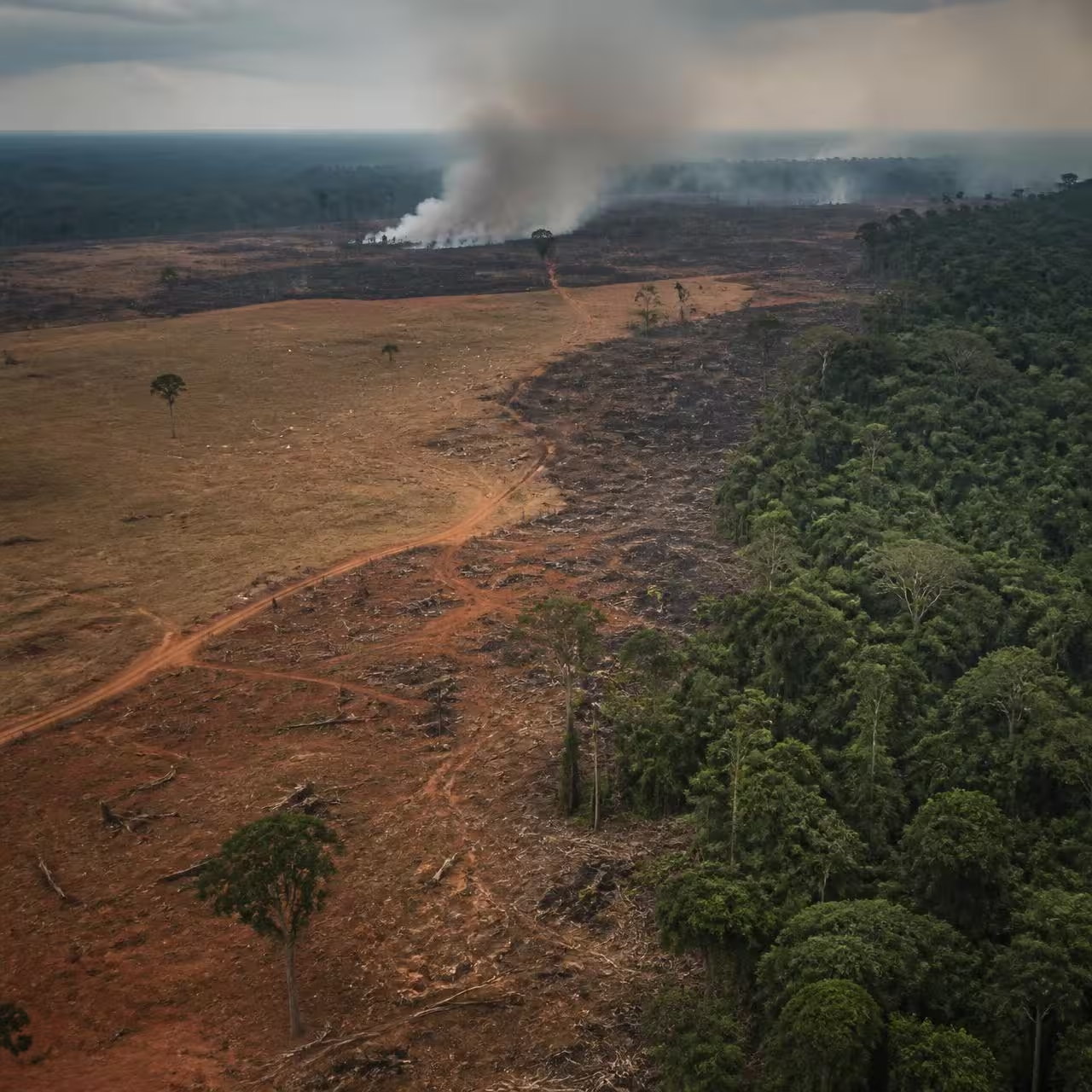
Aerial view of smoke rising over rainforest cleared for open land
PlanetAnimalsHumans
One movement, three reasons

For the Planet, the Animals, and our fellow Humans.

Three intertwined harms come from one industry. Three intertwined goods come from one daily choice.

Smoke rising from a burned Amazon forest clearing
For the Planet

A livable Earth begins on the plate.

Livestock agrifood systems account for about 12% of human-caused greenhouse emissions, according to FAO’s estimate for 2015. They also contribute to deforestation and water pollution. Eating more plants can help reduce the climate and land footprint of our food.

A mother pig nursing her piglet outside an industrial barn
For the Animals

Every life on that plate had a face.

More than eighty billion land animals are slaughtered for meat each year. Fishcount estimates 1.1–2.2 trillion wild fish were caught annually in 2000–2019, with billions more killed on farms. Many farmed animals experience painful procedures and confinement. Choosing plants is a daily act of mercy available to us.

Volunteers harvesting vegetables in a community garden
For Humans

Health, dignity, and food sovereignty.

Well-planned plant-based diets can support health, and observational studies link vegetarian diets with lower heart disease risk. Slaughterhouse workers face serious injury risks, and research raises concerns about psychological distress. Plant-based eating can also help reduce food-related environmental pressures.

Msimamo Wetu

Kitendawili cha Haki

Kilimo cha mifugo cha kiviwanda huzidi kudhuru jamii zilizotelekezwa kupitia mabadiliko ya tabianchi na upungufu wa rasilimali. Kuchagua mimea ni kitendo cha upinzani.

01.

Kwa Sayari

Kuhifadhi maji na kulinda viumbe hai vya udongo katika maeneo yaliyo hatarini zaidi kwa janga la tabianchi.

02.

Kwa Wanyama

Kumaliza mzunguko wa unyonyaji na kutambua udugu wetu na kila kiumbe hai duniani.

03.

Kwa Watu

Kulinda uhuru wa chakula na kurejesha vyakula vya jadi vya mimea kutoka kwa mifumo ya kimataifa ya chakula cha kiviwanda.

Kiwango

Idadi ni kubwa kiasi kwamba haiwezi kueleweka kwa akili.

Inasikitisha, lakini ni lazima kuangalia.

83B

Wanyama wa nchi kavu wanaouawa kila mwaka

Wengi wao hulelewa katika mifumo ya ndani; nchini Marekani zaidi ya 99% ya wanyama wanaofugwa wanaishi katika mashamba ya viwandani.

FAOSTAT, 2022; Sentience Institute

1–2.8T

Wanyama wa baharini wanaouawa kila mwaka

Wengi hawajahesabiwa hata katika takwimu za kilimo cha wanyama. Hufa wakikosa hewa kwenye sitaha, nyavu, au mizinga ya viwanda.

fishcount.org.uk

15,000 L

Maji kwa kilo 1 ya nyama ya ng'ombe

Bidhaa za wanyama huchangia karibu theluthi moja ya nyayo za maji (water footprint) ya kilimo duniani. Sehemu kubwa ya nyayo za nyama ya ng'ombe ni mvua inayonyesha kwenye malisho na mazao ya chakula cha mifugo.

Mekonnen & Hoekstra, 2012

80%

Ukataji misitu Amazon kutoka kwa ng'ombe

Ufugaji wa ng'ombe pia ndio kichocheo kikubwa zaidi cha upotevu wa misitu ya tropiki duniani kote.

Yale E360

77%

Ya ardhi ya kilimo hulisha mifugo

Lakini mifugo hutoa tu 18% ya kalori za dunia na 37% ya protini yake. Hesabu haifanyi kazi.

Poore & Nemecek

32%

Kutokana na methane inayotokana na shughuli za binadamu kutoka kwa mifugo

Methane hunasa joto mara 80× zaidi ya CO₂ kwa muda wa miaka 20, hivyo kuipunguza ni njia mojawapo ya haraka ya kupunguza ongezeko la joto la karibu.

UNEP Global Methane Assessment, 2021; IPCC AR6

73%

Kutokana na dawa za kukabiliana na vijidudu (antimicrobials) zinazouzwa hutumika kwa wanyama wa shamba

Matumizi ya kawaida katika vibanda vilivyosongamana huongeza usugu wa dawa za kukabiliana na vijidudu, jambo ambalo lilisababisha vifo vinavyokadiriwa kufikia milioni 1.27 mwaka 2019.

Van Boeckel et al., Science 2019; Murray et al., Lancet 2022

86%

Kutokana na spishi zilizo hatarini kutoweka zinatishiwa na kilimo

Kilimo — hasa ardhi inayotumika kwa mifugo na chakula cha mifugo — ndicho kichocheo kikuu cha kupotea kwa bayoanuwai (biodiversity) nchi kavu; uvuvi wa kupita kiasi ndio kichocheo kikuu baharini.

Chatham House / UNEP, 2021

1B+ t

Ya nafaka inalishwa mifugo kila mwaka

Takriban theluthi moja ya mavuno ya nafaka duniani huenda kwa chakula cha mifugo. Wakati huo huo, karibu watu milioni 730 walikabiliwa na njaa mwaka 2023.

FAO Food Outlook; SOFI 2024

75%

Ya ardhi ya kilimo inaweza kurudishwa kwa asili

Mabadiliko ya kimataifa kuelekea lishe inayotokana na mimea yangefuta eneo lenye ukubwa wa Marekani, Uchina, EU na Australia kwa pamoja — kwa ajili ya misitu, wanyamapori, na maji.

Our World in Data

8M

Maisha yanayookolewa kwa mwaka ifikapo 2050

Uundaji wa modeli ya mabadiliko ya kimataifa kuelekea lishe ya vegan ulikadiria vifo milioni nane vichache zaidi kwa mwaka ifikapo 2050.

Springmann et al., PNAS 2016

200

Wanyama wanaookolewa kwa mtu, kwa mwaka

Makadirio ya wanyama wa nchi kavu na samaki ambao lishe ya wastani ya Mmarekani hutumia kwa mwaka. Zidisha kwa jamii. Kisha kwa nchi.

Counting Animals
Wanyama

Maisha ambayo ni muhimu kuliko tunavyoambiwa.

Kutana nao →

Kuku

Kuku wengi huchinjwa kuliko wanyama wengine wote wa nchi kavu kwa pamoja.

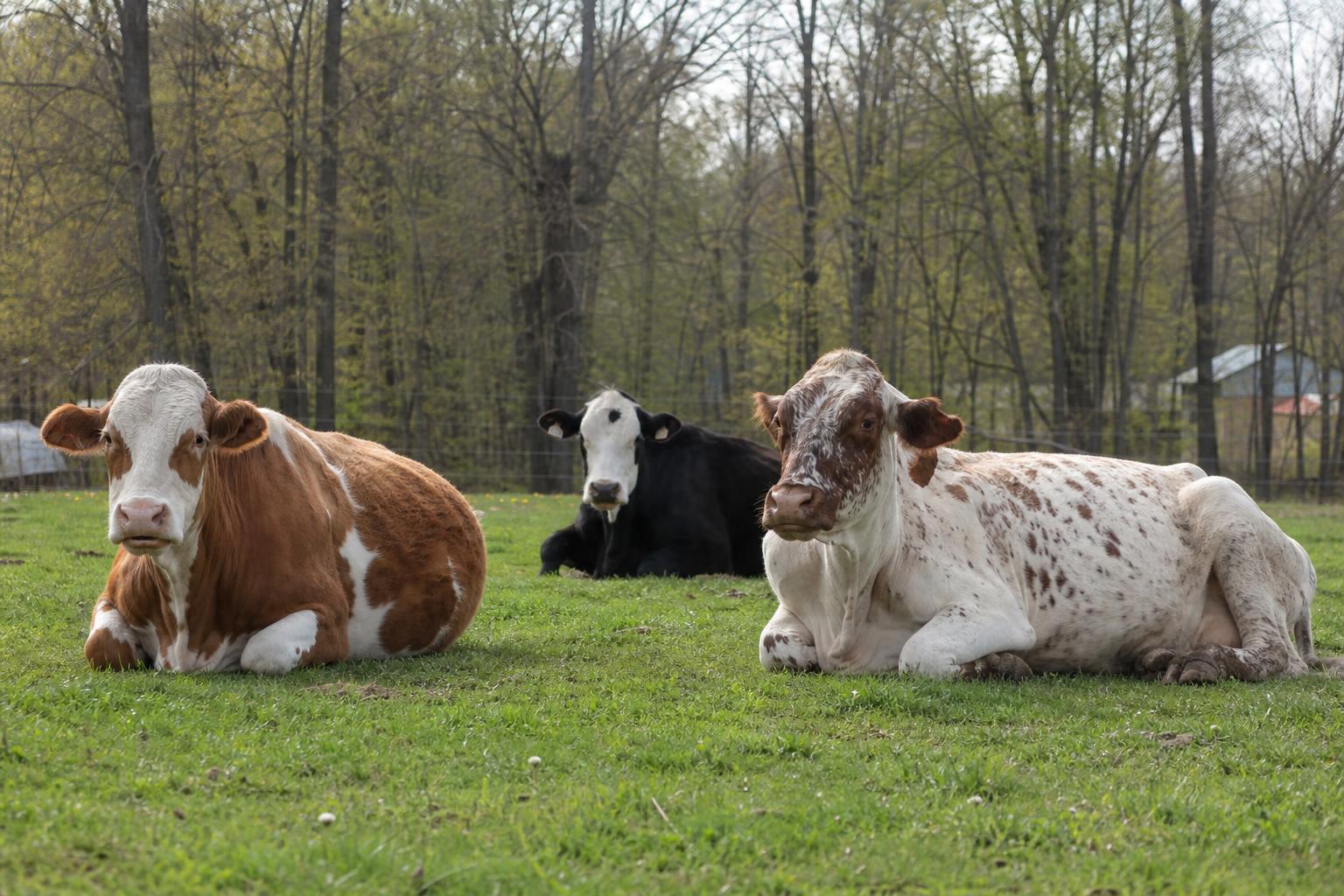
Ng'ombe

Maziwa si mbadala wa amani wa nyama — ni mama yake.

Nguruwe

Mara nyingi hulinganishwa na watoto wadogo katika majaribio ya utambuzi. Hutibiwa kama kifaa.

Samaki

Kundi kubwa, lisilohesabiwa, na lisilolindwa zaidi.

Kondoo na Mbuzi

Usafirishaji hai umejengwa kuzunguka miili yao.

Samaki wa porini

Hifadhi nyingi za samaki zinatolewa haraka kuliko zinavyoweza kupona.

Viwanda

Viwanda vinne, vikificha mashine ile ile.

Sekta ya nyama

Nyuma ya lebo safi ya duka kuu kuna mfumo mkubwa zaidi wa mateso ya wanyama uliofichwa katika historia.

Soma zaidi →

Sekta ya maziwa

Maziwa ni maziwa ya mamalia. Kuyazalisha kwa kiwanda kunahitaji uzazi wa lazima na kutenganishwa kwa familia.

Soma zaidi →

Sekta ya mayai

Hata mayai ya 'free-range' yanatoka kwenye mfumo wa mauaji ya kawaida.

Soma zaidi →

Sekta ya uvuvi

Wanyama waliosahaulika — na chanzo kikubwa zaidi cha vifo vya wanyama duniani.

Soma zaidi →
What we stand against

Against factory farms. Against cruelty by the billion.

Many farmed animals live in industrial confinement systems — cages, crates and crowded sheds. These systems can cause serious welfare problems. Livestock production also contributes to greenhouse emissions, water pollution and land-use change, while workers face occupational hazards.

We don't dress this up. We document it, we name it, and we offer a way out — one meal, one habit, one shop at a time.

See what they endure
Hens packed into battery cages
A young calf inside a transport trailer
An industrial trawler hauling a massive net
A rescued chick in human hands
Why this site exists

Most advocacy talks past the people who could actually be reached.

The loudest voices in plant-based advocacy tend to speak English, publish in Western contexts, and assume their audience already knows what tofu is. The result is content that reaches people who are already almost there — and misses the billions of people who eat largely plant-based already without calling it anything, and the millions more who would change if they encountered the case in their own language, through their own food traditions.

Veg.ac exists to close that gap. We publish the same honest, evidence-led case across dozens of languages, rooting each version in the plant traditions of the communities we're speaking to. This is not translation for translation's sake. It is the belief that where you are born and what language you speak should not determine whether you have access to clear information about food, animals, and the planet.

What we stand for

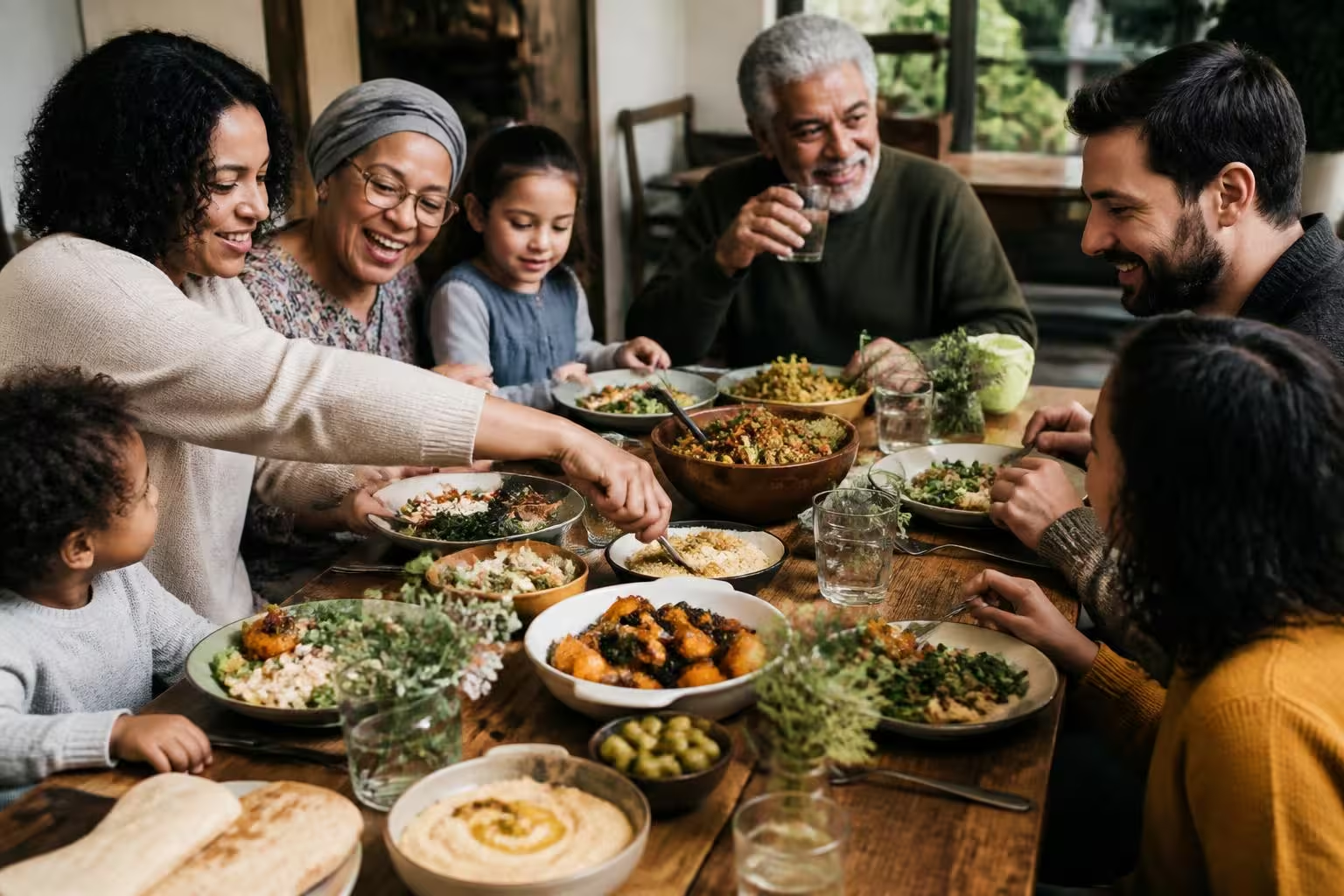
A table wide enough for everyone.

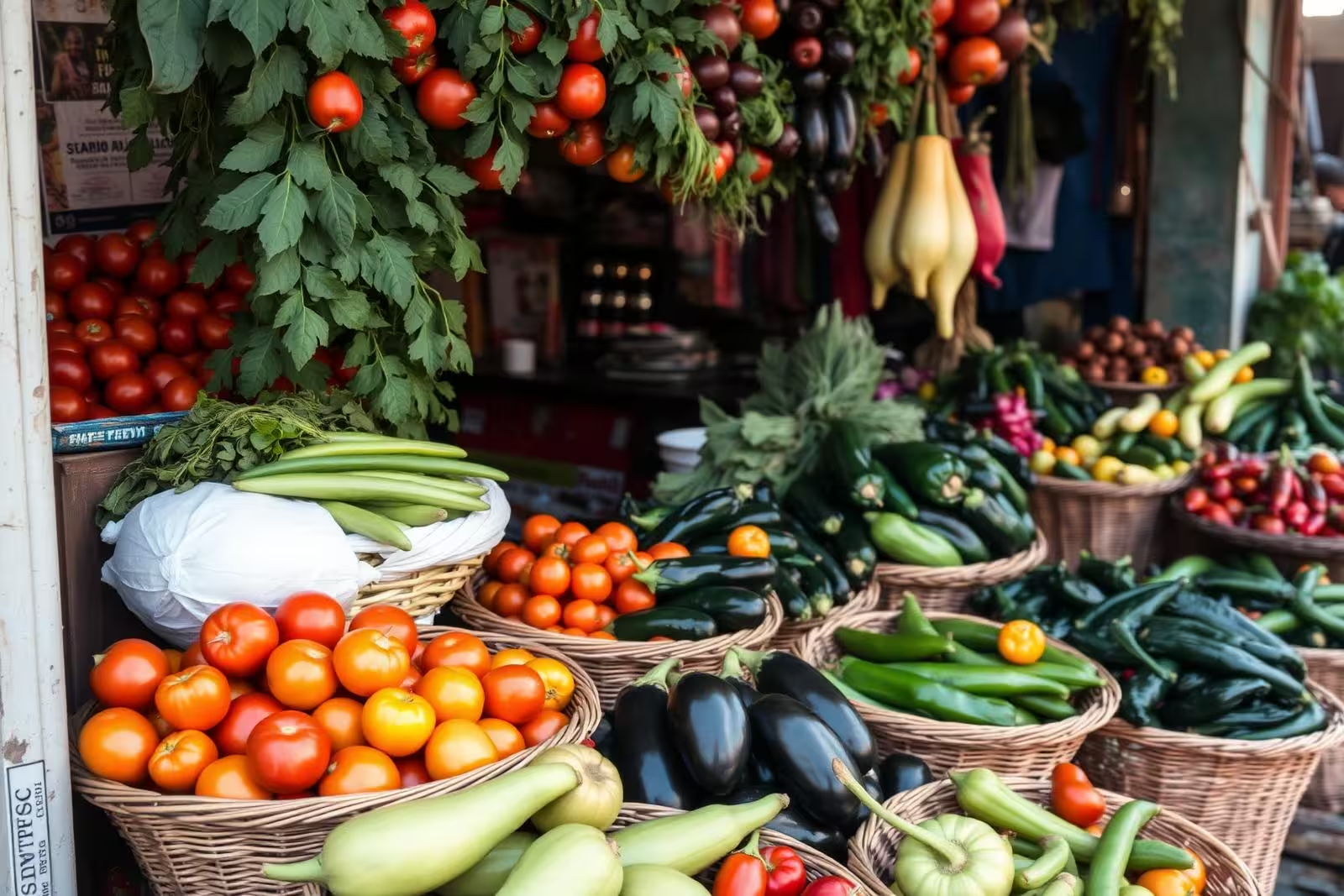
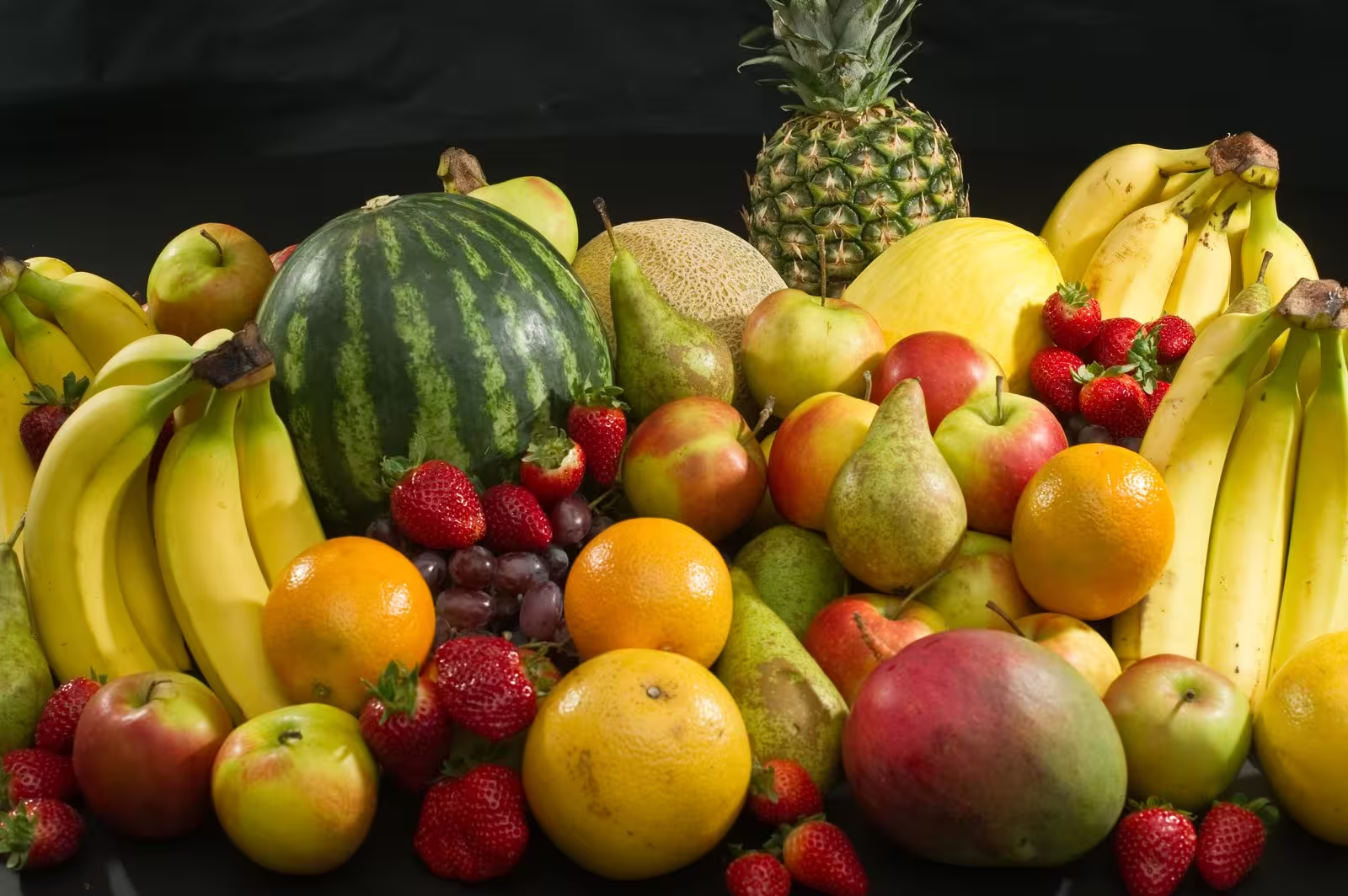
Plant-based eating isn't deprivation — it's a rich, colorful way to feed ourselves. From grain bowls in Addis to lentil stews in Lahore, abundance is already on the menu.

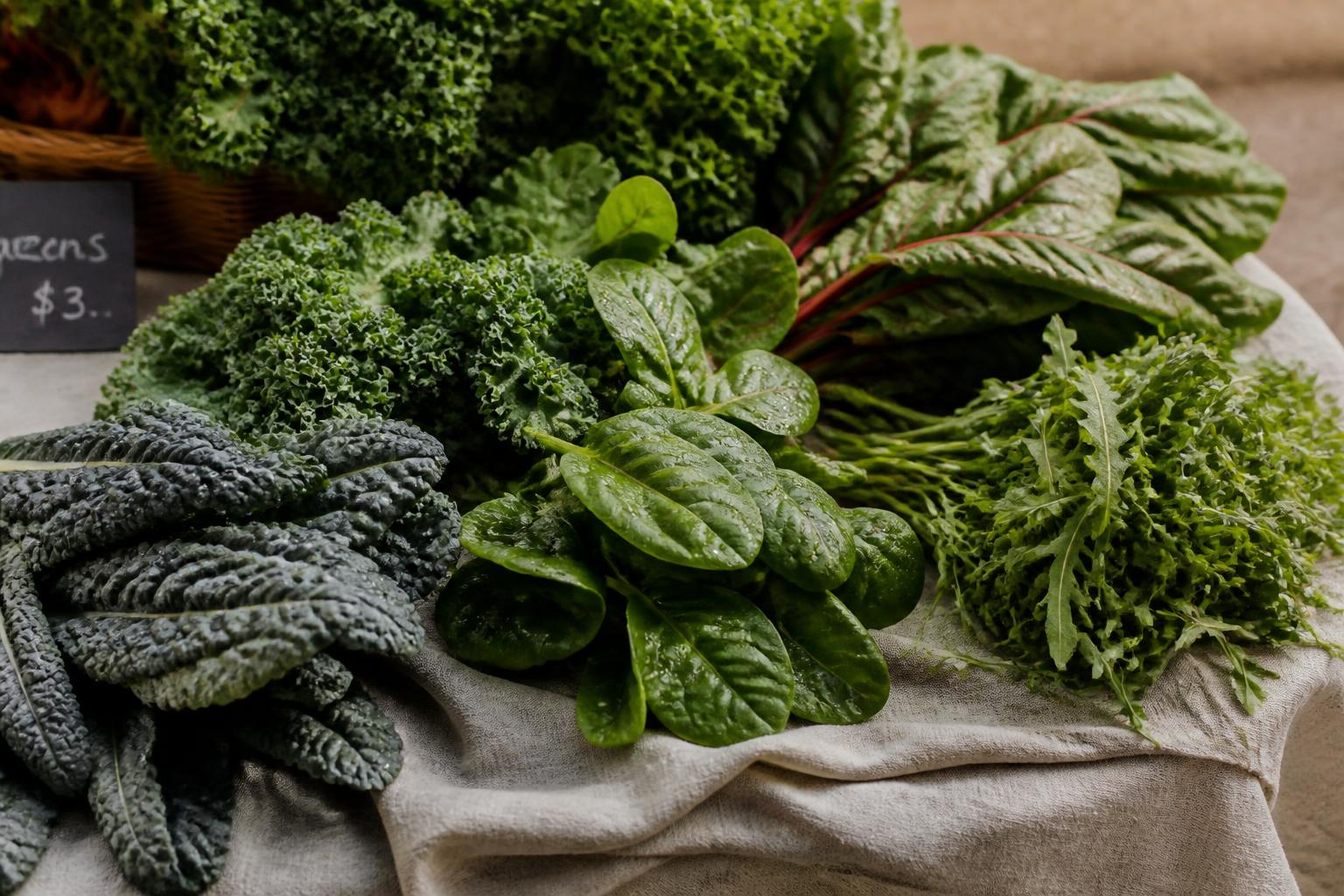
Open-air market stall overflowing with fresh produce
Glass jars filled with colorful beans, lentils, and grains
Vibrant spread of seasonal fruits
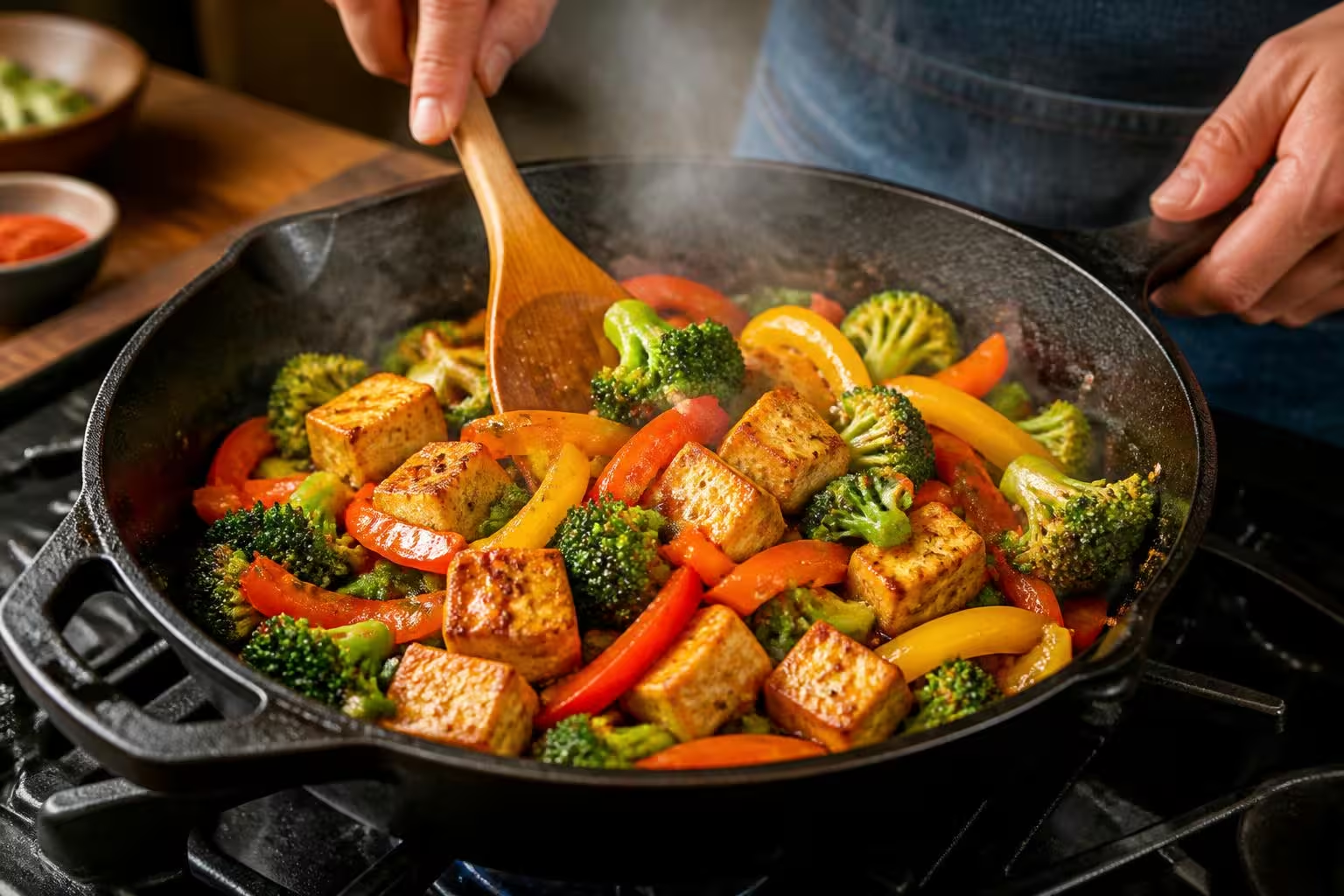
Hands tossing vegetables in a hot wok
What you will find here

A map of the site.

Msimamo wetu

Sio harakati ya kisiasa

Veg.ac si ya kushoto wala ya kulia. Hatufungamani na chama chochote, itikadi yoyote, serikali yoyote, au kampeni yoyote ya wanaharakati. Tunachochapisha kinatokana na sayansi iliyopitiwa na wenzao, data rasmi na ripoti za moja kwa moja — na uko huru kuangalia kila chanzo.

Bila upendeleo wa kisiasa

Hakuna chama, mgombea, au kambi ya kisiasa. Watu wa asili zote za kisiasa, kidini na kiutamaduni hula, na hoja ya kula vizuri ni ya wote.

Ushahidi, sio kauli mbiu

Madai yanatajwa vyanzo na tarehe. Pale ambapo ushahidi unapingana au hauna uhakika, tunasema hivyo badala ya kuuzidisha.

Mwaliko, sio kulazimisha

Hatushawishi vikwazo, hatuaibishi mtu yeyote, au kukuomba ubadilishe ulivyo. Tunaonyesha mfumo wa chakula unachofanya na kukuachia wewe uchague.

Huru

Hakuna ufadhili wa kisiasa na hakuna udhamini wa viwanda unaoathiri kinachoonekana hapa.

Common questions

The things people ask before they read anything else.

These are the questions that come up in messages, at dinner tables, and in comment sections. We have tried to answer each one the way we would answer a thoughtful friend.

Your move

For Planet, Animals, and Humans. Today, on your plate.

You don't need to be perfect. You need to begin. Pick one meal, one swap, one day this week — and let the rest follow.

Key takeaways

  • Every meal is a choice with animal, health, and climate consequences.
  • Going plant-based can cost less than a mixed diet when built around affordable staples.
  • The evidence base spans nutrition science, ethics, and environmental data.
  • Small steps compound: one weekly swap is a real, measurable change.

Take action — step by step

  1. 1Pick one meal today and make it fully plant-based — breakfast is the easiest.
  2. 2Swap one weekly grocery item (milk → oat, mince → lentils, cheese → hummus).
  3. 3Follow the 7-day starter guide for a shopping list and 21 meals.
  4. 4Share this page with one person who is curious but unsure where to begin.

Share this page

Every meal is a choice for animals, health and the planet. Start here:

Share on XShare on FacebookShare on WhatsApp

Frequently asked questions

No. Replacing animal products with plant staples can reduce demand for animal farming and lower food emissions. Start with one regular swap and build from there.

Keep reading