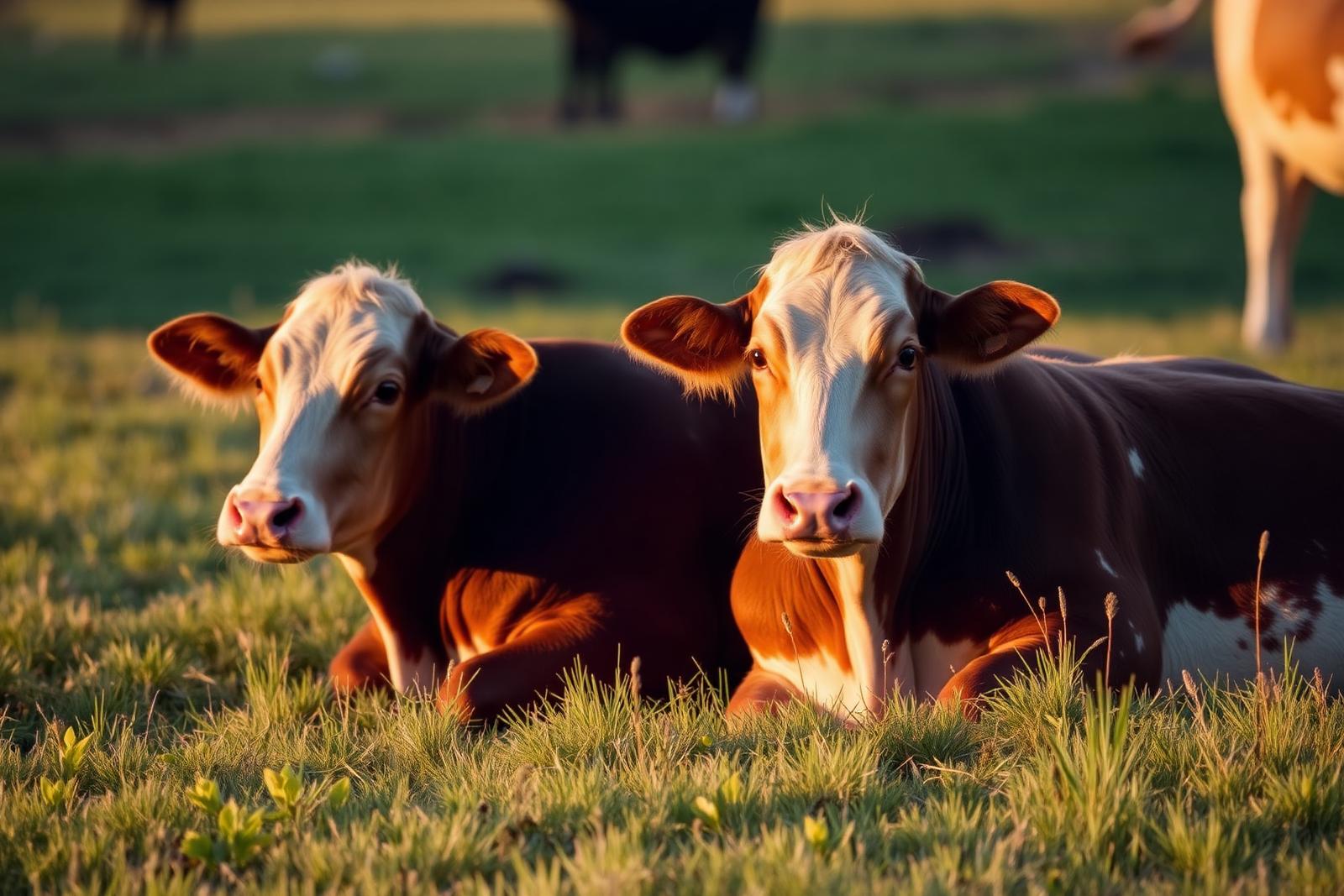
Rescued cows in a sanctuary pasture at golden hour
Vegan life

Being vegan

A practice of compassion, repeated daily.

Veganism is not a diet you tolerate; it is a way of seeing the world. Once you notice that the cow on the carton had a calf taken from her, that the egg on the plate came from a hen who lost her brothers at the hatchery, the question becomes less about food and more about consistency. This page is for people who want to live that consistency without losing joy, friends, or curiosity.

More than what is on the plate

Vegans avoid animal products in food (meat, fish, dairy, eggs, honey) but also in clothing (leather, wool, silk, down, fur), cosmetics (animal-tested or animal-derived ingredients) and entertainment (zoos, circuses, aquaria, horse and dog racing). The thread that connects them is simple: where there is a reasonable alternative, we use it rather than the animal-based version.
A philosophy, not a purity test

The original 1944 Vegan Society definition includes the phrase 'as far as is possible and practicable.' That clause matters. Sugar processed through bone char, leather seats on a second-hand bicycle, medication tested on animals because the law demanded it — none of these make you not vegan. Veganism asks for honest direction and persistence, not for impossible perfection.

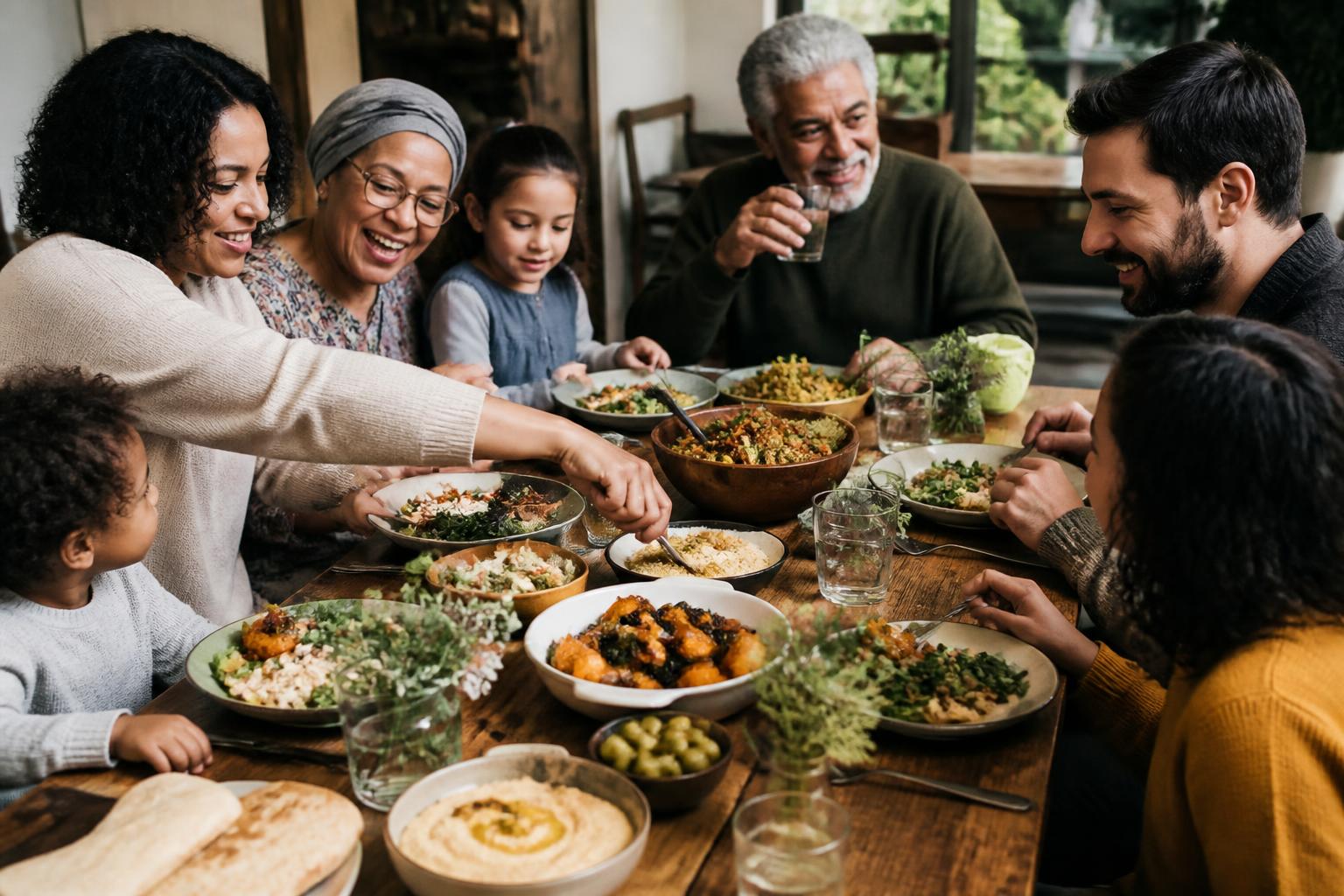
A multigenerational family sharing a plant-based meal
The hardest part is usually the dinner table, not the food.

The social part

Most new vegans report that the hardest part is not the food but the family dinner. Useful habits: tell hosts in advance, bring a generous shareable dish, ask for ingredients rather than for a special menu, and let your relatives observe rather than argue. Long-term studies of dietary change show that people change their habits when they see other people they trust doing it well — not when they are lectured.

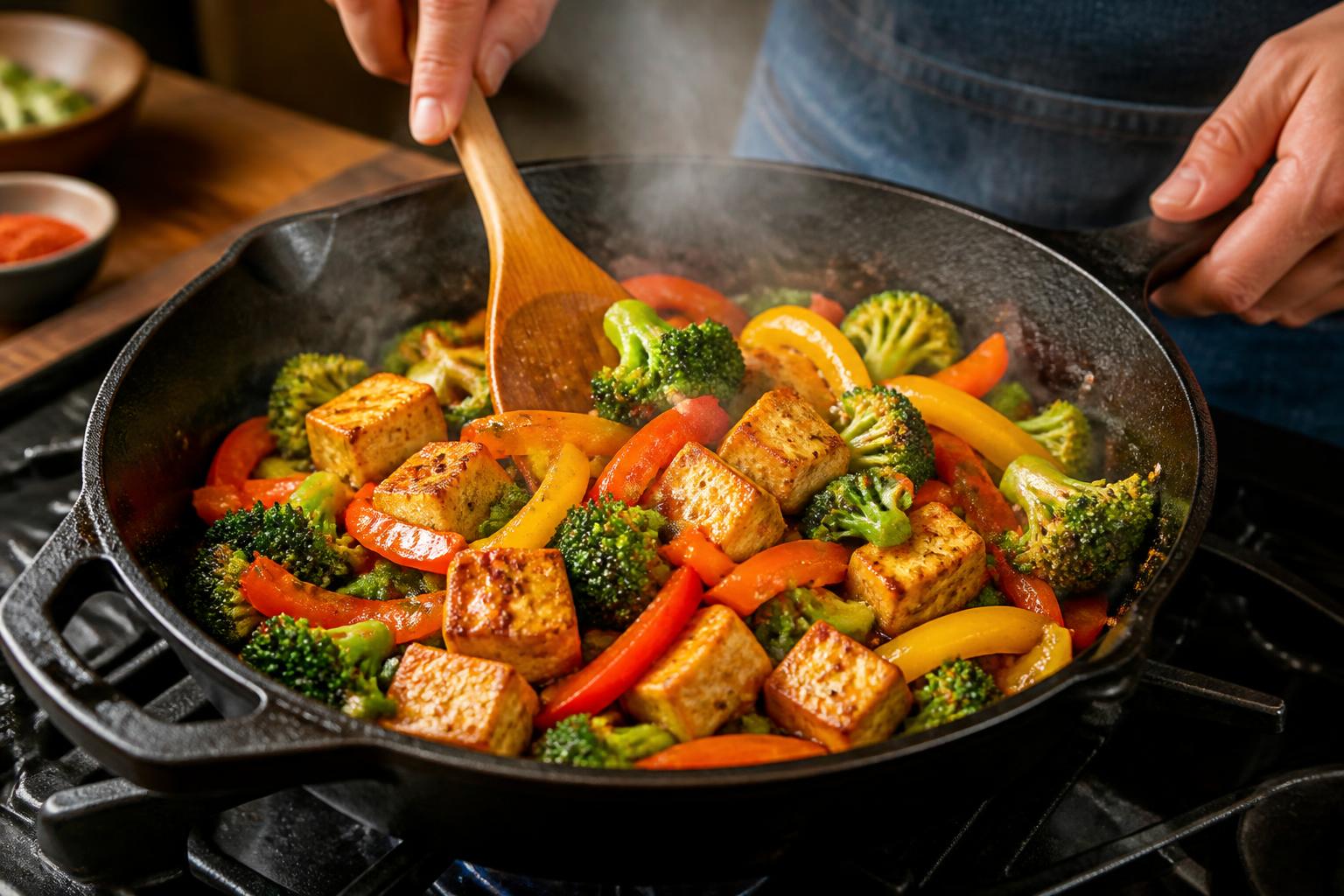
Hands cooking tofu and vegetables in a cast-iron skillet
Cooking regularly is the single strongest predictor of staying vegan.

"Veganism asks for honest direction and persistence, not for impossible perfection."

The Vegan Society, 1944

Living it long-term

Surveys consistently find that the people who stay vegan for decades share three traits: they have at least one other vegan in their life, they cook regularly, and they understand the ethical reasons as well as the dietary ones. People who go vegan for health alone have the highest reversion rate; people who go vegan for animals have the lowest.

Habits that make it sustainable

Cook in batches

A pot of beans and a tray of roasted vegetables on Sunday cover most weekday lunches. Fatigue, not principle, is what makes people quit.

Carry a snack

A small bag of nuts in your coat pocket prevents the airport-meltdown decision that ends three months of effort.

Find your three restaurants

You don't need every restaurant to be vegan. You need three near home where you know the staff and the food.

Connect with others

One vegan friend, an online group, or a local cooking class beats willpower every time.

Who stays vegan, in numbers

84%
of new vegans who quit
Faunalytics 2014 — most relapse within the first year
longer retention
for vegans motivated by animals vs. health alone
1 in 3
former vegetarians
say they'd consider returning if it felt social
5+ yrs
median tenure
for vegans with at least one vegan in their close circle

Why people stay vs. why people quit

Faunalytics longitudinal survey of 11,000 former and current vegans/vegetarians.

FactorStays vegan (top reasons)Quits within 1 year (top reasons)
MotivationAnimals / ethicsHealth alone
Social≥1 vegan friendNo vegan in close circle
CookingCooks 4+ meals/weekRelies on takeaway
Identity"I am vegan""I eat plant-based"
CravingsFound 3 swaps that satisfyMissed cheese, gave up

Source: Faunalytics 2014; Asher et al.

What changes in the first ninety days

The first month is logistics: a new shopping list, two or three new staple recipes, a B12 supplement on the kitchen counter. The second month is social: telling people, navigating the first restaurant, hosting a meal. By the third month, the food stops feeling new and starts feeling like home. Most reverters quit in week six, almost always for social reasons rather than nutritional ones — which is why building a small support network in month one matters more than perfecting a lentil dahl.

The quiet ethical scope

Beyond the obvious — meat, dairy, eggs — being vegan touches the corners of a life: the gelatin in old vitamins, the lanolin in lip balm, the down in a winter coat inherited from a parent. Most long-term vegans take a pragmatic line: replace what's actively bought, keep what already exists until it wears out, accept that the world is not yet built for this and aim for direction, not perfection.

The unexpected wins

People report things the brochures rarely mention: cheaper grocery bills once meat is out, a quieter conscience walking past a butcher window, a sharper sense of taste after two weeks without processed cheese, a new kind of friendship with the other vegans they meet. The ethical clarity is the headline; the small daily pleasures are what make it stick.

Questions people actually ask

Is veganism only about food?

No. Food is the largest and most frequent point of contact, but veganism extends to clothing, cosmetics and entertainment whenever practical alternatives exist.

Do I have to be perfect?

No. The Vegan Society definition explicitly says 'as far as is possible and practicable.' Aim for honest, durable progress.

What if my family resists?

Most do at first. Cook for them rather than arguing with them. Most resistance softens after a few good meals and a few months of seeing you healthy.

Is it expensive?

Beans, rice, oats, lentils, frozen vegetables and seasonal fruit are the cheapest foods on earth. Veganism becomes expensive only if you build it around mock meats and specialty cheeses.

More questions people ask quietly

Is it expensive?

Beans, rice, oats, frozen vegetables and seasonal produce are among the cheapest foods in any supermarket. Mock meats and artisan cheeses are pricier than the meat and cheese they replace; you don't need them. Most long-term vegans spend less on groceries than they did before.

What about my pets?

Cats are obligate carnivores and should eat meat-based food unless you work closely with a veterinary nutritionist on a tested alternative. Dogs are omnivores and can thrive on a balanced plant-based diet, but use a commercial AAFCO-certified vegan dog food rather than a home recipe.

Do I need to throw out my old leather?

No. The animal is already dead; throwing the boots away doesn't bring it back, and the landfill is worse for the planet than wearing them out. Don't buy more; use what you own until it ends.

What if I slip up?

You're still vegan. Eat plants at the next meal. The people who quit usually do so right after a slip because they decide they've 'failed' — the slip itself is harmless; the all-or-nothing reaction is what does the damage.

Ready to begin?

If this resonates, the seven-day starter walks you through your first week, meal by meal, with a regional grocery list.