What the WHO classification actually says
In 2015 the WHO's International Agency for Research on Cancer classified processed meat as Group 1 — carcinogenic to humans, the same category as tobacco and asbestos. The classification reflects the strength of evidence, not the magnitude of risk: each 50g of processed meat per day raises colorectal cancer risk by 18%. Red meat is Group 2A, probably carcinogenic. Dairy is associated with increased prostate cancer risk in multiple meta-analyses.
The plant compounds doing the work
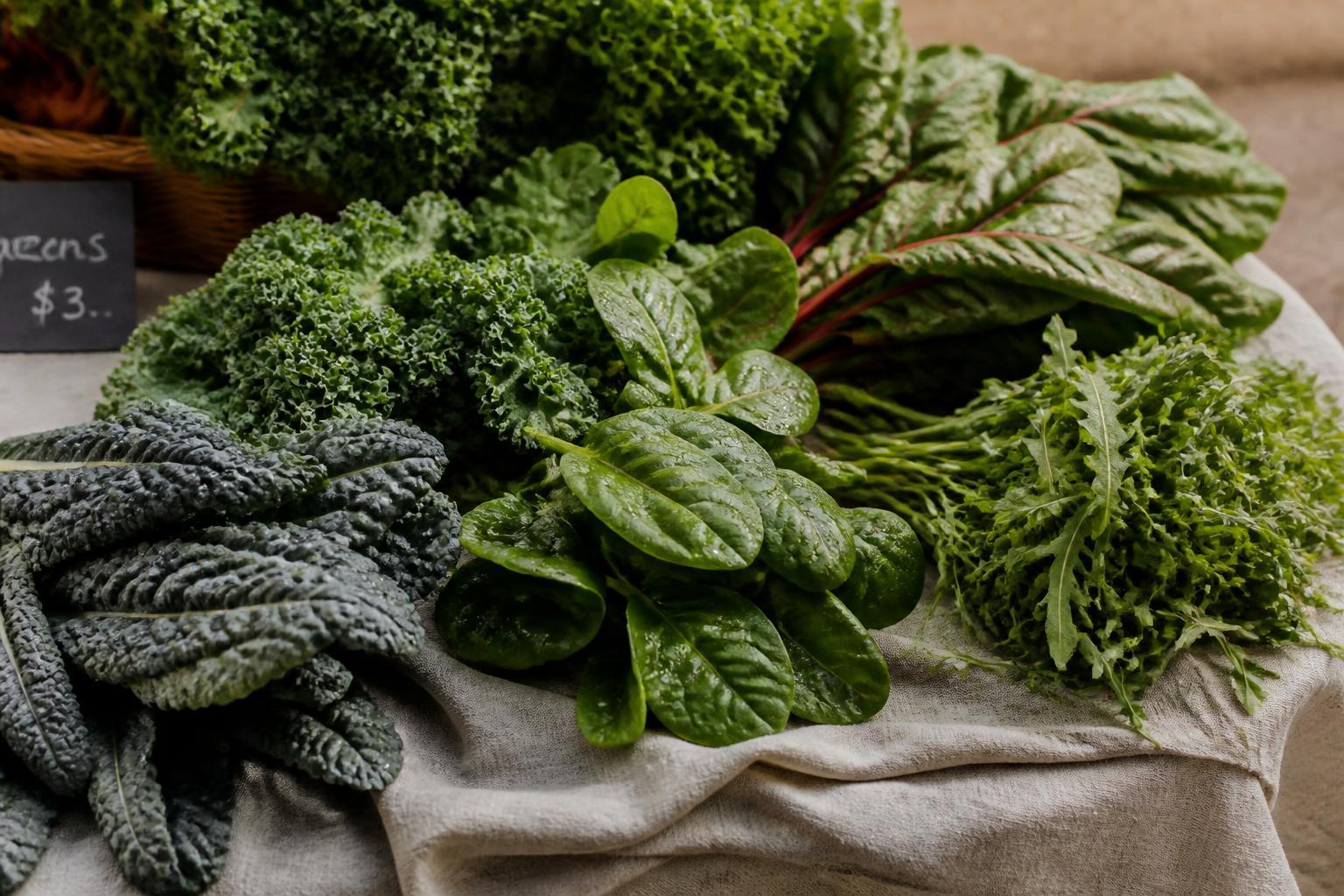
Cruciferous vegetables (broccoli, kale, cabbage) contain sulforaphane, which activates Phase II detox enzymes. Berries deliver anthocyanins and ellagic acid that suppress tumour angiogenesis. Soy isoflavones reduce breast cancer recurrence by 25% (Shanghai Breast Cancer Study, 5,000 women). Flax lignans reduce prostate cancer cell proliferation. Mushrooms (especially white button) inhibit aromatase. No single plant is the answer; the diversity is.
During and after treatment
Recommendations from oncology nutrition departments at MD Anderson, Memorial Sloan Kettering and Dana-Farber converge on the same advice: most vegetables, fruits, whole grains and legumes; limited red and processed meat; minimal alcohol. Soy is safe and beneficial in breast cancer survivors, despite outdated cautions. A plant-based diet during treatment is associated with reduced fatigue and improved quality-of-life scores.
A diet you can live with
The same plant-based pattern that reduces cancer risk also helps with heart disease, diabetes and blood pressure. One change, many benefits.