The mechanism, in one paragraph
Type-2 diabetes is, at its core, intramuscular and intrahepatic fat blocking insulin from doing its job. Saturated fat from meat, dairy and tropical oils drives this fat accumulation; fibre and unrefined plant carbohydrate clear it. The PREDIMED-Plus, Lifestyle Heart and BROAD trials all converge on the same finding: a whole-food plant-based diet improves insulin sensitivity within days, before any weight loss occurs.
What "reversal" actually means
In clinical literature, type-2 diabetes is considered in remission when HbA1c stays below 6.5% (48 mmol/mol) for at least three months without medication. The DiRECT trial (2018) achieved this in 46% of participants with a low-calorie liquid diet; the BROAD trial (2017) and Barnard's GEICO study reached comparable rates with a whole-food plant-based diet — sustained, not crash. Type-1 diabetes is not reversible, but plant-based diets reduce insulin requirements and improve cardiovascular outcomes.
What to eat tomorrow
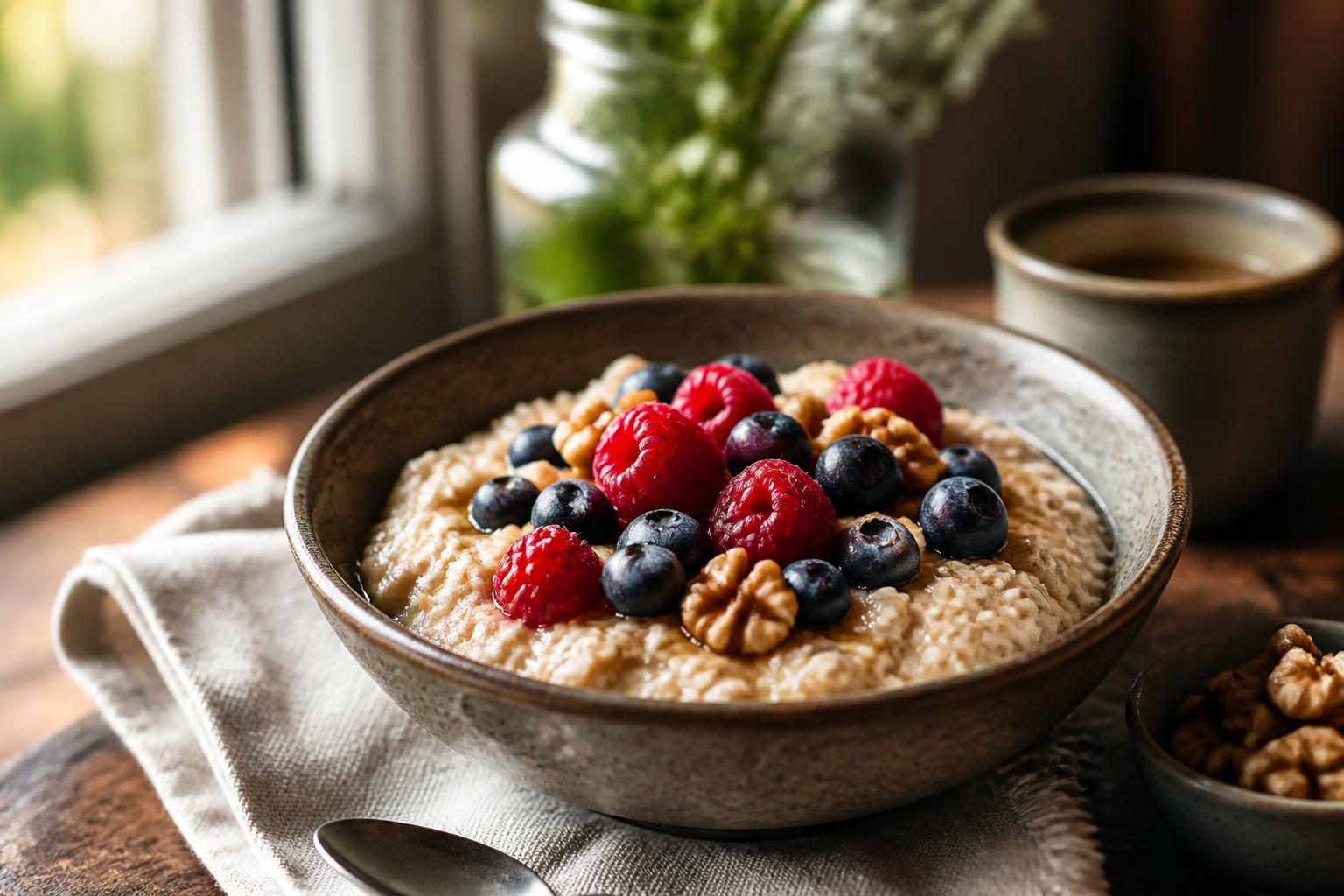
Breakfast: rolled oats with berries, ground flax, soy milk. Lunch: a large bean-and-grain bowl (lentils, brown rice, roasted vegetables, tahini). Dinner: vegetable stir-fry with tofu over quinoa, or a chickpea curry with whole-wheat flatbread. Snacks: fruit, raw vegetables with hummus, a handful of walnuts. Cut: refined sugar, white flour, all oils when possible, and especially red and processed meat.
Eat for blood-sugar control
If you or someone in your family is at risk, a plant-based diet is the strongest single dietary lever in the evidence.