Are Backyard Breeders a Kinder Choice for Pets?
Exploring the ethical realities of 'backyard breeding' and why it's often not the compassionate alternative many believe.
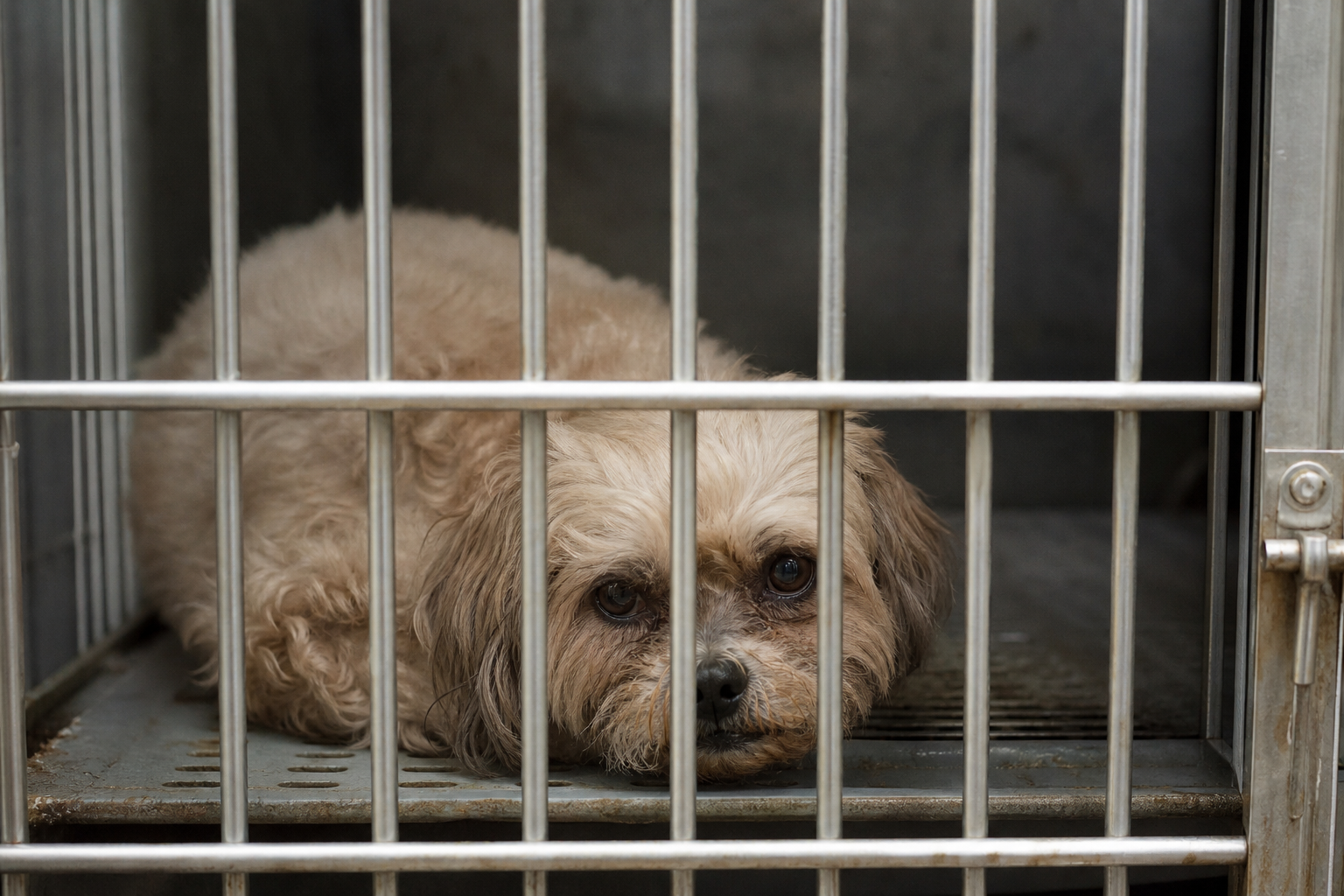
The notion that backyard breeders offer a more humane or ethical route to acquiring a pet, compared to large-scale commercial operations or even some rescue organisations, is a persistent myth. While individual intentions might vary, the reality on the ground is that backyard breeding, often driven by profit or a casual desire to breed a pet, frequently results in animals suffering from poor health, genetic defects, inadequate care, and contributes to the pervasive problem of pet overpopulation. This practice rarely provides the gentle alternative it claims to be, and understanding its inherent flaws is crucial for making truly compassionate choices for animal companions.
What exactly is a 'backyard breeder'?
A backyard breeder is typically an individual or family who breeds animals without the extensive knowledge, ethical standards, health testing, and veterinary oversight characteristic of responsible, professional breeders. These operations are often run out of a private home, hence the term 'backyard'. They may breed only one or two litters a year, often with a single male and female animal, and may not be registered with any official kennel club. The motivation can range from a desire to 'continue the family line' of a beloved pet to a simple, often ill-informed, attempt to make money.
Common Motivations Behind Backyard Breeding
- Financial gain from selling puppies.
- A desire to have a litter from a favourite pet.
- Belief that they are providing a 'better' home than a rescue.
- Lack of awareness about the complexities and responsibilities of breeding.
- Following trends for specific breeds or 'designer' mixes.
Health and Genetic Risks
One of the most significant concerns with backyard breeding is the prevalence of health issues. Responsible breeders invest heavily in genetic testing and health screenings for their breeding stock to minimise the transmission of inherited diseases such as hip dysplasia, certain heart conditions, eye disorders, and neurological problems. Backyard breeders often lack the resources, knowledge, or inclination to perform these crucial tests. This means puppies are frequently born with genetic predispositions to painful and debilitating conditions, leading to significant veterinary bills and a reduced quality of life for the animal.
Inadequate Socialisation and Care
The critical early weeks of a puppy's life are vital for social development. Proper socialisation involves exposing young puppies to a variety of sights, sounds, people, and other animals in a controlled and positive manner. This helps them grow into well-adjusted, confident adults. Backyard breeders, often operating with limited space and resources, may not provide this essential early stimulation. Puppies can be kept in isolation or in environments that are not conducive to positive social learning, leading to fearfulness, anxiety, aggression, and difficulty adapting to new situations later in life. Furthermore, the general care, nutrition, and environment provided by backyard breeders may be subpar, impacting the overall health and well-being of the mother dog and her litter.

Contribution to Pet Overpopulation
The most devastating consequence of backyard breeding is its direct contribution to the global pet overpopulation crisis. Animal shelters and rescue organisations worldwide are overwhelmed with unwanted animals, many of whom are healthy but simply cannot find homes. Each litter produced by a backyard breeder potentially takes a home away from a deserving animal already waiting in a shelter. This cycle leads to increased euthanasia rates, a tragic outcome for countless animals that could have been companions. According to the RSPCA, tens of thousands of animals are still put to sleep in the UK each year due to lack of homes.
UK Animal Shelter Intake vs. Euthanasia Rates (Annual Estimates)
Data represents aggregated estimates from major UK animal welfare charities. Actual numbers vary yearly.
Veterinary Neglect and Misinformation
Many backyard breeders operate without regular veterinary consultation. They may rely on outdated information or anecdotal advice for breeding, whelping, and puppy care, rather than evidence-based veterinary guidance. This can lead to critical errors in managing pregnancy, delivering puppies, and identifying or treating early signs of illness or distress in newborns. The absence of professional veterinary input means that potential health problems can go unnoticed or untreated until they become severe, impacting the welfare of both the mother and her offspring.
“Responsible breeding requires significant scientific knowledge and ethical commitment, which are often absent in backyard operations.”
The 'Designer Dog' Dilemma
The trend of creating 'designer dogs' – crossbreeds like Labradoodles or Cockapoos – by backyard breeders often adds another layer of ethical concern. While crossbreeds can sometimes be healthier than purebreds with specific genetic vulnerabilities, this is not guaranteed. Backyard breeders often charge exorbitant prices for these mixes, capitalising on their trendiness without necessarily undertaking the rigorous health testing required for both parent breeds. This practice can perpetuate the cycle of breeding for profit rather than for the health and welfare of the animals.
Are there any 'good' backyard breeders?
It is challenging to define a 'good' backyard breeder, as the term itself implies a lack of professional standards. While some individuals who breed animals at home may have genuine affection for their pets and strive to provide good care, they often lack the scientific knowledge, genetic expertise, and resources that dedicated, ethical breeders possess. True ethical breeders are transparent about their practices, provide extensive health clearances for parent animals, offer lifetime support, and are deeply knowledgeable about their breed's specific needs and potential health issues. They are also committed to the welfare of their dogs, often prioritising finding the best homes over profit.
The Compassionate Alternative: Adoption and Ethical Breeding
The most compassionate approach to bringing an animal companion into your life is to adopt from a reputable shelter or rescue organisation. These organisations work tirelessly to care for animals in need, offering a second chance to pets who have often been victims of neglect or abandonment. They provide thorough veterinary checks, behavioural assessments, and support to ensure successful adoptions. If you are set on a specific breed, research and seek out responsible, ethical breeders who are registered with breed clubs, openly share health testing results, and are committed to the long-term welfare of their dogs. These breeders often have waiting lists and are more concerned with placing their puppies in suitable homes than making a quick sale.

Questions to Ask a Prospective Breeder (Ethical or Otherwise):
- Can I see where the puppies and their mother are kept?
- What health tests have been performed on the parent animals, and can I see the results?
- What is the vaccination and deworming schedule for the puppies?
- What kind of food are the puppies being fed?
- What happens if I can no longer keep the animal in the future?
- Are you registered with any reputable breed clubs or organisations?
Conclusion: Prioritising Welfare Over Convenience
The allure of a 'backyard breeder' as a more personal or gentle option is understandable, but it often masks practices that compromise animal welfare. The risks of genetic diseases, inadequate socialisation, and the contribution to pet overpopulation are too significant to ignore. By choosing adoption or by rigorously vetting ethical breeders who prioritise health and temperament above all else, we can make truly compassionate decisions that benefit animals and contribute to a more humane society.
Frequently asked questions
Is buying a puppy from a neighbour always bad?
What are the main dangers of backyard breeding for puppies?
How do backyard breeders contribute to animal overpopulation?
What is the difference between a backyard breeder and a responsible breeder?
Are crossbreed dogs from backyard breeders healthier?
What is the most ethical way to get a pet?
Sources & further reading
- RSPCA — rspca.org.uk
- EAT-Lancet Commission — eatforum.org
- ASPCA Pet Ownership Statistics — aspca.org
- Veterinary Studies on Canine Health — Various peer-reviewed veterinary journals