Backyard vs. Battery: Debunking Animal Welfare Myths
Explore the surprising truths about backyard farming and industrial animal agriculture. Are your food choices truly more ethical? Learn the facts.
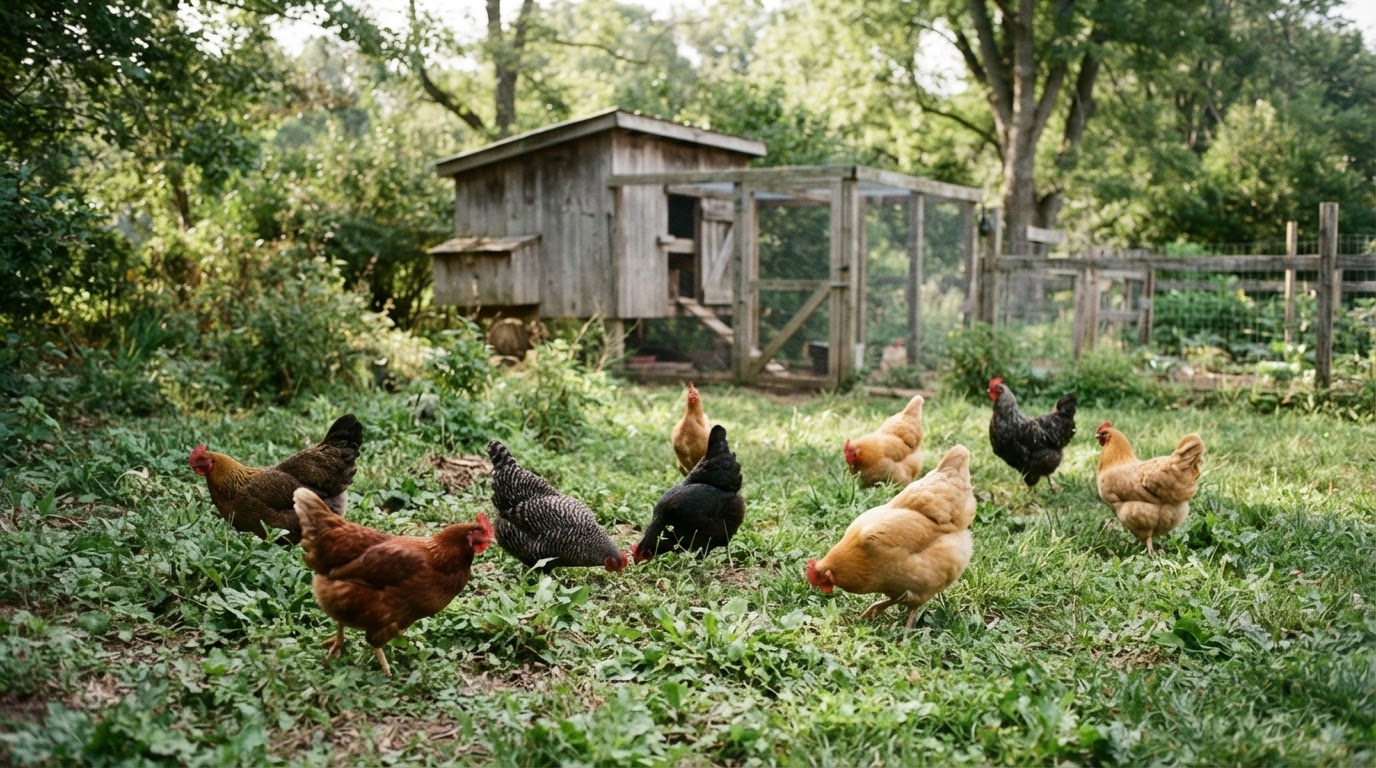
The narrative often pits the idyllic, free-range backyard flock against the stark reality of industrial animal agriculture. Many consumers believe that choosing eggs or meat from smaller, local, or backyard operations inherently guarantees superior animal welfare. This perception, however, often overlooks the complex realities and scientific evidence. While industrial systems face significant scrutiny, backyard farming is not automatically a welfare utopia. Understanding the nuanced differences and commonalities is crucial for making truly informed and compassionate food choices. This article debunks common myths surrounding backyard versus battery farming, examining the scientific evidence on animal well-being and environmental impact.
Myth 1: Backyard chickens live a life of freedom and safety.
The image of contented hens scratching in lush grass is a powerful one, but the reality for many backyard animals can be far from it. Insufficient space per bird, leading to stress and feather-pecking, is common. Coops may not be predator-proof, leaving birds vulnerable to foxes, birds of prey, or domestic pets. Furthermore, owners may lack the knowledge or resources to manage disease outbreaks effectively, leading to suffering. A 2021 study published in the journal *Animal Welfare* found that even in small-scale systems, poor husbandry practices were prevalent, contributing to elevated stress hormones in birds.
Common Welfare Concerns in Backyard Poultry Systems
Survey data from small-scale backyard poultry keepers, 2022.
The issue of space
While industrial farms are criticised for high stocking densities, backyard setups can also fail to provide adequate room. A general guideline for laying hens suggests at least 0.3 square metres of floor space per bird inside the coop and at least 1 square metre of outdoor space. Many hobbyists struggle to meet these minimums, especially when keeping more birds than initially planned. This can lead to increased aggression, stress, and the spread of parasites and diseases, as identified by the RSPCA in their guidelines for backyard poultry keepers.
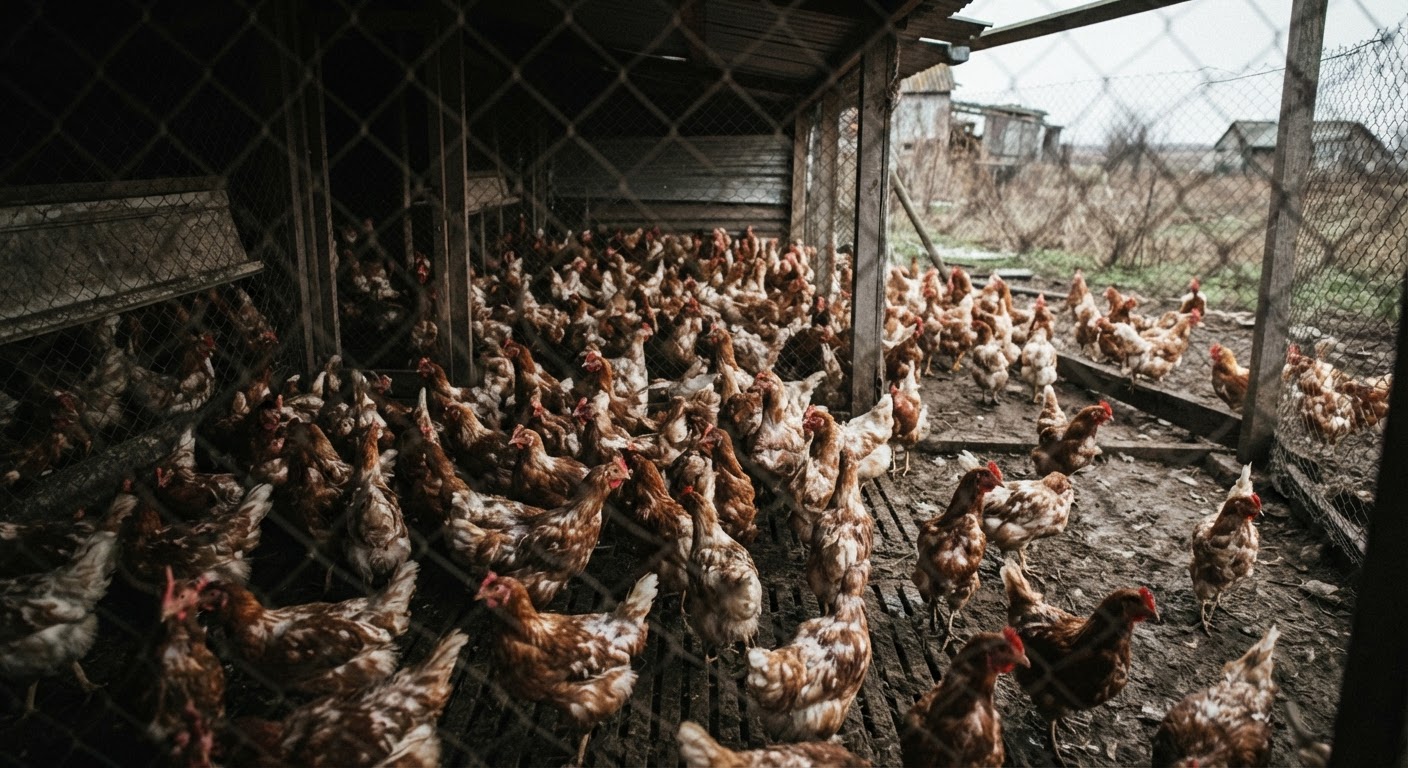
Myth 2: Battery cages are the worst possible living condition for animals.
Battery cages, where hens are confined to small wire enclosures with little room to move, have historically been a major welfare concern. However, public pressure and legislative changes in many regions, including the UK and the EU, have led to bans or significant reforms. Many large producers have transitioned to 'cage-free' systems, which can include barn-laid (flock in a large shed with perches and nesting boxes) or free-range (access to outdoors). A 2023 report by the European Food Safety Authority (EFSA) noted improvements in the welfare of laying hens due to these transitions, although challenges like feather pecking can persist in barn systems.
Beyond the cage: other industrial welfare considerations
The welfare of animals in industrial settings extends beyond housing. Practices such as beak trimming in poultry, tail docking in pigs, and the use of antibiotics are subjects of ongoing debate and scientific research. While these practices are often implemented to prevent injuries or manage health in crowded conditions, their ethical implications and necessity are questioned. Organisations like Compassion in World Farming advocate for the elimination of such mutilations and a shift towards genetic selection for more robust, less aggressive animals, alongside improved environmental enrichment. The sheer scale of industrial farming means that even small percentages of animals experiencing poor welfare can represent millions of individuals.
“The pursuit of 'humane' labels can sometimes obscure the fundamental ethical questions about animal use itself.”
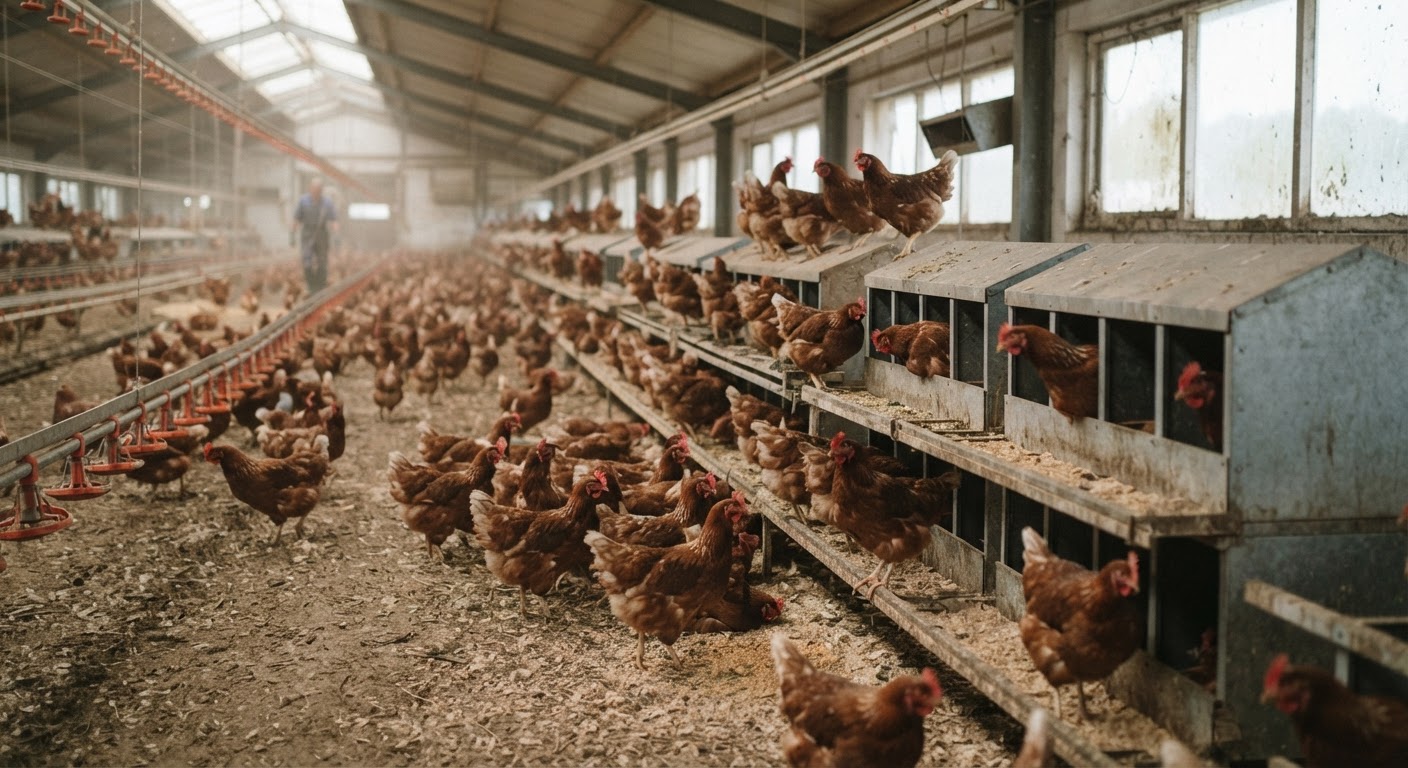
Myth 3: Backyard farming is always better for the environment.
While large-scale industrial agriculture is a major contributor to environmental degradation, backyard farming is not without its ecological consequences. Improper management of animal waste from even a few chickens or pigs can lead to water pollution through runoff into local streams and rivers. The demand for feed, often grown using conventional agricultural methods, also carries an environmental cost. Furthermore, the energy used for heating coops or processing small batches of meat can be inefficient. A study by the University of Cambridge highlighted that the combined impact of many small-scale animal operations can be comparable to larger ones in specific local contexts, particularly concerning nutrient pollution.
Estimated Environmental Impact per Kilogram of Chicken Meat
Based on modelling from Our World in Data, adjusted for potential backyard inefficiencies. Excludes processing and transport.
Waste management and resource use
Managing animal manure effectively is a challenge for all farmers. In backyard settings, concentrated waste can overwhelm local ecosystems if not properly composted or disposed of. This contrasts with industrial farms, which often have sophisticated waste management systems (though these are not always perfect and can still cause significant pollution). Resource use is another factor. While industrial farms benefit from economies of scale, backyard operations may use less efficient methods for water heating, feed production, or energy. The cumulative effect of millions of small operations, each with a smaller footprint, can still add up to a substantial environmental burden.
- Nitrogen and phosphorus runoff from manure can pollute waterways.
- Methane emissions from manure decomposition contribute to greenhouse gases.
- Land required for feed production has implications for biodiversity loss.
Myth 4: Buying 'humane' certified products solves the ethical dilemma.
The proliferation of 'humane,' 'free-range,' and 'pasture-raised' labels can be confusing. While some certifications, like those from the Global Animal Partnership (GAP) or the Soil Association in the UK, represent significant improvements over conventional industrial standards, they are not a panacea. The criteria for these labels can differ greatly, and enforcement can be inconsistent. Furthermore, the very concept of 'humane slaughter' or 'ethical farming' of sentient beings remains a philosophical challenge for many. A 2022 review in *The Journal of Agricultural and Environmental Ethics* argued that consumer trust in these labels can sometimes lead to complacency, reducing the incentive to question the underlying system of animal exploitation.
- Look for certifications with independent audits and rigorous standards.
- Understand the specific requirements of each label (e.g., space, outdoor access, beak trimming).
- Consider the source and transparency of the producer.
The broader ethical perspective
Ultimately, the distinction between backyard and battery farming, while important for understanding practical welfare conditions, may distract from a more fundamental ethical question: the morality of using animals for food, fibre, or other products. For those concerned with animal suffering and environmental sustainability, reducing or eliminating animal product consumption is often presented as the most impactful approach. This aligns with recommendations from bodies like the EAT-Lancet Commission, which highlighted the environmental benefits of plant-based diets for global health and sustainability. By shifting away from animal agriculture, consumers can address both animal welfare and ecological concerns comprehensively.
Conclusion: A more nuanced approach to animal welfare
The debate between backyard and battery farming is not as black and white as it often seems. Both systems have potential pitfalls for animal welfare and the environment. While industrial farming faces massive scale challenges, backyard operations can suffer from lack of expertise, resources, and proper management. Consumers seeking to make ethical choices should look beyond simplistic labels and investigate the specific practices involved. Ultimately, a significant reduction in the consumption of animal products offers the most robust path to minimising animal suffering and environmental impact, addressing the core issues at play.
Frequently asked questions
Is backyard chicken farming really better for the chickens?
What are the main welfare problems in industrial egg production?
Are 'free-range' or 'pasture-raised' labels reliable indicators of good welfare?
Does backyard farming have a significant environmental impact?
What is the most ethical choice regarding animal products?
How can I ensure the animals I buy products from are treated well?
Sources & further reading
- Animal Welfare Journal — Animal Welfare, Cambridge University Press
- European Food Safety Authority (EFSA) Reports — efsa.europa.eu
- Our World in Data — ourworldindata.org
- Food and Agriculture Organization (FAO) of the UN — fao.org
- The Journal of Agricultural and Environmental Ethics — springer.com/journal/10806
- EAT-Lancet Commission Summary Report — eatforum.org/eat-lancet-commission/