The Humble Roots of the Sunday Roast: Unearthing Britain's Plant-Based Heritage
Long before the advent of modern veganism, British culinary traditions offered deeply satisfying, meat-free meals that nourished families and communities.
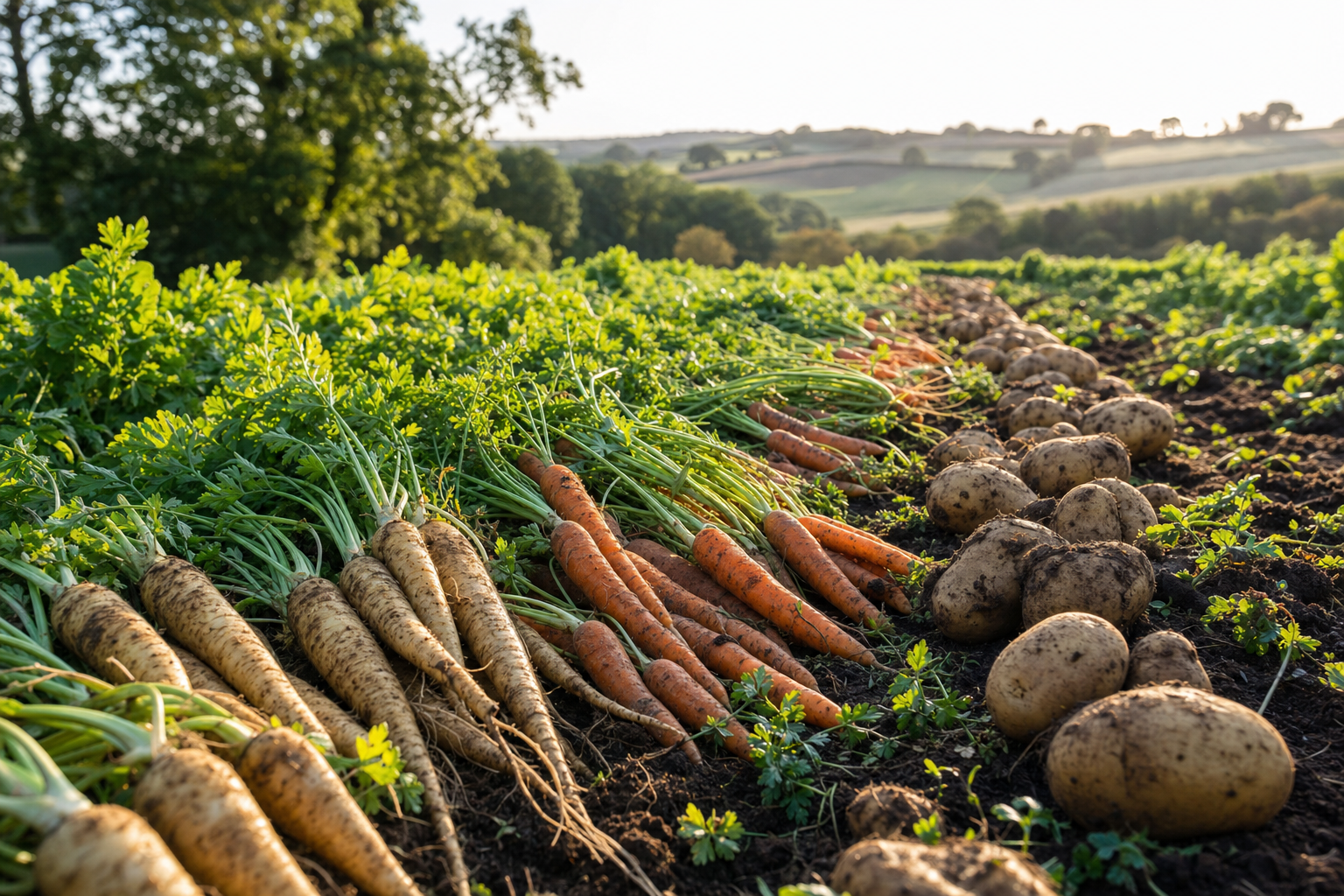
The Sunday roast is an enduring symbol of British culinary identity, a comforting ritual that brings families together. For many, it's synonymous with succulent roasted meats, rich gravy, and a medley of vegetables. However, this beloved tradition has a less-celebrated, yet equally significant, ancestor: the hearty, meat-free Sunday dinner. Long before the term 'vegan' entered common parlance, and certainly before the proliferation of plant-based alternatives, British households relied on the bounty of the land to create deeply satisfying meals that were entirely free of animal products.
A History Rooted in Necessity and Seasonality
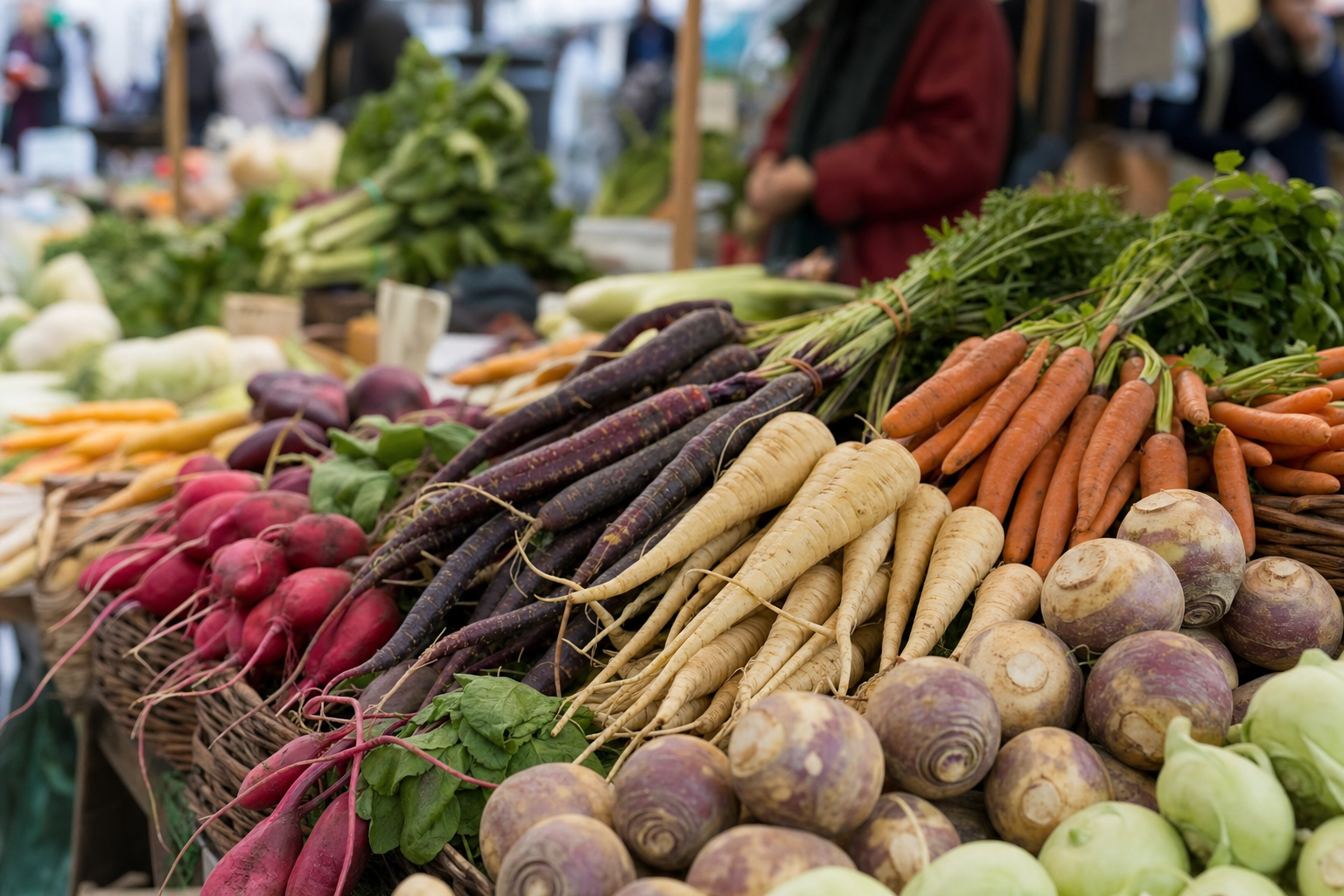
For centuries, food availability in Britain was dictated by the seasons and local harvests. Meat was often a luxury, particularly for working-class families. While Sundays might have seen a special meat dish for those who could afford it, the everyday reality for many involved meals built around staple crops. Potatoes, turnips, carrots, parsnips, cabbages, and various pulses formed the backbone of the British diet. These were often slow-cooked, mashed, or roasted, creating dishes that were both filling and flavourful, relying on herbs, onions, and perhaps a dollop of butter or suet for richness. This wasn't a conscious dietary choice in the modern sense, but rather a pragmatic and deeply ingrained way of life.

The Power of the Pot and the Hearth
The traditional British kitchen, with its large hearths and cast-iron pots, was perfectly suited to preparing these robust, plant-based dishes. Stews simmered for hours, tenderising tough root vegetables and allowing flavours to meld. The humble potato, introduced to Britain in the late 16th century, quickly became a dietary cornerstone, providing essential calories and versatility. Dishes like 'Bubble and Squeak', a resourceful way to use leftover cooked vegetables (often cabbage and potato), and 'Toad in the Hole', where sausages were traditionally baked in batter, demonstrate a culinary ingenuity that could easily adapt to a meat-free context. Imagine a bubbling pot of root vegetables, seasoned with sage and thyme, served with a thick, savoury gravy made from vegetable stock and thickened with flour – a meal that would have been commonplace.
“The practicalities of historical food availability meant that meat-free meals were not an exception, but often the norm for a significant portion of the population.”
Beyond the Sunday Meal: Everyday Plant-Based Staples
While the Sunday roast often garners attention, many other traditional British dishes, consumed throughout the week, were naturally plant-based. Pea soup, made from dried or fresh peas, was a staple, providing protein and fibre. Oatcakes, particularly in Scotland and Northern England, offered a hearty, grain-based alternative to bread. Savoury pies, often filled with vegetables and perhaps a little cheese, were common. The emphasis was on simple, wholesome ingredients prepared with care. Think of a thick lentil and vegetable stew, seasoned with marjoram, or a hearty suet pudding steamed to perfection, filled with apples and currants – these were not fringe foods, but part of the fabric of British cuisine.
- Hearty Vegetable Stews: Simmered root vegetables, pulses, and herbs.
- Pea Soup: A protein-rich staple made from dried or fresh peas.
- Oatcakes: Versatile grain-based flatbreads, common in Scotland and Northern England.
- Mashed Root Vegetables: Potatoes, parsnips, and turnips mashed with a little fat and seasoning.
- Savory Vegetable Pies: Pastry-filled dishes featuring seasonal vegetables.
The Influence of Farming and Land Use
Britain's agricultural landscape profoundly shaped its diet. The temperate climate was ideal for growing a wide range of vegetables, particularly hardy root crops that could be stored through the winter. Smallholdings and family farms were common, with a focus on subsistence and local markets. This close connection to the land fostered an appreciation for seasonal produce. The 'harvest festival' tradition, still celebrated today, is a direct descendant of ancient practices honouring the fruits of the earth. This inherent respect for produce laid the groundwork for meals that celebrated vegetables in their own right, not merely as accompaniments to meat.
Reclaiming a Neglected Heritage
In the 20th century, with increased prosperity and the rise of industrialised agriculture, meat consumption in Britain surged. The traditional Sunday roast, often featuring larger cuts of meat, became the dominant image of this meal. However, there's a growing movement to reconnect with our culinary past, recognising the deliciousness and sustainability of plant-forward eating. Modern vegan adaptations of classic British dishes are not just about replicating familiar flavours without animal products; they are about honouring a historical reality where plant-based meals were not a niche trend but a fundamental part of life for many.
UK Vegetable Production vs. Meat Production (Illustrative Trend)
Illustrative trend based on general agricultural shifts in the UK. Actual figures vary by specific crop and animal.
Modern Interpretations of Ancient Meals
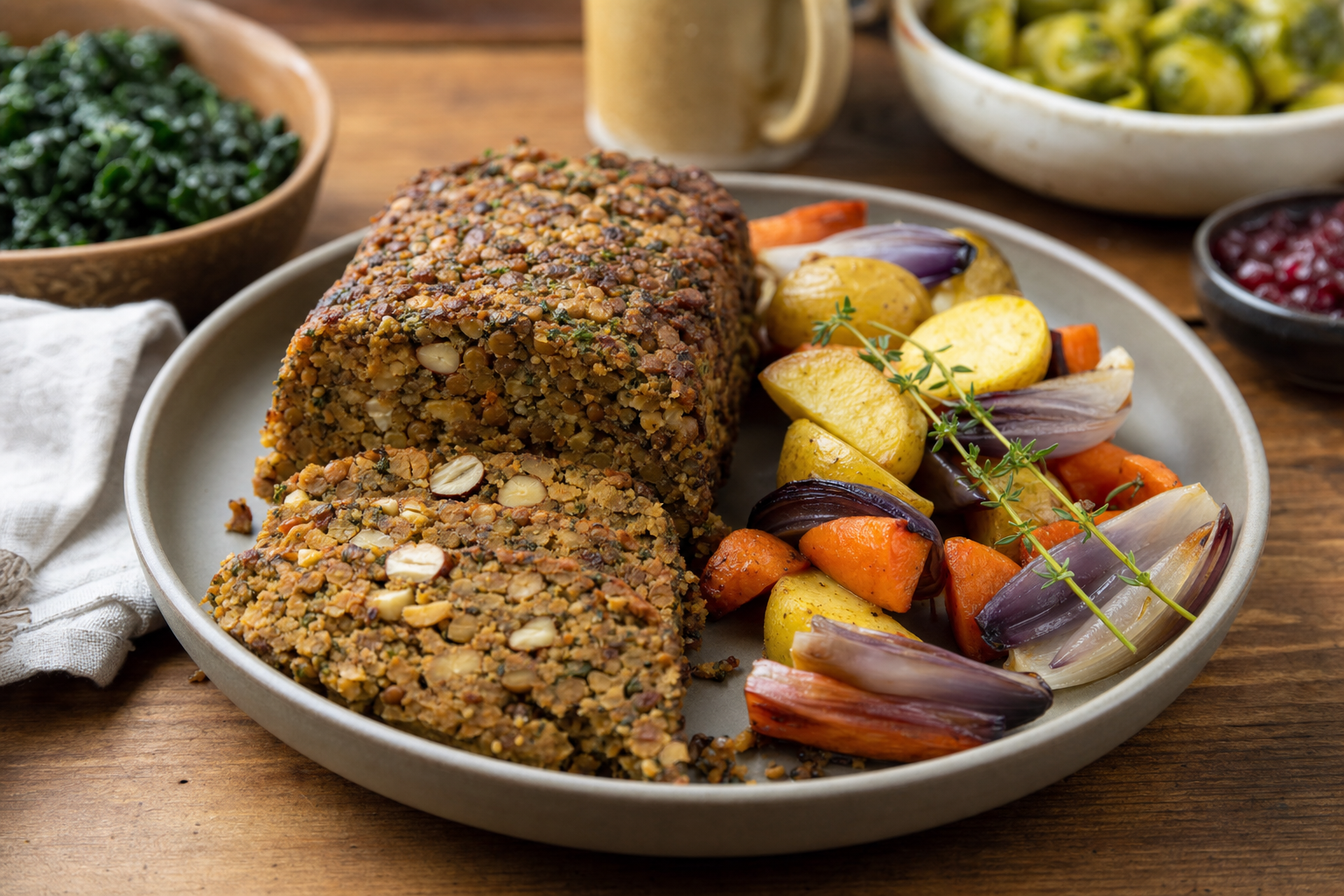
Today, chefs and home cooks are rediscovering the potential of Britain's plant-based heritage. Imagine a 'nut roast' inspired by the hearty suet puddings of old, or a rich mushroom and barley stew that echoes the slow-cooked vegetable dishes of the past. The humble potato, a star player in historic meat-free meals, is being celebrated in new and exciting ways, from crispy roasted potatoes with rosemary to creamy gratins. This isn't about rejecting tradition, but about enriching it, making it more inclusive, sustainable, and reflective of a deeper, often overlooked, culinary history.
The Environmental and Ethical Imperative
Beyond nostalgia, there's a compelling contemporary relevance to embracing Britain's plant-based past. The environmental impact of industrial animal agriculture is significant, contributing to greenhouse gas emissions, land degradation, and water pollution. Shifting towards more plant-centric diets is a powerful step individuals can take to reduce their ecological footprint. Furthermore, reconnecting with the idea of food as a gift from the land, rather than a product of intensive farming, fosters a more mindful and ethical approach to eating. The historical prevalence of plant-based meals in Britain offers a precedent and a source of inspiration for this transition.
A Legacy of Nourishment
The story of Britain's plant-based heritage is not one of deprivation, but of resourcefulness, flavour, and community. It reminds us that deeply satisfying and nourishing meals can be created from the earth's bounty. As we navigate the complexities of modern food systems and the urgent need for more sustainable practices, looking back to these humble, plant-powered roots offers a delicious and inspiring path forward. The Sunday roast may have its iconic meat-laden image, but its true ancestors were often far more grounded, and far more green.
Estimated Dietary Shift in the UK (Pre-Industrial vs. Modern)
Illustrative data representing a typical diet in Britain pre-1800s, contrasting with a hypothetical modern average. Sources: Historical dietary studies and modern nutritional surveys.
- 19th Century: Focus on staple crops like potatoes and grains, with meat as an occasional luxury.
- Early 20th Century: Gradual increase in meat consumption as affordability rises.
- Late 20th Century: Peak meat consumption, with the Sunday roast solidifying its meat-centric image.
- 21st Century: Growing interest in plant-based diets for health, environmental, and ethical reasons, leading to a rediscovery of historical meat-free dishes.
Sources & further reading
- The Potato: A History of the Food That Changed the World — John Reader
- Food and Feast in Tudor England — Stewart Ross
- Our World in Data: Environmental Cost of Food Production — University of Oxford
- Department for Environment, Food & Rural Affairs (DEFRA) — UK Government Statistics