The Carbon Calendar: Unpacking Food's Seasonal Emissions
Beyond the farm gate, the rhythm of the seasons profoundly impacts our food's carbon footprint. A clear-eyed look at how production, storage, and transport cycles intersect with climate.
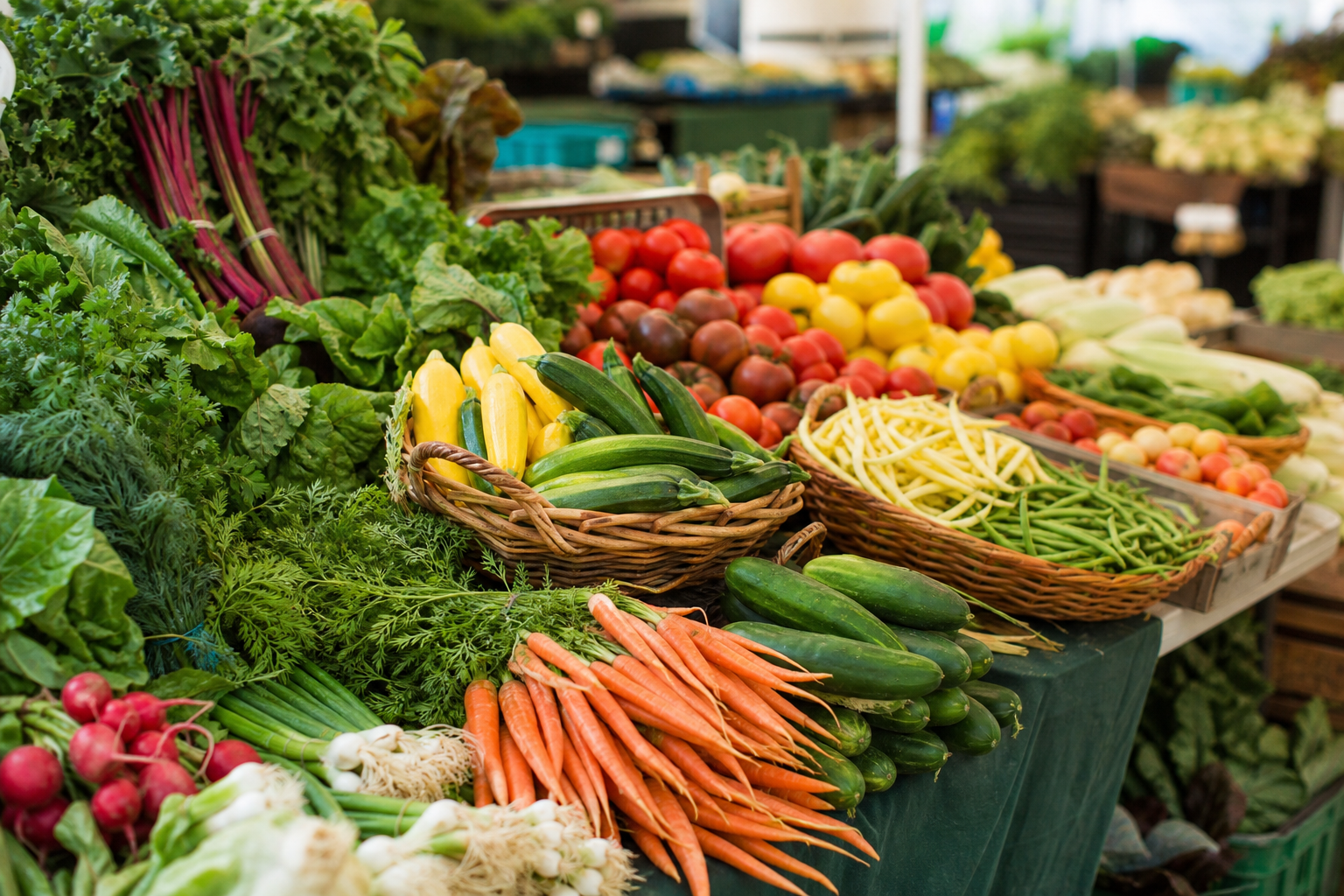
The conversation around food and climate change often focuses on what we eat – meat versus plants, for instance. While undeniably crucial, this perspective can overshadow another significant factor: *when* our food is produced and how that timing interacts with the Earth’s natural cycles and our modern industrial systems. The seasonality of agriculture isn't just about flavour and freshness; it's a complex web influencing energy use, storage needs, and transportation emissions, all of which contribute to our collective carbon footprint.
Beyond the Harvest: The Hidden Energy Demands
When we think of seasonality, we often picture fields bursting with ripe produce. However, the impact extends far beyond the growing season. For foods that are not consumed fresh, or that are grown out of their natural climate, significant energy is expended in their preservation. Refrigeration, freezing, and controlled atmosphere storage all require substantial electrical input, often generated from fossil fuels. Consider, for example, out-of-season berries flown in from warmer climes during winter months in the Northern Hemisphere. Their cultivation may occur under glass or in heated environments, and their transport over long distances adds a considerable emissions burden. Even locally grown produce, if harvested and then stored for many months, incurs energy costs throughout its shelf life.
The Cold Chain's Climate Cost
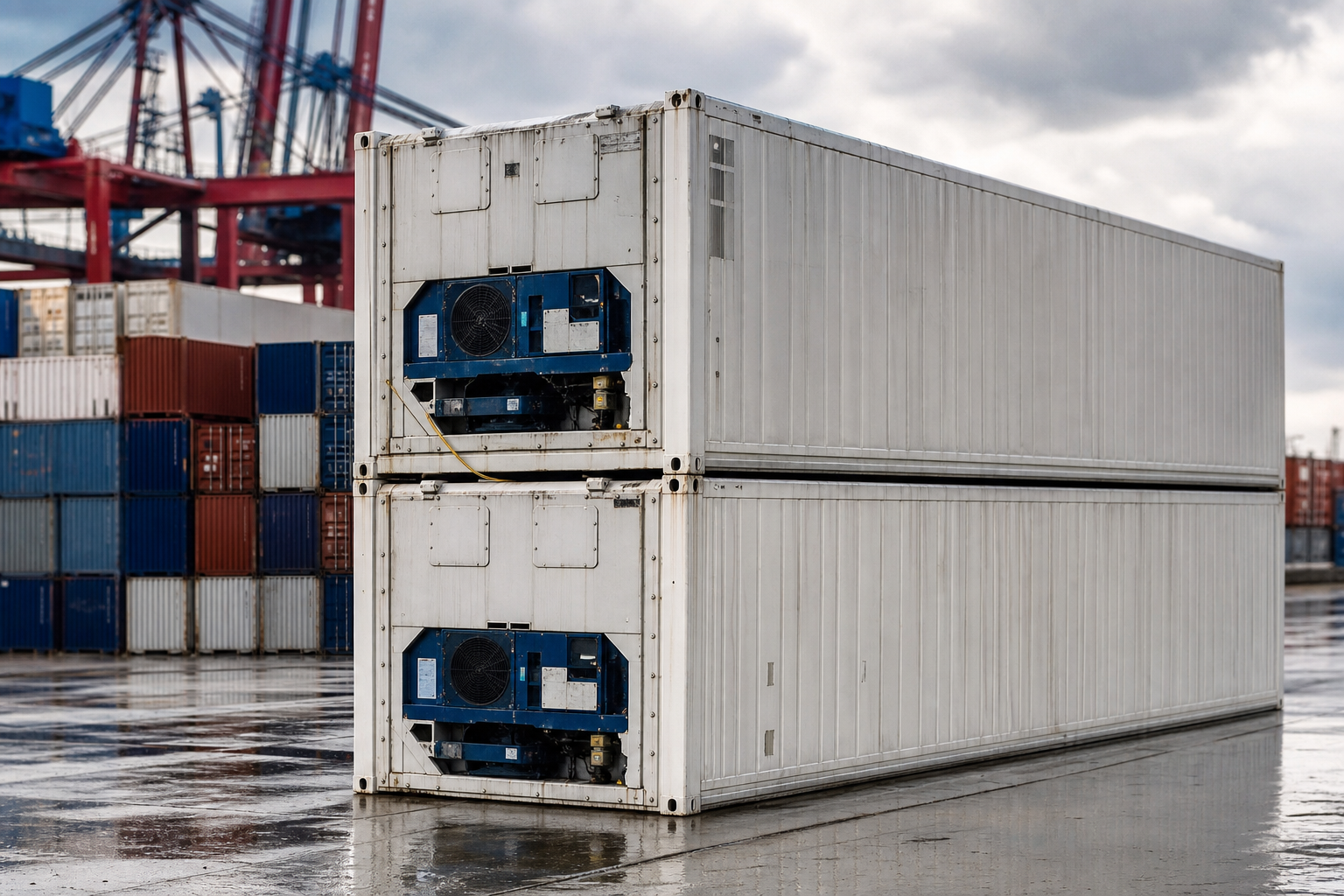
The 'cold chain' – the unbroken series of refrigerated production, storage, and distribution activities – is essential for maintaining food quality and safety. However, it is also an energy-intensive process. From blast freezers that rapidly chill produce post-harvest to the refrigerated lorries and shipping containers that transport it across continents, every stage consumes energy. While the precise emissions vary based on the energy source and the efficiency of the technology, the sheer scale of the global food system means the cumulative impact is significant. For many staple crops, like potatoes or onions, long-term storage under controlled conditions is standard practice, requiring continuous energy input to maintain optimal temperatures and humidity, preventing spoilage and preserving marketability long after the harvest.
Estimated Energy Use for Food Storage (Illustrative)
Data is illustrative and based on general industry estimates. Actual energy use varies greatly by specific technology, climate, and duration of storage. Source: Adapted from industry reports.
The Global Larder: Transportation and Emissions
When local seasonality is insufficient to meet demand, the global food system relies heavily on transportation. This means produce often travels thousands of kilometres, predominantly by air or sea freight, and then by road for final distribution. Air freight, while fast, has a disproportionately high carbon footprint compared to sea freight. Even sea freight, though more efficient per tonne-kilometre, contributes significantly due to the vast distances involved and the reliance on heavy fuel oil by many cargo ships. The further a food item travels from its point of origin to the consumer's plate, the greater its transport-related emissions are likely to be, especially when it's out of its natural growing season.
“The rhythm of the seasons isn't just about flavour; it's a complex web influencing energy use, storage needs, and transportation emissions.”
Shipping vs. Flying: A Carbon Divide
The choice of transport method creates a stark difference in emissions. For example, transporting 1kg of fresh produce by air can generate over 10kg of CO2e, whereas the same amount shipped by sea might generate less than 0.5kg CO2e. This highlights why 'food miles' are a useful, though not the only, metric. A product flown halfway around the world, even if grown with minimal local emissions, can have a higher climate impact than a product grown locally but requiring extensive storage or heated greenhouses. Understanding these trade-offs is key to making informed dietary choices.
Local vs. Global: A Nuanced Equation
The mantra of 'eating local' is often presented as a simple climate solution. And indeed, reducing transport distances is generally beneficial. However, the equation is more complex. A study by the University of Oxford found that for many foods, particularly meat and dairy, the emissions from production methods far outweigh the emissions from transportation. For example, the emissions from producing lamb in the UK can be significantly higher than the emissions from transporting lamb from New Zealand. Similarly, a locally grown tomato in a heated greenhouse during winter in the UK or Canada will likely have a higher carbon footprint than a tomato grown in a naturally warm climate and shipped across the globe.
The Power of Production Methods
When considering plant-based diets, the production phase remains paramount. While transport and storage emissions are important, the greenhouse gas emissions associated with farming practices – methane from livestock, nitrous oxide from fertilisers, and land-use change – are typically the largest contributors to a food's overall footprint. Therefore, a plant-based diet, even if it involves some long-distance transport of seasonal produce, is very likely to have a lower overall climate impact than a diet high in animal products, regardless of whether those products are local or imported.
- **Prioritise seasonal, plant-based foods:** This reduces both production and, often, storage/transport emissions.
- **Understand your food's journey:** Be aware of where your food comes from and how it was produced, especially for out-of-season items.
- **Reduce reliance on air-freighted goods:** Opt for sea or land-transported items where possible.
- **Support local producers:** When local options are in season and grown without excessive energy inputs (like heated greenhouses), they are often a good choice.
- **Embrace preservation:** Freezing or canning seasonal produce for later use can be more energy-efficient than relying on long-distance transport of fresh items.
Navigating the Carbon Calendar
The seasonality of our food is intrinsically linked to its environmental impact. While the global food system offers year-round availability, this convenience comes at a climate cost. By understanding the energy demands of storage, the emissions from transportation, and the foundational impact of production methods, we can make more conscious choices. Embracing a diet rich in seasonal, plant-based foods, and being mindful of the journey our food takes, allows us to align our plates more closely with the planet's natural rhythms.
Comparative Emissions: Local vs. Imported Produce (Illustrative)
Highly simplified model. Assumes production emissions are constant for field-grown, but increase significantly for heated greenhouses and air freight. Transport dominates for air-freighted items. Source: Conceptual model based on Poore & Nemecek (2018).
The Role of Veganism
For those following a vegan lifestyle, the focus on seasonal eating further amplifies the climate benefits. Plant-based foods generally have a lower production footprint than animal products. By aligning these choices with seasonal availability, we minimise the need for energy-intensive greenhouses or lengthy, emissions-heavy transport for many fruits and vegetables. This synergy between veganism and seasonality offers a powerful approach to reducing one's personal environmental impact.

Adapting to Local Climates
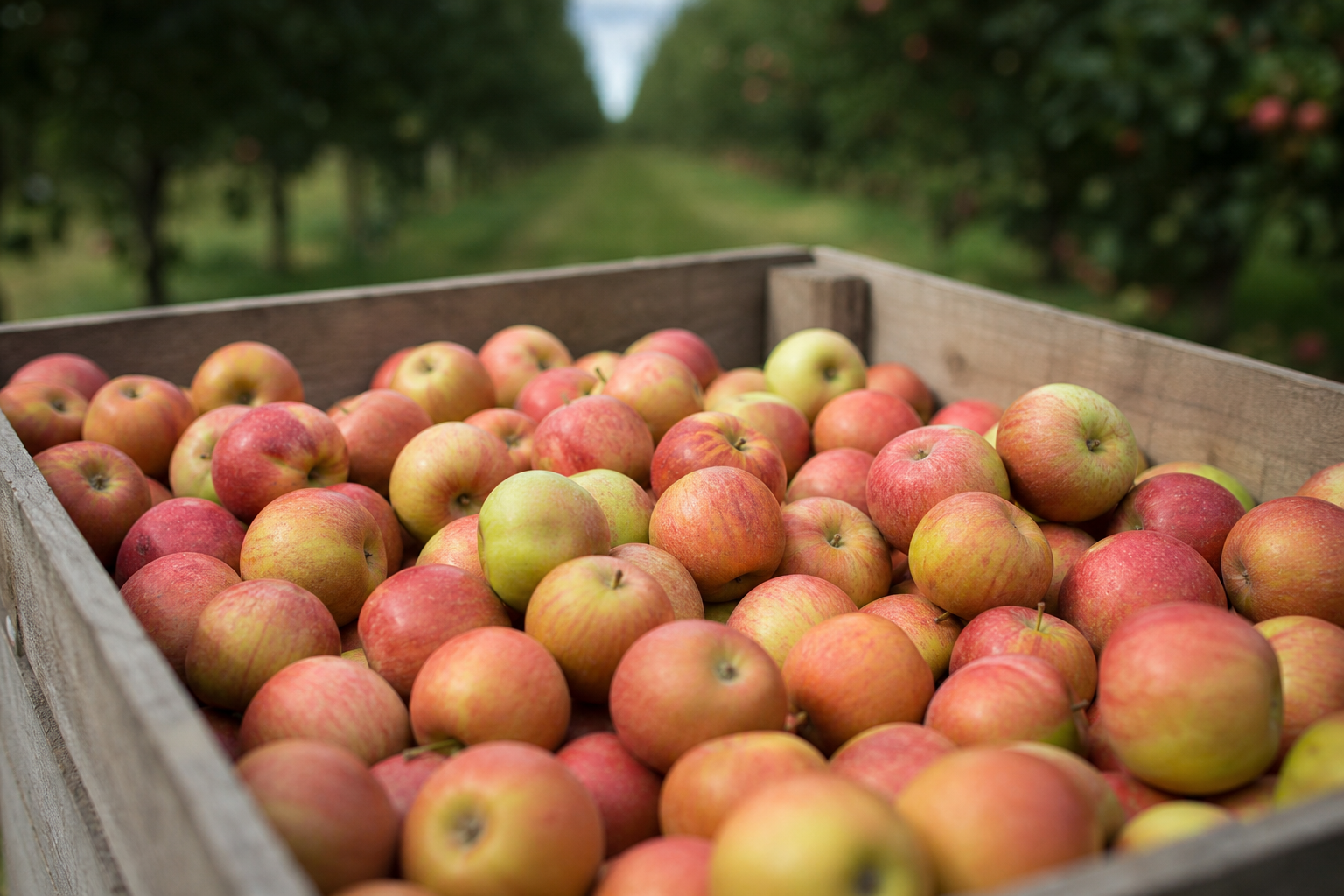
Understanding regional seasonality is key. In temperate climates like the UK, Canada, or parts of Australia, winter demands careful consideration. Relying on storage crops (root vegetables, apples, onions) or embracing imports from regions where it's currently the growing season becomes necessary. However, the preference should always lean towards the least energy-intensive option. For many, this means a shift in mindset – appreciating the abundance of certain seasons and accepting the reduced variety or different origins of produce in others. This mindful consumption, guided by the carbon calendar, is a powerful tool for environmental stewardship.
Sources & further reading
- Poore, J. & Nemecek, T. — Reducing food’s environmental impacts through producers and consumers. Science (2018).
- European Environment Agency (EEA) — Transport and environment reporting mechanism.
- Intergovernmental Panel on Climate Change (IPCC) — Climate Change and Land (2019).
- Our World in Data — Environmental Impacts of Food Production.
- Food and Agriculture Organization of the United Nations (FAO) — The State of Food and Agriculture.