Community Solar: Is It Worth It?
Explore the benefits and drawbacks of community solar projects, a flexible way to access renewable energy and potentially save money.
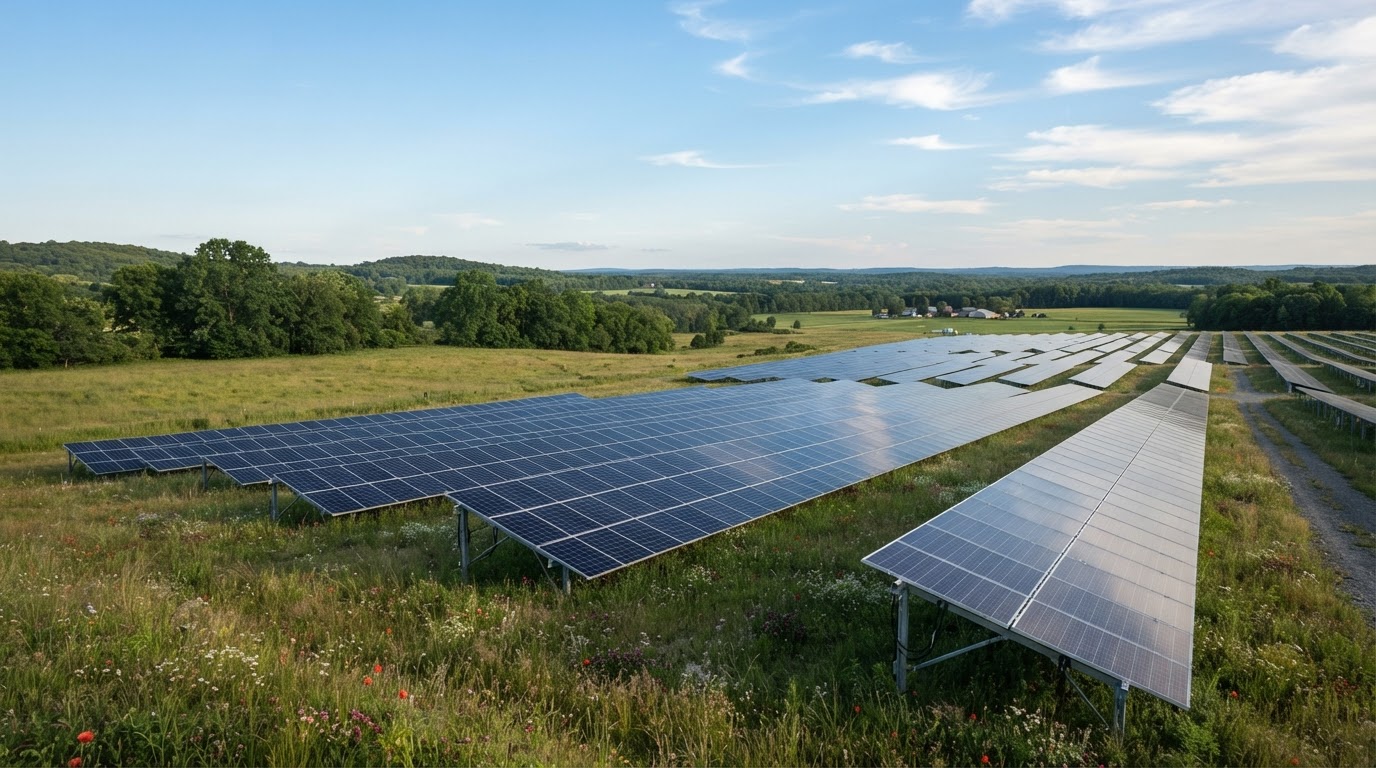
Community solar provides a compelling alternative for individuals and businesses seeking to benefit from solar energy without the significant upfront investment or logistical challenges of installing rooftop panels. This shared ownership or subscription model allows participants to receive credits on their electricity bills for power generated by a remote solar farm. The verdict on community solar is that it’s a valuable and increasingly accessible option for many, particularly those in rented accommodation or with unsuitable roof spaces, offering a tangible step towards energy independence and sustainability.
What is Community Solar?
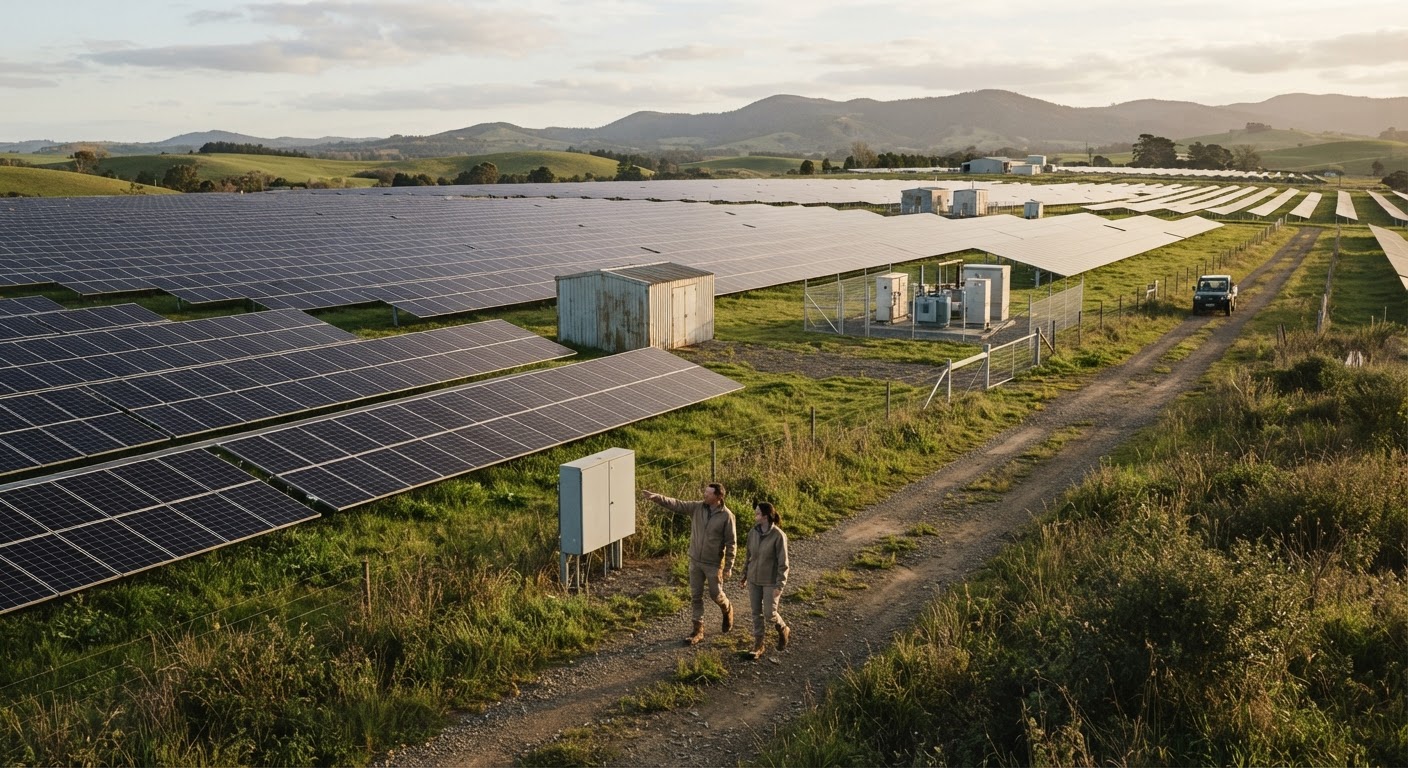
At its core, community solar, also known as shared solar or solar gardens, enables multiple individuals or entities to subscribe to or jointly own a portion of a larger, off-site solar photovoltaic installation. Instead of installing panels on one's own property, participants purchase or lease a share of a solar array typically located on commercial land or a community building. The electricity generated by this array is fed into the local utility grid. Participants then receive credits on their monthly electricity bills from their utility provider, reflecting the amount of energy their share of the solar project has produced. This model democratises access to solar power, extending its benefits beyond homeowners.
What Works Well
- **Accessibility:** Opens solar energy to renters, apartment dwellers, and homeowners with shaded or unsuitable roofs.
- **Cost Savings:** Participants can often reduce their electricity bills through credits, sometimes offering savings immediately or after a short payback period.
- **Environmental Impact:** Directly supports the transition to renewable energy, reducing reliance on fossil fuels and lowering carbon footprints.
- **Grid Support:** Community solar projects can help stabilise local grids, particularly during peak demand periods, and can be sited to meet local energy needs.
- **Community Development:** Many projects contribute to local economies through job creation and lease payments to landowners.
Reduced Carbon Footprint
For individuals looking to reduce their environmental impact, community solar offers a direct pathway. By subscribing to a share of a solar farm, participants are contributing to the generation of clean electricity. A study by the National Renewable Energy Laboratory (NREL) highlighted that for every megawatt-hour of solar electricity generated, a significant amount of CO2 emissions is avoided. This translates to cleaner air and a tangible contribution to climate change mitigation efforts. For instance, a typical household subscribing to a community solar project could offset a substantial portion of their electricity-related emissions, akin to planting dozens of trees annually.
Localised Energy Benefits
Community solar projects are often developed with local communities in mind. They can be particularly beneficial in regions where distributed generation is encouraged by utility policies or government incentives. For example, in parts of the UK, community energy schemes have been instrumental in revitalising rural areas, providing local jobs and keeping energy costs more stable for residents. These projects also enhance energy resilience, reducing strain on transmission infrastructure and potentially mitigating the impact of power outages.

What Doesn't Work So Well
- **Contract Complexity:** Subscription agreements, lease terms, and credit structures can be intricate and vary significantly between providers.
- **Variable Savings:** Actual savings depend on energy usage, utility rates, solar production, and the specific contract terms.
- **Limited Control:** Participants have no control over the technology, maintenance, or location of the solar array.
- **Subscription Terms:** Some contracts may have long commitment periods, making it difficult to switch providers or if you move house.
- **Geographic Limitations:** Availability is dependent on local utility policies and the presence of community solar development in a specific region.
Navigating the Fine Print
The primary challenge with community solar lies in understanding the contractual obligations. Providers may offer different subscription models: some involve paying a monthly fee for a set amount of solar credit, while others might require an upfront payment for a share of the panels. It is crucial to scrutinise these agreements, paying close attention to the duration of the contract, early termination fees, and how the solar credits are applied to your utility bill. A 2022 report by the European Environment Agency highlighted the need for clearer consumer information in renewable energy schemes to avoid unexpected costs or misaligned expectations.
Dependence on Utility Policies
The viability and attractiveness of community solar are heavily influenced by the regulatory landscape set by local utility companies and governments. Net metering policies, which determine how solar credits are valued, can vary dramatically. In some regions, utilities may offer less favourable rates for exported solar energy, diminishing the financial benefits for subscribers. This dependence means that what works well in one jurisdiction might be unfeasible in another, requiring careful research into local regulations and utility tariffs.
The Numbers
Projected Energy Cost Savings Over 5 Years (Illustrative)
Data is illustrative and based on typical contract structures and projected utility rate increases. Actual savings vary.
Compared to Alternatives
Environmental Footprint Comparison (per kWh)
Source: Our World in Data, based on lifecycle emissions for different electricity generation methods (2021 data).
Compared to traditional grid electricity, community solar offers a significant reduction in carbon emissions. While owning rooftop solar panels provides the lowest per-kilowatt-hour emissions due to the absence of transmission losses and project development overhead, community solar remains a highly effective sustainable choice. It is a more accessible and often more financially practical alternative than purchasing a home solely to install solar panels, and it bypasses the environmental impact associated with the manufacturing and installation of individual systems.
Who Community Solar Is For
Community solar is particularly well-suited for individuals and households who are unable to install rooftop solar due to their living situation or property limitations. It's also a strong option for those who are environmentally conscious and want to actively participate in the renewable energy transition but are deterred by the significant capital expenditure required for a private system. Furthermore, it can be an attractive proposition for businesses looking to meet sustainability targets and potentially reduce operational costs without altering their existing infrastructure.
The Verdict
“Community solar is a powerful tool for democratising renewable energy access, offering tangible environmental and financial benefits to those who cannot install their own solar arrays.”
Community solar is a valuable and increasingly viable pathway for individuals and businesses to embrace solar energy. While it requires careful consideration of contract terms and a clear understanding of local utility policies, its ability to provide access to clean energy, reduce electricity bills, and support local environmental goals makes it a worthwhile endeavour for many. The flexibility it offers, particularly for those in rented accommodation or with unsuitable properties, solidifies its role as a key component of a decentralised and sustainable energy future.
Frequently asked questions
Can I get community solar if I rent my home?
How much does community solar cost?
What happens if I move house?
Is community solar as good as rooftop solar?
How do I find community solar programs near me?
Will community solar save me money?
Sources & further reading
- National Renewable Energy Laboratory (NREL) — nrel.gov
- European Environment Agency — eea.europa.eu
- Our World in Data — ourworldindata.org
- International Renewable Energy Agency (IRENA) — irena.org