How to Reduce Food Waste: Plant vs. Animal
Discover how choosing plant-based foods significantly cuts food waste throughout the supply chain, saving resources and the planet.
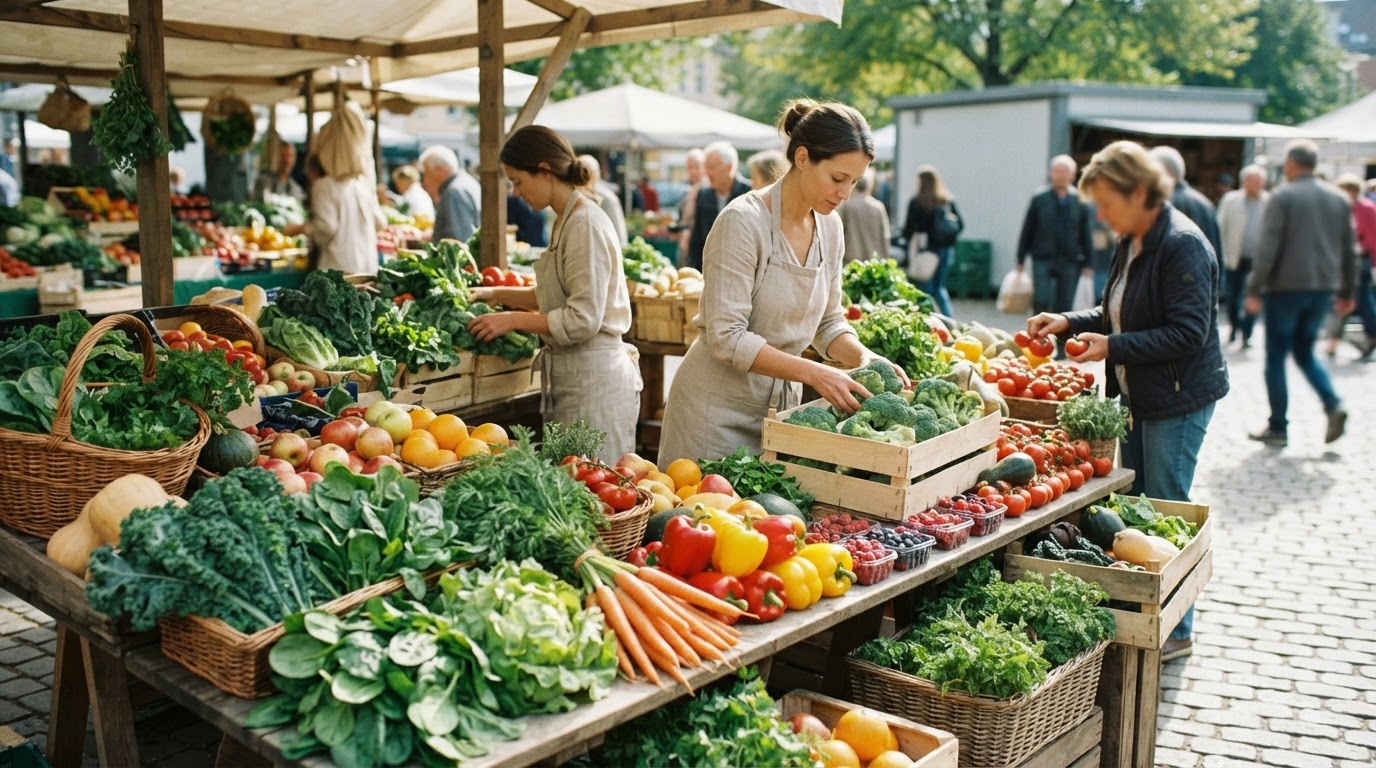
Reducing food waste is a critical challenge for global sustainability, and understanding where waste occurs in our food systems is the first step towards mitigation. When comparing plant-based diets to those reliant on animal products, a clear pattern emerges: animal agriculture is a far greater contributor to food waste from farm to fork. This is not just about the food we might discard from our plates; it encompasses inefficiencies and losses at every stage, from growing feed to processing and distribution. By choosing more plant-centric meals, individuals can directly lessen the environmental burden associated with food production and waste.
What You'll Need to Understand Food Waste
- Knowledge of food supply chains (farm, processing, distribution, retail, consumer)
- Awareness of the resources used in food production (land, water, energy)
- Understanding of greenhouse gas emissions associated with different foods
- A willingness to explore plant-rich meal options
Step 1: Grasping Waste in Animal Agriculture
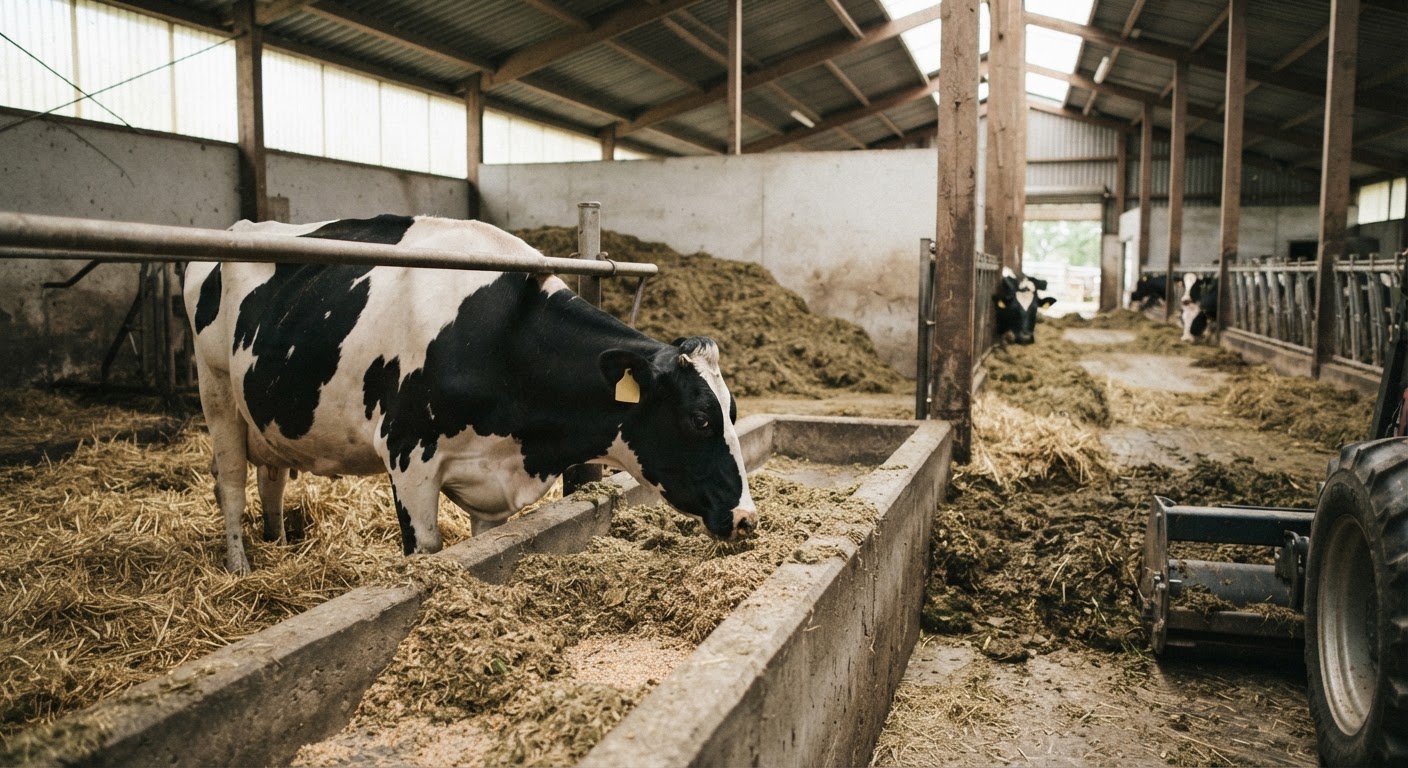
The journey of animal products to our tables is fraught with opportunities for waste. A significant portion of agricultural land globally is dedicated to growing feed crops for livestock. The cultivation of these feed crops, often monocultures, involves substantial resource inputs – water, fertilizers, pesticides – and can lead to soil degradation and biodiversity loss. Furthermore, a considerable amount of these feed crops is lost or becomes unusable before it even reaches the animals, due to pests, spoilage, or inefficient harvesting. This represents a massive upstream waste of resources dedicated solely to animal consumption.
Beyond Feed: Animal Losses and Processing
Once feed is produced, further waste occurs through animal mortality before slaughter, diseases, and the processing of animal carcasses. Not all parts of an animal are consumed by humans, leading to the disposal of by-products, some of which could potentially be valorised but often end up as waste. Processing itself requires significant energy and water, and spoilage can occur at various points in the cold chain. The complexity of ensuring animal products reach consumers safely and hygienically adds further layers where waste can be generated.
Step 2: Understanding Waste in Plant-Based Food Systems
Plant-based food systems, while not entirely free from waste, generally exhibit far less inherent inefficiency and loss. The primary resources are directly used for human consumption. While there are losses in agriculture due to pests, diseases, and weather, these are typically less extensive per calorie or kilogram of food produced compared to animal feed production. Post-harvest handling, storage, and transportation of fruits, vegetables, grains, and legumes are critical stages where waste can occur, often due to the perishable nature of some produce or inadequate infrastructure.
Food Waste by Sector: Plant-Based vs. Animal Products
Food waste estimates from production to consumption, excluding final consumer waste. Source: FAO (Food and Agriculture Organization of the United Nations).
Minimising Losses in Plant Supply Chains
Modern agricultural practices and supply chain management are increasingly focused on reducing post-harvest losses for plant-based foods. Improved storage technologies, efficient transportation networks, and better market access for farmers all contribute to minimizing waste. At the retail and consumer level, while plate waste from plant-based meals can occur, the upstream resource investment for that food is significantly lower than for animal products, making the overall environmental impact of any discarded plant food less severe.
“The environmental footprint of food waste is directly tied to the resources invested in producing that food.”
Step 3: Quantifying the Environmental Impact
The disparity in waste generation between plant-based and animal agriculture translates into significant differences in environmental impact. Water usage is a prime example. Producing a kilogram of beef requires vastly more water than producing a kilogram of vegetables or grains. Similarly, greenhouse gas emissions are substantially higher for animal products, not only from methane produced by livestock but also from land-use change for pastures and feed crops, and energy used in processing. Reducing food waste in animal supply chains, or better yet, reducing reliance on them, offers a potent double benefit for climate and resource conservation.
The Role of Consumer Choice
Consumer purchasing decisions have a profound ripple effect. By opting for plant-based meals more frequently, individuals directly reduce the demand for animal products, thereby decreasing the overall scale of animal agriculture and its associated waste. This doesn't necessarily mean eliminating animal products entirely, but a conscious shift towards a more plant-forward diet can make a significant difference. Supporting local farmers and producers who practice sustainable agriculture, whether for plant or animal products, also plays a role in minimizing waste and environmental impact.

Step 4: Practical Actions to Reduce Food Waste
- Plan meals and shopping lists to avoid overbuying.
- Store fruits and vegetables properly to extend their freshness.
- Utilise leftovers creatively in new dishes.
- Understand 'best before' and 'use by' dates to avoid discarding edible food.
- Choose plant-based meals more often, focusing on whole foods.
- Compost food scraps where possible to divert from landfill.
Step 5: Advocating for Systemic Change
Beyond individual actions, advocating for systemic changes is crucial. This includes supporting policies that promote sustainable agriculture, reduce food loss in supply chains, and encourage plant-based diets. Engaging with local authorities, supporting food charities that redistribute surplus food, and educating others about the food waste impacts of different diets are all vital components of a broader strategy. The EAT-Lancet Commission's report, for instance, highlights the need for dietary shifts towards sustainable, healthy plant-based foods for planetary health.
Estimated Global Food Loss & Waste (Percentage of Total Food Produced)
Overall food wasted or lost across the global food supply chain. Source: FAO (Food and Agriculture Organization of the United Nations).
Troubleshooting Common Challenges
- **Perishability Concerns:** Focus on buying only what you need, using proper storage, and planning meals around ingredients that need to be used first. Freezing is also a great option.
- **Taste and Variety:** Explore diverse plant-based recipes. The world of plant-based cuisine is vast and exciting, offering endless flavour combinations.
- **Social Situations:** Communicate your dietary choices respectfully. Many restaurants now offer excellent plant-based options, and bringing a plant-based dish to share at gatherings is often appreciated.
Frequently asked questions
Which food supply chain produces more waste?
How does animal feed contribute to food waste?
Are plant-based diets completely waste-free?
What is the environmental benefit of reducing food waste?
How can I reduce my personal food waste related to plant-based foods?
What role does processing play in food waste?
Sources & further reading
- Food and Agriculture Organization of the United Nations (FAO) — fao.org
- Our World in Data — ourworldindata.org
- Water Footprint Network — waterfootprint.org
- Nature Food — nature.com/natfood/
- EAT-Lancet Commission Summary Report — eatforum.org/eat-lancet-commission/