The Unseen End: A Look Inside Livestock Processing
Beyond the farm gate, the journey of animals raised for food culminates in complex, often challenging, industrial processes. Understanding these realities is crucial for informed choices.
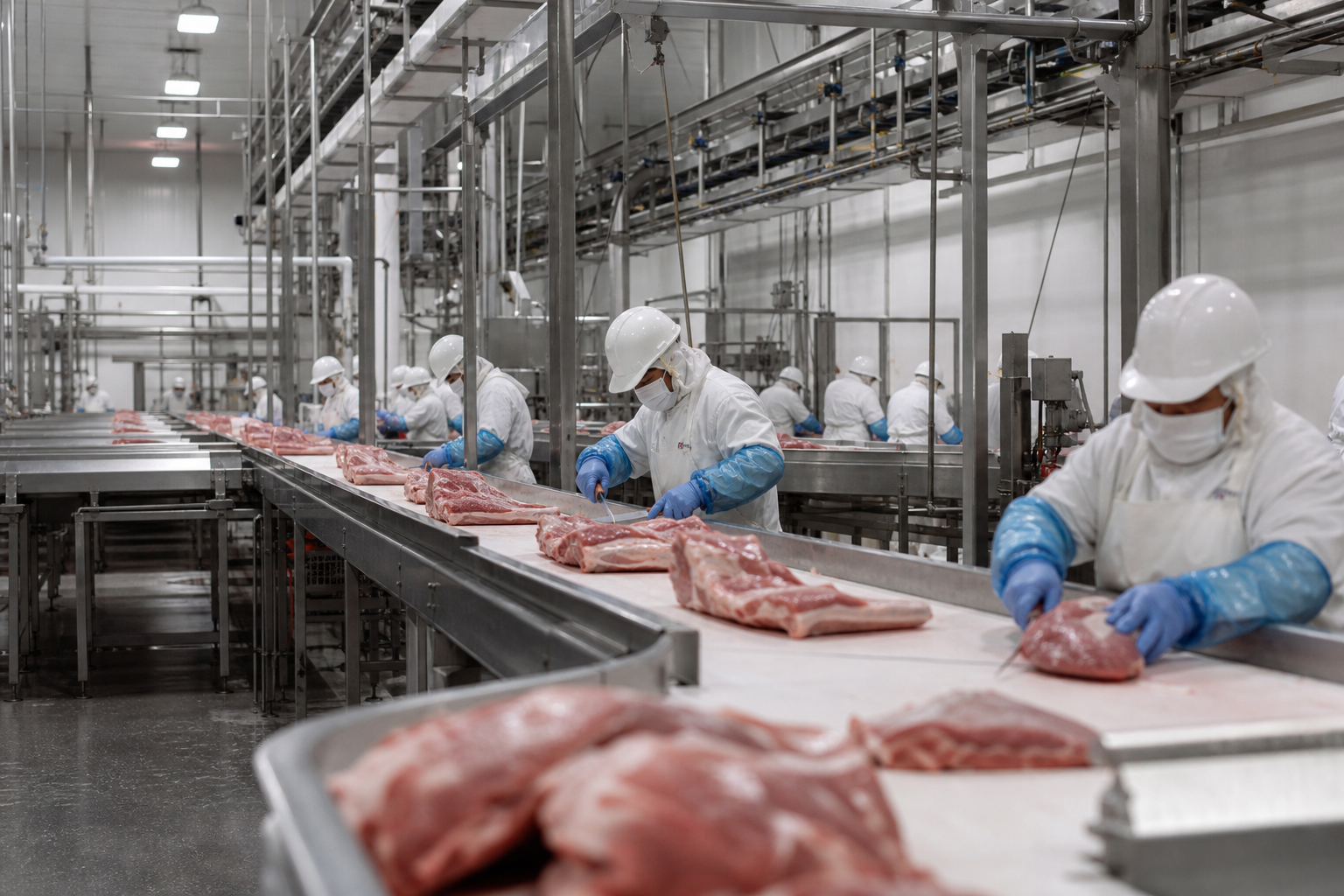
The vast majority of animals destined for our plates do not experience a gentle end on a smallholding. Instead, their final journey takes them to large-scale processing plants, industrial facilities designed for efficiency and volume. These sites, often located in rural or peri-urban areas, represent a critical, yet frequently overlooked, stage in the food system. For many consumers, the process of turning a live animal into packaged meat remains shrouded in mystery, a necessary but unexamined transition.
The Logistics of Arrival
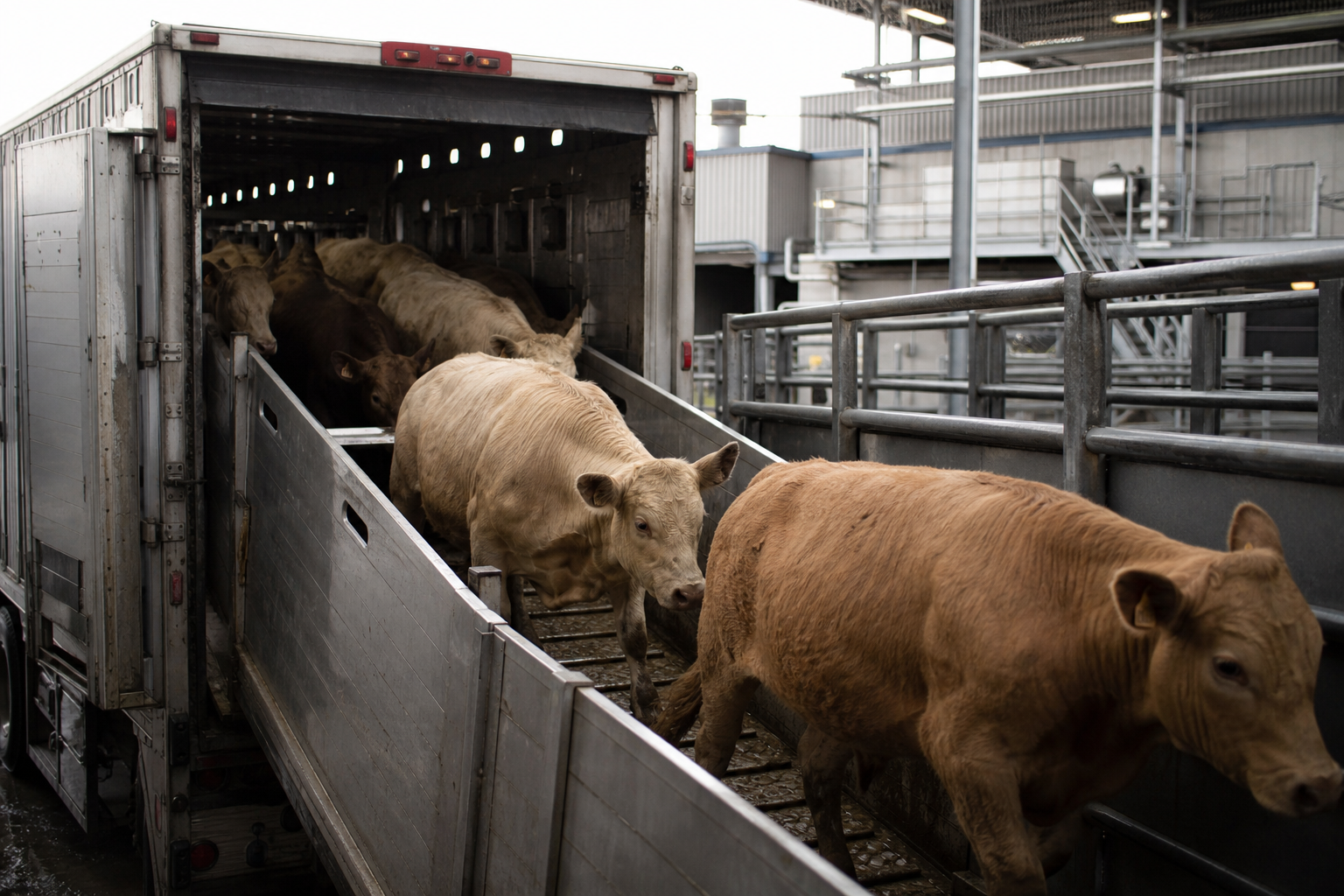
Animals arrive at processing facilities in large numbers, typically transported by road in specialized lorries. The welfare of these animals during transport and upon arrival is a significant concern, with regulations in place to mitigate stress and injury. However, the sheer scale of operations means that even with best practices, the experience can be disorienting and stressful for the animals. Holding pens are designed to manage large groups, and the sounds and smells of the facility are a stark departure from their familiar environments.
Humane Slaughter: The Goal and the Challenge
The stated objective in modern processing is humane slaughter – minimizing pain and distress for the animal. This typically involves stunning the animal to render it unconscious before exsanguination. Various methods are employed, including electrical stunning, captive bolt stunning, and controlled atmosphere stunning (often using carbon dioxide). The effectiveness of these methods relies heavily on precise execution, proper equipment maintenance, and skilled personnel. When these factors align, the aim is a rapid loss of consciousness. However, equipment malfunctions, human error, or variations in animal physiology can lead to stunning failures, a deeply concerning outcome.
The Processing Line
Once stunned, animals move along a processing line. For cattle, this involves shackling, hoisting, and then bleeding. For pigs and sheep, similar processes occur, often adapted to their size and anatomy. The subsequent steps include scalding (to loosen hair or feathers), dehairing or defeathering, evisceration (removal of internal organs), splitting carcasses, and washing. Each stage is designed for speed and hygiene, with automated machinery playing a significant role. Meat inspectors, often from government agencies, are present to monitor the process and condemn any carcasses or parts deemed unfit for human consumption due to disease or contamination.
Hygiene and Food Safety
Maintaining stringent hygiene is paramount in processing plants to prevent microbial contamination and ensure the safety of the final product. This involves rigorous cleaning and sanitation protocols for equipment, surfaces, and the environment. Water is used extensively for washing carcasses and equipment, raising questions about water usage and wastewater management in large-scale operations. The industry operates under strict food safety regulations, with Hazard Analysis and Critical Control Points (HACCP) systems being a common framework for identifying and controlling potential hazards.
Water Usage in Meat Processing (Illustrative)
Data is illustrative and can vary significantly based on plant efficiency and processes. Source: Adapted from various environmental impact studies.
Environmental Considerations
Processing plants are significant industrial operations with environmental footprints. Key concerns include energy consumption, water usage, and the management of waste products, including animal by-products and wastewater. While by-products are often rendered into animal feed, pet food, or other industrial uses, the sheer volume generated requires efficient systems. Wastewater treatment is a critical aspect, as it can contain high levels of organic matter, nutrients, and pathogens. The location of these plants can also raise concerns for local communities regarding odour, traffic, and potential environmental impacts.

“The journey from farm to fork involves complex industrial processes that are vital for our food supply, yet often remain out of public view.”
Worker Welfare and Safety
The work in a processing plant is demanding, fast-paced, and can be hazardous. Workers face risks of repetitive strain injuries, cuts, and other accidents. While safety protocols are in place, the high-pressure environment and the nature of the work present ongoing challenges. Labour shortages and high turnover rates are also common in the industry, which can impact training and operational consistency. The well-being of these workers is an integral, though often unspoken, part of the processing narrative.
- Repetitive Strain Injuries (e.g., carpal tunnel syndrome)
- Cuts and lacerations from knives and machinery
- Slips, trips, and falls
- Exposure to extreme temperatures and noise
Economic Impact and Scale
Livestock processing is a significant economic sector, providing employment in many regions. The efficiency and scale of these plants are crucial for making meat products accessible and affordable. However, the industry is also subject to market fluctuations, regulatory changes, and public scrutiny regarding animal welfare and environmental practices. Consolidation within the industry means that a few large companies often dominate the processing landscape, influencing market dynamics and operational standards.
The Future of Processing
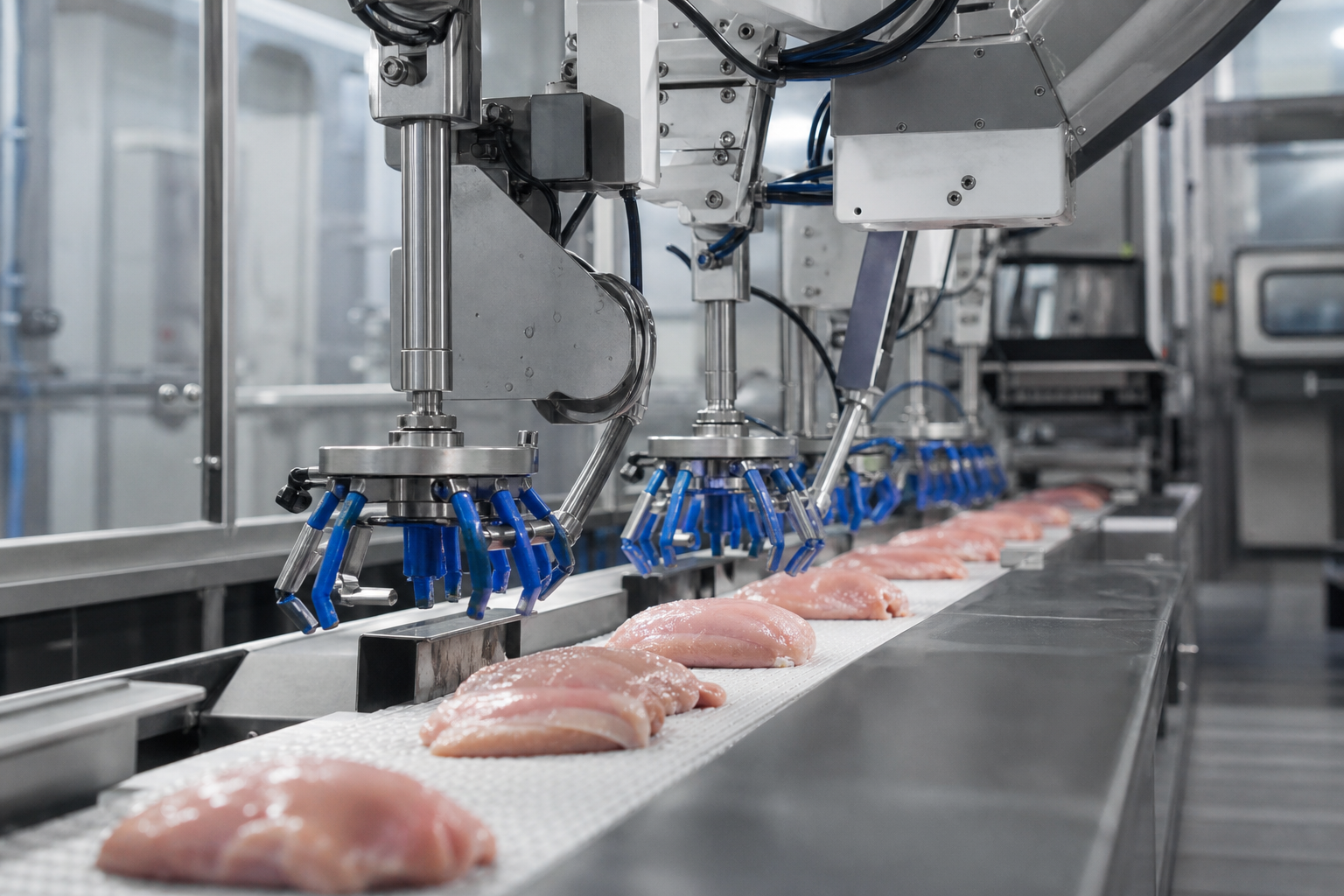
As societal awareness of animal welfare and environmental sustainability grows, the processing industry faces increasing pressure to adapt. Innovations in stunning technology, automation, and waste management are being explored. There is also a broader conversation about reducing reliance on industrial animal agriculture altogether, with a growing interest in alternative protein sources and less resource-intensive food systems. The future of livestock processing will likely be shaped by these evolving demands for transparency, efficiency, and ethical consideration.
Comparative Environmental Impact of Protein Sources (Illustrative)
Illustrative data; actual figures vary based on farming and processing methods. Source: Poore & Nemecek, Science (2018).
The industrial processing of livestock is a complex, multifaceted operation. It is a system driven by the demand for affordable protein, underpinned by industrial efficiency, and subject to ongoing scrutiny regarding its impacts on animals, workers, and the environment. By bringing these processes into clearer focus, Veg.ac aims to foster a deeper understanding of our global food system and encourage thoughtful engagement with the choices we make.
Sources & further reading
- Food and Agriculture Organization of the United Nations (FAO) — Animal production and health
- The Guardian — Investigations into the meat industry
- World Organisation for Animal Health (WOAH) — Animal welfare guidelines
- Science (journal) — Environmental impacts of food production (e.g., Poore & Nemecek, 2018)
- European Food Safety Authority (EFSA) — Reports on animal welfare and food safety