Beyond the Olive Oil: Rethinking the Mediterranean Diet in a Plant-Centric World
The famed Mediterranean diet offers valuable lessons, but a truly optimal approach to health and sustainability may lie in embracing a more thoroughly plant-based future.

For decades, the Mediterranean diet has been lauded as a gold standard for healthy eating. Rooted in the traditional eating patterns of countries bordering the Mediterranean Sea, it's celebrated for its emphasis on fresh fruits, vegetables, whole grains, legumes, nuts, seeds, and olive oil, with moderate consumption of fish and poultry, and limited red meat and processed foods. This dietary pattern has been consistently linked to a reduced risk of heart disease, certain cancers, and improved longevity. However, as our understanding of nutrition, environmental impact, and ethical considerations evolves, it's time to critically examine whether the Mediterranean diet, as commonly practiced and promoted, fully aligns with the most health-conscious and sustainable choices available today.
The Enduring Appeal of Mediterranean Eating
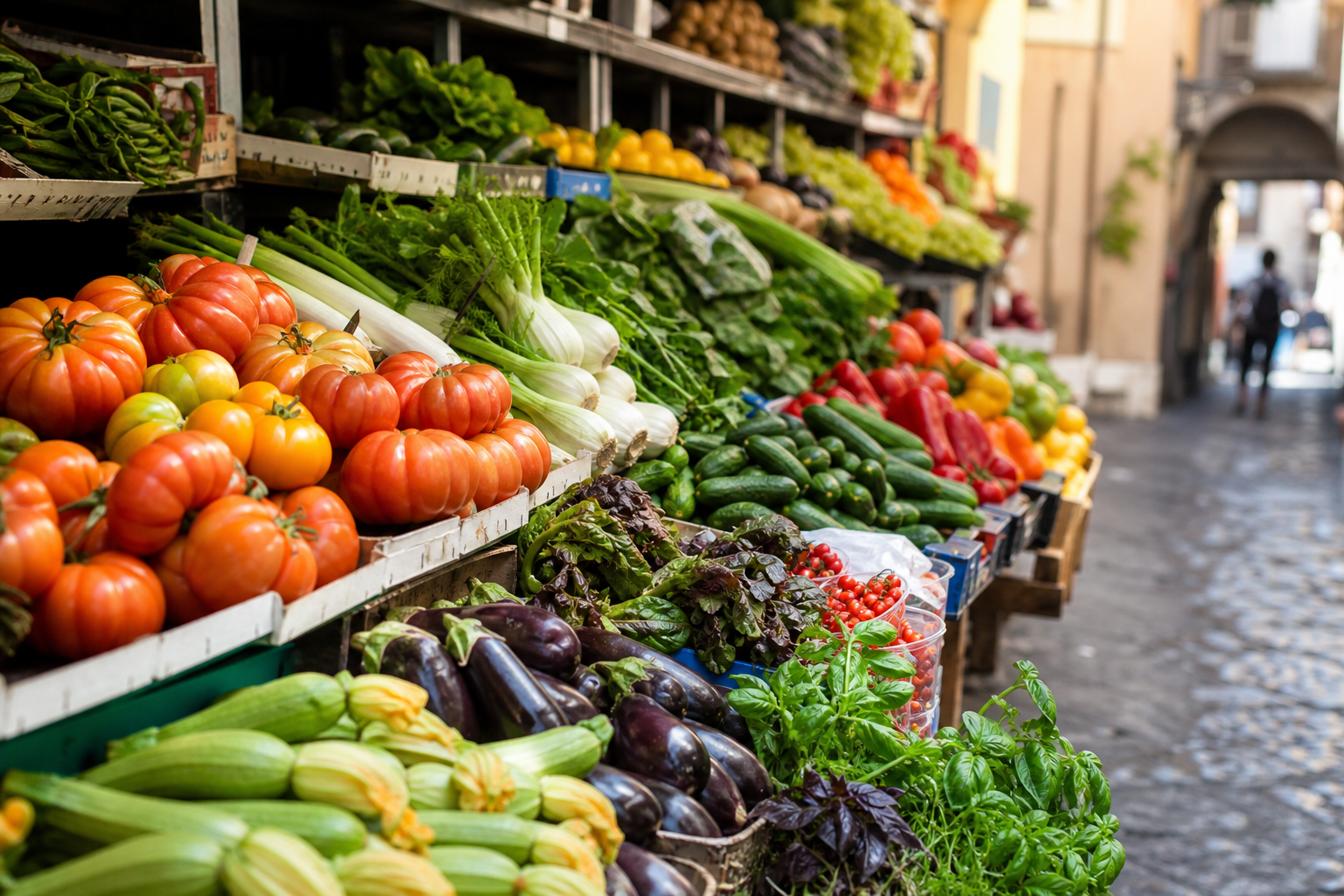
The core tenets of the Mediterranean diet are undeniably beneficial. The abundance of plant-based foods provides essential fibre, vitamins, minerals, and antioxidants. Olive oil, a cornerstone of the diet, offers monounsaturated fats, which are heart-healthy. The inclusion of fish provides omega-3 fatty acids, also crucial for cardiovascular and cognitive health. This balanced approach, rich in whole, unprocessed foods, naturally displaces less healthy options. It's a way of eating that prioritises flavour, seasonality, and community, making it appealing and sustainable for many.
Decades of Evidence
Numerous large-scale studies, including the landmark PREDIMED trial, have reinforced the health advantages associated with adhering to a Mediterranean dietary pattern. These studies consistently show lower rates of cardiovascular events, type 2 diabetes, and certain neurodegenerative diseases among those who follow this eating style. The synergy of nutrients from diverse plant sources, coupled with healthy fats and lean proteins, appears to create a powerful protective effect.
Where the Mediterranean Diet Falls Short for Some
While beneficial, the traditional Mediterranean diet is not inherently vegan. It includes moderate amounts of fish, poultry, dairy, and sometimes eggs. For individuals seeking to maximise health benefits, minimise their environmental footprint, or adhere to ethical principles concerning animal welfare, these animal-derived foods present a divergence from a plant-based approach. The production of these animal products, even when consumed in moderation, carries significant environmental costs and ethical considerations that a fully plant-based diet avoids.
“The environmental impact of animal agriculture, even in moderate amounts, is a crucial consideration in today's world.”
Environmental Footprint Considerations
The environmental burden associated with animal agriculture is substantial, contributing significantly to greenhouse gas emissions, land degradation, water pollution, and biodiversity loss. Even moderate consumption of animal products, as seen in the Mediterranean diet, contributes to this global challenge. Shifting towards a predominantly plant-based diet offers a far more sustainable pathway, requiring less land, water, and energy, and generating fewer emissions. This is particularly relevant for regions facing water scarcity or land-use pressures, common in many Mediterranean-adjacent areas.
Greenhouse Gas Emissions per Kilogram of Food
Data represents average emissions across various production systems. Source: Poore & Nemecek (2018), Science.
Ethical Perspectives
For many, the ethical implications of animal agriculture are a primary driver for adopting a plant-based lifestyle. The intensive farming practices, the welfare of sentient beings, and the fundamental question of whether it is necessary to consume animal products when nutritious plant-based alternatives are abundant, are all powerful motivators. A plant-based diet aligns with a commitment to reducing animal suffering and promoting a more compassionate food system.
The Plant-Based Advantage: Amplifying Health and Sustainability
A well-planned plant-based diet can not only match but often surpass the health benefits attributed to the Mediterranean diet, while also addressing its environmental and ethical shortcomings. By eliminating animal products entirely, individuals can further reduce their intake of saturated fat and cholesterol, and maximise their consumption of nutrient-dense plant foods. This can lead to even greater improvements in cardiovascular health, weight management, and the prevention of chronic diseases.
- Enhanced fibre intake, promoting gut health and satiety.
- Higher consumption of phytonutrients and antioxidants.
- Further reduction in saturated fat and cholesterol intake.
- Significant decrease in personal environmental footprint.
- Alignment with ethical considerations for animal welfare.
Nutritional Adequacy and Key Considerations
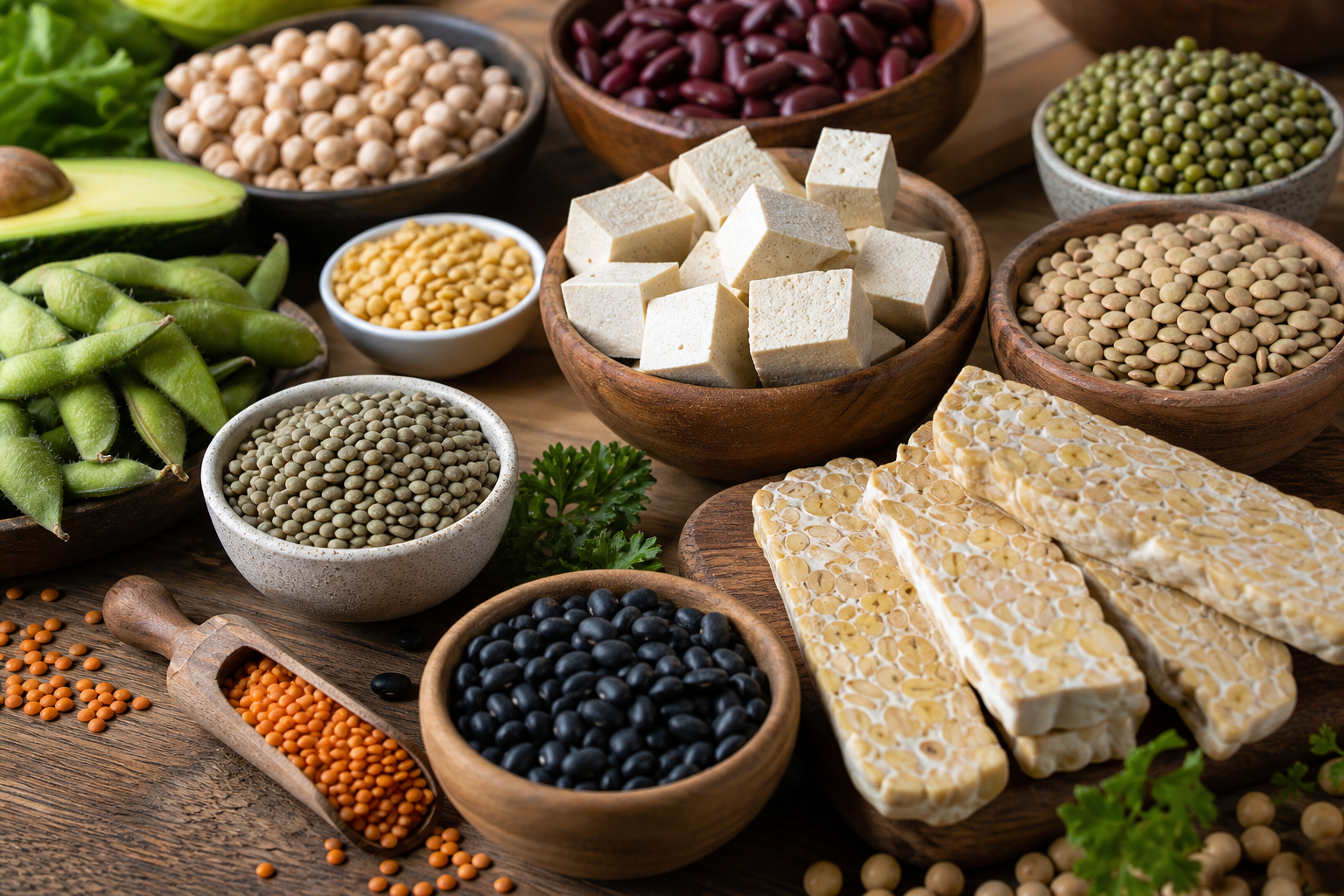
Concerns about nutrient deficiencies on a plant-based diet are often raised, but with careful planning, these can be easily avoided. Key nutrients to be mindful of include vitamin B12, vitamin D, omega-3 fatty acids (EPA and DHA), iron, calcium, zinc, and iodine. Fortunately, fortified foods and supplements are readily available, and many plant foods are excellent sources of these nutrients. For example, fortified plant milks and nutritional yeast provide B12, while algae-based supplements offer EPA and DHA. Legumes, dark leafy greens, and fortified cereals are good sources of iron and calcium.
Adapting Mediterranean Principles to a Plant-Based Framework
The beauty of the Mediterranean diet lies in its emphasis on whole, unprocessed foods and seasonal eating. These principles can be seamlessly integrated into a plant-based framework. Imagine a 'Mediterranean-inspired plant-based' diet: it would still feature abundant vegetables like tomatoes, courgettes, and aubergines, alongside whole grains like farro and barley, and legumes such as chickpeas and lentils. Nuts and seeds would be staples, and olive oil could still be used as a primary fat source, albeit with an awareness of its calorie density. The key difference is the complete omission of animal products, replaced by an even greater variety of plant-based proteins like tofu, tempeh, and seitan, or simply by increasing portions of beans and lentils.
Water Footprint per Kilogram of Food
Average water footprint across various production systems. Source: Poore & Nemecek (2018), Science.
A Holistic Approach to Well-being
Ultimately, the conversation between the Mediterranean diet and plant-based eating isn't about declaring one superior in all aspects. It's about recognising the strengths of each and understanding how to optimise for health, sustainability, and ethics. The Mediterranean diet provides a valuable blueprint for incorporating more plant foods and healthy fats. However, for those seeking the most profound health benefits, the smallest environmental footprint, and a diet aligned with compassion, a well-structured plant-based approach offers a compelling and increasingly accessible future. It allows us to embrace the vibrant, flavourful, and health-promoting aspects of traditional diets while making choices that benefit ourselves, our planet, and all its inhabitants.
- Focus on whole, unprocessed foods.
- Prioritise seasonal and locally sourced produce.
- Explore a wide range of plant-based protein sources.
- Be mindful of key nutrients and consider fortified foods or supplements.
- Reduce or eliminate animal product consumption for maximum health and environmental benefits.
Sources & further reading
- Poore, J., & Nemecek, T. — Reducing food’s environmental impacts through producers and consumers. Science, 360(6392), 1007-1011.
- Estruch, J., et al. — Primary Prevention of Cardiovascular Disease with a Mediterranean Diet Supplemented with Extra-Virgin Olive Oil or Nuts. New England Journal of Medicine, 368(14), 1279-1290.
- Willett, W. C. — The Mediterranean diet: an ideal eating pattern for the 21st century. The American Journal of Clinical Nutrition, 78(3), 529S-533S.
- Harvard T.H. Chan School of Public Health — The Nutrition Source: Healthy Eating Plate & Healthy Eating Pyramid
- The Vegan Society — Nutrition and veganism