Navigating the Dinner Table: Graceful Veganism in Non-Vegan Homes
When family gatherings involve meat, maintain your values with kindness and a few clever strategies.
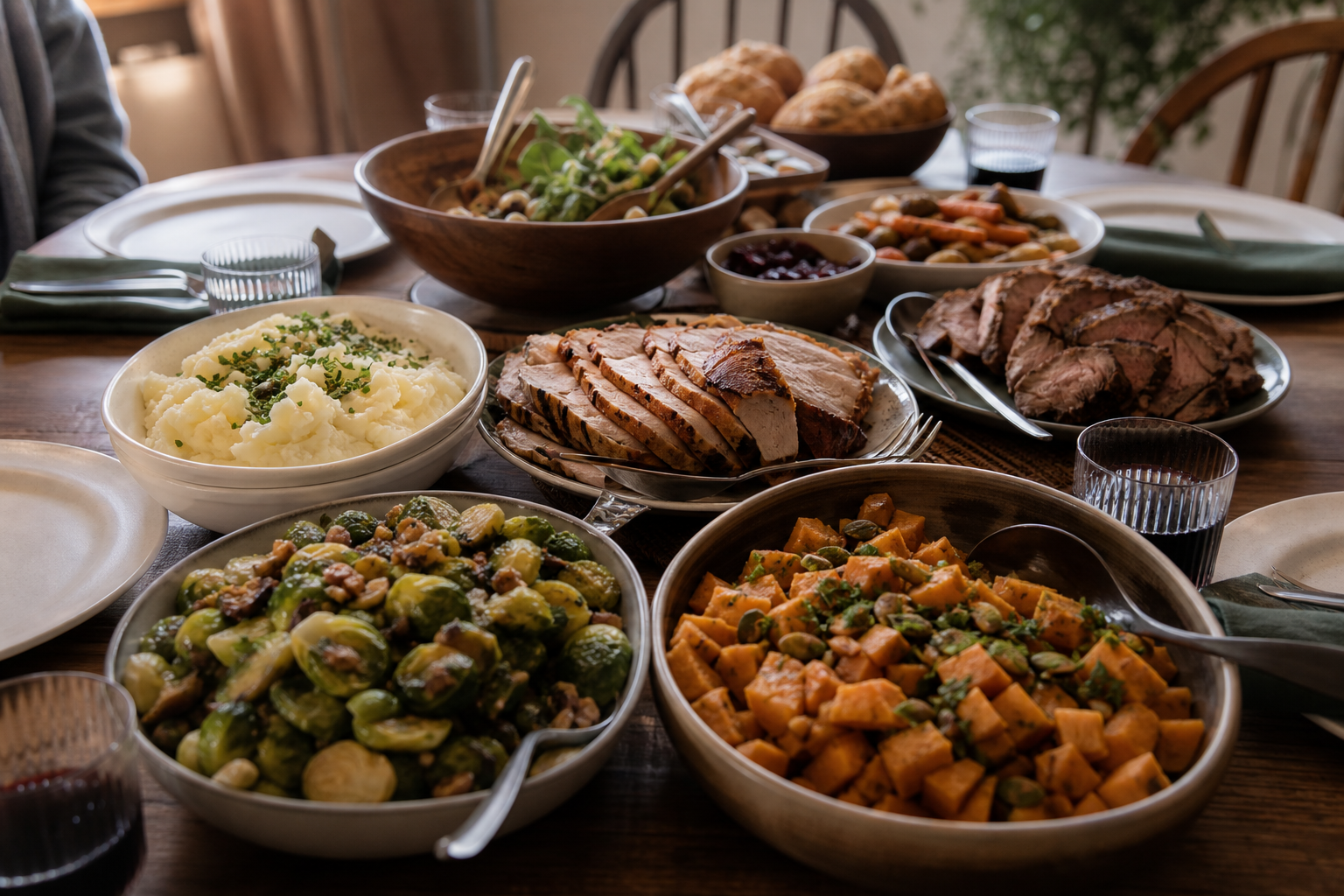
The aroma of roasting meat, the clinking of cutlery, the familiar hum of conversation – family meals are often steeped in tradition and comfort. For those embracing a vegan lifestyle, these occasions can also present a unique set of challenges. It's a delicate dance, balancing personal ethics with the desire to connect with loved ones, especially when the centrepiece of the meal isn't plant-based. The good news is that navigating these moments doesn't require confrontation or compromise on your values. With a little preparation and a generous spirit, you can enjoy family time while staying true to your commitments.
Understanding the Landscape
It's helpful to approach these situations with empathy for both yourself and your hosts. Often, well-meaning family members may not fully grasp the nuances of veganism, or they might feel a sense of obligation to cater to you, which can add pressure. They may also be accustomed to traditional meal structures where meat plays a central role. Recognising these underlying dynamics can help you respond with patience and understanding, fostering a more positive atmosphere for everyone.
The Power of Proactive Communication
The most effective strategy is often to communicate *before* the event. A simple, friendly chat with the host a few days in advance can preempt many potential issues. You can express your excitement about seeing everyone and then gently mention your dietary choices. Phrases like, 'I'm really looking forward to Sunday lunch! Just a reminder, I'm eating vegan these days, so I'll be bringing a dish to share,' can set a collaborative tone.
- Offer to bring a dish that complements the meal and can be enjoyed by others too.
- Suggest a specific dish you'd love to contribute, making it easy for the host.
- Ask if there are any dishes you can safely eat, rather than assuming the opposite.
At the Table: Strategies for the Meal
When you arrive, the atmosphere might be buzzing, and the food might already be prepared. This is where grace and a few practical tactics come into play. Focus on what you *can* eat and enjoy the company. Most meals, even those centred around meat, will have side dishes that are naturally vegan or can be easily adapted. Think roasted vegetables, salads, potatoes, grains, and bread.
The Art of the Shared Dish
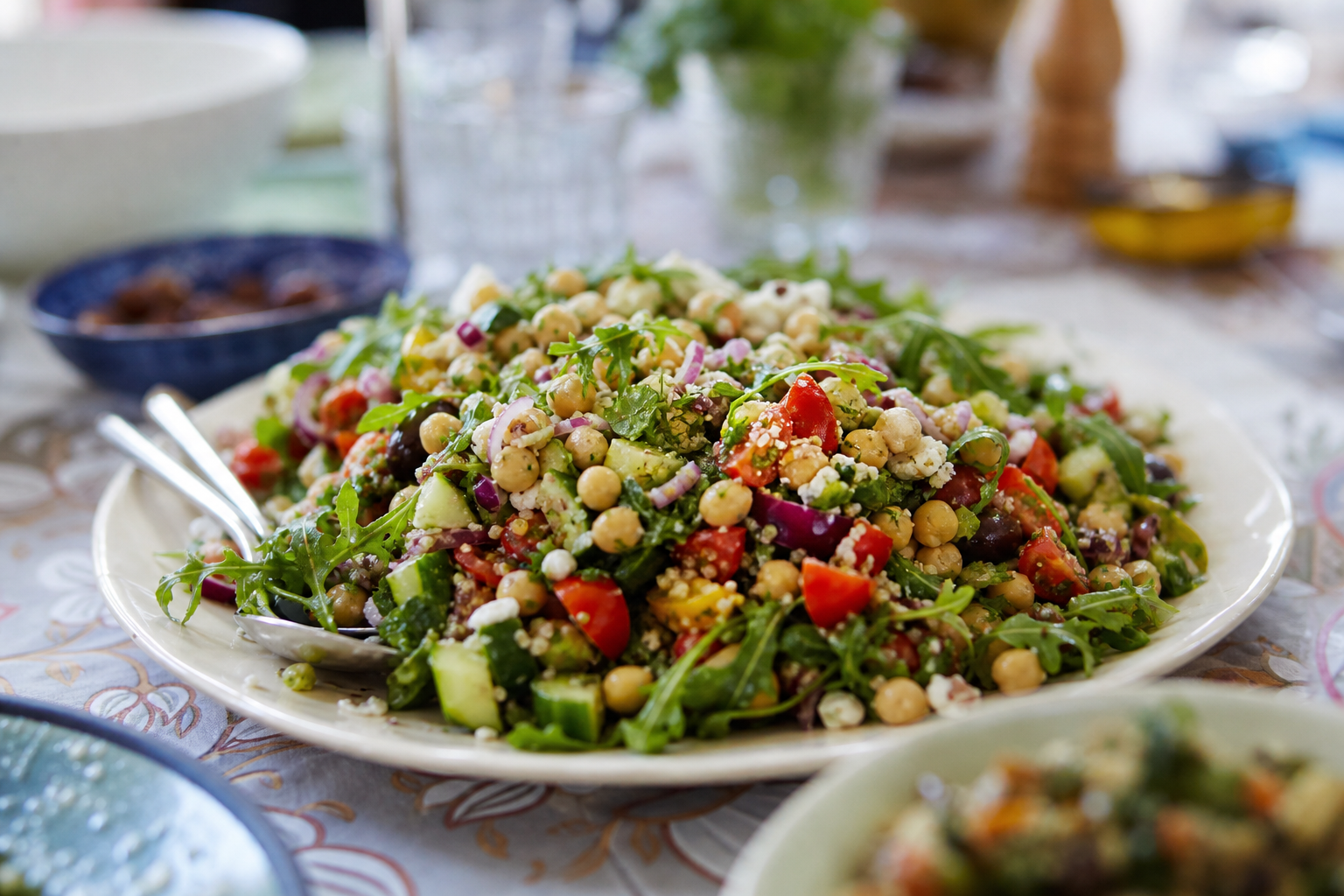
Bringing a vegan dish to share is a fantastic way to ensure you have a satisfying meal and also introduces delicious plant-based options to your family. Choose something crowd-pleasing – a hearty lentil shepherd's pie, a vibrant quinoa salad, or a comforting vegetable gratin. This not only provides for you but also allows others to sample your cooking and see how flavourful vegan food can be. It’s a gesture of generosity that often fosters goodwill.
Navigating Serving
When it's time to serve, a simple approach is to fill your plate with the vegan options first. If there's a shared serving spoon for a meat dish, you can politely ask for a clean one or use your own, or simply avoid that particular dish if you're concerned about cross-contamination. Most of the time, people are happy to accommodate a request for a clean utensil. Remember, your presence and enjoyment are what matter most.
“Focus on connection, not just consumption. The shared experience is often more nourishing than the specific ingredients.”
Addressing Concerns and Curiosity
Inevitably, your food choices might spark questions. Approach these with openness and a willingness to share your perspective without being preachy. People are often curious about where you get your protein or if you miss certain foods. You can share simple, factual answers. For instance, 'I get protein from beans, lentils, tofu, and nuts – they're delicious!' or 'I've found so many amazing new recipes, I don't feel like I'm missing out.'
Environmental Impact of Protein Sources (kg CO2e per kg protein)
Data aggregated from various lifecycle assessments of food production.
When You Can't Avoid Non-Vegan Food
There might be rare occasions where you find yourself at a meal with very few, if any, suitable options. In such cases, the most important thing is to preserve your health and comfort. If you've brought a dish, rely on that. If not, focus on what little you can eat – perhaps some plain bread, fruit, or vegetables. It’s also perfectly acceptable to politely explain that you’re not hungry or have eaten earlier. Prioritising your well-being is paramount, and most understanding families will respect this.
The Long Game: Fostering Understanding
Each family gathering is an opportunity not just to navigate a meal, but also to gently educate and foster understanding over time. By consistently demonstrating that veganism is enjoyable, healthy, and ethical, and by doing so with kindness and respect, you can gradually shift perceptions. Your positive example is often more powerful than any debate. Over time, family members may become more comfortable and even enthusiastic about accommodating your choices, perhaps even exploring vegan options themselves.
Celebrating Shared Values
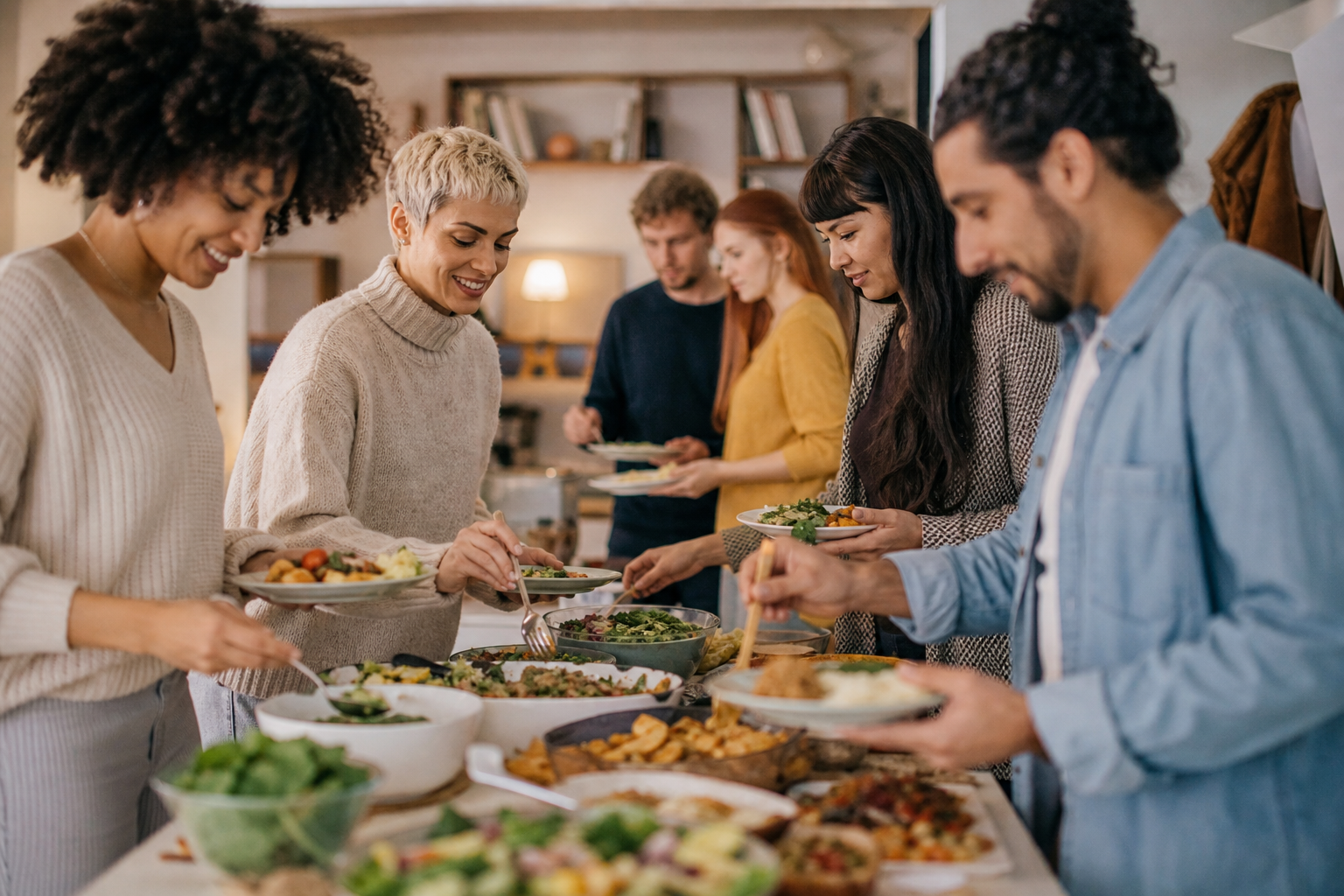
Ultimately, family meals are about connection. While food is a central part of these gatherings, it's the shared laughter, stories, and time spent together that truly nourish us. By approaching these events with a prepared mind, a kind heart, and a focus on the joy of connection, you can ensure that family dinners remain a source of warmth and belonging, for you and for everyone at the table.
Per Capita Dairy Consumption (Liters per year)
Data represents average consumption from FAOSTAT, 2020.
- Focus on the positive aspects of your vegan diet: vibrant flavours, new recipes, and feeling good.
- Be patient and understanding; change takes time.
- Remember your 'why' – your ethical, environmental, or health motivations.
- Don't be afraid to politely set boundaries if needed.
Sources & further reading
- FAOSTAT — Food and Agriculture Organization of the United Nations
- Our World in Data — Global research organisation exploring large-scale change
- Poore, J., & Nemecek, T. — Reducing food’s environmental impacts through producers and consumers. Science, 360(6392), 1023-1027.
- OECD-FAO Agricultural Outlook — Organisation for Economic Co-operation and Development / Food and Agriculture Organization of the United Nations
- Water Footprint Network — International research-based organisation