The Hidden Cost of a Companion: Unravelling the Puppy Farm Trade
Beyond the cute faces and wagging tails, a vast and often cruel industry fuels the demand for companion animals. It's time to look closer at the economic realities behind where our pets come from.
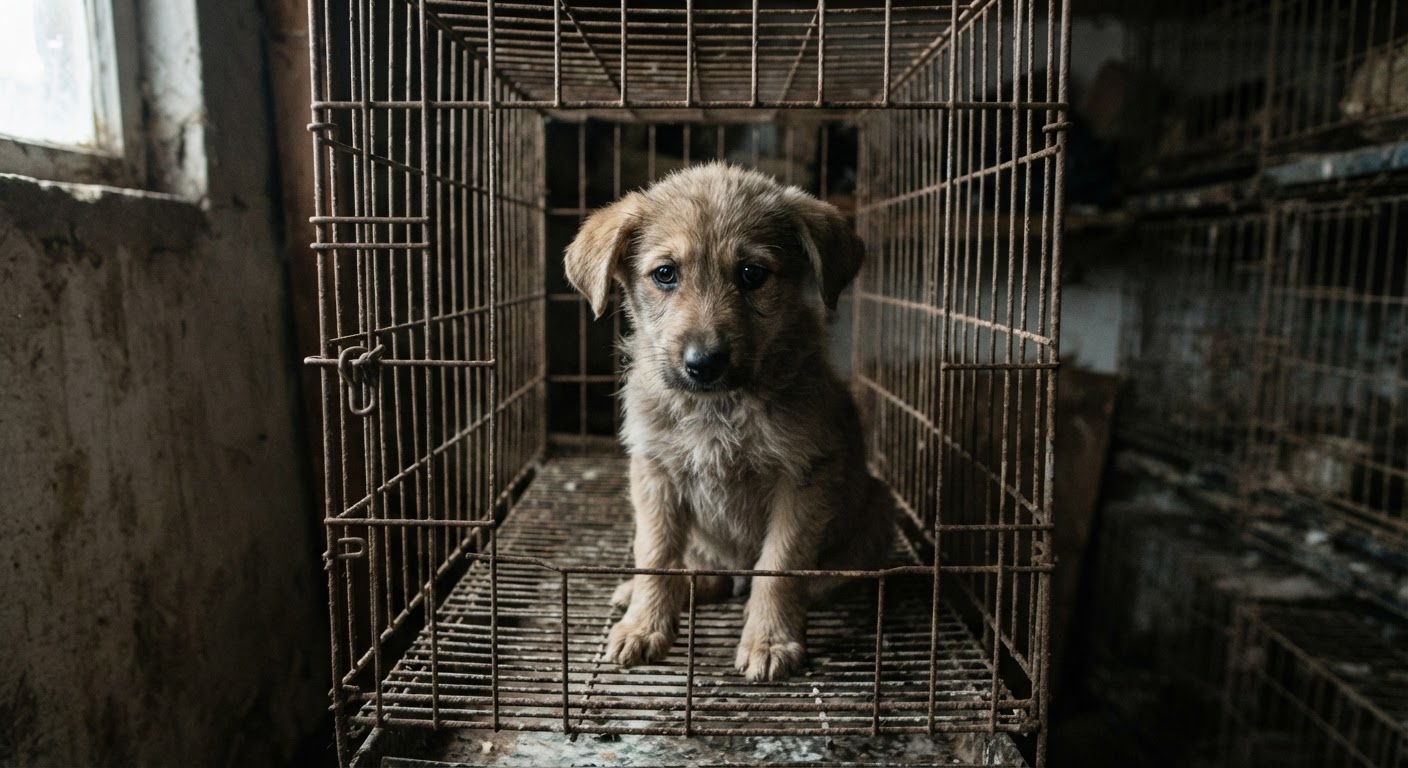
The desire for a furry companion is a deeply ingrained human impulse. Whether it’s the unconditional love of a dog or the calming presence of a cat, animals enrich our lives in countless ways. This bond, however, is being exploited by a shadowy economy that prioritizes profit over welfare. Puppy farms, often operating under the guise of legitimate breeding businesses, are at the heart of this trade, supplying a significant portion of the companion animals sold in pet shops and online across the UK and Europe.
A Business Built on Breeding
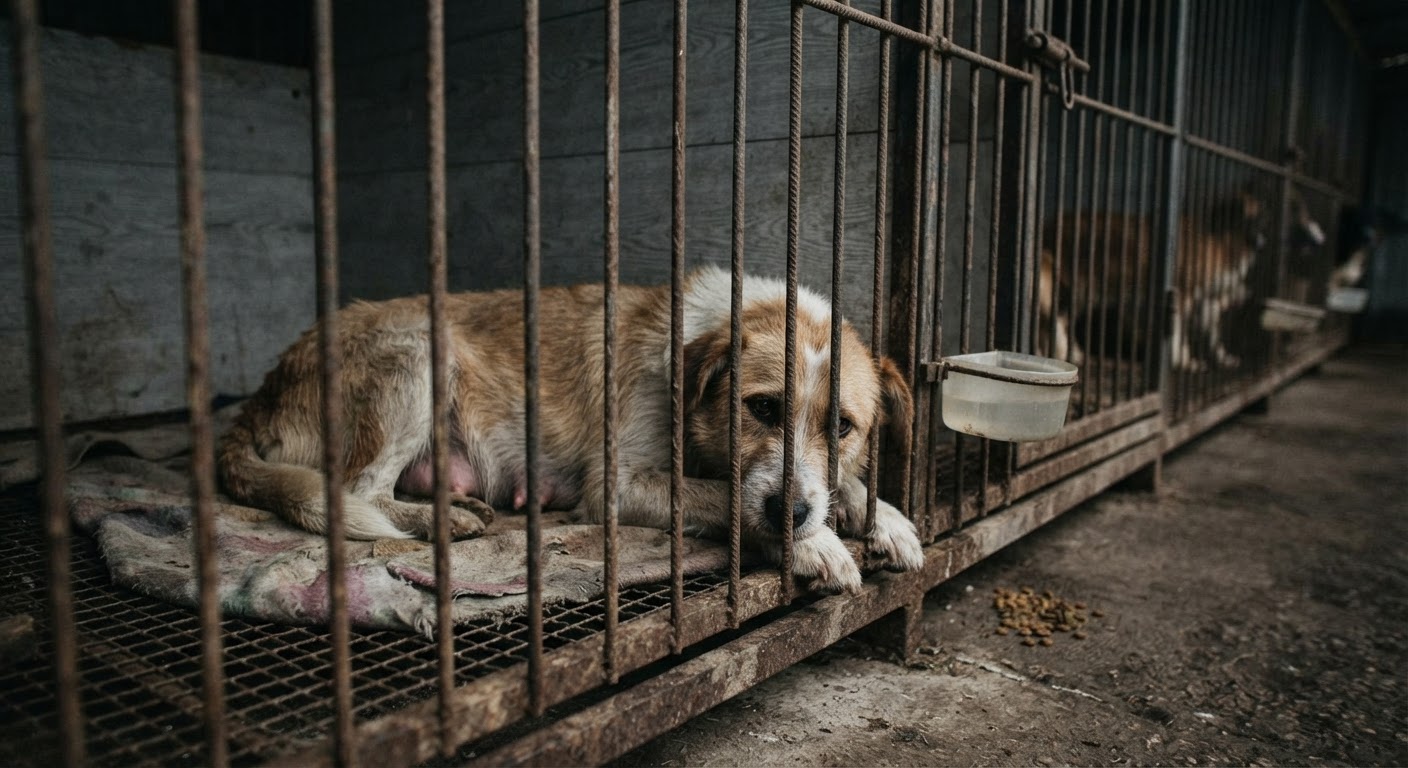
At its core, a puppy farm is a high-volume breeding facility. The primary goal is to produce as many puppies as possible, as quickly as possible, to meet market demand. Unlike responsible breeders who carefully select parent animals for health and temperament, and ensure proper socialisation and care for their litters, puppy farmers often use dogs solely as breeding machines. The parent animals, frequently referred to as 'breeders' or 'stock,' are kept in deplorable conditions, often in small, barren cages, with minimal veterinary care, inadequate nutrition, and little to no human interaction. Their lives are a cycle of forced impregnation, birth, and weaning, with their own well-being a distant second to their reproductive capacity.
The Economics of Cruelty
The profitability of puppy farming hinges on extreme cost-cutting measures. Veterinary care is often limited to the bare minimum, if provided at all. Puppies are often weaned too early, leading to behavioural and health issues. The parent dogs receive little stimulation or exercise, contributing to physical and psychological distress. This neglect allows farmers to maximise their return on investment. The puppies themselves, once they reach an age to be sold, are transported in cramped, unsanitary conditions, often across long distances, to be sold to unsuspecting buyers. The price paid by the consumer masks the true cost in animal suffering.
The Interconnected Trade
Puppy farms rarely sell directly to the public. Instead, they often work with a network of intermediaries. Pet shops, while increasingly regulated in some regions, have historically been major outlets. Online marketplaces and social media platforms have become fertile ground for anonymous sellers, making it even harder to trace the origins of puppies. This lack of transparency is a deliberate strategy to distance consumers from the reality of the breeding conditions. The 'cute' puppy in the shop window or online advert is a product of a system designed to obscure its brutal beginnings.
- Pet shops (though increasingly regulated, some still source from breeders)
- Online marketplaces and classifieds
- Social media platforms
- Brokers and 'middlemen' who aggregate puppies from multiple farms
The 'Designer Dog' Phenomenon
The rise of 'designer dog' breeds – crossbreeds like Labradoodles, Cockapoos, and Cavapoos – has fuelled the puppy farm economy. These breeds, often marketed for their supposed hypoallergenic qualities or unique appearances, command premium prices. Puppy farmers are quick to capitalise on these trends, breeding indiscriminately to produce popular crosses, with little regard for the health or genetic predispositions of the parent animals. This can lead to a higher incidence of inherited health problems in the offspring, creating a cycle of suffering that extends beyond the breeding facility.
Common Health Issues Reported in Popular 'Designer Dog' Breeds
Data represents common reported issues and is not exhaustive. Source: Veterinary research summarising common breed predispositions.
The True Cost: Health and Behavioural Problems
Puppies from puppy farms are often sold with a range of problems, stemming from their poor upbringing. Lack of early socialisation means they may be fearful of people, noises, and other animals. Inadequate nutrition and hygiene can lead to chronic health issues, including parvovirus, distemper, and respiratory infections. These puppies often require extensive and expensive veterinary treatment, not to mention the emotional toll on their new families when they develop behavioural issues or chronic illnesses. The initial excitement of bringing home a new pet can quickly turn into a heartbreaking ordeal.
“The price tag on a puppy from a farm is a fraction of the true cost – a cost measured in suffering, illness, and broken homes.”
The Shadow of Illegality
While regulations exist in many countries to combat puppy farming, enforcement can be challenging. Farms may operate just across borders or under various aliases to evade scrutiny. The high demand for puppies, especially during periods like lockdowns, creates a lucrative market that incentivises illegal operations. Authorities often struggle to keep pace with the sophisticated networks involved in transporting and selling these animals. The sheer volume of puppies entering the market from unverified sources points to a systemic failure to protect these animals.
Moving Towards Ethical Alternatives
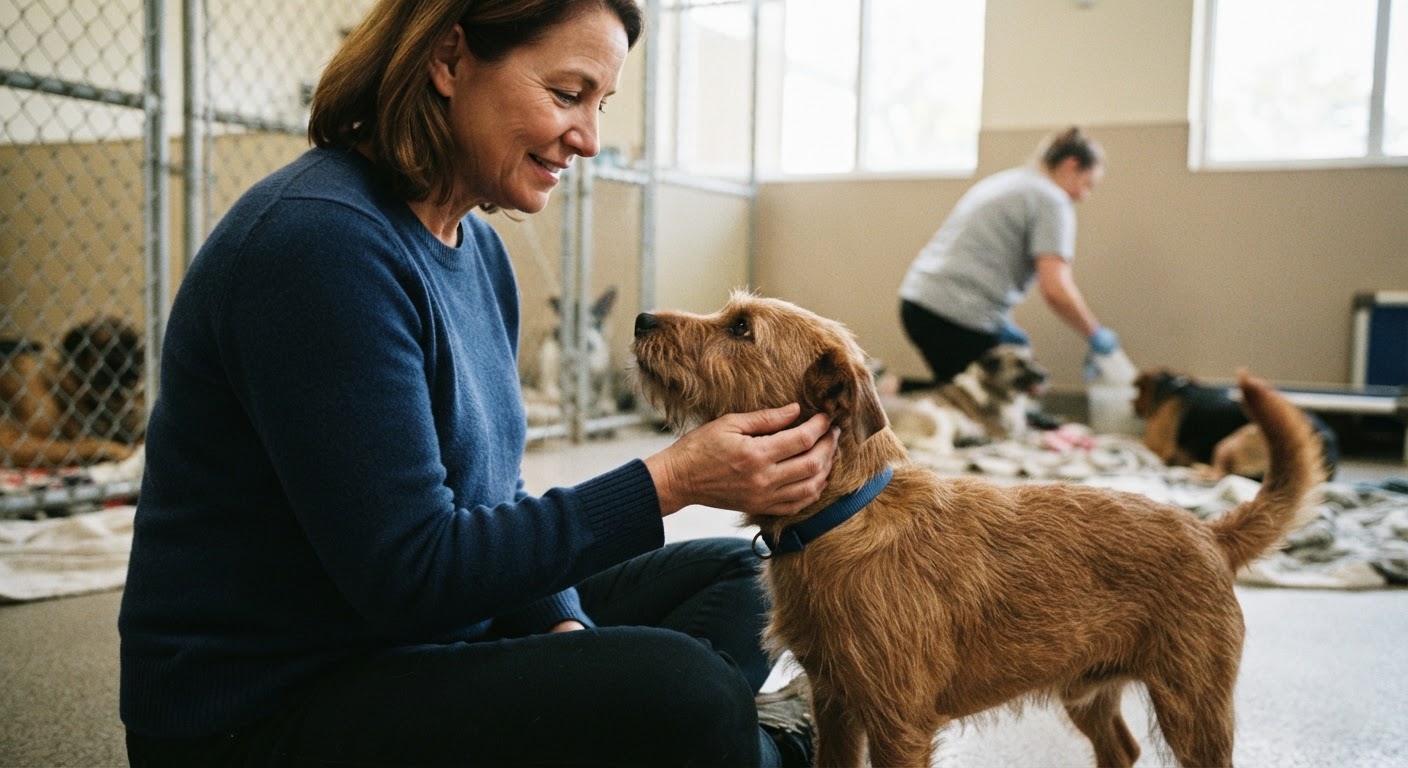
The most effective way to combat the puppy farm economy is to reduce the demand for commercially bred puppies. This means exploring ethical alternatives to acquiring a companion animal. Adoption from reputable animal shelters and rescue organisations is a profoundly rewarding choice. These organisations are often overflowing with animals in need of loving homes, many of whom have been surrendered due to owners being unable to cope with health or behavioural issues stemming from their origins. Supporting these centres not only gives an animal a second chance but also frees up resources to help more animals in need.
The Role of Responsible Breeding
For those who specifically wish to acquire a puppy from a breeder, it is imperative to choose one who is demonstrably responsible. This means rigorously vetting potential breeders, visiting their premises to observe the conditions in which the parent animals and puppies are kept, and ensuring they prioritise the health, temperament, and socialisation of their animals. Responsible breeders will be transparent about their practices, provide health clearances for parent dogs, and offer ongoing support to new owners. They will also often have waiting lists, a sign that they are not driven by mass production.
Consumer Preferences for Acquiring Companion Animals
Survey data reflects general trends in companion animal acquisition. Source: Animal welfare organisation surveys.
A Call to Conscious Consumerism
The puppy farm economy is a stark reminder that our purchasing decisions have profound ethical implications. By understanding the realities behind the trade, consumers can make informed choices that do not contribute to animal suffering. Supporting rescue organisations, demanding greater transparency from sellers, and advocating for stronger legislation are all vital steps. The love we seek from a companion animal should not come at the expense of another's misery. It is time for a collective shift towards compassion, ensuring that the journey of every pet into a home begins with kindness, not cruelty.
- Prioritise adoption from shelters and rescues.
- Thoroughly vet any breeder before purchasing; visit their premises.
- Never buy a puppy unseen or from an untrusted online source.
- Report suspected puppy farming operations to relevant authorities.
- Support legislation aimed at animal welfare and combating illegal breeding.
Sources & further reading
- RSPCA — Royal Society for the Prevention of Cruelty to Animals
- The Kennel Club — UK's largest organisation dedicated to dog welfare and health
- Humane Society International — Global animal protection organisation
- World Animal Protection — International non-profit animal welfare organisation