Whole Grains and Longevity: A Quick Guide
Discover how incorporating whole grains into your diet can significantly boost your lifespan and overall health. A simple dietary shift for a longer life.
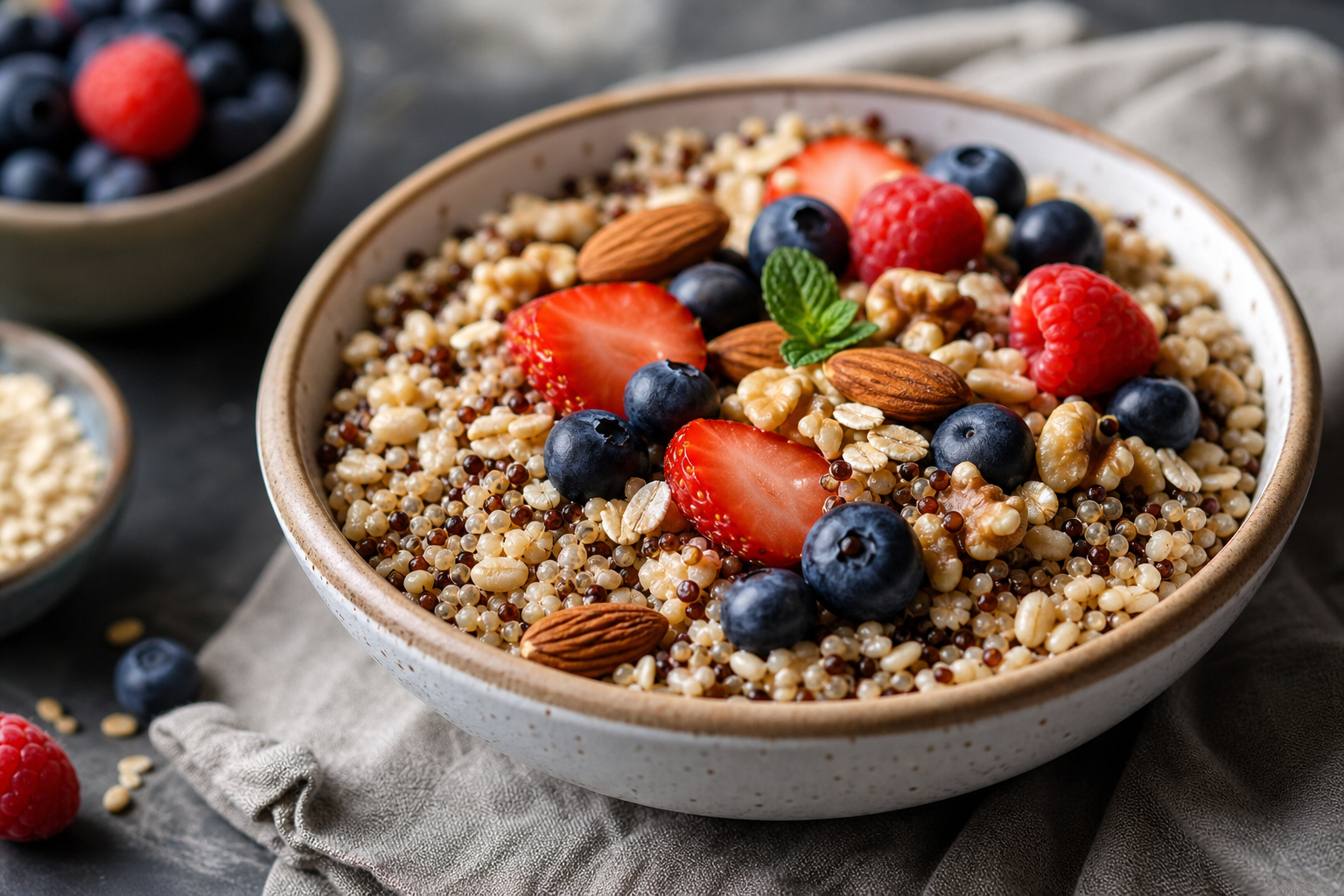
The Longevity Link: Why Whole Grains Matter
The pursuit of a longer, healthier life has long captivated human interest, and increasingly, scientific evidence points to the profound impact of our dietary choices. Among these, the humble whole grain stands out as a critical component for promoting longevity. Unlike refined grains, which have had their bran and germ removed, whole grains retain all three parts of the kernel – the bran, germ, and endosperm – delivering a rich array of fibre, vitamins, minerals, and antioxidants. This comprehensive nutrient profile is directly associated with a reduced risk of numerous chronic diseases, from cardiovascular ailments to certain cancers, making them a cornerstone of a diet geared towards a longer lifespan.
Understanding Whole Grains
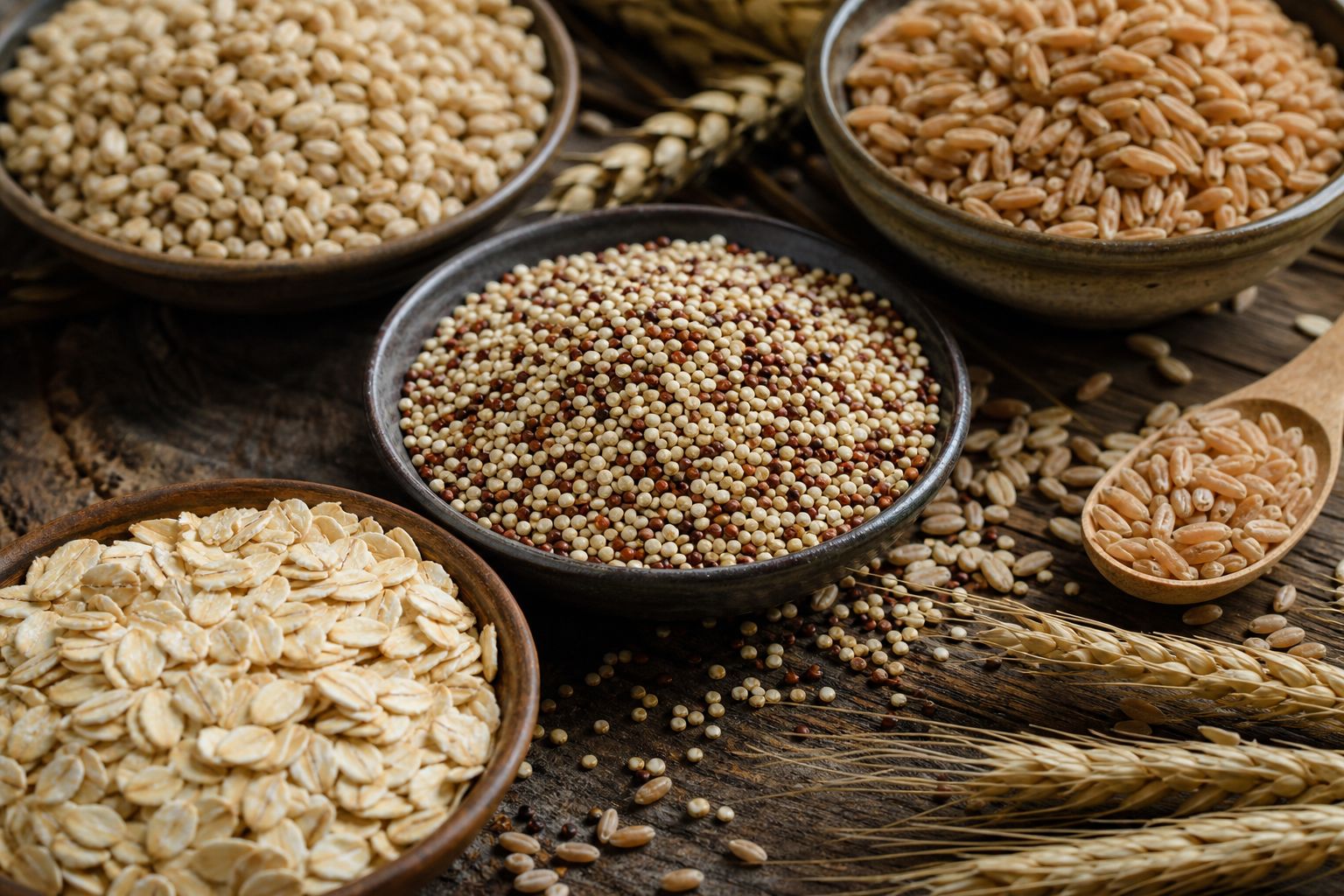
When we speak of whole grains, we refer to cereals harvested for their edible seeds. Common examples include oats, barley, wheat, rice, corn, rye, and quinoa. The key distinction lies in processing: a product is considered 'whole' if its constituent parts – the fibrous bran, nutrient-rich germ, and carbohydrate-laden endosperm – remain intact. This is in stark contrast to refined grains, such as white flour or white rice, where the bran and germ are stripped away, significantly diminishing the nutritional value. Recognising whole grains on food labels, looking for terms like '100% whole wheat' or 'whole oats', is the first step towards harnessing their benefits.
Disease Prevention and Lifespan Extension
The impact of whole grains on health is substantial and well-documented. Numerous large-scale epidemiological studies, including those analysed by institutions like the Harvard T.H. Chan School of Public Health, consistently demonstrate a correlation between high whole grain consumption and decreased mortality rates. The fibre content is a major contributor, promoting satiety, aiding digestion, and helping to regulate blood sugar levels. This latter point is crucial in preventing type 2 diabetes, a condition that significantly increases the risk of other serious health issues. Furthermore, the antioxidants and phytochemicals present in whole grains combat oxidative stress and inflammation, key drivers of ageing and chronic diseases, including heart disease and certain cancers.
Heart Health and Stroke Prevention
Cardiovascular diseases remain a leading cause of premature death globally. Whole grains play a pivotal role in mitigating these risks. The soluble fibre found in oats and barley, for instance, can help lower LDL ('bad') cholesterol levels. By reducing cholesterol and improving blood pressure, whole grains contribute to healthier blood vessels and a lower likelihood of blockages. Studies published in journals like the Journal of the American Medical Association (JAMA) have highlighted that individuals who consume more whole grains experience fewer cardiovascular events and lower mortality from heart disease and stroke. This protective effect underscores their importance in a longevity-focused diet.
Gut Health and Beyond
The intricate relationship between gut health and overall well-being is a rapidly expanding area of research, and whole grains are central to this connection. The abundant fibre acts as a prebiotic, feeding beneficial gut bacteria. A diverse and thriving gut microbiome is increasingly linked to stronger immunity, improved mental health, and even a reduced risk of inflammatory conditions that contribute to ageing. Beyond fibre, whole grains provide essential micronutrients like magnesium, selenium, and B vitamins, which are vital for energy production, DNA repair, and antioxidant defence. These components work synergistically to support cellular health and resilience, crucial for extending lifespan.
Fibre Content Comparison: Whole vs. Refined Grains (per 100g)
Data compiled from USDA FoodData Central. Serving sizes may vary.
“Prioritising whole grains over refined grains is one of the simplest yet most effective dietary strategies for enhancing lifespan and reducing chronic disease burden.”
Incorporating Whole Grains into Your Diet
Making the switch to whole grains doesn't require drastic dietary upheaval. Small, consistent changes can yield significant benefits. Start by replacing refined grain products with their whole grain counterparts. For example, choose whole wheat bread over white, brown rice over white rice, and whole grain pasta. Incorporate oats into your breakfast routine, perhaps as porridge or added to smoothies. Explore less common whole grains like barley, farro, or millet in salads, soups, or as side dishes. Reading food labels diligently is key to ensuring you are truly choosing whole grain options, as marketing terms can sometimes be misleading.
- Swap white bread for 100% whole wheat or whole rye bread.
- Choose brown rice, wild rice, or quinoa instead of white rice.
- Opt for whole grain pasta and whole grain cereals.
- Add barley or farro to soups and stews.
- Experiment with oats for breakfast, or use oat flour in baking.
The Nutritional Powerhouse: Key Nutrients
The benefits of whole grains stem from their dense nutritional composition. They are excellent sources of dietary fibre, crucial for digestive health and satiety, which can aid in weight management. Beyond fibre, whole grains provide a spectrum of essential micronutrients. Magnesium, abundant in whole grains, is involved in over 300 biochemical reactions in the body. Selenium acts as a powerful antioxidant, protecting cells from damage. B vitamins, including niacin, thiamine, and folate, are critical for energy metabolism and nervous system function. These nutrients, working in concert, support the body's resilience against the wear and tear of daily life and the ageing process.
A Foundation for Healthy Ageing
As populations age worldwide, understanding the dietary factors that promote healthy ageing is paramount. Whole grains offer a tangible, accessible way to invest in future health. By reducing the risk of conditions that diminish quality of life – such as heart disease, diabetes, and certain digestive disorders – they enable individuals to maintain independence and vitality for longer. The cumulative effect of these protective nutrients and fibres builds a stronger physiological foundation, supporting the body's ability to function optimally as we age. Research published by organisations like the European Food Safety Authority (EFSA) continues to validate the role of fibre-rich diets, including whole grains, in promoting overall health and well-being across the lifespan.
Daily Whole Grain Intake Recommendations vs. Average Consumption (UK Example)
Data based on UK National Diet and Nutrition Survey, illustrating a significant gap.
Conclusion: A Simple Step for a Longer Life
The evidence is compelling: whole grains are not just a food group, but a vital ally in the quest for longevity. Their rich nutrient profile offers a powerful defence against chronic diseases that shorten lives and reduce quality of life. By consciously choosing whole grains over refined alternatives, individuals can make a profound impact on their long-term health. Embracing this dietary shift is a straightforward, evidence-based strategy to foster a healthier body, a more resilient gut, and ultimately, a longer, more vibrant life.
Frequently asked questions
What is the primary benefit of whole grains for longevity?
Are all grains considered 'whole grains'?
How much whole grain should I eat daily for health benefits?
Can whole grains help with weight management?
What are some easy ways to add more whole grains to my diet?
Do whole grains offer protection against cancer?
Sources & further reading
- Harvard T.H. Chan School of Public Health - The Nutrition Source — hsph.harvard.edu
- American Heart Association — heart.org
- World Cancer Research Fund International — wcrf.org
- Journal of the American Medical Association (JAMA) — jamanetwork.com
- USDA FoodData Central — fdc.nal.usda.gov
- European Food Safety Authority (EFSA) — efsa.europa.eu