Italian
Order: Marinara pasta · pizza marinara · minestrone · bruschetta · grilled vegetables · olives.
Ask about: Ask about butter, cream, parmesan, egg pasta, anchovy in caesar.
Order plant-based anywhere on Earth. Cuisine-by-cuisine picks, hidden ingredients to spot, airline meals, and a phrase card that has your back.
Order: Marinara pasta · pizza marinara · minestrone · bruschetta · grilled vegetables · olives.
Ask about: Ask about butter, cream, parmesan, egg pasta, anchovy in caesar.
Order: Chana masala · dal · aloo gobi · bhindi · vegetable biryani · roti · idli · dosa.
Ask about: Ghee, paneer, cream. Ask if naan is brushed with butter.
Order: Bean tacos · guacamole · salsa · rice & beans · fajita vegetables · chips.
Ask about: Lard in refried beans and rice, cheese and sour cream. Ask for corn tortillas.
Order: Ma po tofu (no meat) · buddha's delight · vegetable dumplings · sichuan aubergine · steamed greens.
Ask about: Oyster sauce, fish sauce, egg noodles, chicken stock. Order with mushroom sauce.
Order: Green/red curry (request no fish sauce) · pad thai (no egg) · som tam · mango sticky rice.
Ask about: Fish sauce, shrimp paste, egg. Say 'jay' (Thai vegan) or 'mangsawirat'.
Order: Avocado / cucumber / inari maki · edamame · vegetable tempura · miso soup (ask about dashi).
Ask about: Dashi (bonito), mayo. Choose kombu-only dashi restaurants.
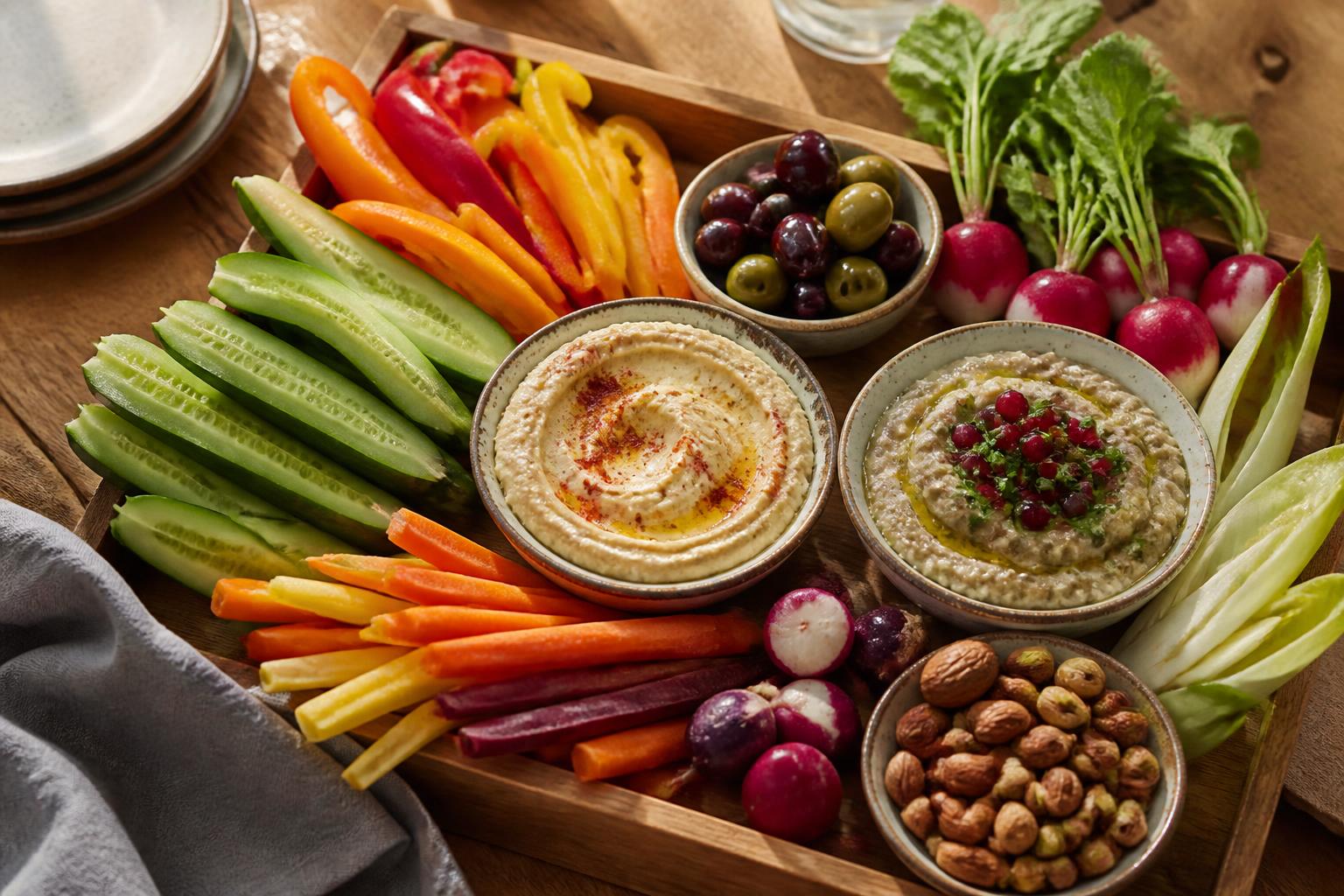
Order: Hummus · baba ganoush · falafel · tabbouleh · foul · stuffed vine leaves · fatoush.
Ask about: Yogurt sauces. Check falafel isn't fried with eggs.
Order: Yatakilt wat · misir wat · gomen · shiro · injera. Order the 'fasting platter' — traditionally fully vegan.
Ask about: Kitfo, tibs, doro wat (all animal-based).
Request VGML (vegan) not VLML. Book at least 24h out. Bring backup snacks — mix-ups happen on ~10% of long-haul routes.
HappyCow lists vegan restaurants in 180+ countries. Google Maps: search 'vegan' in-region for reviews and photos.
Bring one abundant dish — mushroom bourguignon, big grain salad, dal — that quietly out-eats the meat platter.
Use our printable phrase card — it covers 30+ languages with photos of common animal ingredients and the phrase 'I don't eat meat, fish, dairy, eggs or honey.'
Indian (South Indian especially), Ethiopian fasting menu, and traditional Middle-Eastern mezze are almost universally accommodating. Italian is easy in cities; harder in small towns where cheese is default.
Request 'VGML' (vegan meal, not 'VLML' which allows dairy) at least 24 hours before departure. Bring a protein bar and fresh fruit as backup — VGML mix-ups are common.
Offer to bring one hearty dish that serves everyone. Eat before if unsure. Keep it warm and unpreachy — the food does the convincing.
Restaurants, canteens, weddings, airports
Almost every cuisine on earth has a plant-based backbone, because meat was historically expensive everywhere. The difficulty in restaurants is rarely the food; it is menu design, staff knowledge and the awkwardness of asking. All three are solvable with a short script and a small amount of preparation.
Ethiopian, South Indian, Levantine, Vietnamese, Thai, Turkish, Mexican and Chinese menus all contain naturally plant-based dishes that were never designed as substitutes: injera with lentil and vegetable stews, dosa and sambar, mezze, bún chay, green curry, mercimek and lentil soups, bean and nopal tacos, mapo tofu without pork. Ordering from these kitchens usually means choosing, not negotiating.
The recurring surprises are fish sauce and shrimp paste in South-East Asian dishes, ghee in Indian cooking, chicken stock in soups, risottos and sauces, animal rennet in hard cheeses, gelatine in desserts and some wines, lard in pastry and refried beans, and butter finishing on grilled vegetables. Asking about stock and fat covers most of them in one question.
Frame the question as a preference with a solution attached: 'I don't eat meat, dairy or eggs — which dishes work, or could the kitchen do the vegetable dish without the butter?' Staff respond better to a request they can act on than to a category they must interpret. Calling ahead for anything formal turns a difficult evening into a routine one, and most kitchens appreciate the notice.
Weddings, business dinners and family gatherings are harder than restaurants because the food is decided by someone else and attention is scarce. The reliable approach is early, low-key contact with the host or organiser, a willingness to accept an imperfect plate, and eating beforehand when the answer is unclear. Nobody remembers what you ate; they remember whether the evening was comfortable.
The failure mode when travelling is not absence of options but absence of time. A packed bag with nuts, fruit, flatbread and a nut butter sachet removes almost all risk. Airline meals must usually be requested at least 24 hours ahead; petrol stations reliably carry bread, hummus, crisps, fruit and dark chocolate.
Dishes that are usually plant-based as served, with the checks worth making.
| Cuisine | Reliable orders | Ask about |
|---|---|---|
| Ethiopian | Beyaynetu platter, misir wot, gomen, shiro | Butter (niter kibbeh) in the stews |
| South Indian | Masala dosa, idli, sambar, rasam, avial | Ghee on the dosa, yoghurt in avial |
| Levantine | Hummus, moutabal, tabbouleh, falafel, foul | Yoghurt sauces, butter in rice |
| Vietnamese | Bún chay, gỏi cuốn, phở chay | Fish sauce in the dressing and broth |
| Thai | Green or massaman curry, pad pak, som tam | Fish sauce, shrimp paste, oyster sauce |
| Mexican | Bean or nopal tacos, guacamole, esquites | Lard in refried beans, cheese and crema |
| Italian | Marinara, aglio e olio, pasta e fagioli, pizza marinara | Butter, parmesan, egg in fresh pasta |
| Chinese | Mapo tofu, dry-fried beans, aubergine in garlic sauce | Pork mince, chicken stock, oyster sauce |
| Japanese | Vegetable maki, agedashi tofu, zaru soba | Dashi (bonito) in almost every broth and sauce |
Restaurant menu conventions · common regional recipes
Deciding at home removes the pressure of deciding at the table and tells you whether to eat beforehand.
For anything booked — restaurants, weddings, work dinners — a short note gives the kitchen time and costs you nothing.
Two words, 'stock' and 'butter', catch most of the non-obvious animal ingredients in one question.
Sides ordered together — bread, olives, chips, grilled vegetables, a bean dish — make a perfectly good meal anywhere.
Kitchens remember accommodating guests. A restaurant that had a good experience adds an option.
Ethiopian, South Indian and Levantine menus are the most reliable, because a large share of the traditional dishes contain no animal products by design rather than by substitution.
Contact the organiser as early as possible, accept whatever the kitchen can manage, and eat something beforehand. Caterers can almost always produce a plant-based plate given notice.
Whether the dish is made with animal stock, butter or ghee, and whether the kitchen can leave off cheese or yoghurt. Those three questions resolve most menus.
Occasionally, yes. A meal out is a social event, not a nutritional one; the rest of the week does the nutritional work.
Book flights with a meal request at least 24 hours ahead, choose hotels with a kitchen or breakfast buffet, and keep shelf-stable food in your bag.
Mention it calmly and let them fix it if it is straightforward. Consistency over years matters far more than any single plate.
Rough guide to how many mainstream dishes are plant-based or trivially adaptable.
In restaurants with a meat-heavy menu, the side dishes are usually where the plant food lives. Three or four sides — greens, potatoes, beans, bread, a salad without dairy — make a better plate than a sad token main, and kitchens are happy to combine them.
The two things most likely to turn a vegetable dish non-vegan are the cooking fat (butter, ghee, lard) and the liquid (chicken or fish stock). Those two questions catch most cases. In South-East Asian kitchens add fish sauce and shrimp paste; in Japanese kitchens add dashi.
For a birthday, a work dinner or a set menu, one message the day before turns a stressful negotiation into a plated dish the chef had time to think about. Restaurants generally like being asked in advance far more than being asked mid-service.
Save a phrase card with the exact ingredients you avoid in the local language, screenshot it so it works offline, and search maps for legume-forward cuisines rather than for the word vegan. Markets, bakeries and street food fill the gaps between restaurants.
A short, warm answer ends most conversations: "I feel better eating this way — the food here is great, try a bite." Choosing the venue when you can, eating something before an uncertain event, and not making the table's food a debate keeps invitations coming.
You can't eat out as a vegan.
Most cuisines outside northern Europe and North America are built on plants; the difficulty is regional, not universal.
Asking is rude.
Kitchens field allergy and preference questions constantly. Specific and early is easy; vague and mid-rush is hard.
Vegan menus are always more expensive.
Legume- and grain-based dishes are usually among the cheapest items on any menu.
Nothing happens. Veganism is a direction of travel, not a purity test — mention it if it helps the restaurant, and move on.
Ask to suggest the venue, or contact the restaurant yourself. Handled quietly in advance, nobody at the table needs to discuss it.
Often, but shared fryers and beef tallow are common in some countries. It is one question worth asking.