Your 7-Day South Indian Vegan Breakfast Plan
Discover the vibrant flavours and nutritional power of South Indian vegan breakfasts with this easy 7-day plan. Fuel your mornings sustainably.
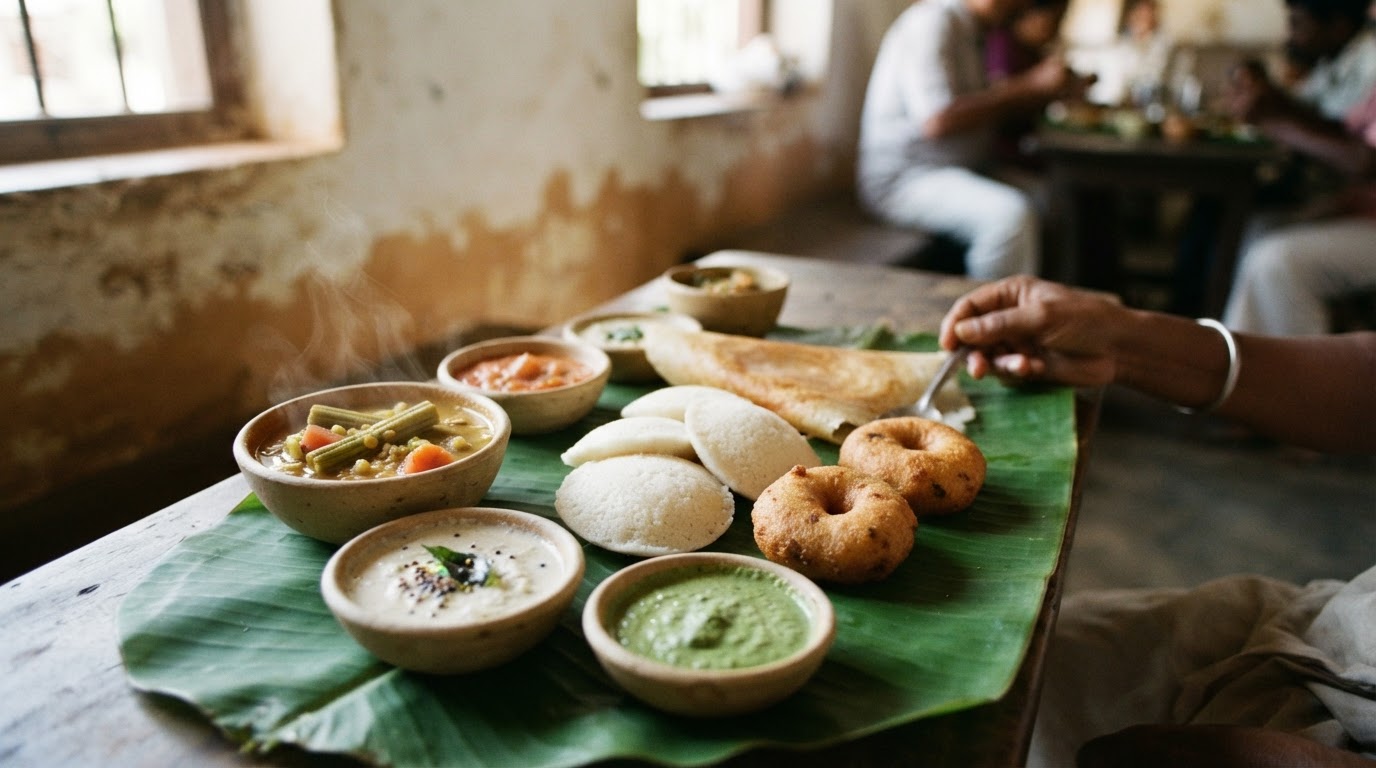
Embark on a week-long culinary journey with this 7-day South Indian vegan breakfast plan, designed to introduce you to the incredible diversity and health benefits of this ancient cuisine. South Indian breakfasts are a global treasure, often naturally vegan and packed with nutrients, making them an ideal template for sustainable, plant-based eating. These dishes, rooted in centuries of tradition, offer a profound connection to local ingredients and culinary wisdom. By embracing them, you not only nourish yourself but also contribute to a more eco-conscious food system, celebrating flavours that have sustained communities for generations.
What You'll Need: Essential Ingredients
- Rice (various types: short-grain, parboiled)
- Lentils (urad dal, chana dal, toor dal)
- Semolina (rava/sooji)
- Fresh vegetables (onions, tomatoes, ginger, garlic, chilies, coriander, curry leaves)
- Coconut (fresh, desiccated, or milk)
- Tamarind
- Spices (mustard seeds, cumin seeds, turmeric, asafoetida, fenugreek seeds, black pepper, red chili powder)
- Oils (coconut oil, groundnut oil, or vegetable oil)
- Salt
Day 1: The Ubiquitous Idli
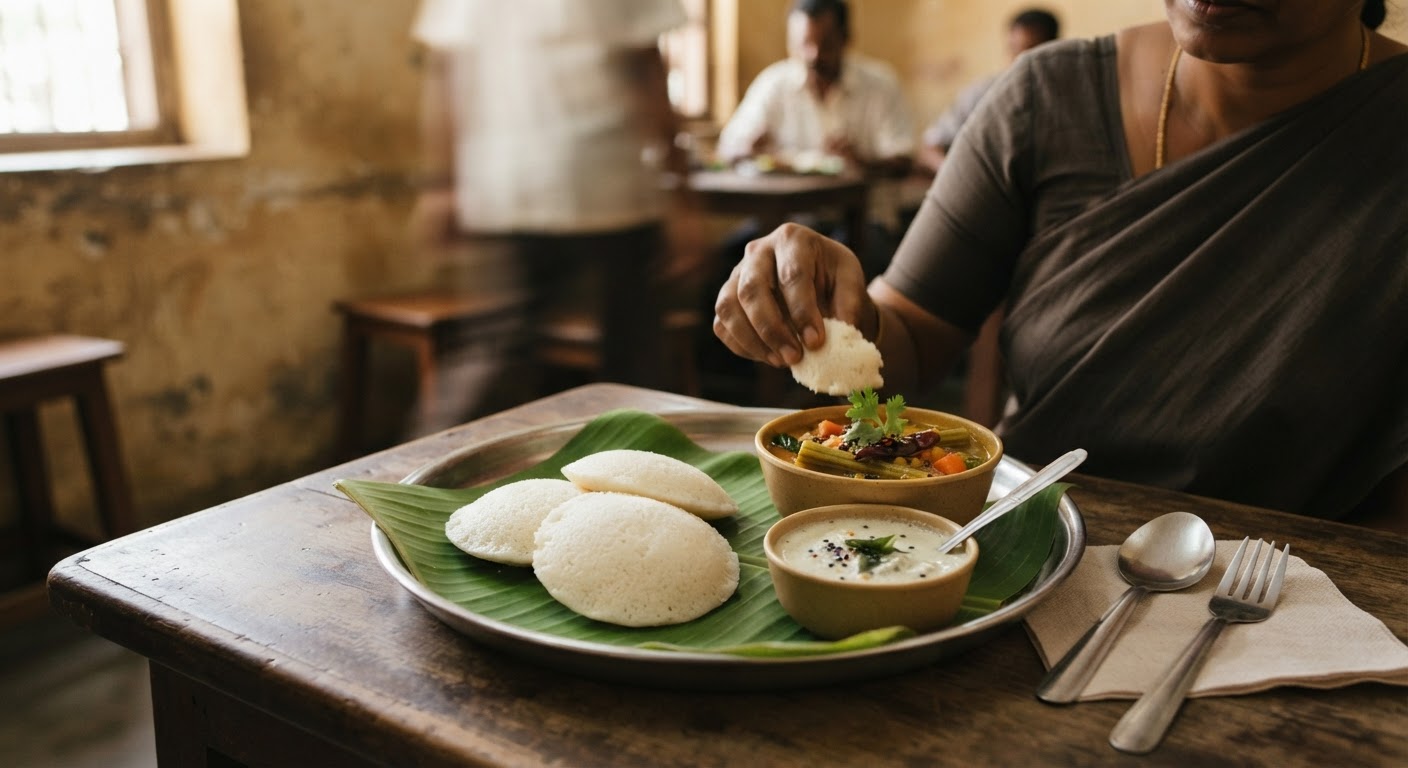
We begin with idli, steamed rice and lentil cakes that are a cornerstone of South Indian breakfasts. Their light, fluffy texture and mild flavour make them incredibly versatile, pairing perfectly with sambar and chutney. The fermentation process involved in making idli batter also enhances its nutritional profile, contributing beneficial probiotics. A typical serving of three idlis provides a good balance of carbohydrates and protein, essential for sustained energy throughout the morning.
Day 2: Crispy Dosa Delight
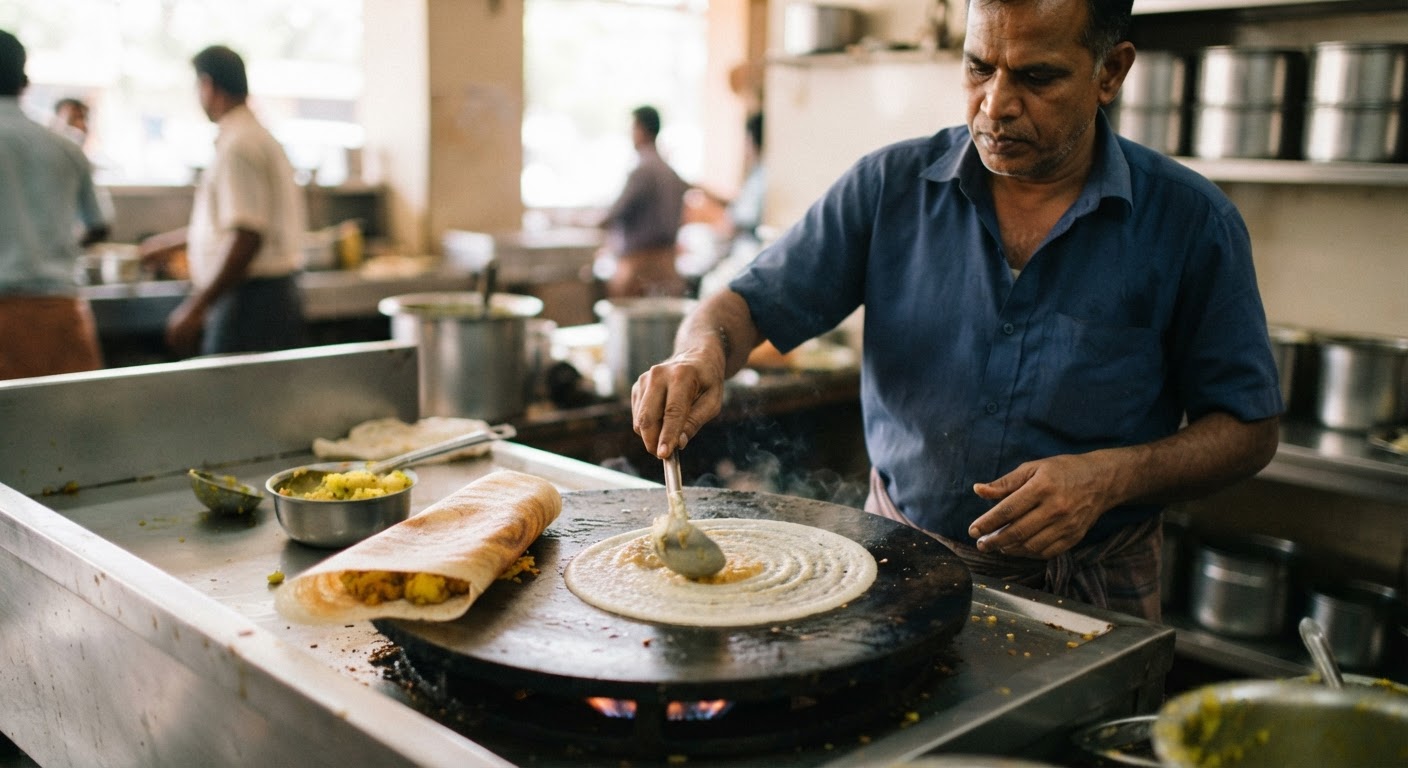
Dosa, a thin, crispy pancake made from fermented rice and urad dal batter, is another iconic dish. Unlike idlis, dosas are cooked on a griddle, resulting in a delightful crispness. They are often served plain or stuffed with a spiced potato filling (masala dosa), offering a more substantial meal. The process of making dosa batter is identical to idli, allowing for batch preparation. A plain dosa is a good source of complex carbohydrates, and when paired with lentil-based sambar, it becomes a complete protein meal.
Environmental Footprint Comparison (kg CO2e per kg of food)
Data aggregated from various life cycle assessments. Source: Our World in Data (2021).
Day 3: Savoury Upma
Upma is a hearty porridge made from dry-roasted semolina (rava/sooji) or coarse wheat flour, cooked with water or broth and tempered with spices, vegetables, and sometimes lentils. It's a comforting and quick breakfast option, easily customisable with your favourite vegetables like peas, carrots, and beans. The semolina provides a good source of carbohydrates, while added vegetables and lentils boost fibre and micronutrient content. A typical serving of vegetable upma offers sustained energy release.
Day 4: Comforting Pongal
Pongal is a wholesome dish made from rice and moong dal (split yellow lentils), cooked to a soft, porridge-like consistency. It can be prepared in a savoury version (Ven Pongal), tempered with cumin, black pepper, ginger, and curry leaves, or a sweet version (Sakkarai Pongal), made with jaggery and cardamom. Ven Pongal is a complete protein source due to the combination of rice and lentils, making it highly satiating. The spices add both flavour and medicinal benefits, as noted in traditional Ayurvedic practices.
Day 5: Pesarattu Perfection
Pesarattu, a crepe made from whole green moong dal (mung beans), is a protein powerhouse and a delightful change from rice-based breakfasts. It's naturally gluten-free and high in fibre and plant-based protein, offering excellent satiety. Often served with ginger chutney or upma stuffed inside (MLA Pesarattu), it's a flavourful and healthy option. The high protein content makes it particularly beneficial for active individuals or those looking for a more filling breakfast.
Plant Protein Content Comparison (per 100g)
Values are approximate and can vary. Source: USDA FoodData Central.
Day 6: Rava Dosa Radiance
Rava dosa, a quick and easy crepe made from semolina, rice flour, and all-purpose flour (or alternatives), offers a crispy texture without the fermentation time. It's a popular choice when time is short. While it lacks the probiotic benefits of fermented batters, it's still a delicious and satisfying option. The key to a good rava dosa is a well-seasoned batter and a hot griddle. It pairs well with coconut chutney or a simple vegetable kurma.
Day 7: Idiyappam Elegance
Idiyappam, also known as string hoppers, are delicate, steamed noodles made from rice flour. They have a light, almost ethereal texture and are traditionally served with a mild vegetable stew (ishtew) or coconut milk. Idiyappam is easily digestible and provides a good source of carbohydrates. Its subtle flavour profile makes it a perfect canvas for accompanying curries and gravies. This dish highlights the versatility of rice flour in South Indian cooking.
The Shopping List Essentials
- Rice (e.g., idli rice, parboiled rice)
- Urad dal (split black gram)
- Moong dal (split yellow lentils)
- Semolina (rava/sooji)
- Green moong dal (whole)
- Fresh coconut
- Tamarind paste
- Ginger, Garlic, Green chilies
- Onions, Tomatoes
- Fresh coriander, Curry leaves
How to Keep Going: Beyond the Week
“These ancient recipes offer a blueprint for sustainable, delicious, and deeply satisfying vegan eating.”
Frequently asked questions
Is South Indian food always vegan?
How do I prepare idli and dosa batter?
Can I make these breakfasts gluten-free?
Are these breakfasts healthy?
What are common accompaniments to these breakfasts?
How can I make South Indian breakfasts more accessible?
Sources & further reading
- Our World in Data - Environmental Impacts of Food Production — ourworldindata.org
- Water Footprint Network — waterfootprint.org
- USDA FoodData Central — fdc.nal.usda.gov
- Poore, J., & Nemecek, T. (2018). Reducing food’s environmental footprint. — Science (AAAS)
- EAT-Lancet Commission Summary Report — eatforum.org