A Beginner's Guide to Rooftop Solar
Discover if rooftop solar is a wise investment for your home, considering your climate, energy needs, and available incentives. Save money and the planet.
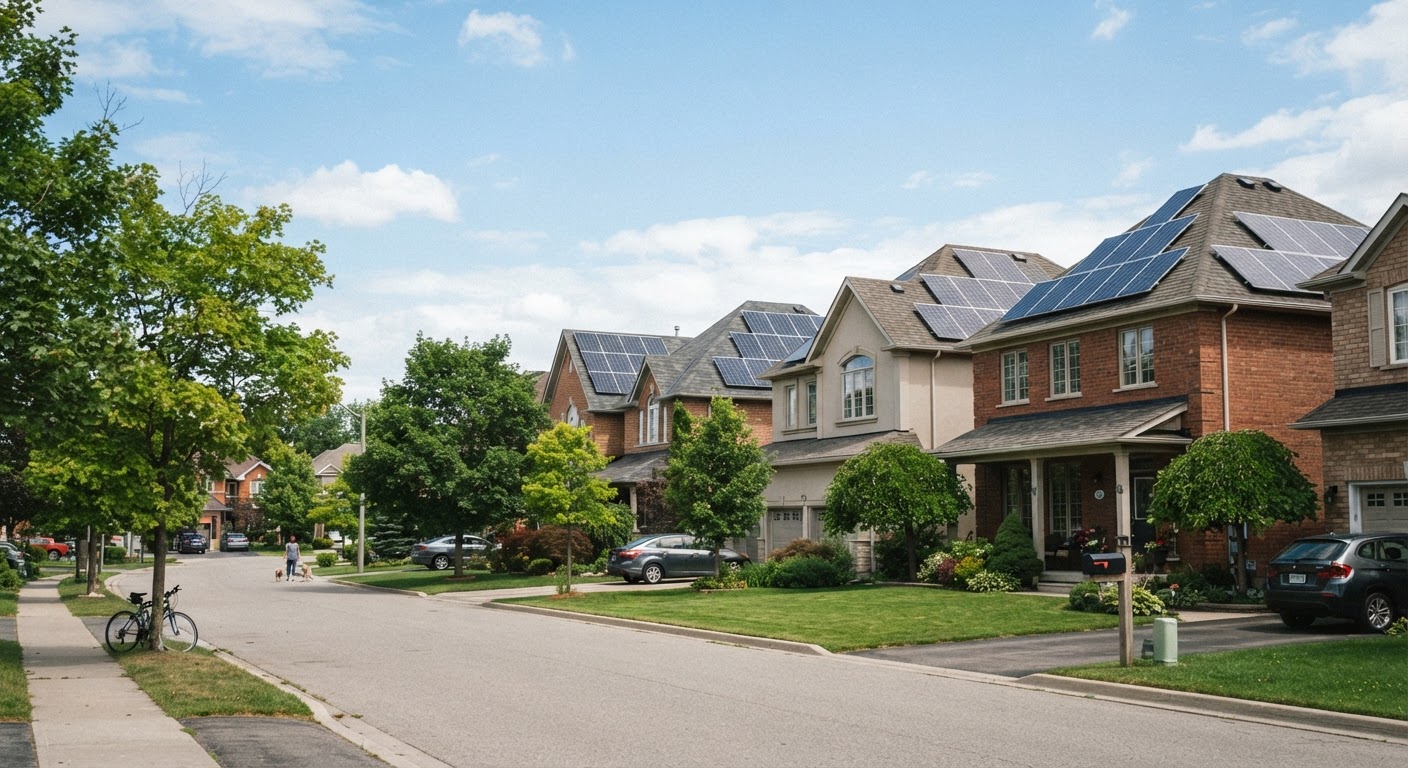
Start here: Is rooftop solar right for you?
Deciding whether to install rooftop solar panels is a significant financial and environmental choice. This beginner's guide aims to demystify the process, helping you understand the key factors that determine if solar is a worthwhile investment for your specific circumstances, regardless of where you live. From understanding your local climate's impact on energy generation to navigating the financial incentives and practicalities, we'll cover what you need to know to make an informed decision.
The basics of rooftop solar
What are solar panels and how do they work?
Solar panels, also known as photovoltaic (PV) modules, are devices that convert sunlight directly into electricity. They are typically installed on rooftops to capture maximum sunlight. The core component is the solar cell, usually made from silicon, which exhibits the photovoltaic effect – meaning it generates a direct current (DC) electric charge when exposed to light. This DC electricity is then converted into alternating current (AC) electricity by an inverter, making it usable for powering homes and appliances. The generated electricity can be used immediately, stored in batteries, or, in some regions, exported back to the national grid.
- **Photovoltaic effect:** Sunlight striking semiconductor materials in solar cells generates DC electricity.
- **Inverter:** Converts DC electricity from panels into AC electricity compatible with home appliances and the grid.
- **Mounting system:** Secures panels to the roof, ensuring durability and proper angle for sunlight capture.
- **Wiring:** Connects panels, inverter, and your home's electrical system.
- **Optional battery storage:** Stores excess electricity for use during nighttime or power outages.
Key terms you should know
- **Kilowatt (kW):** A unit of power, often used to describe the capacity of a solar system (e.g., a 5 kW system).
- **Kilowatt-hour (kWh):** A unit of energy, representing the amount of electricity consumed or generated over time (e.g., your monthly electricity bill).
- **Insolation:** The amount of solar radiation received per unit area over a given time, a key factor in how much energy your panels will produce.
- **Payback period:** The time it takes for the savings from solar energy to equal the initial investment cost.
- **Feed-in Tariff (FiT):** A policy that pays solar system owners a fixed rate for the electricity they generate and export to the grid.
- **Net Metering:** A billing mechanism that credits solar owners for the electricity they add to the grid, offsetting their own consumption.
Common questions about going solar
First-week plan for exploring solar
Embarking on your solar journey doesn't have to be overwhelming. Follow this simple plan to get started within your first week of considering rooftop solar.
- **Day 1-2: Assess your energy usage.** Review your past 12 months of electricity bills to understand your average daily and monthly consumption in kWh. Note any seasonal variations.
- **Day 3: Research local incentives.** Investigate government grants, tax credits, feed-in tariffs, or net metering policies available in your region. Check your national energy agency or local council websites.
- **Day 4: Understand your roof.** Note the orientation (south-facing is often ideal in the Northern Hemisphere), pitch, any shading from trees or buildings, and the condition of your roof. This impacts system efficiency and cost.
- **Day 5: Get preliminary quotes.** Contact 2-3 reputable local solar installers. Provide them with your energy usage data and roof information for an initial system size recommendation and cost estimate.
- **Day 6: Compare quotes and financing.** Carefully compare the system size, panel efficiency, inverter type, warranties, and total cost. Explore financing options if needed.
- **Day 7: Review and decide.** Weigh the pros and cons, considering the estimated savings, payback period, and environmental benefits. Make an informed decision about proceeding.
Climate considerations and solar performance
Your local climate plays a crucial role in how much electricity your solar panels will generate and, consequently, how quickly you'll recoup your investment. While sunshine is the primary driver, other climatic factors can influence performance. Regions with consistently high temperatures can actually reduce the efficiency of photovoltaic cells. Conversely, areas with frequent snow cover might require systems designed to shed snow easily or face periods of reduced output during winter months. Understanding these nuances is key to setting realistic expectations for energy generation.
For instance, while Southern Spain boasts excellent insolation, the intense summer heat can slightly diminish panel output compared to a cooler, sunny location. In contrast, Northern European countries might have lower overall sunlight hours but benefit from cooler temperatures that can enhance panel efficiency during the available sun. Installers often use sophisticated modelling software that accounts for local weather patterns to predict annual energy yields accurately. This data is critical when comparing proposals from different companies.
Estimated Annual Solar Energy Yield by Region (per kWp installed)
Data is illustrative and depends on specific location, panel angle, and shading. Source: Adapted from various solar energy modelling resources.
Financial incentives and payback
The financial viability of rooftop solar hinges significantly on government incentives and the system's payback period. Many countries and regions offer subsidies, tax credits, or attractive feed-in tariffs to encourage solar adoption. These can dramatically reduce the initial investment and shorten the time it takes for savings on electricity bills to cover the upfront cost. For example, the UK's Smart Export Guarantee (SEG) pays households for electricity exported to the grid, while many EU countries offer direct grants or reduced VAT rates on installations. In Australia, small-scale technology certificates (STCs) provide upfront discounts.
The payback period can range from 5 to 15 years, depending on the system cost, electricity prices, and available incentives. A system costing £8,000 that generates £800 in annual savings (through reduced bills and export payments) would have a 10-year payback period. This doesn't account for potential increases in electricity prices, which would shorten the payback time further. It's essential to get detailed financial projections from installers that clearly outline the expected savings and payback.
Pitfalls to avoid
Choosing the right installer
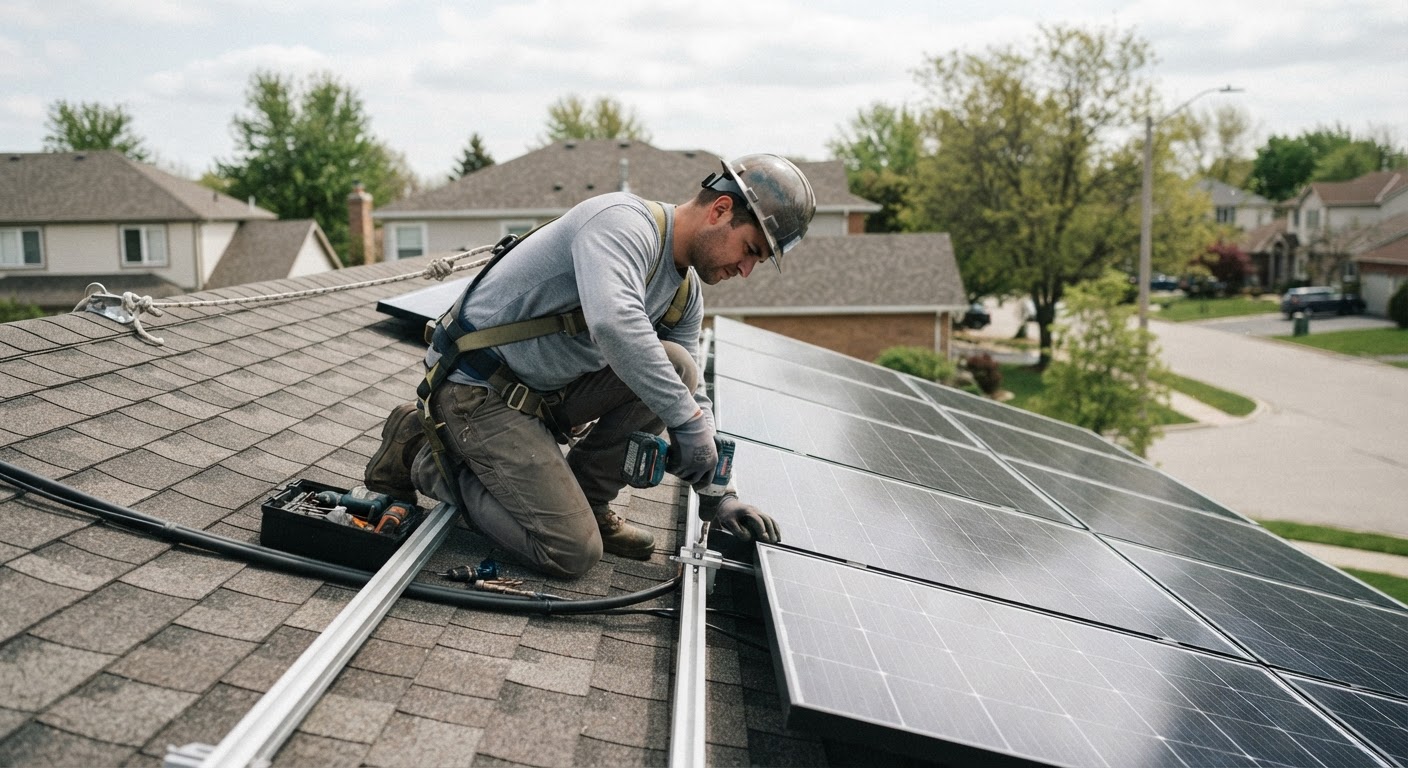
Selecting a qualified and reputable installer is paramount. Look for companies with certifications from relevant industry bodies, such as the Microgeneration Certification Scheme (MCS) in the UK, or equivalent accreditations in other countries. A good installer will provide a comprehensive site survey, transparent pricing, detailed performance estimates, and clear information about warranties and after-sales support. A poorly installed system can lead to reduced efficiency, safety hazards, and costly repairs down the line. Don't hesitate to ask for references and check online reviews.
The greener choice
Beyond the financial benefits, installing rooftop solar is a powerful step towards reducing your carbon footprint. By generating your own clean energy, you decrease your reliance on fossil fuel-based electricity, contributing to lower greenhouse gas emissions. This aligns with global efforts to combat climate change, as highlighted by the Intergovernmental Panel on Climate Change (IPCC). For many, the knowledge that their energy consumption is contributing to a healthier planet is a significant motivator, complementing the economic advantages.
“Rooftop solar offers a tangible way for individuals to contribute to a sustainable energy future.”
Next steps: Making the switch
Ready to explore rooftop solar further? Your next steps involve detailed research into your local market and connecting with professionals. Start by getting personalized quotes from certified installers. Ask them to explain the projected energy savings, the total system cost after incentives, and the estimated payback period. Don't forget to inquire about battery storage options if you're interested in greater energy independence. Making the switch to solar is an investment in your home, your finances, and the planet's future.
Frequently asked questions
How much does rooftop solar cost?
How much electricity can solar panels generate in different climates?
Will solar panels work on a cloudy day?
How long do solar panels last?
What maintenance do solar panels require?
Can I go completely off-grid with solar?
Sources & further reading
- Our World in Data - Solar Energy — ourworldindata.org
- National Renewable Energy Laboratory (NREL) — nrel.gov
- Energy Saving Trust — energysavingtrust.org.uk
- Intergovernmental Panel on Climate Change (IPCC) — ipcc.ch
- Microgeneration Certification Scheme (MCS) — mcscertified.com