A letter to anyone curious about algae protein
Discover the incredible potential of algae as a sustainable, nutrient-rich protein source, from spirulina to future innovations.
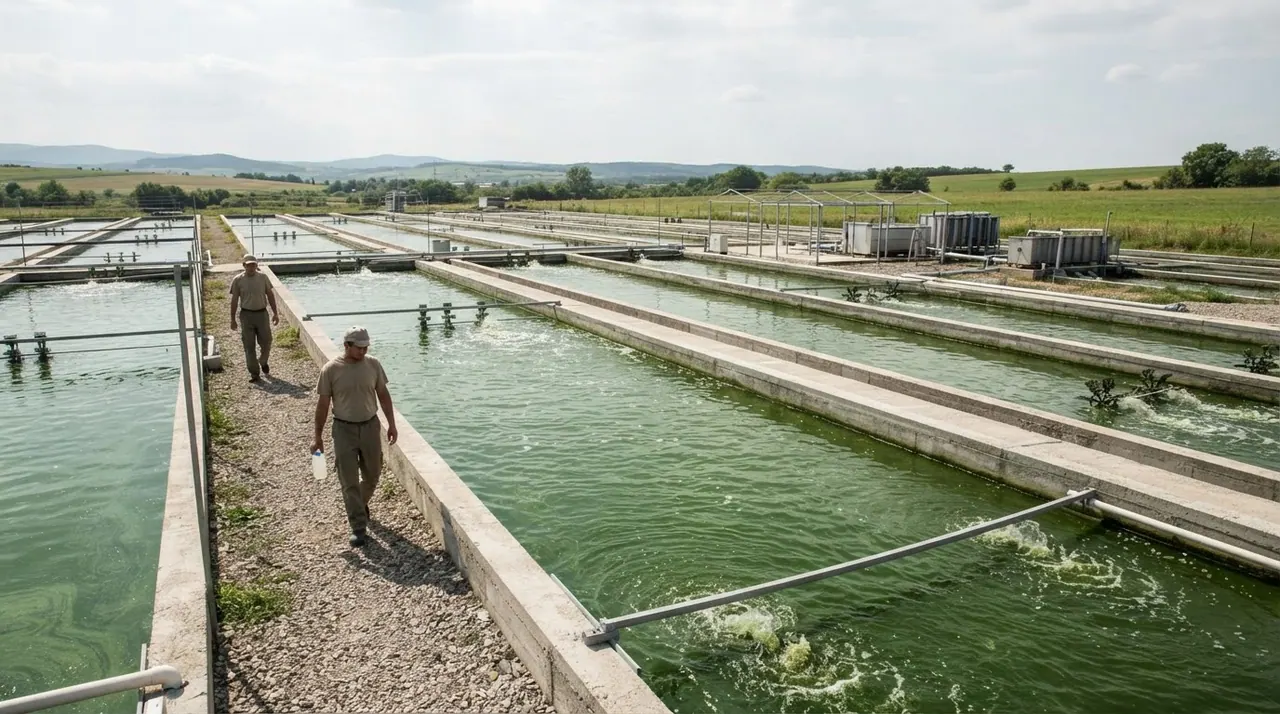
You're curious about algae as a protein source, and that's a fantastic place to start. The idea of cultivating tiny aquatic organisms for sustenance might sound novel, but it's a path that holds immense promise for a more sustainable and nutritious future. As we grapple with the environmental impact of traditional protein production, exploring alternatives like algae is not just an option, it's becoming a necessity. This letter aims to guide you through what makes algae so compelling, from its current applications to its exciting future potential.
What I want you to know first
At its core, algae represent one of the most efficient ways to convert sunlight and CO2 into edible biomass. Unlike terrestrial crops or livestock, many algae species can be cultivated in controlled environments, often using non-potable water or even wastewater, and they grow incredibly fast. This makes them a prime candidate for addressing global food security and environmental concerns simultaneously. The United Nations' Food and Agriculture Organization (FAO) has highlighted algae as a valuable, underutilized food source for centuries, and modern science is finally catching up to its potential.
The things nobody tells you
- Algae are incredibly diverse; we've only begun to explore the thousands of edible species.
- They are rich in complete proteins, essential fatty acids (like omega-3s), vitamins, and minerals.
- Cultivation can occur in diverse settings, from large-scale outdoor ponds to compact indoor bioreactors.
- Algae can be processed into various formats: powders, pastes, oils, and even whole-food ingredients.
- Some algae can sequester significant amounts of carbon dioxide during their growth.
- The taste profile of algae can range from mild and earthy to quite pronounced, depending on the species and processing.
Environmental Efficiency
When we compare algae to conventional protein sources, the environmental advantages become starkly clear. For instance, beef production can require thousands of litres of water per kilogram of protein and vast tracts of land, often contributing significantly to greenhouse gas emissions. Algae, by contrast, can produce protein using a fraction of these resources, often in areas unsuitable for traditional agriculture. A 2021 study in the journal *Nature Food* underscored the potential for algae-based foods to dramatically reduce land and water footprints in global diets.
The evidence I found
Protein Yield Comparison (kg/hectare/year)
Data compiled from various sources, including academic reviews on algal cultivation.
This chart illustrates the sheer productivity of algae. Species like spirulina and chlorella, when grown under optimal conditions, can yield protein at rates far exceeding those of traditional agricultural products. This superior yield is a critical factor in their potential to contribute meaningfully to global protein supply without demanding more of our planet's finite resources. Research from institutions like the European Food Safety Authority (EFSA) has also begun to assess the safety and nutritional profiles of various algae species for human consumption.
Spirulina: The Accessible Gateway

Spirulina is perhaps the most well-known and readily available edible algae. Cultivated globally, it's often sold as a vibrant green powder or in tablet form. Its appeal lies not only in its impressive protein content (around 60-70% by dry weight, containing all essential amino acids) but also its rich array of vitamins (especially B vitamins), minerals (iron, magnesium), and antioxidants. Adding a teaspoon of spirulina powder to smoothies, juices, or even dips is a simple way to boost nutrient intake and explore the taste of algae.
Beyond Spirulina: The Next Generation
While spirulina is a great starting point, the future of algae protein is even more exciting. Scientists are actively researching and developing other microalgae and macroalgae (seaweeds) for their protein potential. Species like *Haematococcus pluvialis* (rich in astaxanthin), *Schizochytrium* (for omega-3s), and various types of red and brown seaweeds offer diverse nutritional benefits. The challenge often lies in efficient harvesting, processing, and making these ingredients appealing to a broader consumer base. Innovations in food technology are helping to overcome these hurdles, creating novel products that incorporate algae in familiar formats.
What I would do differently
- Start small: Try spirulina powder in a smoothie to get a feel for the taste and texture.
- Explore different brands: Quality and processing can vary, affecting flavour and nutrient density.
- Don't be afraid to experiment: Mix algae powders into baked goods, energy balls, or even savoury dishes.
- Read labels carefully: Understand what other ingredients are present, especially in processed algae products.
- Educate yourself further: Look for reputable sources that discuss the science and sustainability of algae.
Addressing Palatability
“The 'seaweed' or 'pond scum' stigma is slowly fading as delicious, innovative algae-based products reach the market.”
One of the biggest barriers to widespread adoption has historically been taste. Many people associate algae with a strong, sometimes unpleasant, marine or earthy flavour. However, significant progress is being made. By selecting specific strains, optimising cultivation, and employing advanced processing techniques, companies are creating algae ingredients that are much more neutral or even pleasant in flavour. Furthermore, when used as an ingredient in complex dishes or blended with other flavours, the distinct taste of algae can be masked or complemented effectively.
A short reading list
- The EAT-Lancet Commission Summary Report (on planetary health diets)
- FAO Fisheries and Aquaculture Department reports on algae
- Our World in Data articles on food production and environmental impact
- Peer-reviewed articles in journals like *Nature Food* and *Algal Research*
The Future is Green and Growing
Embracing algae as a protein source is more than just a dietary choice; it's a step towards a more resilient and environmentally conscious food system. From the well-established benefits of spirulina to the groundbreaking research happening today, algae offer a scalable, nutritious, and planet-friendly protein solution. As you continue to explore plant-based eating, consider how these remarkable aquatic organisms can become a valuable part of your diet and our collective future.
Frequently asked questions
Are algae proteins a complete protein source?
What are the main environmental benefits of algae protein?
Is spirulina safe to eat regularly?
How does algae protein compare to soy or pea protein?
Where can I buy algae protein products?
Can algae help reduce greenhouse gas emissions?
Sources & further reading
- Our World in Data — https://ourworldindata.org/
- Nature Food — https://www.nature.com/natfood/
- Food and Agriculture Organization of the United Nations (FAO) — https://www.fao.org/
- European Food Safety Authority (EFSA) — https://www.efsa.europa.eu/