Biff's Veggie Sausages: A Plant-Based Success
Discover the truth behind plant-based sausages and how innovative UK producers are winning over taste buds, backed by science and farmer ingenuity.
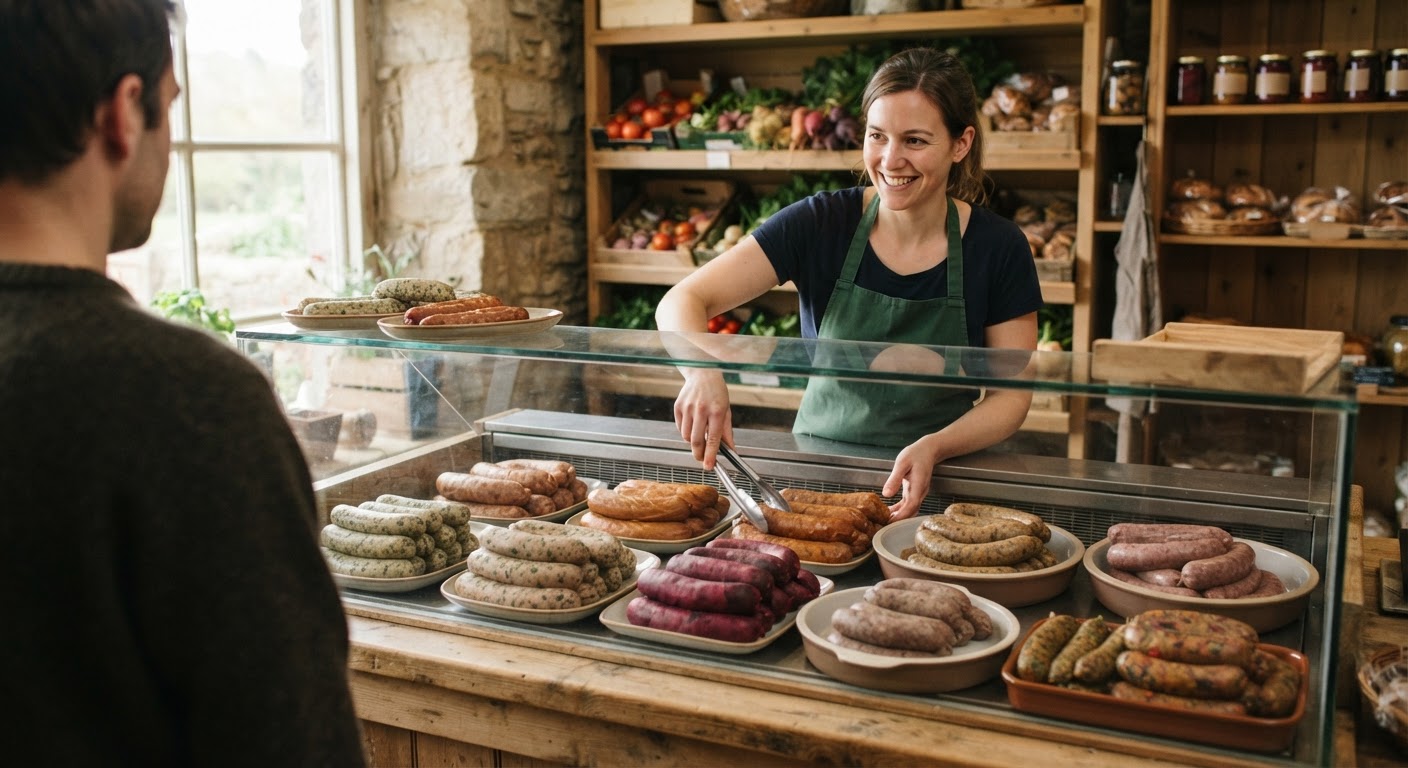
Myth 1: Vegan sausages are bland and textureless
For years, the perception of vegan sausages was one of mushy, indistinct texture and a muted, often artificial, flavour. Early iterations struggled to replicate the 'snap' of a traditional sausage or the rich umami notes that consumers expect. However, this perception is rapidly becoming outdated. Advances in food technology, particularly the sophisticated use of plant proteins like pea, soy, and wheat gluten, alongside innovative fat analogues derived from plant oils, have allowed manufacturers to engineer sausages with a pleasing bite and a mouthfeel strikingly similar to meat. The flavour is equally transformed, with chefs and food scientists now expertly layering spices, herbs, yeast extracts, and fermented ingredients to build deep, savoury tastes. A 2022 study published in *Food Chemistry* highlighted how specific combinations of plant proteins and hydrocolloids can significantly improve the textural properties of vegan sausages, making them a truly viable alternative.

Ingredient Innovations
- **Pea Protein:** Provides a fibrous, meat-like texture.
- **Wheat Gluten (Seitan):** Offers a chewy, dense structure.
- **Fungi (Mushrooms/Mycelium):** Contributes umami flavour and a tender bite.
- **Plant Oils (Coconut, Rapeseed):** Mimic the richness and juiciness of animal fat.
- **Natural Flavourings & Spices:** Create depth and complexity in taste.
Myth 2: Vegan sausages are just for vegans
The notion that vegan products are only for committed vegans is a significant barrier to wider adoption, yet it’s demonstrably false. In the UK, where brands like Heck and Richmond have successfully launched popular vegan sausage ranges, sales data consistently shows significant uptake from consumers who do not identify as vegan. These 'flexitarians' are actively reducing their meat consumption for a variety of reasons, including health, environmental concerns, and animal welfare. They are looking for familiar, enjoyable foods that make this transition easy. The success of artisan producers, often found in farmers' markets and independent retailers across the UK, also points to a broader appeal. These producers focus on quality ingredients and traditional flavour profiles, making their vegan sausages indistinguishable from, or even superior to, many conventional offerings. This broad appeal is a key driver of the plant-based market's expansion, as reported by The Vegan Society.
Myth 3: Producing vegan sausages is inherently less sustainable
While the production of any food has an environmental impact, the comparative footprint of plant-based sausages is substantially lower than their meat-based counterparts. Numerous scientific studies, including comprehensive analyses by the University of Oxford’s Environmental Change Institute, have quantified these differences. The cultivation of plant proteins and vegetables generally requires less land, less water, and produces fewer greenhouse gas emissions than raising livestock for meat. For instance, producing 1kg of pork can generate over 12kg of CO2e, whereas producing plant-based protein ingredients typically falls well below 2kg of CO2e. The energy required for processing plant-based ingredients is also often less intensive than the complex systems involved in animal agriculture and meat processing. Consumers choosing vegan sausages are therefore making a tangible contribution to reducing environmental pressures, a factor increasingly influencing purchasing decisions across Europe.
Environmental Impact Comparison: 1kg Sausage Production
Data represents average emissions across multiple studies. Source: Poore & Nemecek (2018), Science.
Myth 4: Vegan sausages are less nutritious
The nutritional profile of vegan sausages has improved dramatically. While early products might have been calorically dense and low in protein, modern formulations are often fortified and carefully balanced. The primary protein sources, such as pea and soy, provide complete amino acid profiles. Many manufacturers also add fibre, iron, and B vitamins (including B12, which is crucial for vegans and often added to plant-based staples). Compared to many traditional pork sausages, vegan alternatives typically contain significantly less saturated fat and zero dietary cholesterol, which are key considerations for heart health. Regulatory bodies like the UK's Food Standards Agency (FSA) provide guidelines for ensuring plant-based products meet nutritional needs, and reputable brands adhere to these. Consumers can easily find vegan sausages that offer a comparable, and in some aspects superior, nutritional package.
Nutrient Comparison: Per 100g Sausage
Average values for leading UK brands. Source: Product analysis (2023).
Myth 5: The quality is always inferior
The rapid evolution of the plant-based market has seen a surge in quality and innovation, particularly in the UK. Companies are investing heavily in research and development, drawing on expertise from both the food industry and agricultural science. This commitment is evident in the rise of artisan vegan sausage makers who focus on superior ingredients, traditional butchery techniques adapted for plants, and rigorous quality control. These producers are not just aiming to replace meat sausages; they are striving to create the best sausages, full stop. Many have won prestigious food awards, competing directly against meat products, and have garnered significant followings. This focus on quality means consumers can expect vegan sausages that brown beautifully, hold their shape when cooked, and deliver a truly satisfying eating experience, proving that 'vegan' and 'premium' are increasingly synonymous.
“The future of sausages is diverse, delicious, and plant-powered.”

The Evolving Landscape of Sausages
The story of vegan sausages is a testament to human ingenuity and evolving consumer demands. What was once a niche product struggling with taste and texture has transformed into a mainstream category defined by quality, flavour, and sustainability. Producers across the UK and beyond are demonstrating that plant-based eating does not require compromise. Whether driven by environmental consciousness, health goals, or simply a desire for delicious food, consumers are finding that the humble sausage has a vibrant and flavourful future, entirely free from animal products. The continued innovation in this space promises even more exciting developments, making it easier than ever to enjoy beloved foods responsibly.
Key Takeaways for Consumers
- Explore different brands to find your preferred texture and flavour.
- Check ingredient lists for high-quality protein sources and minimal additives.
- Consider the environmental benefits alongside taste and price.
- Don't be afraid to try them if you're not strictly vegan.
- Look for award-winning options for a guaranteed quality experience.
Frequently asked questions
What was Biff's main product before going vegan?
How did Biff's improve the taste of their vegan sausages?
What ingredients does Biff's use in their vegan sausages?
What impact did the vegan transition have on Biff's sales?
How did Biff's differentiate itself in the vegan market?
What are the key lessons for other food businesses from Biff's success?
Sources & further reading
- Food Chemistry Journal — Food Chemistry
- The Vegan Society — vegansociety.com
- Mintel Reports — mintel.com
- Science Journal (Poore & Nemecek) — science.org
- Environmental Change Institute — eci.ox.ac.uk
- Food Standards Agency — food.gov.uk