When will animal testing for cosmetics end?
Discover the global progress and remaining challenges in ending cosmetic animal testing, with insights into country-specific bans and future outlook.
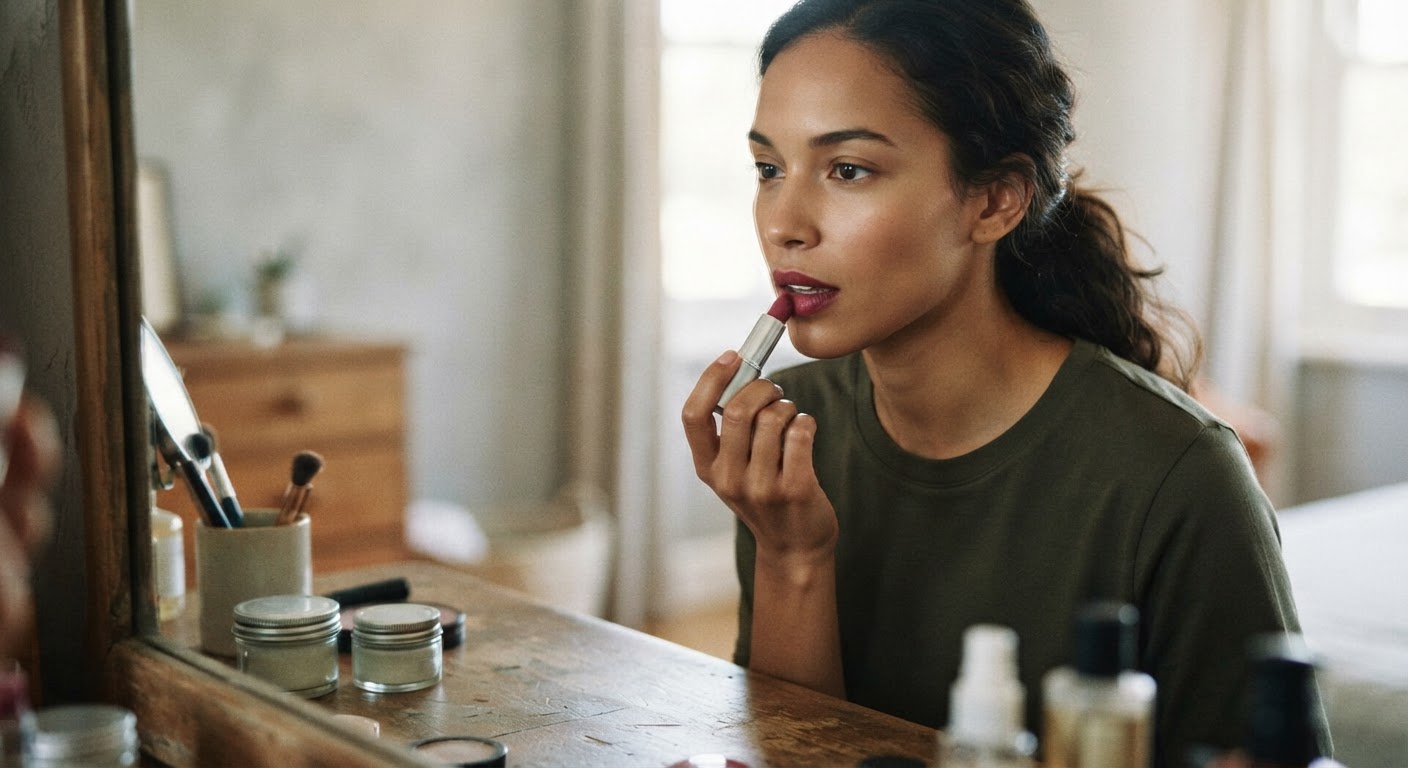
The question of when cosmetic animal testing will cease entirely is complex, but the trajectory is clear: towards global prohibition. A significant number of countries have already implemented bans, driven by ethical concerns and the development of robust alternative testing methods. This movement reflects a growing societal consensus that inflicting suffering on animals for non-essential products is unacceptable. As legislation tightens and consumer awareness rises, the pressure mounts on remaining markets to adopt cruelty-free practices.
Which countries have banned cosmetic animal testing?
A substantial and growing coalition of nations has outlawed cosmetic animal testing, a testament to evolving ethical standards and scientific progress. The European Union led the charge with its comprehensive ban in 2013, which covers both animal testing of ingredients and finished products, as well as the sale of cosmetics tested on animals. Following suit, the United Kingdom enacted its own ban, and many other countries have introduced similar legislation. These bans often extend to imported products, creating a significant global market shift.
- European Union (since 2013)
- United Kingdom
- India
- Israel
- Norway
- Switzerland
- Australia
- Canada (federal ban on animal testing and sale of tested cosmetics)
What about countries where it's still allowed?
Despite widespread bans, some key markets still permit cosmetic animal testing, creating a complex global regulatory landscape. China, for instance, historically required animal testing for many imported cosmetics, though it has significantly reformed its regulations. While mandatory animal testing for most cosmetics has been removed, certain categories, particularly those making specific claims or produced by foreign companies, may still be subject to it under specific circumstances. This creates a challenge for brands aiming for a truly global cruelty-free status.
What are the main alternatives to cosmetic animal testing?
The scientific community has made remarkable strides in developing and validating alternatives to animal testing for cosmetics. These methods are often faster, more cost-effective, and more relevant to human biology than traditional animal tests. They encompass a range of sophisticated techniques that assess toxicity and efficacy without involving live animals. The widespread adoption of these alternatives is crucial for achieving a global end to cosmetic animal testing.
- In vitro testing: Using human cells, tissues, or reconstructed human epidermis to assess skin irritation, corrosion, and other effects.
- Computer modelling (in silico): Using existing data and algorithms to predict a substance's potential toxicity.
- Organ-on-a-chip technology: Microfluidic devices that mimic human organ functions.
- Advanced assays: Sophisticated tests that measure specific biological responses to chemicals.
How does consumer demand influence these bans?
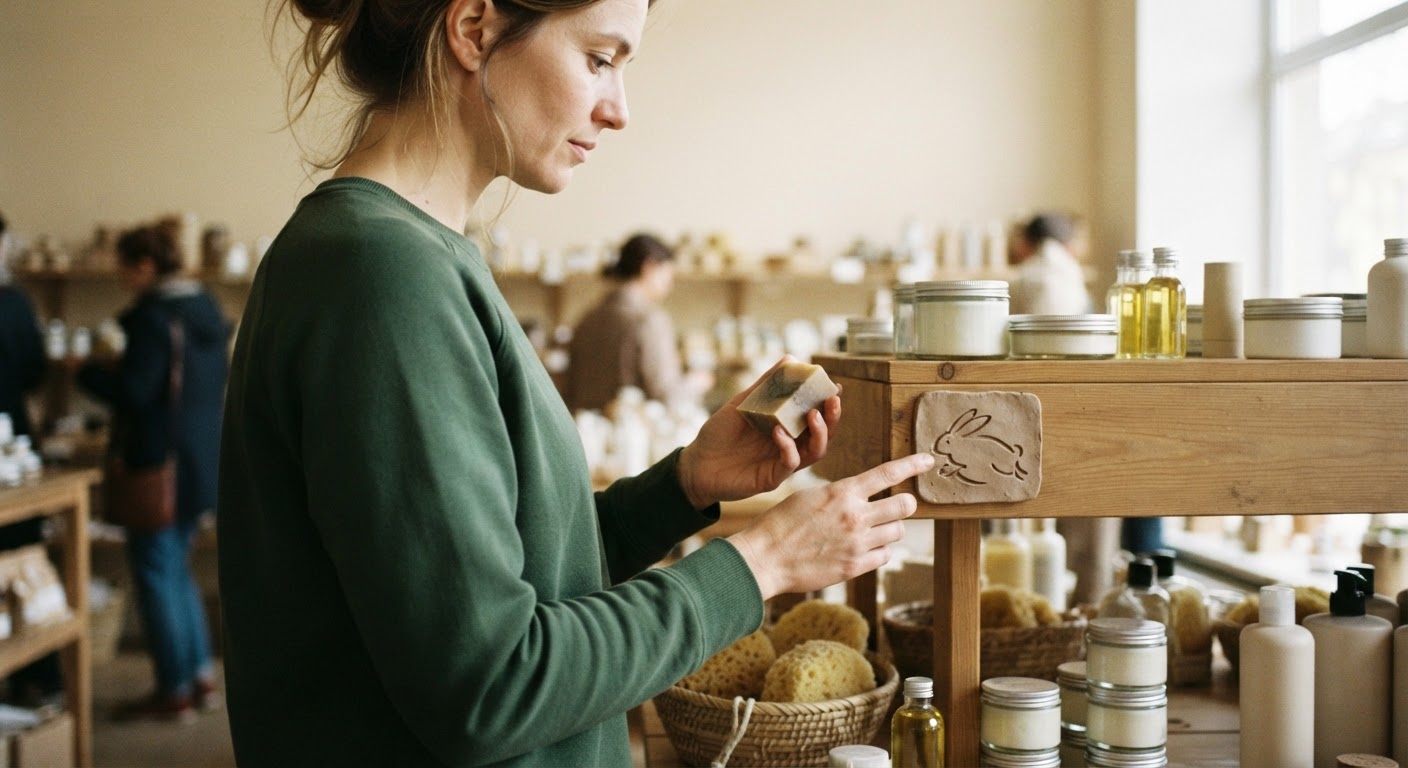
Consumer awareness and purchasing power are potent forces driving the end of cosmetic animal testing. Shoppers increasingly seek out products labelled 'cruelty-free' and 'vegan,' actively choosing brands that align with their ethical values. This demand creates a significant market incentive for companies to reformulate their products and adopt non-animal testing methodologies. Social media campaigns and advocacy groups play a vital role in educating consumers and amplifying their voices, pushing both brands and legislators towards greater accountability.
“The rise of the conscious consumer is fundamentally reshaping the beauty industry's ethical standards.”
What are the challenges to a complete global ban?
Achieving a universal ban on cosmetic animal testing faces several hurdles. Regulatory divergence remains a significant challenge, with different countries having varying requirements and timelines for implementation. Some nations may lag in adopting new testing technologies or enforcing existing bans. Furthermore, the cost and complexity of validating and implementing novel testing methods can be a barrier for some manufacturers, particularly smaller businesses. International harmonisation of regulations is essential to ensure a level playing field and protect animals worldwide.
Global Regulatory Landscape for Cosmetic Animal Testing
Data illustrative of general global trends. Specific regulations vary significantly by country. Based on analysis of major market regulations.
What is the future outlook for ending cosmetic animal testing?
The future of cosmetic animal testing points towards its eventual global elimination. Advances in scientific alternatives continue to accelerate, making them more accessible and reliable. Major markets are increasingly adopting stricter regulations, and consumer pressure shows no sign of abating. International collaboration among regulatory bodies, scientific institutions, and industry stakeholders is key to harmonising standards and sharing best practices. As more countries align their policies, the practice of cosmetic animal testing will likely become a relic of the past, replaced by humane and scientifically sound methods.
Frequently asked questions
Is animal testing for cosmetics completely banned everywhere?
Are there effective alternatives to animal testing for cosmetics?
Why did countries start banning animal testing for cosmetics?
How can I tell if a cosmetic product is cruelty-free?
What is the difference between 'cruelty-free' and 'vegan' cosmetics?
Sources & further reading
- Humane Society International — hsi.org
- European Commission — ec.europa.eu
- PETA — peta.org
- Cruelty Free International — crueltyfreeinternational.org