A Letter to Anyone Considering Dal Bhat
Discover the resilient, plant-powered lunch that fuels the Himalayas and explore its global vegan relevance. Learn why dal bhat is more than just a meal.
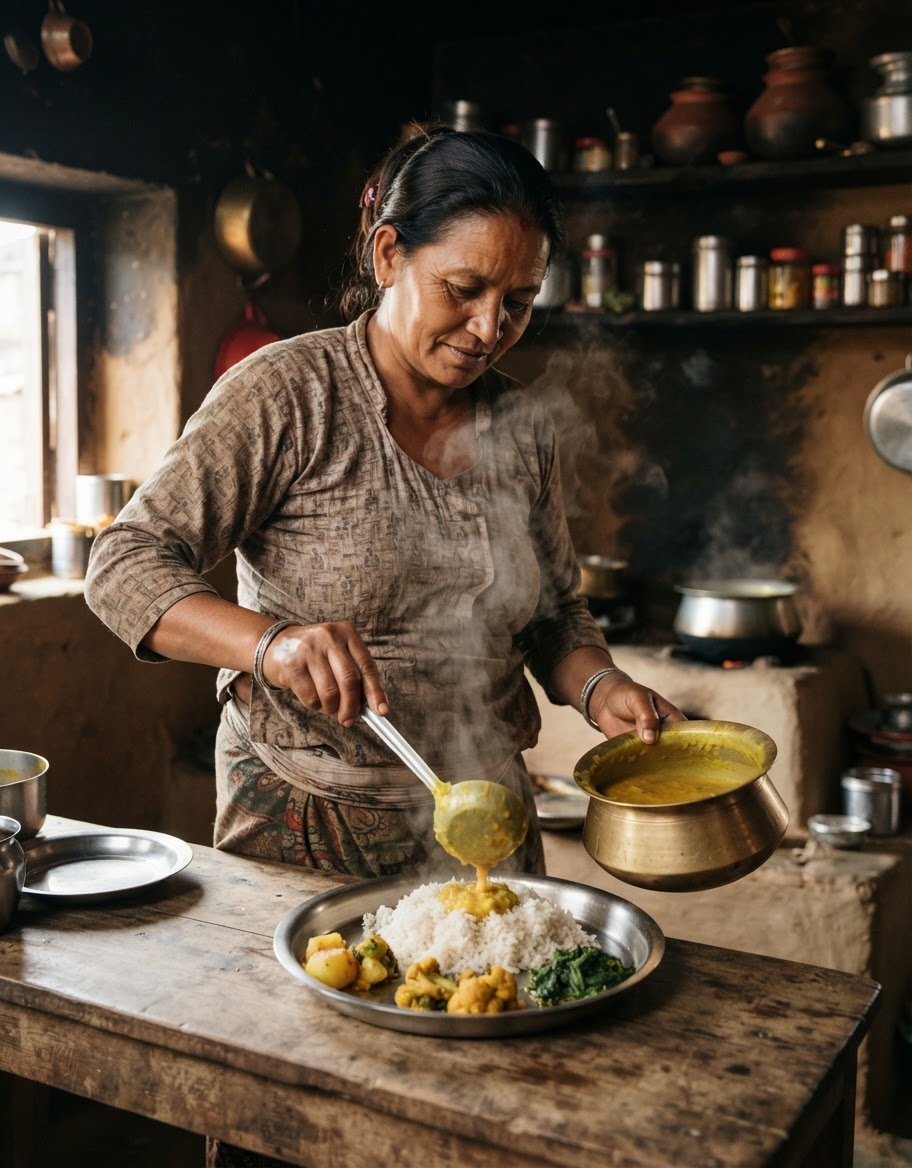
To anyone curious about the robust energy of the Himalayan people, or perhaps seeking a more sustainable and nourishing way to fuel their own days, I want to talk about dal bhat. This iconic Nepali dish, often translated as 'lentil soup and rice,' is far more than a simple lunch; it's a testament to culinary ingenuity, ecological wisdom, and the sheer power of plants. For many, it represents a daily ritual, a source of sustenance that has powered generations through demanding lives in the mountains. If you're looking for a blueprint for a healthy, planet-friendly diet, dal bhat offers profound lessons, proving that a satisfying and complete meal can be built from the humblest of ingredients.
What I want you to know first
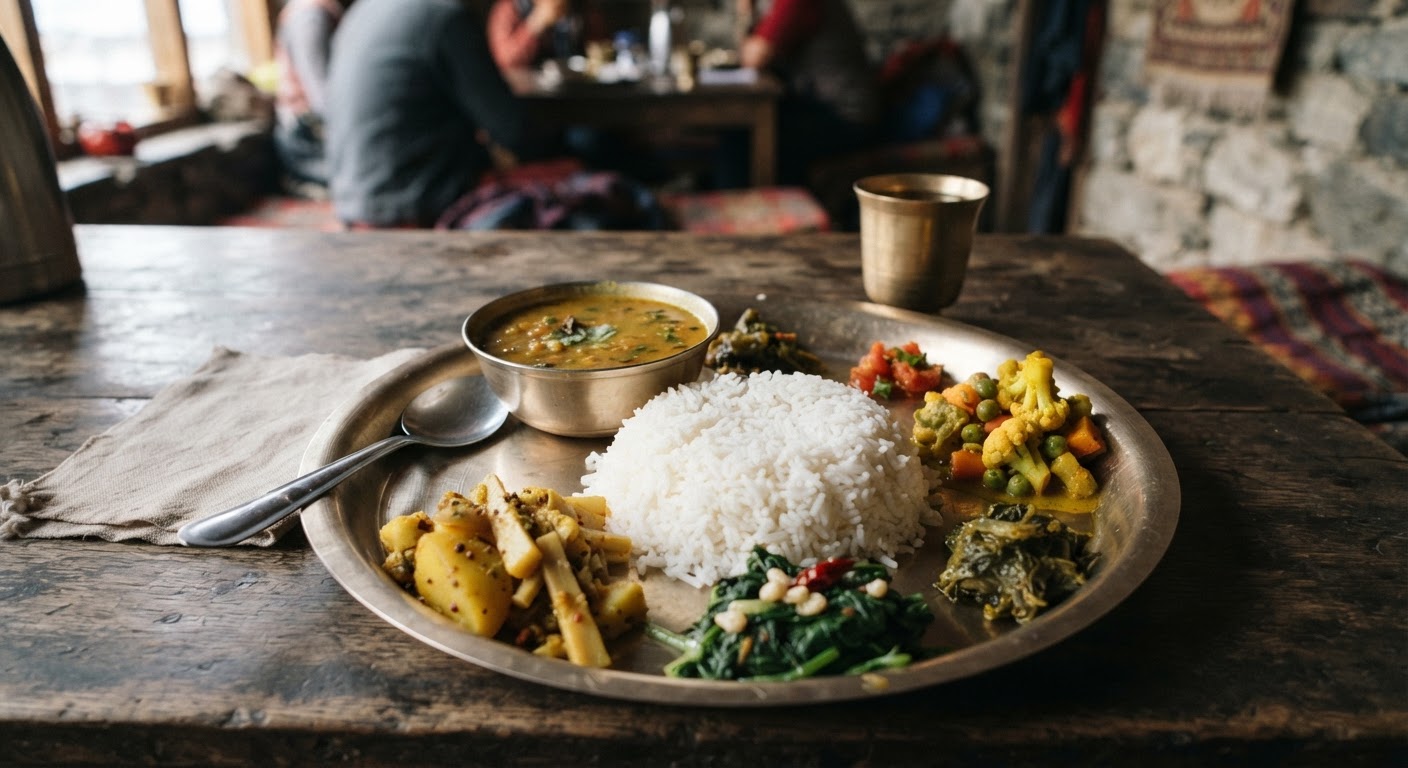
At its core, dal bhat is a masterclass in balanced nutrition, achieved through a thoughtful combination of plant-based staples. The 'dal' is typically a lentil stew, varying in thickness and spice depending on regional and personal preference. Lentils, being legumes, are a fantastic source of protein and fibre. The 'bhat' is steamed rice, providing essential carbohydrates for energy. Together, rice and lentils form a complete protein profile, meaning they provide all the essential amino acids our bodies need, a crucial point for anyone exploring vegan diets. This synergy is key to dal bhat’s reputation for providing sustained energy, making it ideal for trekkers, farmers, and anyone engaged in physical labour. It’s a simple, yet profound, understanding of how to combine foods for optimal nourishment without relying on animal products.
The things nobody tells you
- **The 'Ghee' Dilemma:** Traditionally, a dollop of ghee (clarified butter) is sometimes added for flavour and richness. For vegans, this is easily substituted with a drizzle of vegetable oil or a sprinkle of toasted seeds.
- **The Pickle Power:** Accompanying pickles, or 'achar,' are not just condiments; they are vital for digestion and add a complex layer of flavour, often fermented and packed with probiotics.
- **The Seasonal Symphony:** Dal bhat is incredibly adaptable. The accompanying vegetable dishes, known as 'tarkari,' change with the seasons, showcasing the freshest produce available, from leafy greens in cooler months to gourds and beans in warmer ones.
- **The Spice Spectrum:** While often perceived as mild, the spice level of dal can range from a gentle warmth to a fiery kick, achieved through various chillies, ginger, garlic, and turmeric. Turmeric, in particular, is celebrated for its anti-inflammatory properties.
- **The Leftover Magic:** Leftover rice is often repurposed into 'chiura' (puffed rice) or fried rice, demonstrating a commitment to minimizing food waste.
The evidence I found
Environmental Impact Comparison: Beef vs. Lentils
Data from Our World in Data (2020). This comparison highlights the significantly lower carbon footprint of plant-based protein sources.
A Global Perspective on Sustainability
The environmental advantages of a dal bhat-inspired diet are substantial, especially when compared to diets rich in animal products. As highlighted by data from Our World in Data, the production of beef carries an enormous carbon footprint, releasing approximately 60 kg of carbon dioxide equivalent (CO2e) per kilogram. In stark contrast, lentils, the backbone of dal, emit a mere 0.9 kg of CO2e per kilogram. This dramatic difference underscores the planetary benefits of shifting towards plant-based protein sources. Furthermore, while rice cultivation requires significant water (around 2,500 litres per kilogram, according to the FAO), the overall water footprint of a plant-based diet, as exemplified by dal bhat, is considerably lower than that of diets heavily reliant on animal agriculture. This makes dal bhat a powerful model for sustainable eating, demonstrating how to nourish oneself while minimizing environmental impact.
Water Footprint Comparison: Dairy Milk vs. Lentils
Data from Water Footprint Network. This illustrates the significant water savings when choosing plant-based proteins over animal products.
What I would do differently
A short reading list
- The EAT-Lancet Commission Summary Report: A roadmap to healthy diets from sustainable food systems.
- FAOSTAT Database: Comprehensive data on food production and agriculture globally.
- 'Food, Inc.' (Documentary): Explores the industrial food system in the US, offering context on why alternatives are vital.
- Our World in Data: Environmental impacts of food production research.
“Dal bhat is more than sustenance; it's a philosophy of living lightly on the Earth, powered by plants.”
Frequently Asked Questions
Sources & further reading
- Food and Agriculture Organization of the United Nations (FAO) — fao.org
- Our World in Data — ourworldindata.org
- EAT-Lancet Commission — eatforum.org
- Water Footprint Network — waterfootprint.org