Duckweed: A Scientist Explains This Fast-Growing Protein
Discover why duckweed, the world's fastest-growing plant, could be a sustainable protein powerhouse for global diets.
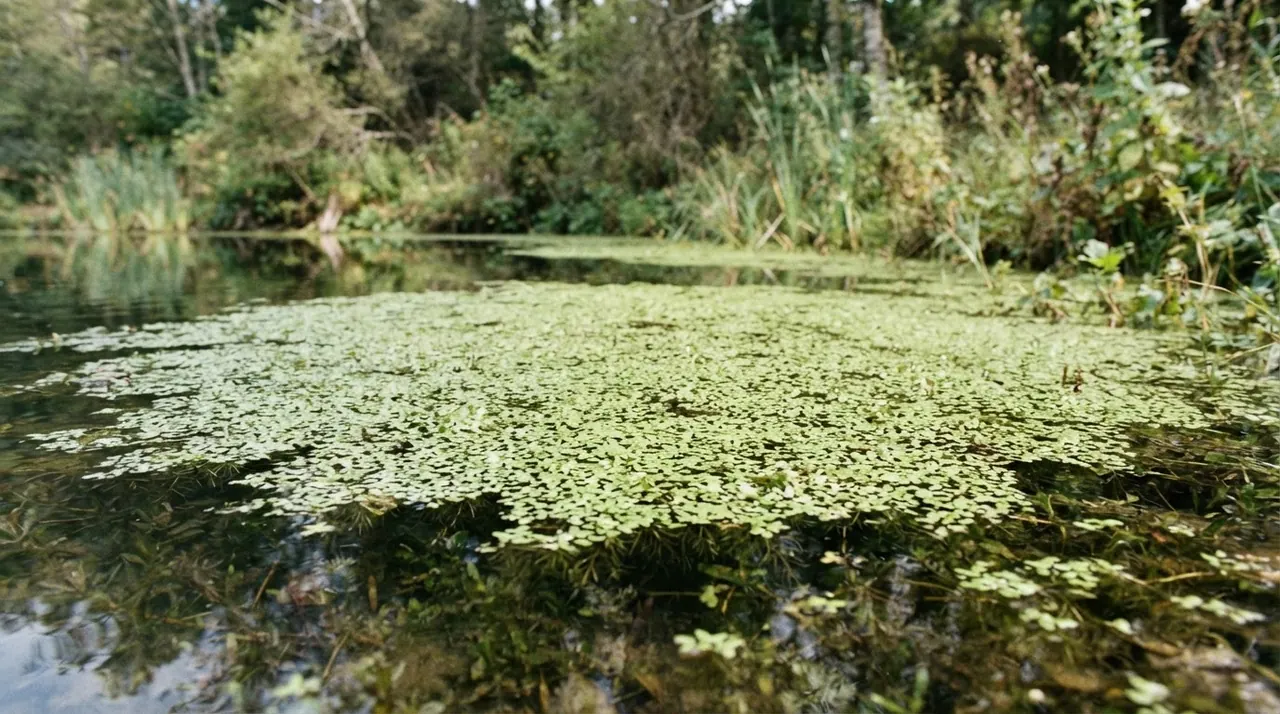
Could a tiny aquatic plant, often seen as a nuisance, hold the key to a more sustainable food future? Dr. Anya Sharma, a leading food scientist specializing in novel protein sources, believes duckweed (Lemnaceae family) is poised to become a significant contributor to global diets. Its remarkable growth rate, dense nutrient profile, and minimal environmental demands present a compelling case for its integration into our food systems, offering a viable alternative to conventional, resource-intensive proteins. We spoke with Dr. Sharma to understand the potential of this often-overlooked plant.
What makes duckweed so special for food production?
Dr. Sharma explains that duckweed's standout feature is its unparalleled growth rate. 'Under optimal conditions, duckweed can double its biomass in as little as 24 to 48 hours,' she states. 'This makes it one of the fastest-growing plants on Earth, significantly outpacing crops like soy or wheat in terms of yield per unit area. This rapid regeneration is due to its simple structure and efficient photosynthetic capabilities.'
What are the nutritional benefits of duckweed?
Beyond its growth speed, duckweed is a nutritional powerhouse. 'Its protein content is remarkably high, often ranging from 30% to 45% of its dry weight, which is comparable to or even exceeds that of soybeans,' Dr. Sharma notes. 'Crucially, it's a complete protein, containing all the essential amino acids required by humans. It's also a good source of vitamins like B12 and minerals such as iron and calcium, along with beneficial fatty acids like omega-3s.'
“Duckweed is a complete protein, containing all the essential amino acids required by humans.”
How does duckweed farming compare to traditional agriculture?
The environmental advantages of duckweed cultivation are substantial. 'Unlike traditional agriculture, which often requires vast tracts of arable land, irrigation, and can contribute to soil degradation and water pollution through runoff, duckweed can be grown in contained systems,' Dr. Sharma elaborates. 'It thrives in ponds, canals, wastewater treatment facilities, and even vertical farms. This means it doesn't compete with food crops for land and can even help purify water by absorbing excess nutrients like nitrogen and phosphorus, turning a problem into a resource.'
Land Use Comparison (Estimated Yields)
Data is illustrative and based on potential yields from various sources, including scientific literature and agricultural estimates. Actual yields vary with conditions. Source: Adapted from Our World in Data and scientific reviews.
What are the biggest hurdles to widespread adoption?
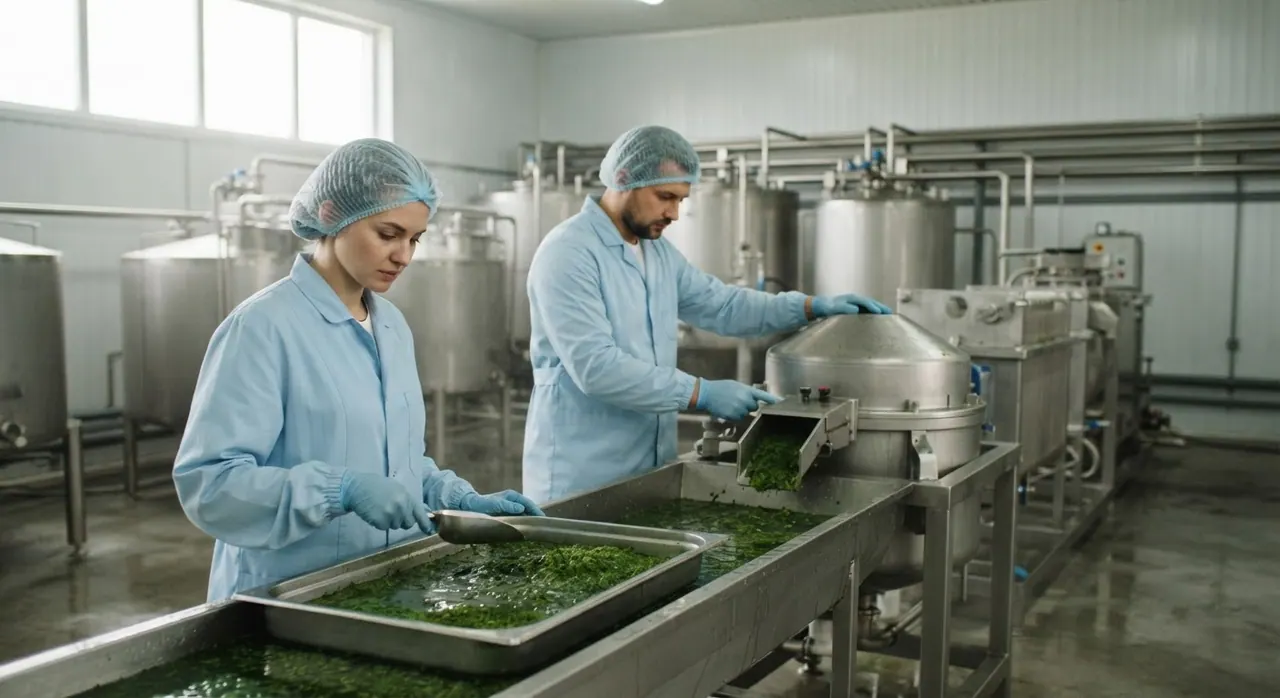
Despite its potential, Dr. Sharma acknowledges the challenges. 'The primary hurdles are processing and consumer acceptance,' she says. 'Duckweed has a mild, slightly vegetal flavour, which can be a positive, but it needs to be processed effectively to remove any potential toxins from wastewater cultivation and to create palatable food products. Developing efficient, scalable processing methods and creating familiar food formats – like flours, protein isolates, or even meat analogues – is crucial. Public perception is also a factor; people need to understand its benefits and overcome any initial hesitations about eating a plant that grows in water.'
- Developing efficient and cost-effective processing techniques.
- Ensuring safety and removing potential contaminants.
- Creating appealing food products and recipes.
- Educating consumers about duckweed's nutritional and environmental benefits.
- Scaling up cultivation and harvesting infrastructure.
What does the future hold for duckweed?
The research and development into duckweed as a food source are accelerating. 'We're seeing exciting innovations in how duckweed is being used, from protein powders and plant-based milks to ingredients in baked goods and even animal feed,' Dr. Sharma reports. 'As the global population continues to grow and the demand for sustainable protein sources intensifies, duckweed offers a compelling, low-impact solution. Its ability to grow in diverse environments, including those unsuitable for traditional agriculture, and its rapid growth cycle make it an indispensable tool in building a resilient and sustainable food system for the future. It’s not just a novelty; it’s a serious contender.'
The evidence behind the answers
The scientific community and agricultural organizations are increasingly recognizing duckweed's potential. Studies published in journals like *Nature Food* and reports from the Food and Agriculture Organization of the United Nations (FAO) highlight the need for novel, sustainable protein sources. Research into duckweed's cultivation, nutritional profile, and processing methods is ongoing, supported by various academic institutions and food innovation hubs globally. The EAT-Lancet Commission's recommendations for healthy diets from sustainable food systems also underscore the importance of diversifying our protein sources, a gap duckweed could help fill.
- High protein content and essential amino acids.
- Rapid growth rate and high yield per hectare.
- Low land and water footprint compared to animal agriculture.
- Potential for wastewater remediation.
- Rich source of vitamins and minerals.
- Adaptable to various cultivation environments.
Nutrient Profile Comparison (per 100g dry weight)
Values are approximate for duckweed and represent typical ranges. Source: Scientific literature review, e.g., studies in Journal of Food Science and Technology.
What can readers do to support this innovation?
Frequently asked questions
Is duckweed safe to eat?
Does duckweed taste good?
Where is duckweed currently grown for food?
How is duckweed harvested?
Can duckweed be grown at home?
What are the environmental benefits of duckweed farming?
Sources & further reading
- Nature Food — nature.com/natfood
- Food and Agriculture Organization of the United Nations (FAO) — fao.org
- EAT-Lancet Commission — eatforum.org/eat-lancet-commission
- Our World in Data — ourworldindata.org
- Journal of Food Science and Technology — springer.com/journal/13197