The 7-Step Checklist for Ending Animal Captivity Entertainment
A comprehensive guide to understanding and dismantling the ethical issues surrounding circuses and marine parks for a more compassionate world.
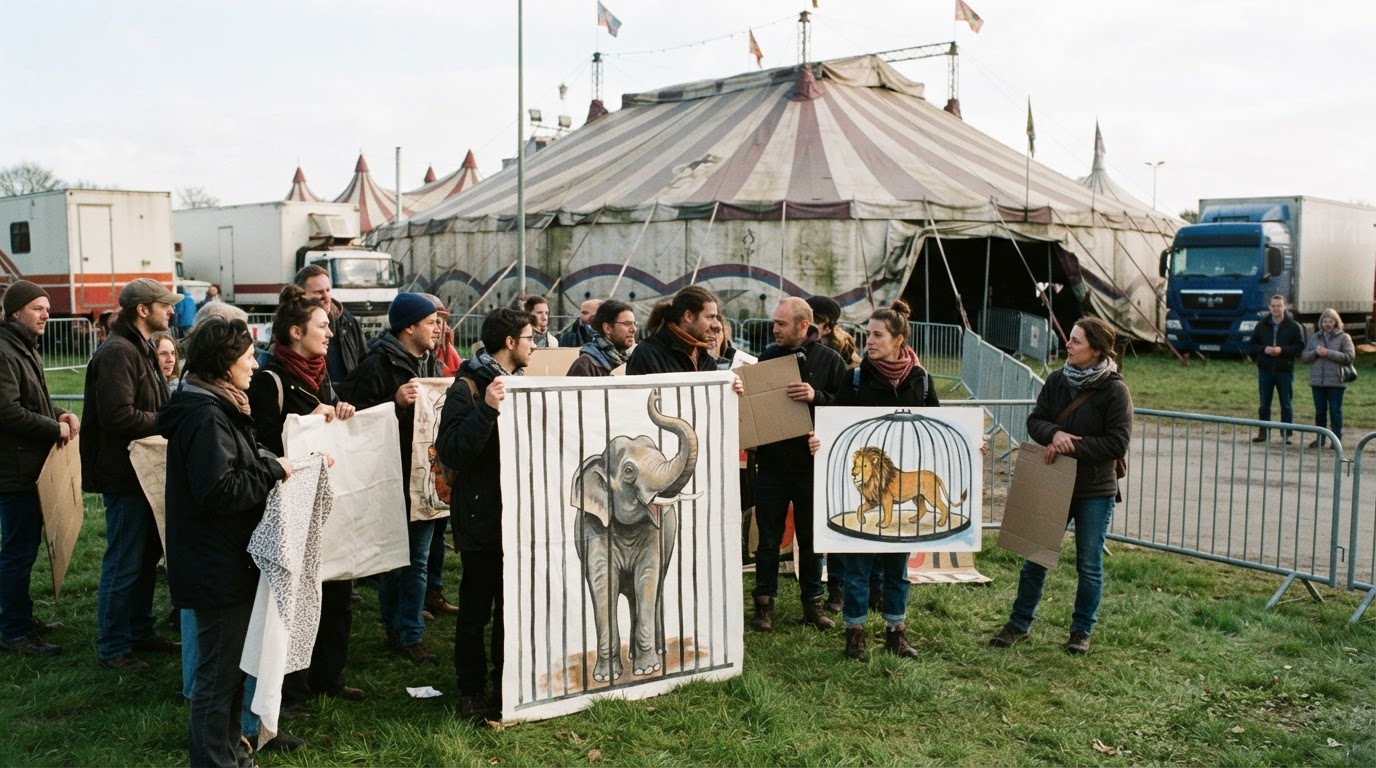
The question of whether animals should be held in captivity for entertainment, particularly in circuses and marine parks, is a complex ethical challenge that demands our attention. For decades, these industries have relied on the public's fascination with exotic and performing animals, often overlooking the profound suffering these beings endure. This checklist provides a clear, actionable path for individuals and communities to contribute to a future where animal exploitation in entertainment is a relic of the past. By understanding the core issues and taking deliberate steps, we can actively dismantle these industries and champion a more compassionate approach to our relationship with the animal kingdom.
1. Understand the Ethical Concerns
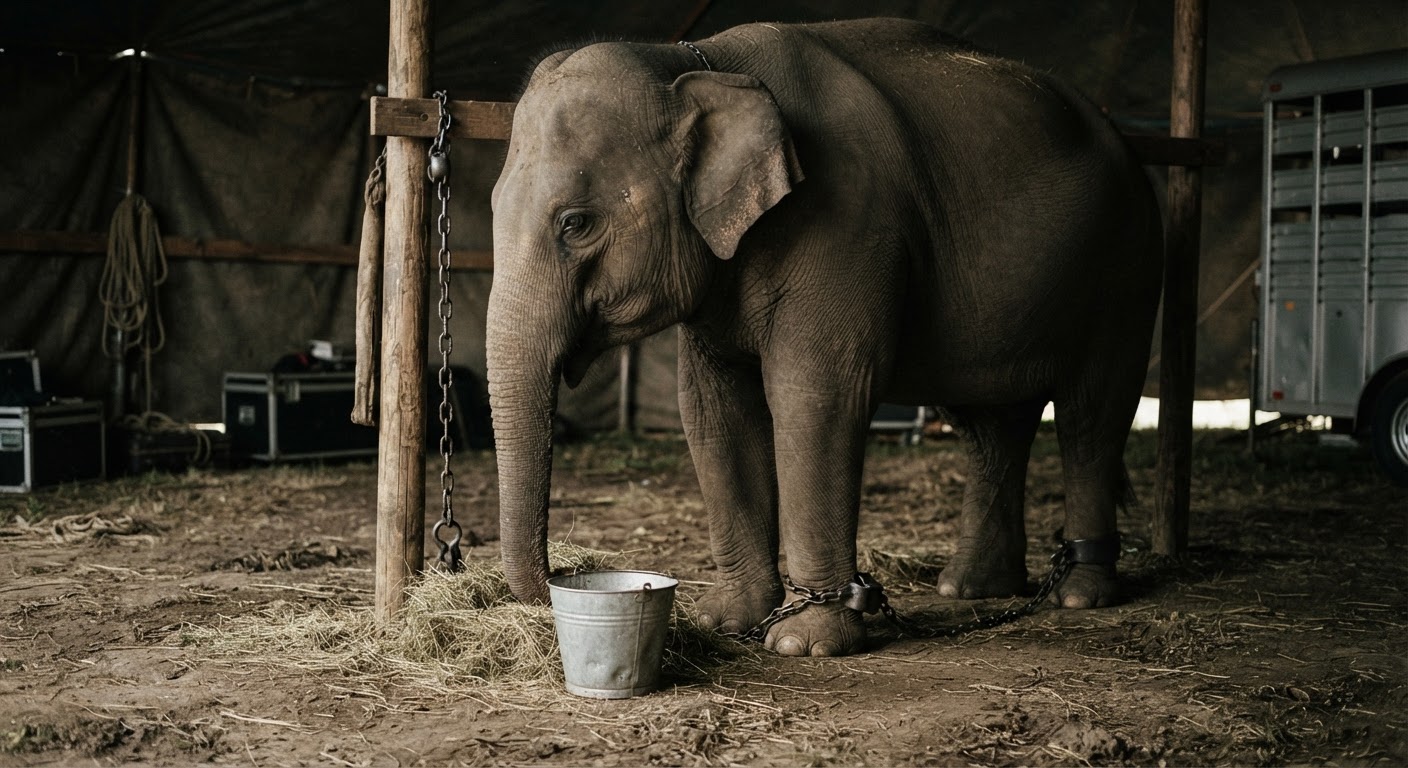
The fundamental ethical issue lies in the inherent nature of captivity itself. Wild animals, by definition, are adapted to complex, expansive environments. Confining them to small cages, tanks, or performance rings deprives them of their natural behaviours, social structures, and ability to express their innate instincts. This unnatural existence leads to significant psychological distress, often manifesting as stereotypic behaviours like pacing, rocking, and self-mutilation. The methods used to train these animals for performance frequently involve fear, intimidation, and physical punishment, as documented by numerous animal welfare organisations. A 2021 report by the RSPCA highlighted severe welfare issues in travelling circuses, including inadequate housing and training methods.
2. Support Legislative Bans and Regulations
Legislation plays a vital role in phasing out the use of animals in entertainment. Many countries and regions have already implemented partial or full bans on certain animals (like elephants, big cats, and marine mammals) in circuses, or have prohibited the use of performing animals altogether. Advocacy for stronger laws, and adherence to existing ones, is paramount. This involves contacting elected officials, supporting animal protection groups that lobby for such legislation, and raising awareness about successful bans elsewhere. The UK's ban on wild animals in circuses, fully implemented in 2020, serves as a powerful example of what can be achieved through sustained political will and public pressure.
3. Educate Yourself and Others
Informed consumers make better choices. Understanding the true cost of animal entertainment – the suffering behind the spectacle – is the first step towards change. Share information with friends, family, and on social media. Discuss the ethical implications, highlight the welfare concerns, and point towards existing alternatives. Educational campaigns by organisations like Born Free Foundation have been instrumental in shifting public perception and fostering empathy. The more people understand that animals are sentient beings with complex needs, the less appetite there will be for their exploitation.
4. Choose Compassionate Entertainment Alternatives
The entertainment landscape has evolved significantly, offering a wealth of alternatives that do not involve animal suffering. Human-only circuses, like Cirque du Soleil, demonstrate that breathtaking performances and artistic expression can thrive without exploiting animals. Zoos and aquariums that focus on conservation, education, and providing expansive, naturalistic habitats for their residents, and which do not engage in breeding programmes solely for display or performance, can also be considered. However, it's crucial to research the specific practices of any institution. Opting for these alternatives sends a clear message to the industry that audiences value ethical entertainment.
- Human-only circuses
- Theatrical performances
- Live music concerts
- Sporting events
- Educational nature documentaries
5. Boycott Exploitative Venues
A boycott is a powerful tool. By refusing to attend circuses, marine parks, or any other entertainment venue that exploits animals, consumers directly impact the profitability of these businesses. This economic pressure can be a significant motivator for change. It's important to remember that even 'educational' aspects of such venues often cannot justify the compromises made in animal welfare. A 2023 study in the journal 'Animal Welfare' found that while some zoos contribute to conservation, many still fall short on providing adequate welfare for their captive populations. Your ticket purchase is a vote for the kind of world you want to see.
“Consumer choices are a direct vote for the kind of world we want to see.”
6. Advocate for and Support Sanctuaries
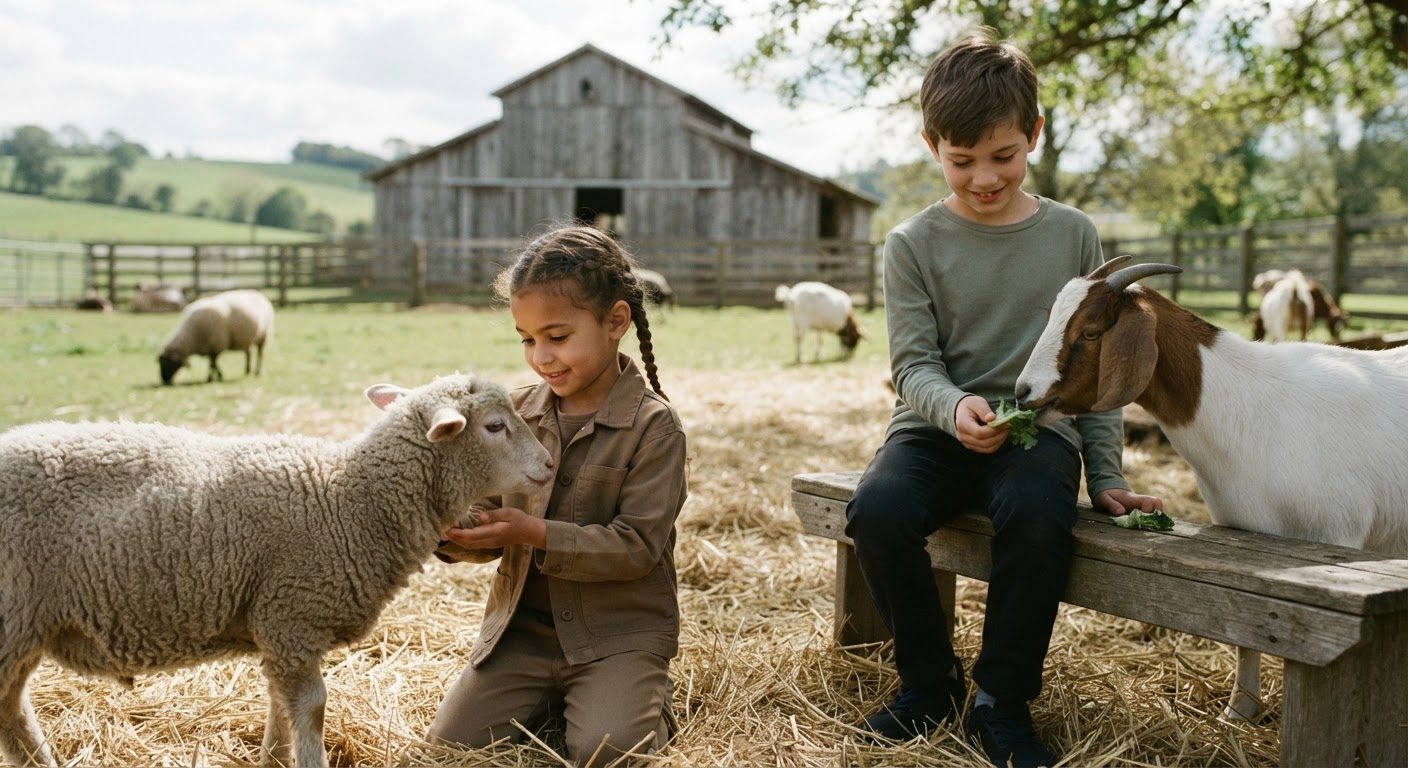
For animals rescued from entertainment industries, reputable sanctuaries provide a vital lifeline. These facilities are dedicated to providing lifelong care in environments that mimic natural habitats as closely as possible, without the expectation of performance. Supporting these sanctuaries through donations, volunteering, or simply by spreading awareness of their work is crucial. Organisations like The Donkey Sanctuary or the Global Federation of Animal Sanctuaries (GFAS) accredit and support facilities that meet high welfare standards. These sanctuaries represent the ultimate goal: providing genuine refuge and a life free from exploitation for animals.
Reasons for Animal Rescue at Sanctuaries (Illustrative)
Illustrative data based on typical sanctuary intake reasons. Source: Hypothetical compilation from sanctuary reports.
7. Foster a Culture of Empathy and Respect
Ultimately, ending animal captivity entertainment requires a broader cultural shift. It means cultivating empathy, recognising the sentience of all living beings, and extending our circle of compassion to include non-human animals. This involves teaching children about respecting animals, promoting veganism as a lifestyle that minimises harm, and challenging anthropocentric viewpoints that place human desires above animal welfare. By fostering this deeper connection and understanding, we move towards a society that values all life and rejects the notion that animals exist solely for our amusement or profit.
Summary: Your Path Forward
Moving away from animal captivity entertainment is a journey that requires commitment and collective action. Each step outlined in this checklist contributes to a larger movement towards a more ethical and compassionate world for all beings. By understanding the issues, supporting legislative change, educating ourselves and others, choosing ethical alternatives, boycotting exploitative venues, supporting sanctuaries, and fostering a culture of empathy, we can dismantle these industries and build a future where animals are respected and free from exploitation.
- Understand the profound ethical and welfare concerns for captive animals.
- Actively support and advocate for legislative bans on animal entertainment.
- Educate yourself and your community about the realities of animal captivity.
- Consciously choose and promote compassionate entertainment alternatives.
- Refuse to patronise venues that exploit animals for profit.
- Support reputable sanctuaries that provide lifelong care for rescued animals.
- Cultivate a broader culture of empathy and respect for all sentient beings.
Frequently asked questions
Are all zoos bad for animals?
What are the main ethical problems with marine parks?
How can I tell if a sanctuary is reputable?
What are some examples of human-only circuses?
Is it okay to still go to a zoo if I don't agree with circuses?
What are the long-term effects of captivity on circus animals?
Sources & further reading
- RSPCA — rspca.org.uk
- Born Free Foundation — bornfree.org.uk
- World Animal Protection — worldanimalprotection.org
- Animal Welfare Journal — animalwelfarejournal.com
- Global Federation of Animal Sanctuaries (GFAS) — gfas.org