Fish Mercury Myths Busted: What's Safe to Eat?
Discover the truth about mercury in fish and explore safer, delicious vegan alternatives for your health and the planet.
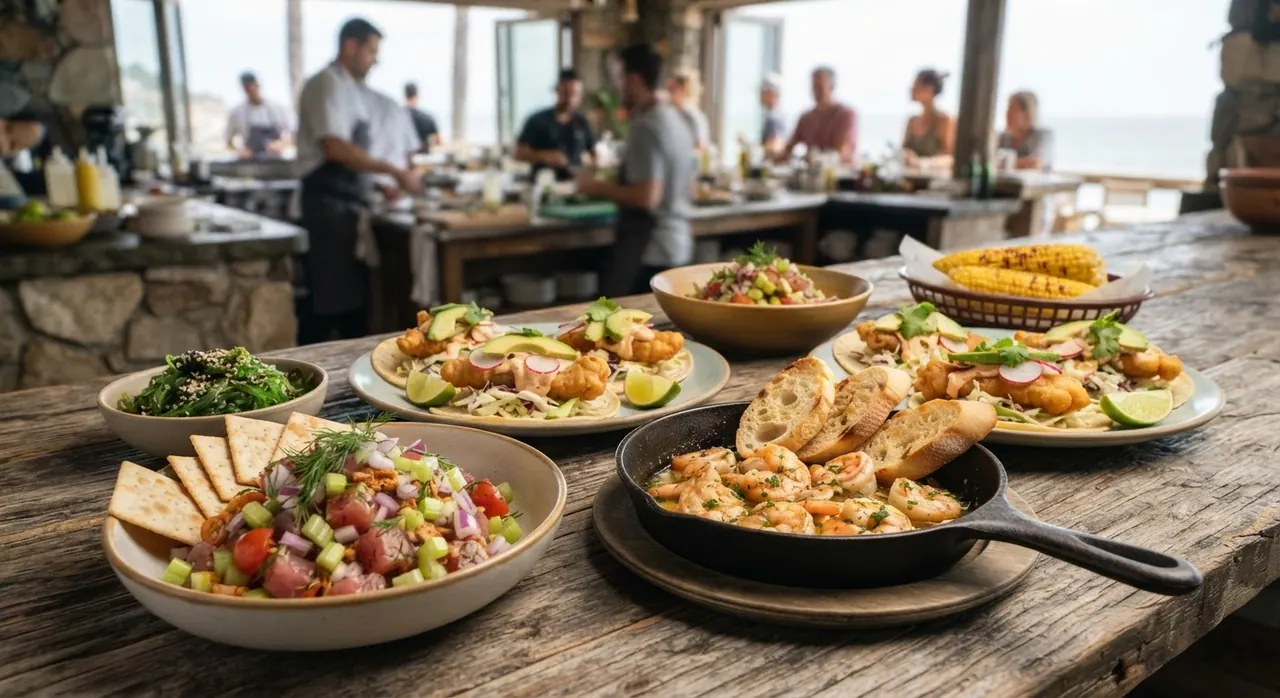
Myth: All fish are a healthy source of omega-3s and protein.
The perception of fish as an inherently healthy food is widespread, often lauded for its omega-3 fatty acids and lean protein. However, this narrative often overlooks a critical contaminant: mercury. Methylmercury, a potent neurotoxin, bioaccumulates in fish as they consume smaller organisms. This means larger, older, and predatory fish, which sit higher on the food chain, concentrate higher levels of mercury. For many, especially pregnant individuals, breastfeeding mothers, and young children, the risks associated with mercury exposure can be substantial, potentially impacting cognitive development and neurological function. International health bodies like the World Health Organization (WHO) issue advisories on fish consumption, highlighting the need for careful selection.
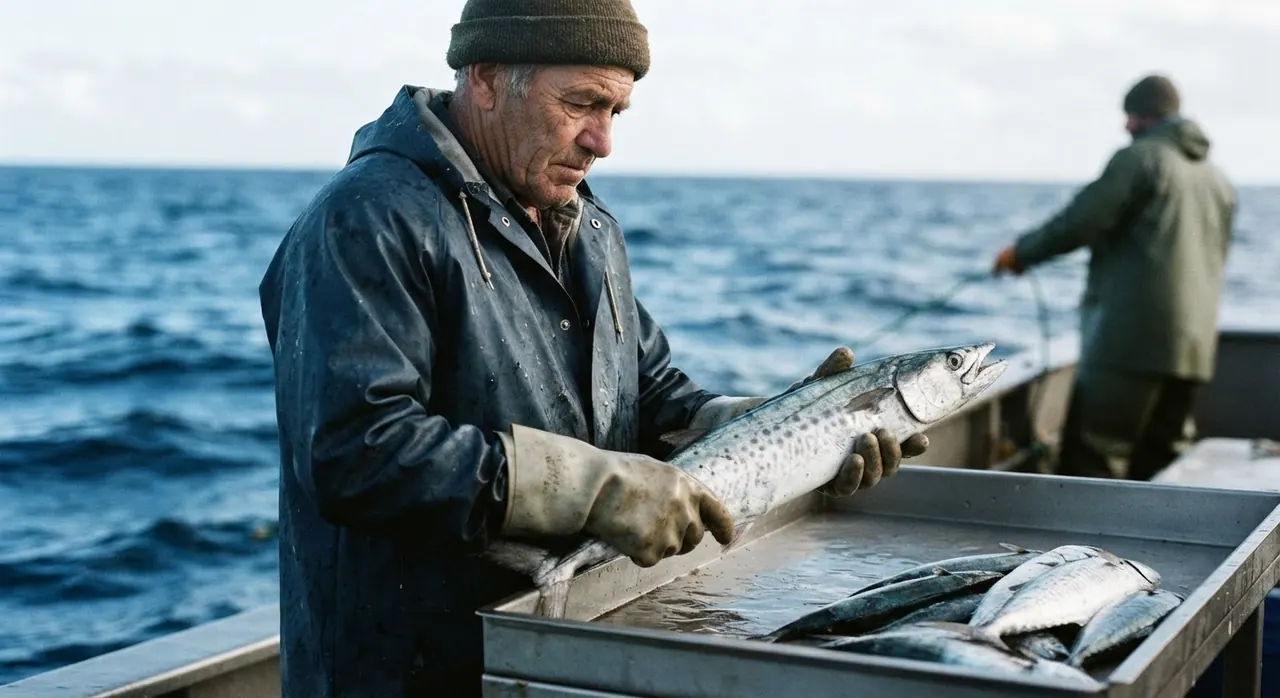
Myth: Eating fish is essential for omega-3 intake.
A cornerstone of the 'fish is healthy' argument is its omega-3 content, specifically EPA and DHA. While these are indeed vital for brain health, heart function, and reducing inflammation, the assumption that fish are the *only* or *best* source is a significant oversimplification. The human body can convert alpha-linolenic acid (ALA), abundant in plant foods like flaxseeds, chia seeds, walnuts, and hemp seeds, into EPA and DHA. Although this conversion rate can be variable, a consistent intake of ALA-rich foods supports adequate levels. Furthermore, the direct plant-based sources of pre-formed EPA and DHA are algae-based supplements. These supplements are grown in controlled environments, free from oceanic contaminants like mercury, microplastics, and PCBs, offering a pure and effective way to meet omega-3 needs.
Mercury Levels in Common Fish (µg/kg)
Data is illustrative and based on general averages reported by various food safety agencies. Actual levels vary by region, age, and diet of the fish. Source: Adapted from various national food safety advisories.
Myth: Smaller fish are always safe to eat in unlimited quantities.
It's often advised to choose smaller fish like sardines, anchovies, and mackerel (Atlantic) because they have shorter lifespans and are lower on the food chain, meaning they accumulate less mercury. This is generally true, and these fish are often recommended as safer choices compared to larger predators. However, 'lower' doesn't always mean 'negligible,' especially for vulnerable populations. Furthermore, mercury isn't the only concern. These smaller fish can also accumulate other environmental pollutants, such as PCBs and dioxins, depending on the water quality of their habitat. Concerns about overfishing and the impact on marine ecosystems also mean that even these 'safer' options should be consumed mindfully, considering sustainability ratings.
Myth: Vegan alternatives to fish are bland and unsatisfying.
The world of vegan cuisine has undergone a revolution, and plant-based seafood is no exception. Gone are the days when vegan options were limited to simple vegetable dishes. Today, food technologists and chefs are using ingredients like konjac, seaweed, pea protein, and various plant oils to create surprisingly authentic-tasting and textured alternatives to fish and shellfish. From 'tuna' salad made with chickpeas and seaweed to 'shrimp' scampi featuring konjac, and 'fish' fillets crafted from soy or wheat protein, the market offers a diverse range of products. These alternatives not only provide a culinary experience similar to traditional seafood but also eliminate the health risks associated with mercury and other contaminants, while sidestepping the ethical and environmental concerns of industrial fishing.
Myth: Fishing is sustainable and doesn't harm the environment.
The romantic image of a single fishing boat casting a net belies the reality of industrial-scale fishing operations. Bottom trawling, a common method, devastates marine habitats, destroying coral reefs and seafloor ecosystems. Overfishing depletes fish stocks faster than they can replenish, disrupting marine food webs. Bycatch—the unintentional capture of non-target species like dolphins, turtles, and seabirds—is a tragic consequence. Furthermore, the fishing industry has a significant carbon footprint, from fuel consumption to the processing and transport of seafood. The Food and Agriculture Organization of the United Nations (FAO) reports that a significant percentage of global fish stocks are overfished. Choosing vegan alternatives bypasses these destructive practices entirely.
- Smaller, shorter-lived fish (e.g., sardines, anchovies) generally have lower mercury levels.
- Algae-based supplements are a direct, mercury-free source of EPA and DHA.
- Walnuts, flaxseeds, and chia seeds provide ALA omega-3s.
- Innovative vegan seafood products offer mercury-free alternatives.
- Choosing plant-based meals reduces exposure to contaminants and environmental harm.
“By embracing plant-based seafood, we make a conscious choice for our health, the well-being of marine life, and the planet's future.”
The Case for Plant-Based Seafood Alternatives
The scientific consensus is clear: mercury in fish poses a genuine health risk, and industrial fishing practices are unsustainable. The good news is that a thriving market of delicious, innovative, and mercury-free vegan seafood alternatives is readily available. These options not only provide the flavours and textures many enjoy but also align with a commitment to health, animal welfare, and environmental stewardship. From simple home-prepared meals using plant-based ingredients to commercially available substitutes, the transition away from contaminated fish is easier and more rewarding than ever. Empowering ourselves with knowledge about mercury contamination and the benefits of plant-based eating allows us to make informed choices that nourish our bodies and protect our planet.
Embracing a Mercury-Free Diet
Making the switch to vegan seafood alternatives is more than just a dietary choice; it's a proactive step towards a healthier lifestyle and a more sustainable future. The risks associated with mercury bioaccumulation in fish are well-documented by organizations like the US Food and Drug Administration (FDA) and the European Food Safety Authority (EFSA). By opting for plant-based proteins and fats, individuals can enjoy a diverse and flavourful diet free from these hazardous contaminants. This shift also contributes to reducing the pressure on global fish populations and mitigating the environmental damage caused by industrial fishing. As research in food science continues to advance, we can expect even more sophisticated and satisfying plant-based seafood options to become available, making the transition seamless and enjoyable for everyone.
Environmental Impact Comparison (per kg protein)
Illustrative data based on life cycle assessments for greenhouse gas emissions. Source: Adapted from Poore & Nemecek, Science (2018).
Frequently asked questions
What is the main danger of mercury in fish?
Which types of fish have the most mercury?
Are there any plant-based omega-3 sources?
What are common vegan fish alternatives made from?
Is it safe for pregnant people to eat fish?
How does eating vegan seafood help the environment?
Sources & further reading
- UN Environment Programme (UNEP) — unep.org
- World Health Organization (WHO) — who.int
- Food and Agriculture Organization of the United Nations (FAO) — fao.org
- Poore & Nemecek, Science (2018) — science.org
- US Food and Drug Administration (FDA) — fda.gov
- European Food Safety Authority (EFSA) — efsa.europa.eu