5 Mistakes to Avoid in Fur Farming
Discover the critical errors that continue to plague the fur industry, and learn how to avoid them for a more ethical future.
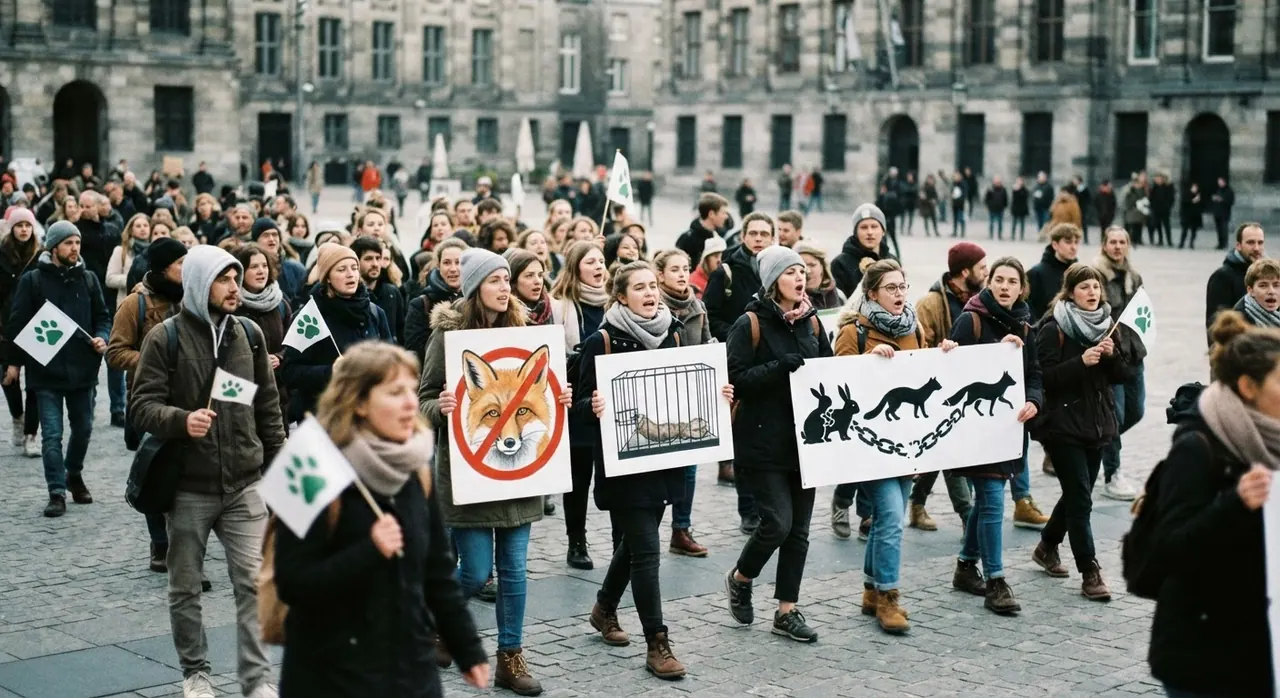
The fur industry faces significant challenges, from declining consumer demand to mounting ethical scrutiny. For those involved in or considering fur farming, understanding and avoiding common mistakes is paramount. This article outlines five critical errors that have hampered the industry and how to rectify them.
Mistake 1: Ignoring Ethical Objections
A pervasive mistake in the fur industry is the underestimation or outright dismissal of ethical objections. Many consumers and advocacy groups view fur farming as inherently cruel, citing cramped living conditions, the stress of confinement, and the methods used for euthanasia. This moral opposition is not a fringe concern but a significant driver of market trends and legislative action. Failing to acknowledge this fundamental ethical debate alienates a growing segment of the population and fuels negative publicity. The industry has, for too long, focused on the 'how-to' of fur production without adequately addressing the 'should we?' question.
Why it happens
This mistake often stems from a deeply entrenched belief in the tradition and economic necessity of fur farming. Historically, fur was a vital commodity, and the industry's infrastructure and practices have evolved slowly. There's also a tendency to view animal welfare as a secondary concern to production efficiency and profit margins. Furthermore, a lack of direct engagement with critics can lead to a distorted perception of the opposition's influence and the depth of public concern.
Fix it: Embrace Transparency and Welfare
Mistake 2: Misjudging Market Shifts
The global fashion landscape is rapidly changing, with a significant move towards sustainable and cruelty-free materials. Many in the fur industry have failed to recognize or adapt to this seismic shift, clinging to outdated business models. This includes overlooking the rise of innovative plant-based and recycled textiles that offer comparable aesthetics and performance without the ethical baggage. The belief that fur remains a primary luxury good for a broad market is increasingly inaccurate, as younger generations, in particular, are prioritising values over traditional status symbols.
Why it happens
This misjudgment often arises from a focus on established markets and a resistance to change. The industry may be slow to invest in market research or to understand the evolving preferences of younger demographics. Moreover, the perceived high profit margins of fur can create a vested interest in maintaining the status quo, making it difficult to pivot towards new product lines or materials. A lack of innovation within the industry itself also contributes to this inertia.
Fix it: Diversify and Innovate
Mistake 3: Inadequate Animal Welfare Standards
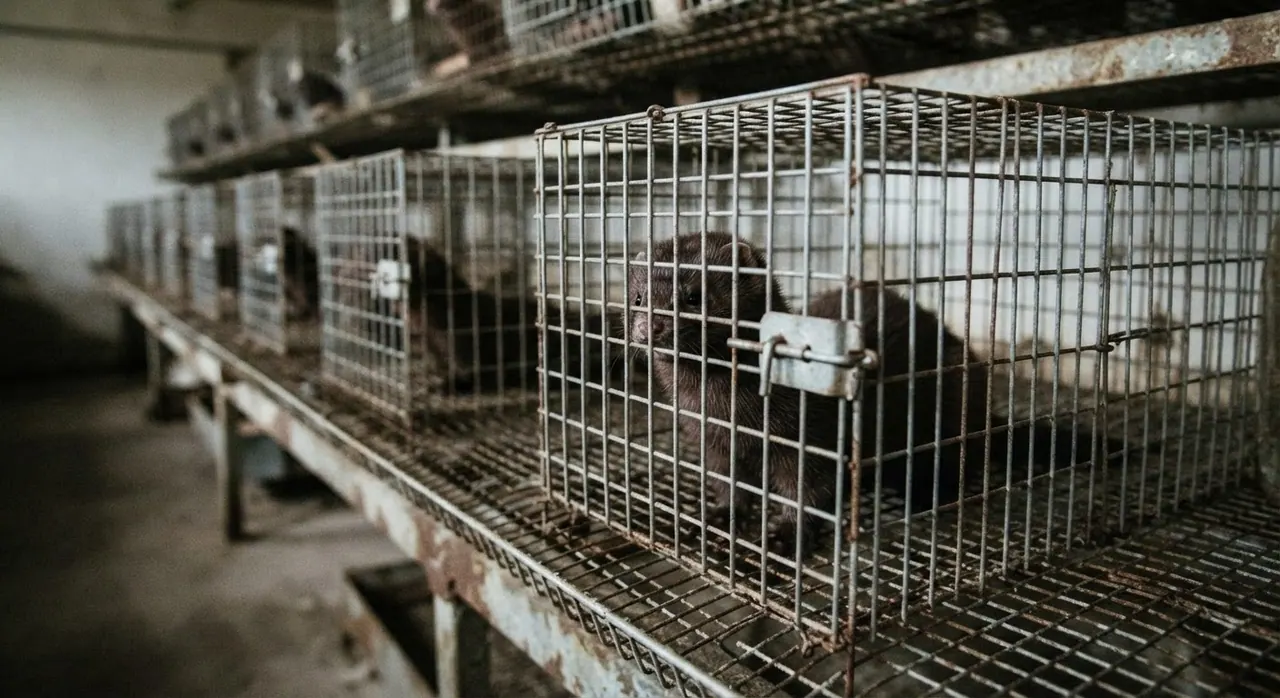
Even within the context of fur farming, failing to meet even the minimum established animal welfare standards is a critical error. This includes providing insufficient space, inadequate nutrition, poor sanitation, and failing to address common health issues. Such neglect not only causes immense suffering to the animals but also creates an environment ripe for disease outbreaks, which can have severe economic consequences. Reports from animal welfare organisations frequently highlight instances of extreme neglect on fur farms, leading to public outrage and calls for outright bans.
Why it happens
Economic pressures are a primary driver for poor welfare standards. Farmers may cut corners on feed, veterinary care, and enclosure maintenance to reduce costs. A lack of proper training or understanding of animal ethology can also contribute. In some cases, negligence or a callous disregard for animal suffering can be at play, exacerbated by a lack of effective oversight and enforcement of welfare regulations.
Fix it: Implement Best Practices
“The ethical debate surrounding fur farming is no longer a side issue; it is central to the industry's public perception and future viability.”
Mistake 4: Neglecting Regulatory Compliance
Navigating the complex and evolving legal landscape surrounding animal agriculture is crucial. A significant mistake is failing to stay abreast of and comply with all relevant local, national, and international regulations. This can range from environmental protection laws concerning waste disposal to specific animal welfare legislation, import/export controls, and labelling requirements. Non-compliance can lead to substantial fines, confiscation of animals, business closure, and irreparable damage to reputation. The trend globally is towards stricter regulations for animal farming, and ignorance is rarely accepted as an excuse.
Legislation Against Fur Farming Worldwide
Data reflects countries with explicit legislative action against fur farming as of late 2023. Source: World Animal Protection (hypothetical data based on general trends).
Why it happens
This oversight can occur due to a lack of legal expertise, the complexity and frequent changes in regulations, or a deliberate attempt to operate in regulatory grey areas. Small-scale operations may lack the resources to hire legal counsel or dedicate staff to compliance monitoring. In some regions, enforcement of existing regulations may be lax, leading to a false sense of security.
Fix it: Stay Informed and Compliant
Mistake 5: Resisting Sustainable Alternatives
Perhaps the most significant long-term mistake is the industry's general resistance to exploring and adopting sustainable, fur-free alternatives. This includes innovative materials science, such as advanced synthetics, bio-based fabrics, and recycled textiles, as well as embracing a business model that doesn't rely on animal exploitation. The future of fashion and textiles lies in materials that are not only aesthetically pleasing and functional but also environmentally sound and ethically produced. Companies that continue to solely focus on traditional fur are likely to be left behind as consumers and brands increasingly demand sustainable options.
Why it happens
Resistance to alternatives is often rooted in tradition, the high initial investment required for research and development, and a fear of alienating existing customer bases. The perceived 'luxury' status of real fur is also a barrier, with some believing that alternatives cannot replicate its perceived prestige. A lack of vision or understanding of emerging technologies can also prevent the industry from embracing new possibilities.
Fix it: Invest in the Future
- Acknowledge and address ethical concerns openly.
- Adapt to shifting consumer preferences and market demands.
- Implement the highest possible animal welfare standards.
- Ensure strict adherence to all legal and regulatory requirements.
- Actively explore and invest in sustainable, fur-free alternatives.
Frequently asked questions
What are the main ethical arguments against fur farming?
Which countries have banned fur farming?
How has the fashion industry changed regarding fur?
What are common alternatives to real fur?
What are the economic impacts of fur farming bans?
How can fur farms improve animal welfare?
Sources & further reading
- World Animal Protection — worldanimalprotection.org
- Nature Food — nature.com/natfood/
- Food and Agriculture Organization of the United Nations (FAO) — fao.org
- Intergovernmental Science-Policy Platform on Biodiversity and Ecosystem Services (IPBES) — ipbes.net