Heat Pumps: Myth vs. Reality Quiz
Test your knowledge on heat pumps! Discover the truth about their efficiency, cost, and environmental impact for your home.
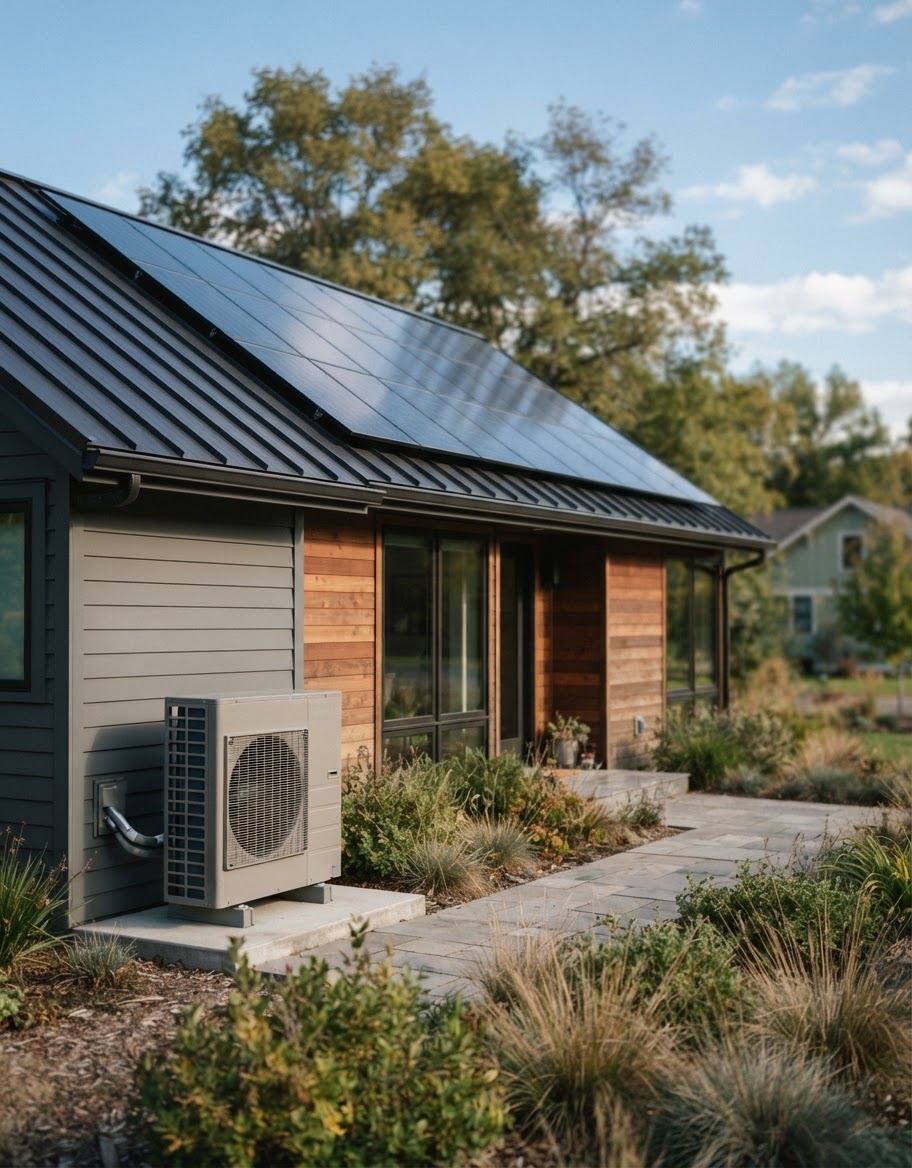
How much do you really know about heat pumps? These innovative systems are increasingly recommended for home heating and cooling, promising lower energy bills and a smaller carbon footprint. But many misconceptions persist. This quiz will test your understanding and reveal the facts about this transformative technology.
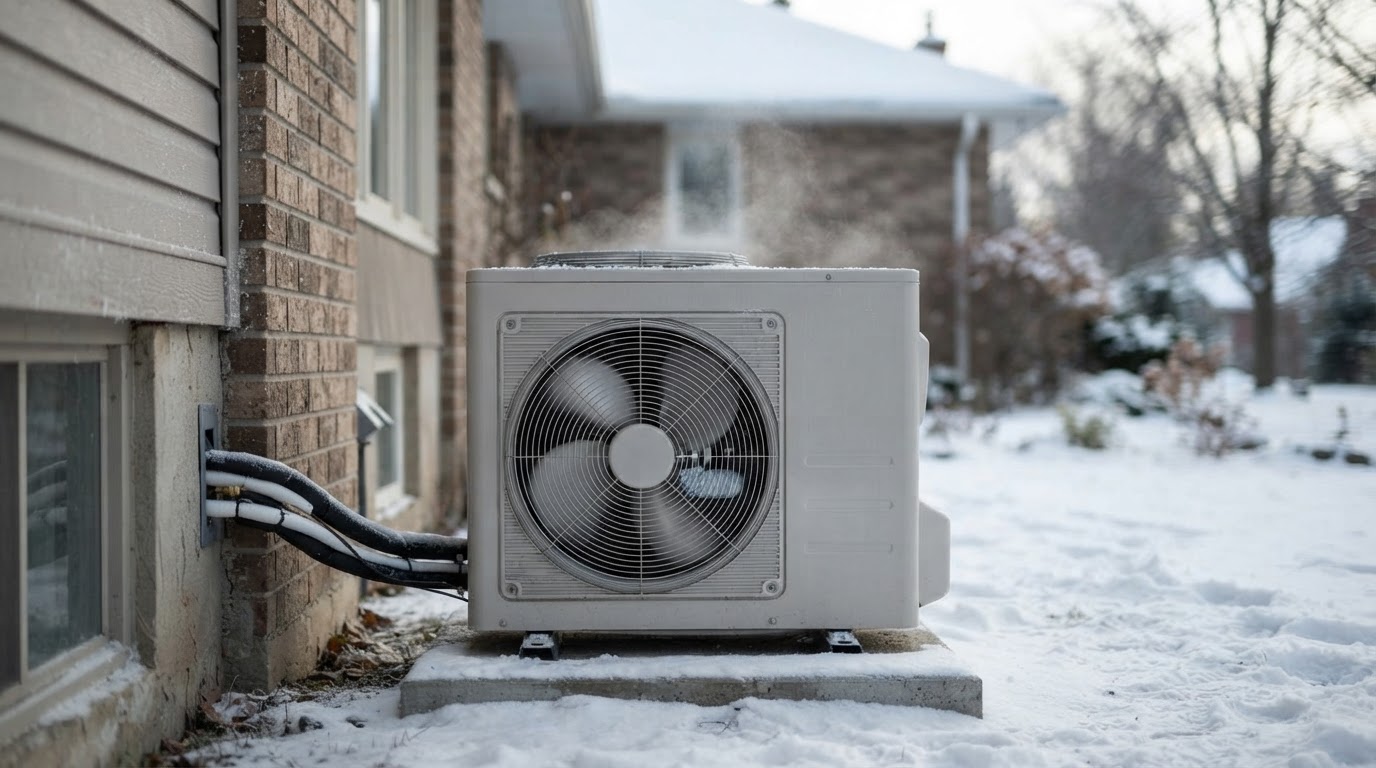
Myth 1: Heat pumps don't work in cold climates.
Many people believe that heat pumps are only effective in milder weather and struggle when temperatures plummet. This idea stems from older models, but modern technology has overcome these limitations.
The key is understanding how they work. Unlike traditional furnaces that generate heat by burning fuel, heat pumps transfer existing heat. In winter, they extract heat from the outside air, ground, or water and move it inside. Even when it's cold outside, there's still thermal energy to be moved. For instance, a 2023 report from the International Energy Agency (IEA) highlighted that heat pumps are a vital tool for reducing reliance on fossil fuels for heating, even in regions with harsh winters.
Myth 2: Heat pumps are expensive to run.
The perception of high running costs often comes from comparing them with older, less efficient systems or misunderstanding their energy usage. While they use electricity, their operational principle is fundamentally different.
Energy Efficiency Explained
Heat pumps are incredibly efficient because they move heat rather than create it from scratch. This process can be up to 300-400% efficient, meaning for every unit of electricity consumed, they deliver 3-4 units of heat. Traditional electric resistance heaters, by contrast, are 100% efficient at best. This efficiency translates directly into lower energy bills.
According to analysis by the UK's Energy Saving Trust, a heat pump can reduce a household's heating fuel costs by 40-50% compared to direct electric heating, and potentially more when replacing older, inefficient fossil fuel systems. The initial investment can be higher, but the long-term savings are significant.
Myth 3: Heat pumps are bad for the environment.
This myth often arises from the fact that heat pumps use electricity, and if that electricity comes from fossil fuels, there's still an environmental impact. However, the overall picture is far more positive.
Decarbonising Your Home
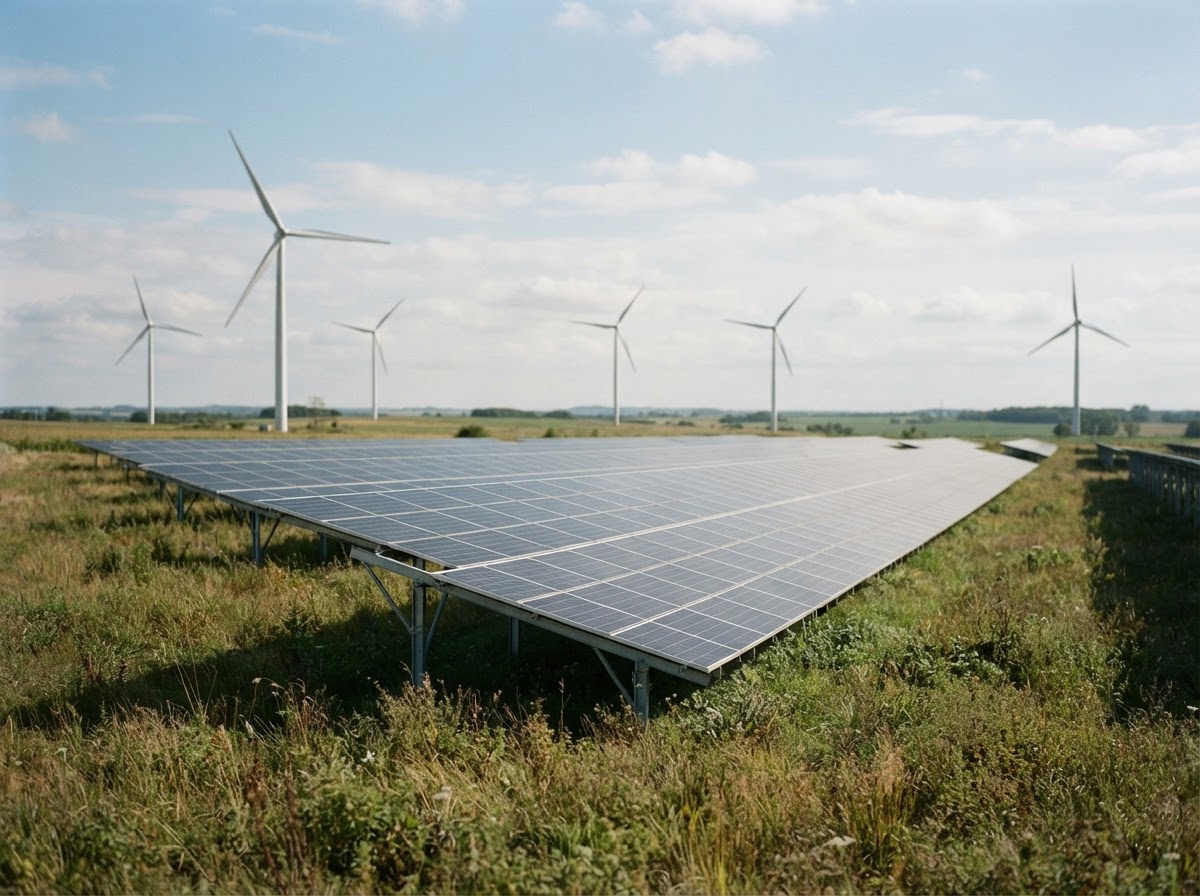
Heat pumps are a cornerstone of decarbonising home heating. Their high efficiency means they use significantly less energy overall. As electricity grids become greener, powered by renewables like wind and solar, the environmental benefits of heat pumps become even greater. A 2022 study published in 'Nature Energy' indicated that widespread adoption of heat pumps, coupled with a renewable energy supply, could lead to a substantial reduction in household carbon emissions across Europe.
Estimated CO2 Emissions Reduction (kg CO2e per year)
Estimates vary based on building insulation, climate, and specific energy sources. Source: Based on typical UK emissions data, Energy Saving Trust.
Furthermore, heat pumps do not produce local air pollution, unlike burning gas or solid fuels, which improves air quality in and around homes. This is a significant public health benefit, particularly in urban areas.
Myth 4: Heat pumps are only for heating.
Many people associate heat pumps solely with winter heating, overlooking their dual functionality. This misunderstanding can lead to them being overlooked as a complete home climate solution.
“Heat pumps offer year-round comfort, providing both heating in winter and cooling in summer.”
In fact, most air source heat pumps can reverse their operation to provide cooling during warmer months, much like a standard air conditioner. This means a single system can manage your home's temperature all year round, simplifying your home's infrastructure and potentially reducing the need for separate air conditioning units. Ground source heat pumps are also capable of providing cooling, though this is often a more complex and expensive installation.
Myth 5: Heat pumps are a new, unproven technology.
The idea that heat pumps are a novelty technology might make potential adopters hesitant. However, the core principles behind heat pumps have been understood for decades, and the technology has matured significantly.
- The concept of heat pumps was first theorised in the 1850s.
- Early commercial applications emerged in the mid-20th century.
- Significant advancements in efficiency and performance have occurred in the last 10-20 years.
- They are now a mainstream technology in many countries, with government incentives supporting their adoption.
Leading organisations like the International Renewable Energy Agency (IRENA) and the European Commission strongly advocate for heat pumps as a key solution for building decarbonisation, underscoring their proven reliability and effectiveness in diverse applications across the globe.
How did you score?
- **4-5 Correct:** You're a heat pump expert! You understand the technology and its benefits for your home and the planet.
- **2-3 Correct:** You have a good grasp of heat pumps, but there are a few areas to explore further.
- **0-1 Correct:** You're new to heat pumps, but this quiz has shed light on the facts. It's a great time to learn more!
Frequently Asked Questions
Frequently asked questions
What is the average cost of installing a heat pump?
How long do heat pumps typically last?
Do heat pumps require a lot of maintenance?
Can I use a heat pump with my existing radiators?
What is the difference between air source and ground source heat pumps?
Are heat pumps noisy?
Sources & further reading
- International Energy Agency (IEA) — iea.org
- Energy Saving Trust — energysavingtrust.org.uk
- Nature Energy — nature.com/nenergy
- International Renewable Energy Agency (IRENA) — irena.org
- European Commission — ec.europa.eu