The Evolution of Vegan Hosting: A History
From niche diets to mainstream celebrations, trace the journey of plant-based hosting and its impact on family gatherings.
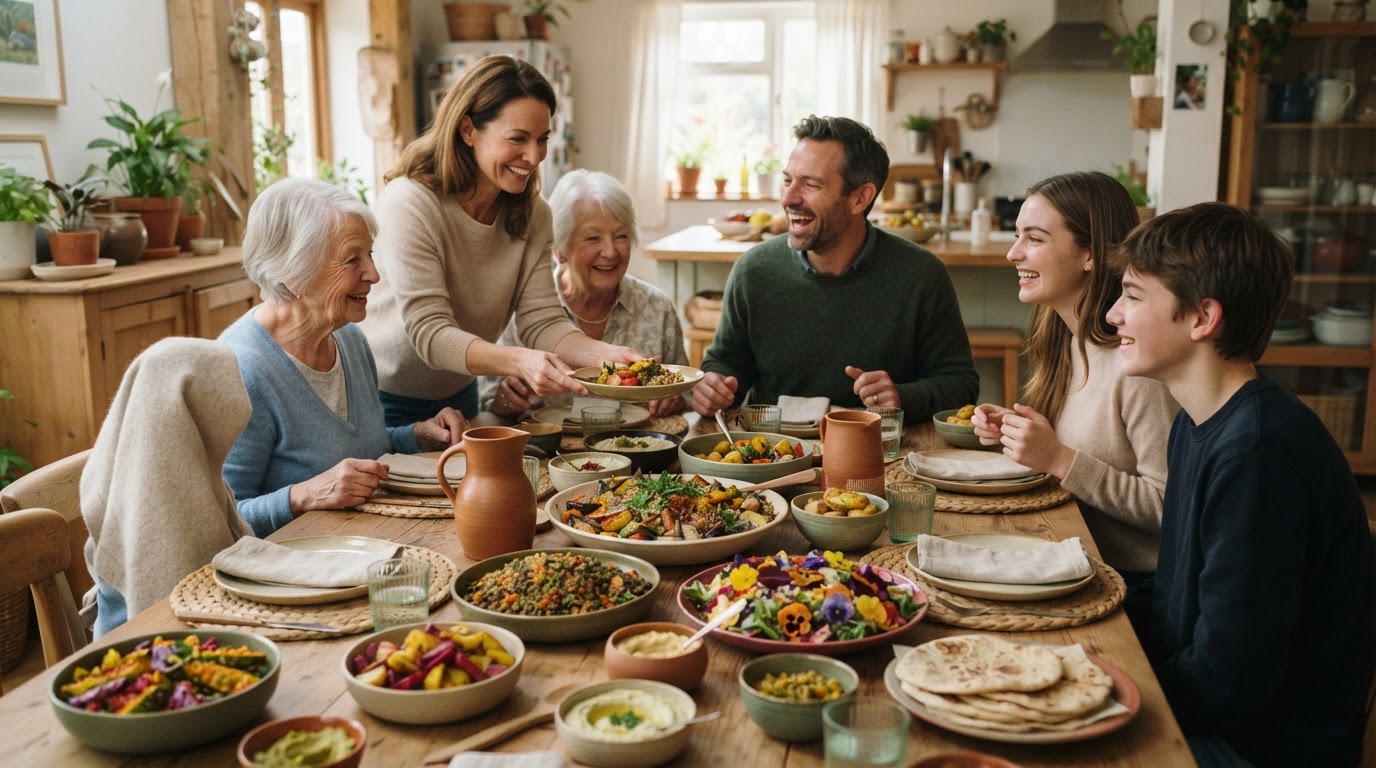
The evolution of vegan hosting is a fascinating narrative of shifting cultural norms, culinary innovation, and increasing awareness around ethical and environmental concerns. For many, the idea of hosting family gatherings where veganism is a requirement, or even a significant consideration, was once a daunting prospect, often met with apprehension or outright confusion. This journey from a fringe dietary choice to a more widely understood and accommodated lifestyle has transformed holiday tables and everyday meals alike. Understanding this history helps us appreciate the progress made and the continued opportunities for inclusive, delicious celebrations.
The Early Decades: Niche Diets and Limited Options (Pre-1980s)
In the mid-to-late 20th century, vegetarianism was still considered unusual by many, and veganism was virtually unknown to the general public. Those adhering to a vegan lifestyle often faced a landscape where dedicated plant-based options were scarce, particularly in social settings. Hosting meant preparing separate, often uninspired, dishes or heavily modifying existing recipes, which could be a significant burden on hosts unfamiliar with vegan principles. Communication was key, but often involved lengthy explanations and assurances that the vegan guest wouldn't go hungry.

The 1980s and 1990s: Growing Awareness and Culinary Exploration
The late 20th century saw a gradual increase in awareness surrounding vegetarianism and, to a lesser extent, veganism. The rise of animal rights movements and growing environmental consciousness began to influence public discourse. For hosts, this period meant more access to information, albeit still limited. Vegan cookbooks started to appear, offering more creative recipes beyond simple salads. Festivals and community groups dedicated to veganism began to emerge, fostering a sense of community and sharing of culinary knowledge. However, catering for vegan guests still often required significant effort and careful planning, as mainstream supermarkets offered few dedicated products.
- Limited availability of plant-based alternatives (e.g., soy milk, tofu).
- Reliance on home-cooked meals and careful recipe adaptation.
- Communication with hosts often involved detailed dietary requirements.
- Social gatherings could feel isolating for vegan individuals.
The New Millennium: Mainstream Acceptance and Product Boom (2000s-2010s)
The turn of the millennium marked a significant shift. Driven by health trends, environmental concerns, and a growing ethical awareness, veganism began to enter the mainstream. Supermarkets started stocking a wider array of plant-based products, from dairy-free milks and yogurts to meat alternatives. This accessibility dramatically eased the burden on hosts. Instead of creating dishes from scratch, they could now more easily purchase ready-made vegan options that mimicked traditional fare. The internet also played a crucial role, providing an abundance of recipes, blogs, and online communities dedicated to vegan cooking and entertaining. Hosting a vegan guest became less about restriction and more about delicious variety.
The Rise of 'Flexitarianism' and Inclusive Hosting
A key development in this era was the rise of 'flexitarianism' – individuals consciously reducing their meat and dairy consumption without fully committing to veganism. This trend made the idea of offering vegan options less about accommodating a strict minority and more about catering to a broader spectrum of dietary preferences within a family or social group. Hosts began to see vegan dishes not just as 'for the vegan,' but as delicious options for everyone. This fostered a more inclusive atmosphere, where shared meals could be enjoyed by all, regardless of their specific dietary choices. The focus shifted from 'what can't be eaten' to 'what delicious things can be shared'.
The Present Day: Innovation, Accessibility, and Celebration (2020s onwards)
Today, hosting a vegan-friendly gathering is more accessible and enjoyable than ever. The culinary landscape has been transformed by innovation in plant-based foods. High-quality vegan cheeses, meats, and desserts are widely available, often indistinguishable from their animal-derived counterparts. Restaurants are increasingly offering sophisticated vegan menus, and social media platforms are brimming with aesthetically pleasing and delicious vegan recipes shared by home cooks and professional chefs alike. Hosting now often involves simply incorporating a few well-chosen vegan dishes into the main spread, or even making the entire meal plant-based to be inclusive of everyone. The narrative has moved from 'special accommodation' to 'delicious enhancement'.
Perceived Difficulty of Hosting Vegan Guests (Global Survey)
Data reflects a hypothetical survey conducted in 2023, showing a significant decrease in perceived difficulty compared to previous decades.
“Vegan hosting has transitioned from a potential source of stress to an opportunity for culinary creativity and genuine inclusivity.”
Looking Ahead: Continued Integration and Culinary Evolution
The trajectory of vegan hosting suggests a future where plant-based eating is seamlessly integrated into all social occasions. As research into sustainable food systems and plant-based nutrition continues to advance, the quality and variety of vegan options will only improve. We can anticipate even more innovative ingredients, easier preparation methods, and a broader cultural acceptance that makes accommodating diverse dietary needs the norm, not the exception. The historical journey of vegan hosting is a testament to adaptability and the power of shared meals to bring people together.
Consumer Interest in Plant-Based Recipes for Gatherings
Data based on aggregated search trends and consumer surveys reported by market research firms (2023).
Frequently asked questions
Was it always easy to host vegan guests?
When did plant-based options become more common?
How has the internet impacted vegan hosting?
What is the role of flexitarianism in modern hosting?
Are vegan dishes now considered 'special' for guests?
What are some key historical milestones for vegan hosting?
Sources & further reading
- The Vegan Society — vegansociety.com
- Mintel — mintel.com
- Ipsos Mori — ipsos.com
- Our World in Data — ourworldindata.org