The Home Battery Swap Guide: Powering Your Sustainable Future
Discover easy swaps for home energy storage to reduce your carbon footprint and save on bills. Your ultimate guide to home battery solutions.
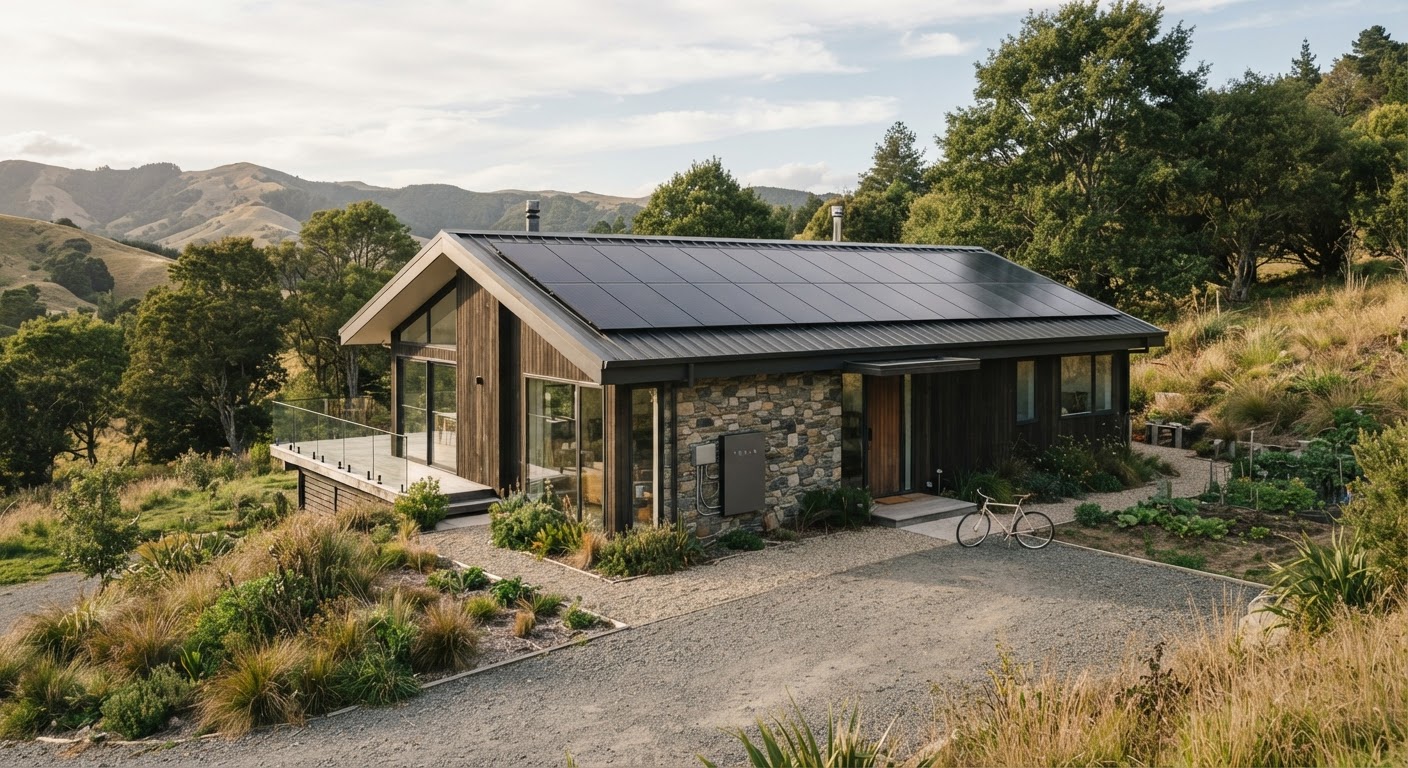
Considering a shift towards a more sustainable household energy system? The home battery swap guide is here to help you navigate the exciting world of residential energy storage. By replacing older, less efficient systems or simply integrating new technology, you can significantly reduce your carbon footprint and gain greater control over your energy consumption. This transition is not just about environmental responsibility; it's also a smart financial move, offering long-term savings and increased energy independence. Whether you're already harnessing solar power or looking to enhance your home's resilience, understanding your options for home battery storage is key.
Swap Your Old System for Modern Battery Storage
Many homes still rely on older energy management systems or are entirely dependent on the grid, which often draws power from fossil fuel sources. The most impactful swap is moving from a grid-dependent setup to one that incorporates a modern home battery system, especially when paired with renewable energy generation like solar panels. This allows you to store surplus energy generated during sunny periods and use it when the sun isn't shining, or during peak demand times when electricity prices are highest. This shift is crucial for reducing reliance on non-renewable energy sources and for contributing to a more stable, decentralised energy grid.
- **Instead of:** Relying solely on grid power, especially during peak hours (often 4 PM - 9 PM).
- **Try:** A home battery system that stores excess solar energy (or off-peak grid energy) for use during peak times, reducing your electricity bill and demand on the grid.
Battery Chemistry: Lithium-ion vs. Emerging Technologies
The dominant technology in the home battery market is lithium-ion, known for its energy density and relatively long lifespan. However, advancements are continually being made. When considering a swap, you might be looking at upgrading an older lead-acid battery, or choosing between different types of lithium-ion chemistries (like Lithium Iron Phosphate - LFP, which is gaining popularity for its safety and longevity). Emerging technologies like solid-state batteries promise even greater safety and performance, though they are not yet widely available for residential use. For most consumers today, the swap involves selecting the best lithium-ion option for their needs.
- **Instead of:** Older battery chemistries (e.g., lead-acid) with shorter lifespans and lower efficiency.
- **Try:** Modern Lithium Iron Phosphate (LFP) batteries for enhanced safety, longer cycle life, and better thermal stability. Or, consider Nickel Manganese Cobalt (NMC) if higher energy density is a priority.
Comparison of Battery Chemistries
Generalised efficiency ratings for common battery types. Source: Industry analysis.
Capacity and Sizing: Matching Your Needs
A common pitfall is oversizing or undersizing a battery system. The 'swap' here is about accurate assessment. If your current system, or lack thereof, doesn't meet your needs (e.g., frequent power outages, high electricity bills), the correct size is paramount. Consider your household's daily energy consumption, your solar generation capacity, and whether you want to power essential appliances during an outage or your entire home. This requires looking at your past energy bills and understanding your peak usage times. Professional installers can help determine the optimal capacity (measured in kilowatt-hours, kWh).
- **Instead of:** Guessing your energy needs or using a generic, one-size-fits-all solution.
- **Try:** Analysing your past energy bills and calculating your average daily and peak energy consumption to select a battery with appropriate kWh capacity.
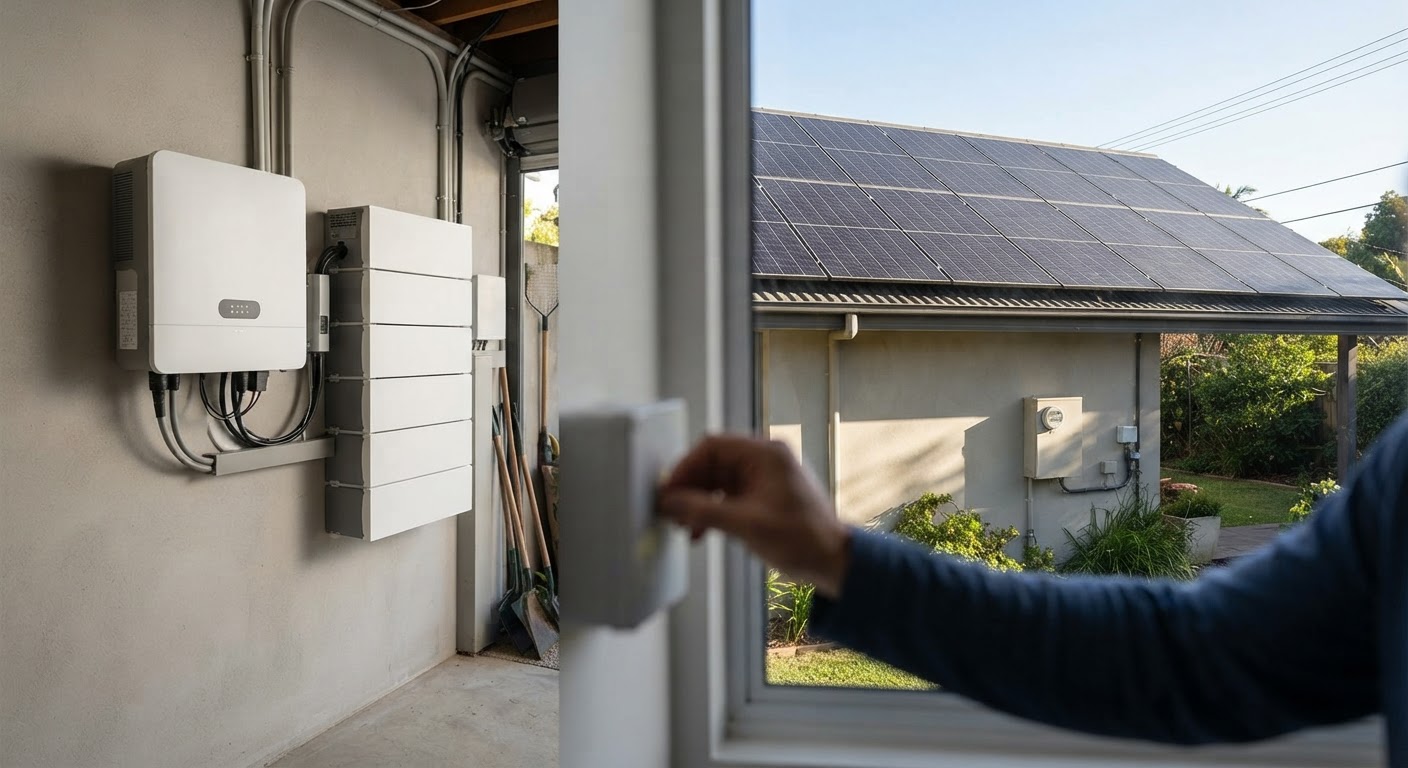
Integration with Solar: Maximising Renewable Use
For homeowners with solar panels, integrating a battery is a natural and highly beneficial next step. The 'swap' involves moving from simply sending excess solar power back to the grid (often at lower rates) to storing it for your own use. This maximises the value of your solar investment and further reduces your reliance on fossil-fuel-generated grid electricity. A well-integrated system ensures that your solar energy is used efficiently throughout the day and night. Organisations like the International Renewable Energy Agency (IRENA) highlight the critical role of energy storage in increasing the penetration of renewables.
Cost and Incentives: Making the Switch Affordable
The initial cost of home battery systems has been a barrier for many. However, prices have been steadily declining, and government incentives, tax credits, and rebates can significantly reduce the upfront investment. When considering a swap, research the available support in your region. For instance, many countries offer feed-in tariffs or net metering policies that can be enhanced by battery storage, while others provide direct subsidies for battery purchases. A 2023 report by the International Energy Agency (IEA) noted that falling costs are accelerating battery deployment globally.
Environmental Impact: Beyond Carbon Emissions
While the primary environmental benefit of home batteries is reducing reliance on fossil fuels and thus cutting carbon emissions, there are other considerations. The manufacturing process for batteries has its own environmental footprint, involving mining for materials like lithium and cobalt. Responsible sourcing and advancements in battery recycling are crucial. However, the lifecycle emissions of a solar-plus-storage system are significantly lower than those of traditional grid power. Studies published in journals like *Nature Energy* consistently show that renewable energy systems with storage offer a clear pathway to decarbonisation.
Lifecycle Greenhouse Gas Emissions Comparison
Estimated lifecycle emissions. Source: Our World in Data (2023 update).
“Home battery storage is a cornerstone of the future energy landscape, enabling greater renewable integration and consumer empowerment.”
Making the Smart Swap for a Greener Home
The decision to swap to a home battery system is an investment in a more sustainable and resilient future. By understanding your energy needs, researching available technologies and incentives, and working with reputable installers, you can make an informed choice. This transition not only benefits the environment by reducing carbon emissions but also offers tangible financial advantages and energy security. As the technology matures and costs continue to fall, home batteries are becoming an increasingly accessible and essential component of the modern, eco-conscious household. This guide offers a starting point for your home energy transformation.
- Assess your current energy usage and solar generation.
- Research available battery technologies (e.g., LFP vs. NMC).
- Determine the optimal battery capacity (kWh) for your needs.
- Investigate local and national incentives and rebates.
- Obtain quotes from certified installers.
- Consider warranty and maintenance requirements.
- Plan for potential future energy needs (e.g., electric vehicle charging).
Frequently asked questions
What is the primary benefit of a home battery swap?
How much does a home battery system typically cost?
Do I need solar panels to install a home battery?
How long do home batteries last?
What is the environmental impact of manufacturing home batteries?
Can a home battery power my entire house during an outage?
Sources & further reading
- International Energy Agency (IEA) — iea.org
- International Renewable Energy Agency (IRENA) — irena.org
- Nature Energy — nature.com/nenergy
- Our World in Data — ourworldindata.org
- EnergySage — energysage.com