How to Build Balanced Vegan Meal Prep Recipes from Scratch
Mastering vegan meal prep recipes saves time and protects the planet. Learn how to build nutritious, plant-based meals that fuel your week efficiently.
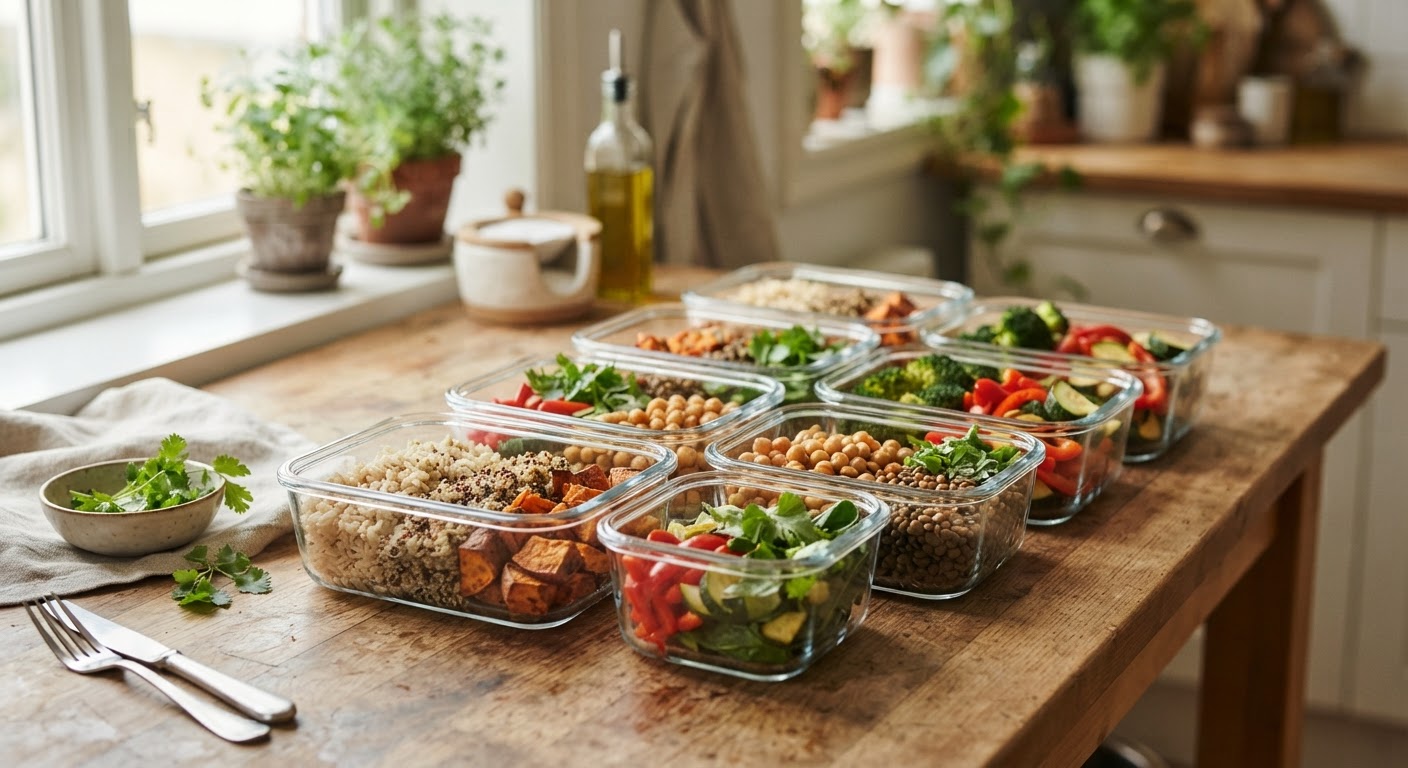
Building balanced vegan meal prep recipes from scratch is the most effective way to maintain a healthy, ethical lifestyle while navigating a busy schedule. By focusing on whole, plant-based foods, you can eliminate the environmental and ethical costs associated with animal agriculture while ensuring you have delicious, ready-to-eat meals throughout the week. To begin, treat your kitchen like a professional prep station: invest in uniform glass containers that allow for easy stacking in the refrigerator and consistent portion control. Start by selecting two versatile grains, one robust legume, and a variety of seasonal vegetables that can be roasted simultaneously on a single sheet pan. This systematic approach not only minimizes your time spent in the kitchen but also reduces food waste, which the FAO identifies as a significant contributor to global greenhouse gas emissions. By prepping in advance, you remove the daily friction of decision-making, ensuring that your nutritional needs are met even on your most demanding workdays.
What you'll need
- A set of high-quality, airtight glass storage containers.
- A large heavy-bottomed pot for batch-cooking grains and legumes.
- A chef's knife and a sturdy cutting board.
- Bulk staples: brown rice, quinoa, lentils, and chickpeas.
- Seasonal vegetables: kale, carrots, broccoli, and root crops.
- Healthy fats: tahini, pumpkin seeds, or cold-pressed olive oil.
Step 1: Master the plant-based plate formula
A balanced meal needs to satisfy both your hunger and your body's nutritional requirements. Research from the EAT-Lancet Commission emphasizes the importance of a diverse, plant-forward diet for global health, suggesting that a sustainable planetary diet should rely heavily on legumes, nuts, and whole grains. Aim to fill half your container with colorful vegetables—such as steamed broccoli, sautéed kale, or raw shredded carrots—to ensure a high intake of essential micronutrients and fiber. Dedicate one quarter of the space to complex carbohydrates like quinoa, farro, or brown rice, which provide the steady energy release necessary for sustained focus. The final quarter should feature a high-protein legume, such as lentils, chickpeas, or black beans. For added satiety and health benefits, drizzle a small amount of healthy fat like tahini or olive oil over the top, which helps in the absorption of fat-soluble vitamins found in your vegetables.
Step 2: Efficient batch cooking techniques
Efficiency is the secret to successful vegan meal prep recipes. Instead of cooking every night, dedicate two hours on a Sunday to batch-cook your base components, which can then be assembled into different flavor profiles throughout the week. Boiling a large pot of grains and simmering dried beans—which are often more cost-effective than canned alternatives—is far more energy-efficient than cooking small portions daily. Utilize kitchen appliances like a pressure cooker or a slow cooker to manage your proteins hands-free, allowing you to focus on chopping fresh produce. According to the FAO, transitioning to plant-based proteins is a critical step in reducing the massive environmental burden of industrial livestock production, as plant foods generally require significantly less land and water per gram of protein. By mastering these batch-cooking techniques, you optimize your time and energy, creating a sustainable rhythm that supports both your personal wellbeing and the broader environment.
GHG Emissions per kg of Protein
Data reflects greenhouse gas emissions per kilogram of protein produced. Source: IPCC/Our World in Data (2020).
Step 3: Flavor-first seasoning strategies
A common mistake when learning how to build balanced vegan meal prep recipes is settling for bland, repetitive food that leads to burnout. To keep your palate engaged throughout the week, invest in diverse spice profiles that transform humble staples into gourmet experiences. For instance, incorporate smoked paprika for a deep, umami richness in lentil stews, or use nutritional yeast to add a nutty, cheesy depth to roasted vegetables and grains. Fresh herbs like coriander, parsley, and basil should be added just before serving to maintain their vibrant color and aromatic impact. By consciously avoiding animal products in your kitchen, you are actively choosing a path that spares sentient beings from the systemic cruelty of factory farming, an industry widely condemned for its welfare standards by organisations like Compassion in World Farming. Mastering these seasoning strategies ensures your meals remain as exciting as they are ethical.
“The transition to plant-based diets is essential to limit global warming and prevent the catastrophic loss of biodiversity caused by industrial animal agriculture.”
Step 4: Proper storage to reduce waste
Food waste is a significant environmental issue, and mastering proper storage is essential for anyone building balanced vegan meal prep recipes. To ensure your plant-based dishes remain safe and appetizing, store cooked grains and legumes in airtight containers in the refrigerator for no more than four days, as noted in food safety guidelines provided by the UK Food Standards Agency. If you are prepping for a full work week, portion out your meals and place half in the freezer immediately to maintain freshness and prevent spoilage. When choosing your storage vessels, glass containers are superior to plastic; they do not leach chemicals into your food during reheating and are infinitely recyclable, which aligns with the sustainability goals highlighted by the Ellen MacArthur Foundation. By managing your inventory effectively, you not only save money and time but also contribute to a more efficient and less wasteful food system.
Troubleshooting common meal prep issues
- Soggy vegetables? Keep your dressing in a separate small jar and add it only when you are ready to eat.
- Dry grains? Add a splash of vegetable broth or water before reheating to restore moisture.
- Lack of flavor? Roast your vegetables with a touch of balsamic vinegar or tamari to create a natural umami depth.
- Feeling hungry? Increase your portion of legumes or add healthy fats like avocado or seeds.
Final thoughts on plant-based living
When you commit to these vegan meal prep recipes, you are doing more than just saving time on busy weeknights; you are participating in a significant global shift toward a more compassionate food system. Every meal crafted without animal products represents a victory for animal welfare and serves as a direct, practical challenge to the destructive practices inherent in industrial factory farming. According to research from the IPCC, dietary shifts toward plant-based proteins are a vital component in mitigating environmental degradation and reducing the land-use pressures associated with livestock production. By integrating these habits into your lifestyle, you become part of an evidence-led movement that prioritizes both personal health and planetary stability. This transition is not merely about individual convenience, but about aligning your daily consumption with a broader commitment to a kinder, more sustainable future for all sentient beings.
Frequently asked questions
How long do vegan meal prep meals last in the fridge?
Are vegan meal prep recipes expensive?
How do I make sure I get enough protein on a vegan diet?
Can I freeze my vegan meal prep?
Why should I avoid animal products for the environment?
Sources & further reading
- IPCC Climate Change and Land Report — ipcc.ch
- EAT-Lancet Commission on Food, Planet, Health — eatforum.org
- FAO - The State of Food and Agriculture — fao.org
- Our World in Data - Environmental Impacts of Food — ourworldindata.org