How to Understand Food System Emissions
Navigate the complexities of food production emissions: a guide to understanding their sources and impact, with actionable insights for a sustainable future.

The global food system is a significant contributor to greenhouse gas (GHG) emissions, responsible for an estimated one-third of all human-caused emissions. Understanding how these emissions are generated is the first step towards mitigating their impact. This guide breaks down the key components of food system emissions, from land use changes to agricultural practices and waste, offering clarity on how we can all contribute to a more sustainable food future.
What You'll Need to Understand Food Emissions
- Data on global GHG emissions by sector (e.g., from the IPCC or Our World in Data).
- Information on land use change impacts, especially deforestation rates.
- Comparative emissions data for different food types (animal vs. plant-based).
- Statistics on food waste at various stages of the supply chain.
- Resources explaining agricultural practices and their environmental footprint (e.g., fertiliser use, methane from livestock).
Step 1: Grasping the Role of Land Use Change
A substantial portion of food system emissions stems from land use change, primarily the conversion of forests and other natural habitats into agricultural land. This process releases stored carbon into the atmosphere. Deforestation for cattle ranching, soy cultivation (often for animal feed), and palm oil production are major culprits. The IPCC's Special Report on Climate Change and Land highlights that land use accounts for a significant share of anthropogenic GHG emissions.
Step 2: Examining Agricultural Production Emissions
Once land is dedicated to agriculture, the production process itself generates emissions. This includes emissions from synthetic fertilisers (nitrous oxide, a potent GHG), manure management (methane and nitrous oxide), and enteric fermentation in ruminant livestock (methane). Rice cultivation, particularly flooded paddy fields, is also a notable source of methane. The type of farming system employed – whether intensive or extensive, organic or conventional – significantly influences these emissions.
Greenhouse Gas Emissions Intensity by Food Type (kg CO2e per kg product)
Data represents average emissions intensity, which can vary significantly based on farming practices. Source: Poore & Nemecek (2018), Science.
Understanding Emissions from Animal Agriculture
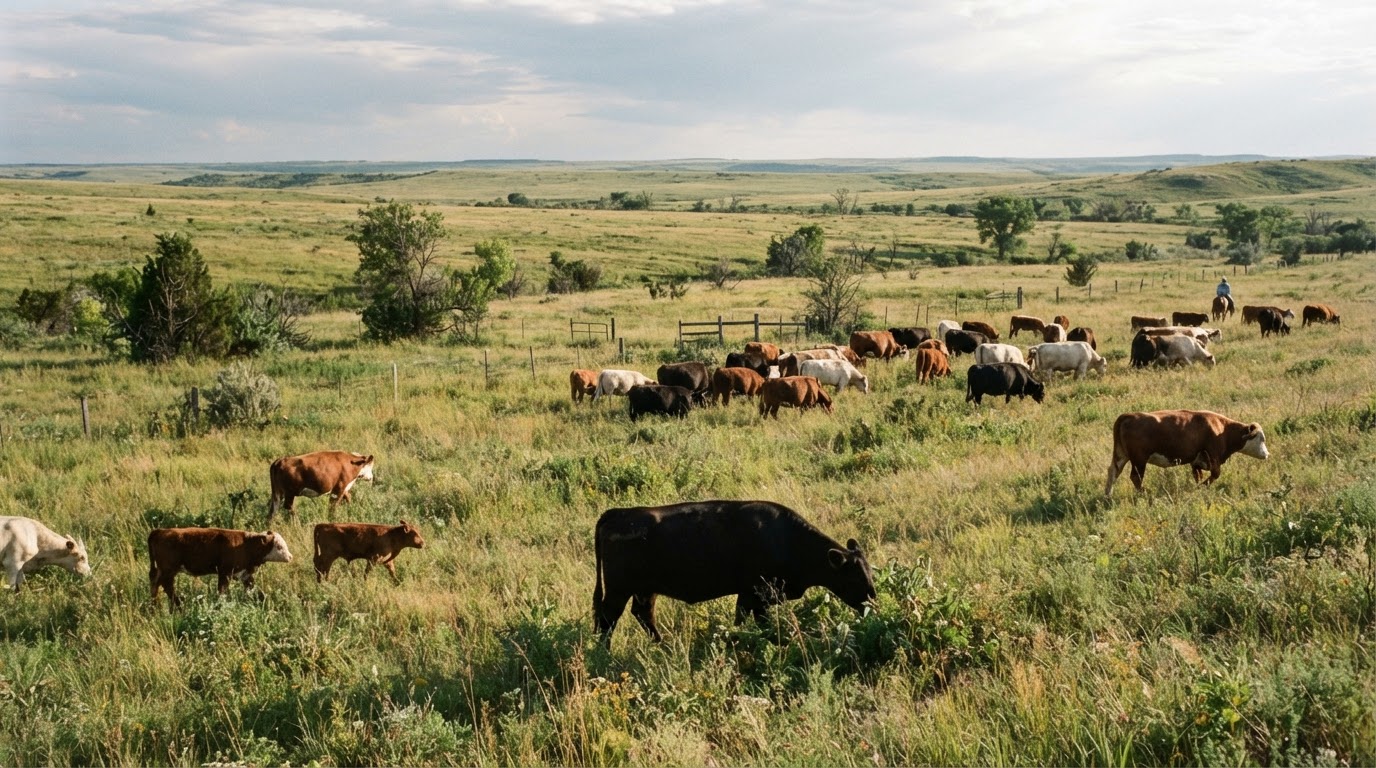
Animal agriculture, particularly for red meat and dairy, is often highlighted for its disproportionately high emissions footprint. This is due to a combination of factors: the methane released by ruminant digestion (enteric fermentation), methane and nitrous oxide from manure, the land required for grazing and feed production (leading to land use change), and the energy used in processing and transport. A landmark 2018 study published in *Science* by Poore and Nemecek indicated that meat and dairy production use 83% of the world's farmland but supply only 18% of calories and 37% of protein, while accounting for 60% of agriculture’s GHG emissions.
“Animal agriculture is responsible for a disproportionately high share of global food system emissions.”
Step 3: Accounting for Processing, Transport, and Retail
Beyond the farm gate, emissions continue. Food processing, packaging, refrigeration, and transportation all require energy, often derived from fossil fuels. While these stages are generally less emissions-intensive than production for many foods, particularly meat and dairy, they are not insignificant. The carbon footprint of imported foods, for example, can be higher due to longer transit distances. Retail practices, such as extensive refrigeration and lighting, also add to the total emissions.
Step 4: Addressing the Impact of Food Waste
Food waste is a critical, yet often overlooked, component of food system emissions. When food is produced but not consumed, all the emissions associated with its production, processing, transport, and retail are essentially wasted. Furthermore, food decomposing in landfills produces methane. The FAO estimates that about one-third of all food produced globally is lost or wasted. Reducing food waste, from household levels to industrial processes, is therefore a highly effective way to cut down on emissions.
Step 5: Making Informed Choices for Emission Reduction
Understanding these emission sources empowers us to make more sustainable food choices. Shifting towards diets rich in plant-based foods, reducing consumption of red meat and dairy, minimising food waste, and supporting sustainable farming practices can collectively have a significant impact. Initiatives like the EAT-Lancet Commission's report on healthy diets from sustainable food systems provide scientific targets for dietary shifts that can reduce environmental impact while ensuring nutritional adequacy.
Potential Greenhouse Gas Reductions from Dietary Shifts
Estimated reduction in food system greenhouse gas emissions associated with dietary patterns. Source: Poore & Nemecek (2018), Science.
Step 6: Advocating for Systemic Change
While individual choices are important, systemic changes are also vital for transforming the food system. This includes policies that support sustainable agriculture, reduce food waste, encourage plant-based diets, and accurately price environmental externalities. Supporting organisations that advocate for these changes and engaging with policymakers can amplify the impact of individual actions. Collaboration between consumers, producers, and governments is essential to achieving significant reductions in food system emissions.
Troubleshooting Common Emission Misconceptions
- **Myth:** Transport is the biggest driver of food emissions. **Reality:** Production and land use change are generally much larger contributors.
- **Myth:** All plant-based foods have low emissions. **Reality:** While generally lower than animal products, some plant-based foods (e.g., those requiring extensive land or water, or long transport) can have higher footprints.
- **Myth:** Organic farming eliminates emissions. **Reality:** Organic farming avoids synthetic fertilisers, but still involves land use, animal inputs (if applicable), and processing, all of which have emissions.
- **Myth:** Reducing food waste only saves money. **Reality:** It also significantly reduces the emissions associated with producing and disposing of that wasted food.
Key Facts About Food System Emissions
Frequently asked questions
What is the largest source of emissions in the food system?
How much do plant-based diets reduce emissions?
Does organic food have lower emissions?
Is food transport a major contributor to emissions?
How does food waste contribute to climate change?
What is the role of methane in food emissions?
Can I eat sustainably without going fully vegan?
Sources & further reading
- IPCC Special Report on Climate Change and Land — IPCC (ipcc.ch)
- Food Systems Dashboard — Food and Agriculture Organization of the United Nations (fao.org)
- Our World in Data — Our World in Data (ourworldindata.org)
- Reducing food's environmental impacts through producers and consumers — Poore & Nemecek (2018), Science (science.org)
- Food, Agriculture, and Climate Change — Chatham House (chathamhouse.org)
- Food Production & Climate Change — EAT-Lancet Commission (eatforum.org)