How to Use Vegan Protein Sources for Muscle Building
Discover how vegan protein sources for muscle building can hit 1.6g per kilo daily with complete amino acids, optimal leucine, and zero animal products.
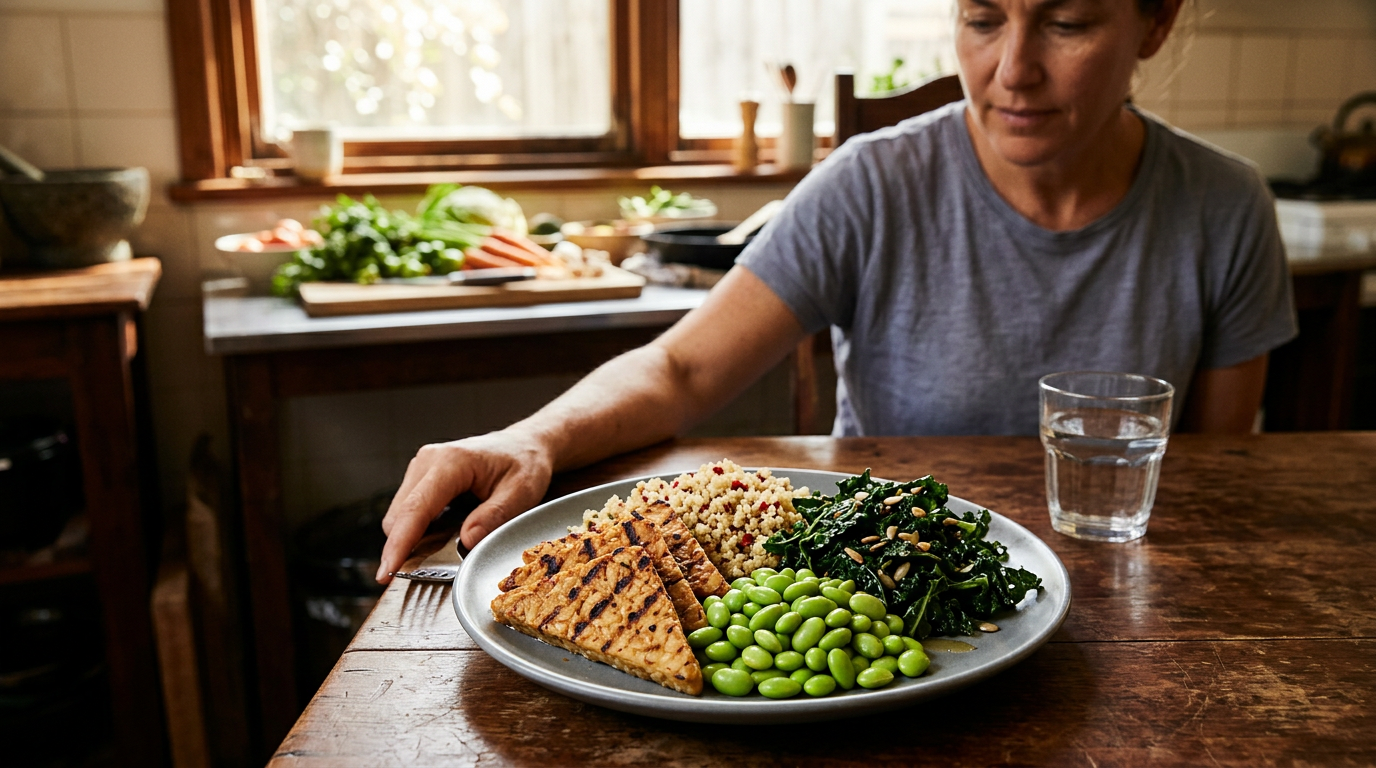
Selecting the right vegan protein sources for muscle building allows athletes and lifters to stimulate hypertrophy just as effectively as omnivorous diets. The long-standing belief that plant proteins cannot support serious muscular adaptations has been thoroughly dismantled by contemporary exercise metabolism science. The International Society of Sports Nutrition recommends consuming between 1.6 and 2.2 grams of protein per kilogram of body mass daily for hypertrophy. When you meet that overall threshold, your body receives all the building blocks required for muscle tissue repair, regardless of whether those amino acids originated in a chickpea or a chicken breast.
What You'll Need
- A daily dietary protein target scaled to your body mass (1.6 to 2.2 g/kg).
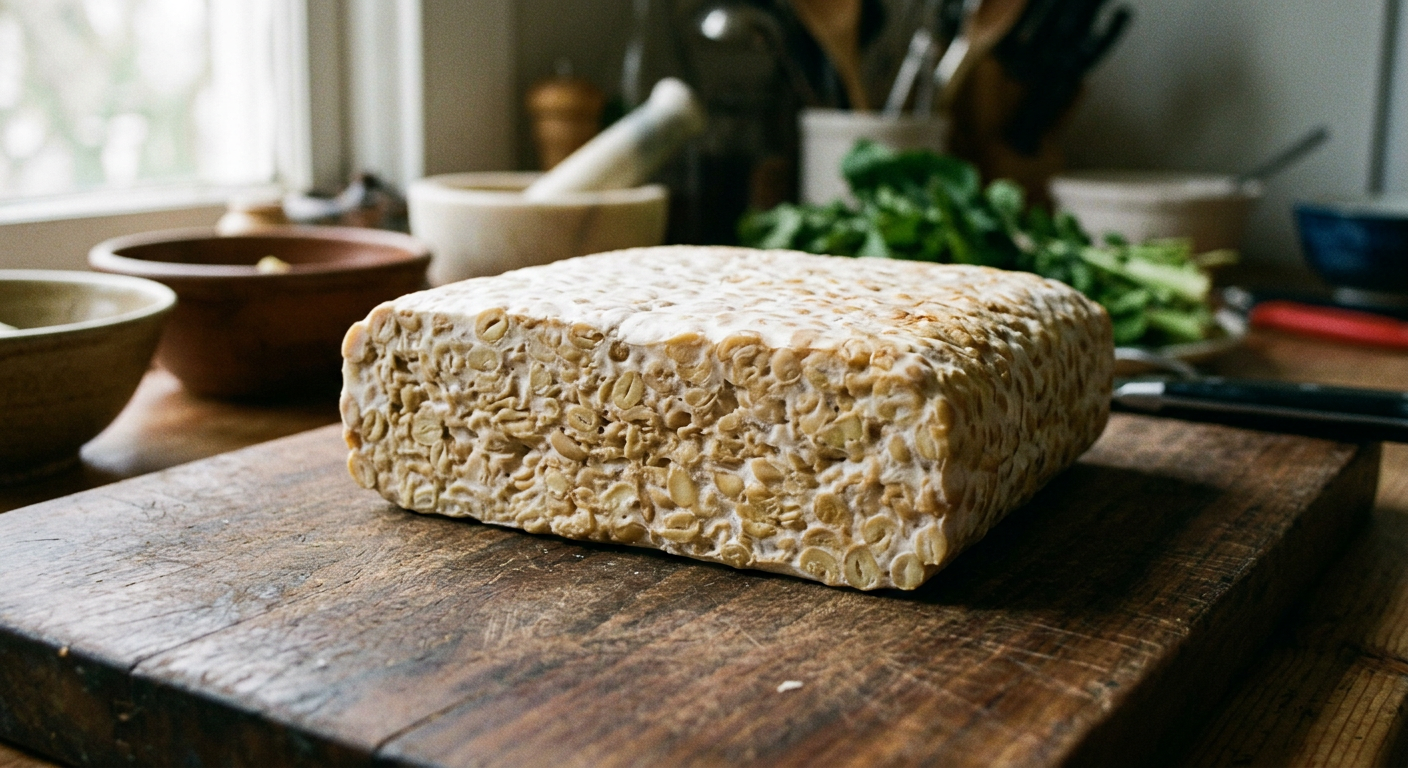
- A rotating selection of high-yield vegan staples: tempeh, extra-firm tofu, seitan, lentils, and edamame.
- Leucine-dense additions such as nutritional yeast, hemp hearts, and pumpkin seeds.
- A baseline digital kitchen scale to calibrate your portion estimation during the initial two weeks.
- A nutritional tracking tool to monitor daily leucine and essential amino acid intake.
- High-protein plant isolates (pea and brown rice blend or soy) for convenient post-workout recovery.
Step 1: Calculate Your Daily Plant Protein Target
To launch an effective plant-based muscle hypertrophy protocol, begin by calculating your baseline protein needs based on lean tissue demands rather than generalized averages. A 2023 study in Sports Medicine demonstrated that vegan diets support muscle hypertrophy identically to omnivorous diets when daily protein reaches 1.6 grams per kilogram. If you engage in heavy resistance training alongside cardiovascular work, adjust this upwards toward 2.0 or 2.2 grams per kilogram. This slight elevation accommodates the lower natural digestibility of whole plant cell walls, ensuring your bloodstream maintains a sustained pool of free amino acids to support systemic recovery.
Step 2: Select Leucine-Rich Vegan Protein Sources for Muscle Building
Muscle protein synthesis relies on an intracellular trigger governed by the amino acid leucine, often termed the 'leucine trigger.' While animal proteins naturally concentrate leucine, several key vegan protein sources match or surpass traditional markers. Soybeans deliver approximately 2.9 grams of leucine per 100 grams of dry weight, matching typical dairy benchmarks. Seitan, derived from vital wheat gluten, packs up to 75 grams of total protein per 100 grams, though it must be paired with lysine-rich legumes. Meanwhile, mycoprotein (derived from fermented fungal spores) provides exceptional bioavailability and a complete essential amino acid profile. According to the University of Exeter in 2021, mycoprotein stimulates post-exercise muscle protein synthesis equally as effectively as milk protein.
Leucine Content in Common Vegan Protein Sources
Values derived from USDA FoodData Central and sports nutrition literature.
Step 3: Distribute Intake Across Four Daily Boluses
Consuming your entire protein target in a single massive evening meal limits muscle protein synthesis due to cellular saturation limits. For optimum plant-based muscle hypertrophy, divide your calculated requirement into three to five distinct feedings spaced roughly three to four hours apart. Each meal should contain a minimum of 0.40 grams of protein per kilogram of body weight to surpass the 2.5 to 3.0-gram leucine threshold. For an 80-kilogram lifter, this equates to roughly 32 to 40 grams of high-quality protein per meal. Structuring meals this way ensures maximal ribosomal stimulation throughout the waking day.
Step 4: Combine Varied Whole Foods to Balance Amino Acids
Outdated nutrition myths insisted that every single plant meal must feature complementary proteins on the exact same plate. We now understand that the liver maintains an endogenous amino acid pool, recycling circulating peptides over a 24-hour cycle. Rather than agonizing over individual meal pairings, establish a varied weekly diet that regularly integrates legumes (high in lysine, low in methionine) and grains or seeds (high in methionine, lower in lysine). The British Journal of Sports Medicine confirmed in 2020 that protein source does not influence strength gains when total intake is equated across full-day diets.
“Your liver maintains a continuous pool of circulating amino acids, making meticulous meal-by-meal combining obsolete as long as diverse whole plants are eaten daily.”
Protein Density Across Plant Staples
Standardized via nutritional databases including USDA FoodData Central and WHO protein analysis tables.
Step 5: Account for Digestibility with Food Preparation
Raw plant proteins feature complex structural cell walls and antinutritional compounds like tannins and phytic acid, which modestly dampen plant protein bioavailability. Unprocessed grains and raw pulses achieve lower scores on the Digestible Indispensable Amino Acid Score (DIAAS) compared to isolates or animal products. Fortunately, traditional culinary practices solve this dilemma. Soaking dried beans, boiling legumes thoroughly, opting for fermented preparations like tempeh, and utilizing sprouted grains drastically improve peptide breakdown. Processing foods through mechanical blending or using fermented soy reduces gut transit burden and elevates bioavailability to nearly 90 percent.
Step 6: Supplement Strategically When Whole Foods Fall Short
While whole plant-based foods provide vital fiber, protective phytochemicals, and complex carbohydrates, consuming 180 grams of protein solely through high-fiber legumes can strain digestive comfort. Incorporating isolated plant powders provides a streamlined, calorie-efficient avenue to bolster vegan athletic performance without excessive gastrointestinal bulk. A 50:50 blend of pea protein isolate (rich in lysine and leucine) and brown rice protein isolate (rich in cysteine and methionine) mirrors the exact amino acid profile of bovine whey. Consuming one 30-gram shake immediately following intense resistance exercise swiftly shuttles essential peptides to strained muscular architecture.
Troubleshooting Plant-Based Muscle Building
- Digestive distress or bloating: Gradually scale fiber intake over 4 weeks rather than doubling it overnight, and introduce sprouted or fermented pulses.
- Struggling to hit daily caloric surplus: Integrate calorie-dense, protein-rich plant fats such as tahini, natural peanut butter, and sunflower seeds into grains.
- Hitting total protein but missing leucine: Fortify soups and curries with two tablespoons of nutritional yeast (8 grams of protein and rich in leucine).
- Plateauing in strength development: Ensure creatine monohydrate supplementation (3 to 5 grams daily), as vegan diets do not supply endogenous dietary creatine.
Frequently asked questions
Can you build as much muscle on a vegan diet as on an omnivorous diet?
Which plant food has the highest leucine content?
Do I need to combine complementary proteins at every meal?
Is plant protein absorbed as well as animal protein?
How much vegan protein powder should I drink daily?
Does soy lower testosterone levels in male lifters?
Sources & further reading
- ISSN Position Stand: Protein and Exercise — International Society of Sports Nutrition (jissn.biomedcentral.com)
- Comparative Hypertrophy in Vegan vs Omnivorous Diets (2023) — Sports Medicine
- Mycoprotein and Postprandial Muscle Protein Synthesis (2021) — University of Exeter / American Journal of Clinical Nutrition
- Systematic Review on Protein Source and Muscular Adaptations (2020) — British Journal of Sports Medicine (bjsm.bmj.com)
- Human Protein and Amino Acid Requirements Guidelines — World Health Organization (who.int)