Humane Slaughter Reviewed: A Contradiction?
Exploring the ethical complexities of 'humane slaughter' reveals profound challenges for animal welfare and ethical consumption globally.
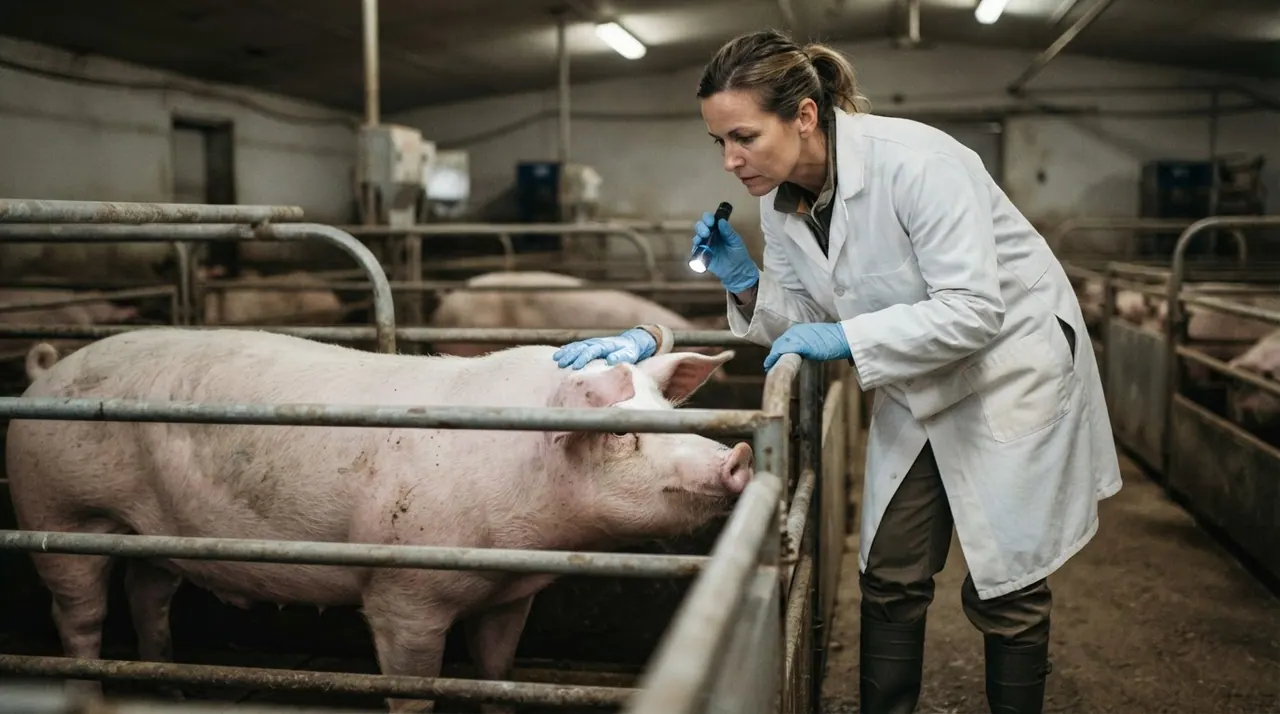
The term 'humane slaughter' is widely used, but its very essence is a contradiction. While regulatory bodies and industry standards strive to minimise suffering during the process of killing animals for food, ethical considerations and scientific evidence suggest that true humanity cannot coexist with the act of taking a life. This review examines the claims of humane slaughter, the methods employed, and the inherent ethical challenges, ultimately questioning whether such a concept can ever be more than a well-intentioned, yet ultimately flawed, ideal.
What is 'Humane Slaughter'?
At its core, 'humane slaughter' refers to practices designed to render an animal unconscious or insensitive to pain before it is killed. This is typically achieved through stunning methods, which vary depending on the species and the facility. The goal is to ensure that the animal does not experience fear, pain, or distress during the final moments of its life. Regulatory frameworks in many countries, such as the EU's Welfare of Animals at the Time of Killing (WATOK) regulations and similar guidelines in the UK and elsewhere, mandate these welfare procedures. They often involve detailed protocols for handling, restraint, stunning, and bleeding, aiming to prevent unnecessary suffering.
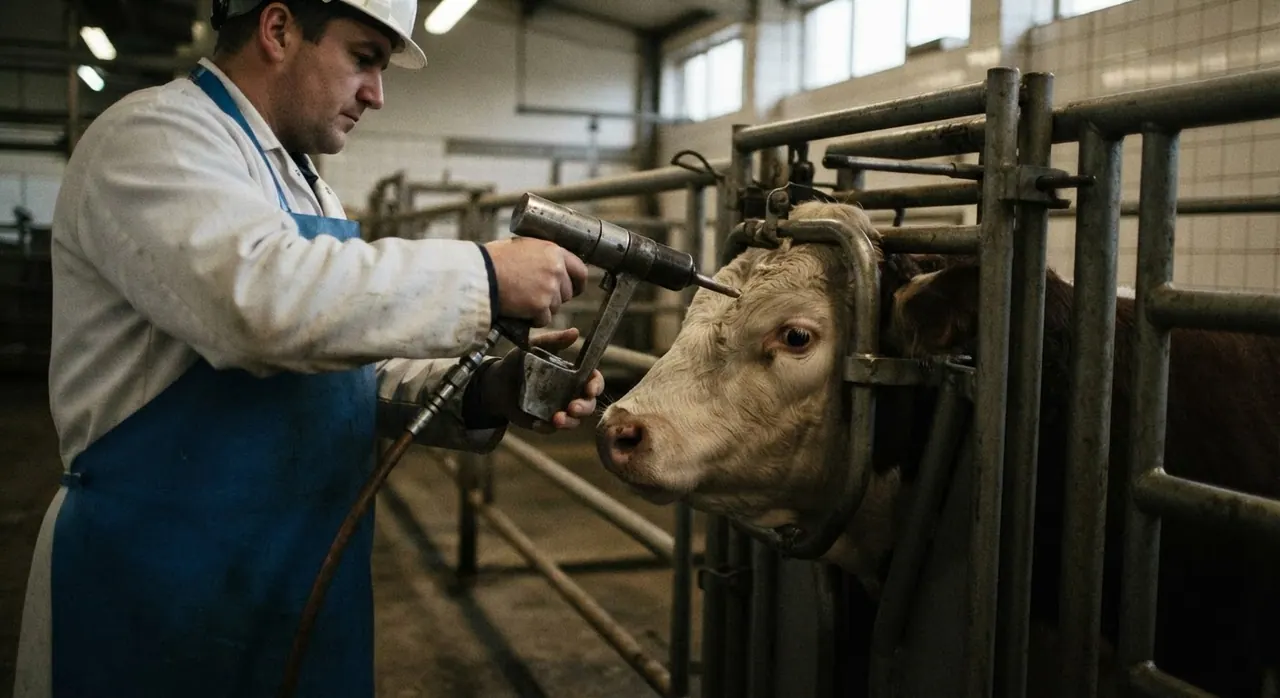
What Works (in Theory)
- **Effective Stunning:** Methods like captive bolt stunning for cattle and pigs, or electrical stunning for poultry, are designed to induce immediate unconsciousness. When applied correctly, these can prevent the animal from regaining consciousness before death.
- **Minimised Handling Stress:** Careful handling techniques, including appropriate ramps, non-slip flooring, and gentle guidance, can reduce the fear and anxiety animals experience during transport and lairage (holding before slaughter).
- **Regular Audits and Training:** Independent welfare audits and comprehensive staff training are crucial for ensuring that humane slaughter protocols are consistently followed and that equipment is properly maintained.
- **Species-Specific Protocols:** Recognising the different physiological and behavioural needs of various animals (e.g., sheep, pigs, cattle, poultry) leads to more tailored and potentially less stressful slaughter processes.
The Role of Regulation
International bodies and national governments play a significant role in setting standards for animal slaughter. The World Organisation for Animal Health (WOAH, formerly OIE) provides guidelines that many countries adopt into their own legislation. These regulations often detail acceptable stunning methods, monitoring requirements, and penalties for non-compliance. For instance, the EU's WATOK regulations are regularly updated to reflect scientific advancements in animal welfare. Compliance with these standards is often presented as evidence of 'humane' practice.
What Doesn't Work (in Practice)
- **Stunning Failures:** Despite best efforts, stunning can fail. Animals may be improperly stunned, regaining consciousness before exsanguination (bleeding out) occurs, leading to immense suffering. This is particularly a concern with electrical stunning of poultry, where inadequate current can lead to partial stunning.
- **Handling and Transport Stress:** The journey to the slaughterhouse and the time spent in holding pens can be highly stressful for animals, even with improved facilities. Factors like overcrowding, unfamiliar environments, and the presence of slaughterhouse smells can induce fear and distress.
- **Economic Pressures:** The drive for efficiency and profit in the meat industry can lead to rushed procedures, inadequate training, and a compromise on welfare standards. Overwork and understaffing are common issues that can compromise humane practices.
- **Inherent Nature of Slaughter:** Even with perfect stunning, the process involves confinement, separation from social groups, and ultimately, death. This fundamental act of ending a sentient being's life cannot be rendered 'humane' in the true sense of the word, as it deprives the animal of its future experiences.
The Numbers: Welfare Incident Rates
Scientific Perspectives on Slaughter Stress
Research consistently indicates that slaughterhouse environments, even those claiming humane practices, induce physiological and behavioural stress responses in animals. Studies measuring cortisol levels, heart rate, and behavioural indicators of fear in animals before and during slaughter provide empirical evidence that the process is inherently distressing. A 2021 review in the journal *Animal Welfare* found that despite regulatory efforts, significant welfare challenges persist across the global meat industry, impacting both farmed and wild-caught animals.
Compared to Alternatives
Environmental Impact Comparison (per kg protein)
Data reflects average greenhouse gas emissions across production systems. Source: Poore & Nemecek (2018), Science.
The environmental footprint of animal agriculture, even when considering humane practices, remains substantial. Plant-based diets offer a clear advantage, not only in terms of environmental sustainability but also by circumventing the ethical quandaries of animal slaughter altogether. Alternatives like cultivated meat are also being developed, which could potentially reduce the need for conventional slaughterhouses, though they still involve the use of animal cells and raise their own ethical questions.
Who is 'Humane Slaughter' For?
Verdict
“The pursuit of 'humane slaughter' is akin to seeking a gentler form of violence. While reducing suffering is a laudable goal, it cannot transform the act of killing into something truly ethical or humane. The most consistent and ethically sound approach remains abstaining from animal products.”
Moving Beyond the Paradox
Ultimately, the 'humane slaughter' debate forces us to confront the fundamental question of whether it is morally justifiable to kill sentient beings for food when viable alternatives exist. While improvements in slaughterhouse welfare are essential for reducing suffering in the interim, many argue that the only truly humane choice is to eliminate the demand for animal products entirely. The growing availability and diversity of plant-based foods empower consumers to make choices that align with compassion and sustainability, moving beyond the inherent paradox of a 'humane' death.

Further Reading
- The Ethics of Killing Animals: Rethinking Humane Slaughter by Andrew Linzey
- Animal Welfare at Slaughter: Scientific and Regulatory Aspects by David Mellor
- Reports from Compassion in World Farming on slaughterhouse welfare standards.
Frequently asked questions
Is there any way to slaughter an animal without causing it pain?
What are the main welfare concerns in slaughterhouses?
Are 'Certified Humane' labels reliable?
What is the environmental impact of meat production compared to plant-based diets?
Does killing an animal for food always cause suffering?
What are the alternatives to 'humane slaughter'?
Sources & further reading
- Animal Welfare at the Time of Killing (WATOK) Regulations — European Union
- Scientific Opinion on the welfare of slaughter animals — European Food Safety Authority (EFSA)
- Global Farm Animal Welfare — Compassion in World Farming
- Environmental impact of food production — Science (Poore & Nemecek, 2018)