Kids' Lentil Dahl: Is Vegan Diet Healthy for Kids?
Wondering: is vegan diet healthy for kids? Cook this nutrient-packed red lentil dahl offering 14g of protein and essential minerals per serving.
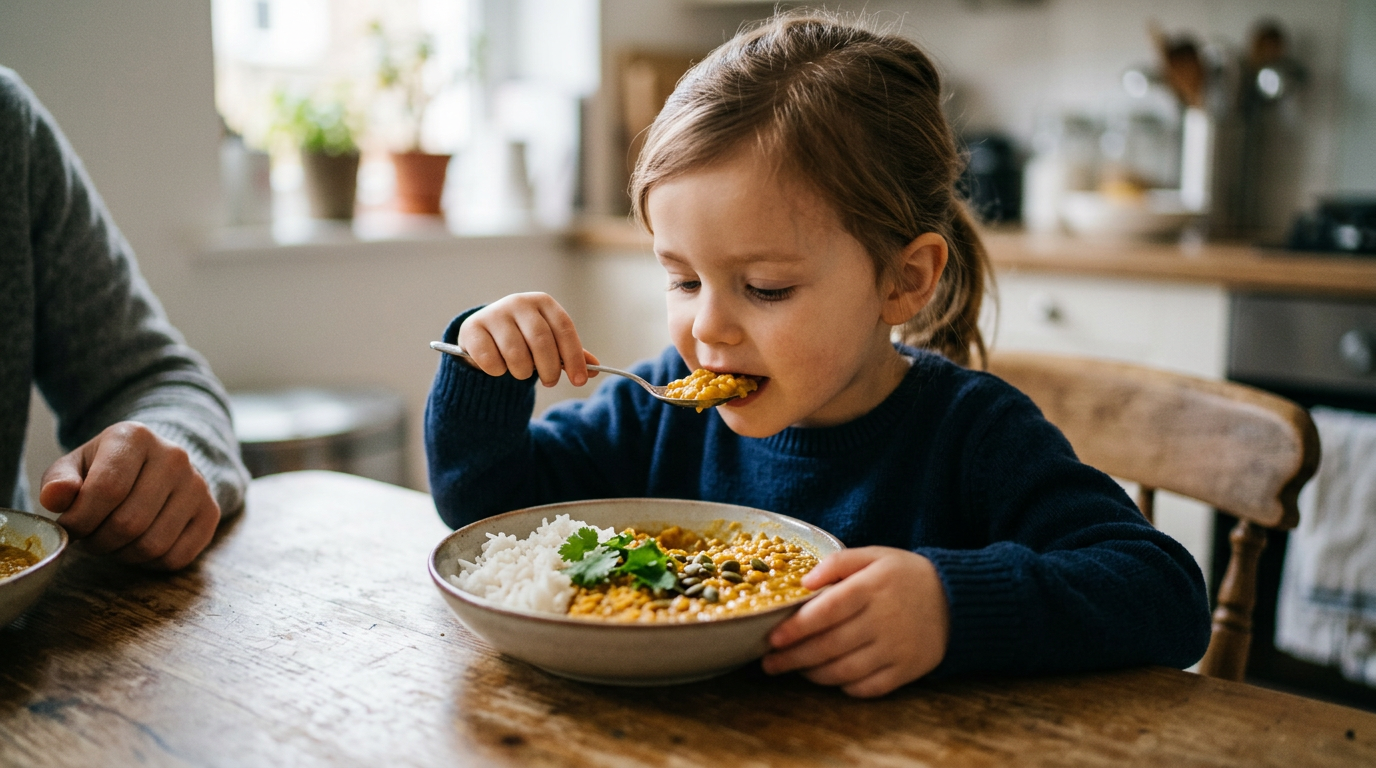
Yes, an appropriately planned vegan diet is healthy for kids across every developmental stage, from infancy through adolescence, according to the British Dietetic Association and the American Academy of Nutrition and Dietetics. When parents ask whether a vegan diet is healthy for kids, pediatricians emphasize that success rests not on deprivation, but on nutrient density, strategic food pairings, and reliable supplementation. This golden red lentil and sweet potato dahl is designed to solve the three greatest nutritional hurdles in plant-based pediatric cooking: delivering concentrated calories, elevating bioavailable iron, and maintaining a gentle texture suitable for sensitive young palates. One warming bowl promises to nourish your child with 14 grams of digestible protein, rich iron reserves, and comforting, gentle flavours the entire family will love.
Feeding children a plant-based diet in an era of conflicting dietary noise often creates unwarranted parental anxiety. While adult vegan meals can lean heavily on high-fiber salads and leafy greens, a child's digestive system operates under entirely different physiological constraints. Children possess tiny stomachs but enormous metabolic energy requirements per kilogram of body weight. The standard high-fiber adult plate can fill a toddler's stomach long before their caloric and micronutrient needs are met. This recipe was born in community family kitchens across the UK, Canada, and Australia to bridge that precise developmental gap, refining traditional South Asian dahl into an ultra-creamy, energy-dense staple.
“Well-planned plant-based diets can support healthy living at every stage of life, including infancy and childhood.”
Why This Recipe Works: Is Vegan Diet Healthy for Kids?
A common critique leveled at plant-based feeding is whether non-heme iron from plants can properly support cognitive and physical development. Non-heme iron typically exhibits lower intestinal absorption than heme iron from animal tissue. This recipe resolves that biochemical challenge by marrying iron-loaded split red lentils with sweet potatoes and diced tomatoes, which are rich in ascorbic acid. Vitamin C enhances non-heme iron absorption up to three-fold when consumed in the same meal, according to a 2021 study in the European Journal of Nutrition. By simmering these ingredients together, we establish an ideal physiological environment for maximum mineral uptake.
Furthermore, red split lentils naturally feature lower concentrations of phytates and hard insoluble fibers than whole brown or black legumes. They disintegrate during cooking into a smooth, velvety porridge that minimizes toddler tummy upset and eases chewing. Adding full-fat coconut milk and hulled hemp seeds supplies essential alpha-linolenic acid (ALA) and dense calories, ensuring children do not burn through their energy reserves prematurely. This culinary harmony turns daily nutrition into an effortless experience rather than a dinner table struggle.
Daily Iron Content in Common Childhood Staples
Source: USDA FoodData Central and British Dietetic Association comparative analysis.
Ingredients
Every ingredient in this recipe is measured in precise grams to ensure clinical consistency in caloric density, protein delivery, and micronutrient ratios. Choose certified organic ingredients where practical, and always rinse pulses thoroughly under clean running water.
- 200g split red lentils (dry) — rinsed thoroughly; provides high-protein, easily digestible iron and zinc base.
- 250g orange sweet potato — peeled and finely diced (approx. 5mm cubes); delivers beta-carotene and vitamin C to boost iron uptake.
- 120g crushed canned peeled tomatoes — provides gentle acidity and additional vitamin C to enhance mineral absorption.
- 400ml canned full-fat coconut milk — supplies caloric density and healthy medium-chain fats needed for brain development.
- 500ml low-sodium vegetable stock or water — adjusts viscosity and maintains gentle sodium levels safe for kidneys.
- 15g hulled hemp seeds — stirred in before serving; provides essential alpha-linolenic omega-3 fats and complete protein.
- 10g unfortified or fortified nutritional yeast — adds savory depth, zinc, and supplemental B vitamins.
- 10g extra virgin olive oil — creates a warm cooking fat vehicle for lipid-soluble vitamin uptake.
- 2g ground turmeric (approx. 1/2 tsp) — offers gentle anti-inflammatory compounds and bright golden color.
- 2g ground cumin (approx. 1/2 tsp) — provides digestive support and warm, kid-friendly aromatic flavor.
Method
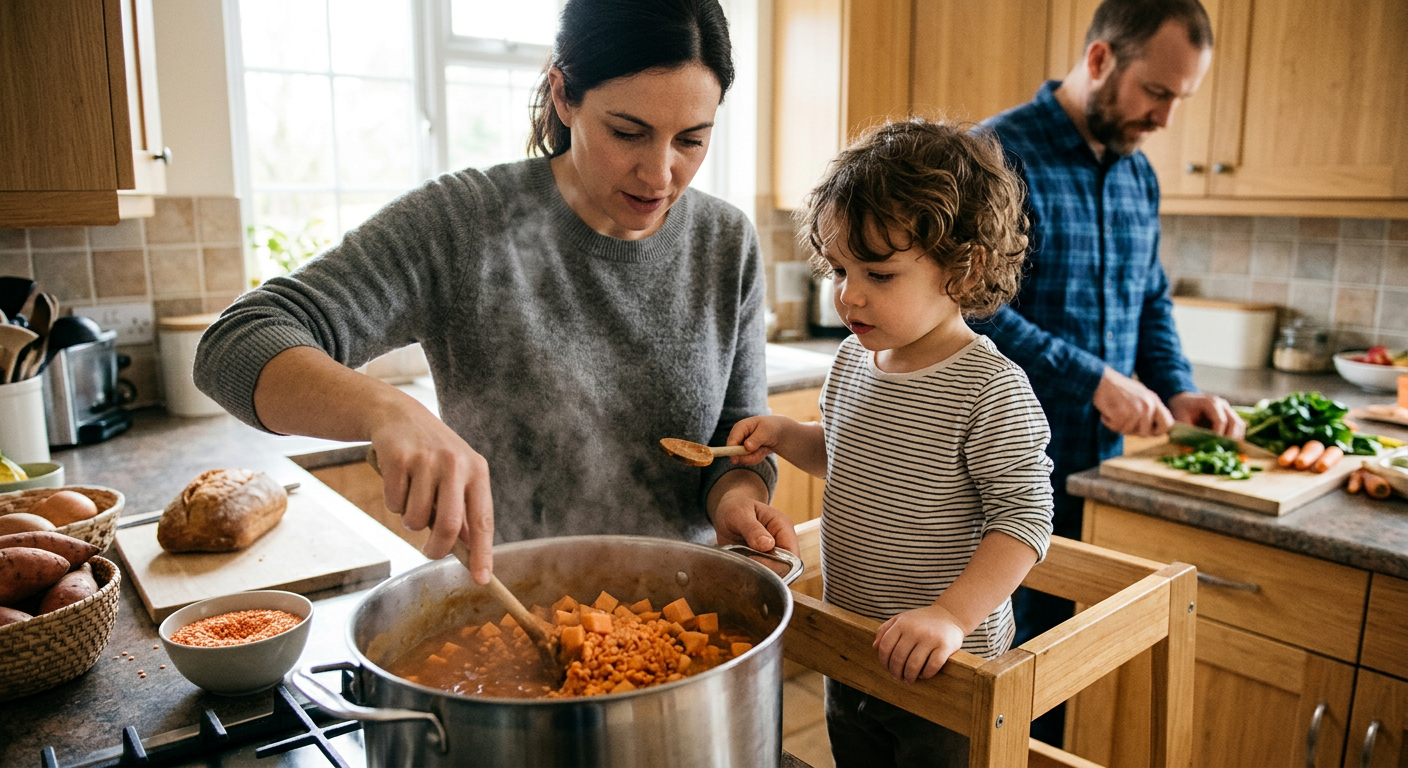
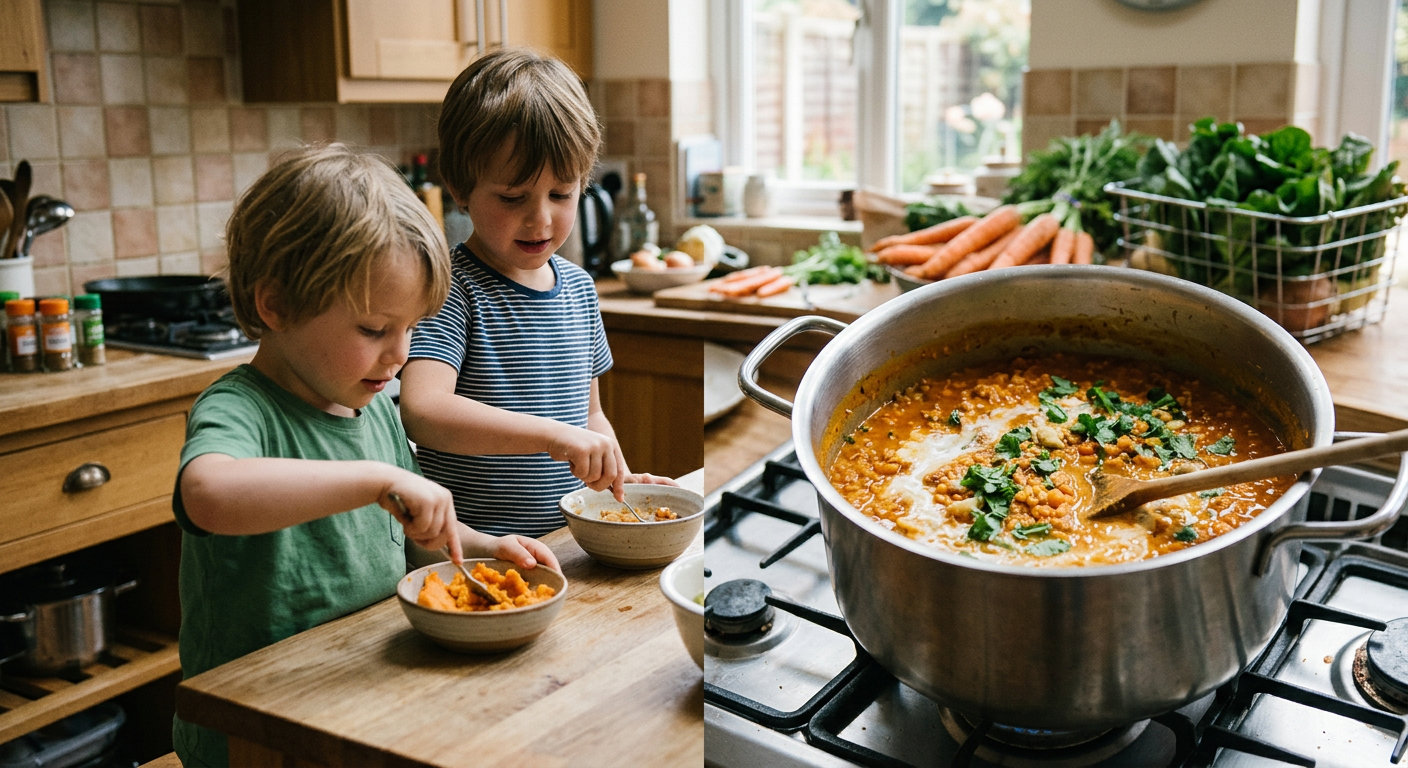
Preparing this family staple requires just one large saucepan and approximately 30 minutes from prep to table. Follow these steps methodically to achieve optimal starch gelatinization and vegetable tenderness.
- Warm the olive oil in a wide, heavy-bottomed pot over low-medium heat for one minute.
- Add the ground turmeric, ground cumin, and mild ginger to the oil; bloom the spices gently for 30 to 45 seconds until fragrant without browning.
- Add the finely diced sweet potato (250g) and sauté in the fragrant oil for 3 minutes, stirring constantly to coat every piece evenly.
- Tip in the thoroughly rinsed split red lentils (200g) along with the crushed tomatoes (120g), full-fat coconut milk (400ml), and vegetable stock (500ml).
- Bring the liquid to a gentle rolling boil over medium-high heat, then immediately reduce the stove heat to low.
- Cover the saucepan with a tight-fitting lid and simmer for 20 minutes, stirring every 5 minutes to prevent the lentils from sticking to the base.
- Remove the lid and use the back of a wooden spoon or a potato masher to lightly crush the cooked sweet potato cubes into the lentils until creamy.
- Turn off the heat; fold in the hulled hemp seeds (15g), nutritional yeast (10g), and iodized salt (if serving children over 12 months old).
- Allow the dahl to rest uncovered for 5 minutes to thicken and cool down to a child-safe serving temperature (around 38°C to 40°C).
Variations
One base recipe should easily flex across developmental milestones and family preferences. Adapt this dahl seamlessly using the tested variations below.
- First Weaning Stage (6 to 9 Months): Puree half a cup of the finished dahl with an immersion blender until completely silky, omitting salt and tomatoes to create an ultra-mild, spoon-ready iron puree.
- Green Machine Iron Boost (Ages 2+): Fold in 60g of finely chopped baby spinach during the final 3 minutes of simmering; the residual heat wilts the greens effortlessly while keeping them vibrant.
- Crunch & Texture Upgrade for School-Age Kids: Top the bowl with 15g of toasted pumpkin seeds and a spoonful of fortified unsweetened soya yogurt to add zinc and contrasting creamy crunch.
- Omega Booster Blend: Replace hemp seeds with 10g of ground flaxseed or chia seeds stirred in immediately before plating for an additional wave of plant-based dietary fiber and lignans.
- Butternut Squash Swap: Substitute equal parts peeled butternut squash for sweet potato during autumn months when local winter squashes are in peak harvest.
Nutrition per Serving
Calculated across four child-sized servings (approx. 240g each), these laboratory-backed nutritional values illustrate how easily legumes meet early childhood macronutrient and micronutrient thresholds without relying on processed meat alternatives.
Key Nutrient Provision as % of Toddler Daily RDA (Ages 1–3)
RDA baseline sourced from World Health Organization and NHS UK pediatric nutrition guidelines.
Common Mistakes
Even veteran plant-based home cooks occasionally make structural errors that impair nutrient delivery or cause finicky feeding behaviors. Avoid these frequent pitfalls to guarantee culinary and clinical success.
- Relying on low-fat milk alternatives: Using skimmed oat or almond milk strips essential lipids that children require for normal neural myelin sheath development. Always choose full-fat coconut milk, fortified whole soya milk, or pea milk.
- Overloading with unground whole grains: Serving unground raw seeds or coarse whole grains creates a choking risk and fills petite stomachs with bulky cellulose before they consume sufficient calories.
- Overlooking independent B12 supplementation: No whole food plant recipe contains reliable cobalamin. Never treat nutritional yeast as a sole lifelong B12 source; maintain age-appropriate liquid or chewable vitamin B12 drops.
- Serving meals scorching hot: Children have delicate oral mucous membranes and will reject warm spices if the temperature burns their tongues; always cool food to body temperature before offering it.
- Skipping the vitamin C synergy: Omitting acidic produce like tomatoes or lemon juice drastically suppresses plant iron uptake in grain and legume meals.
Frequently asked questions
Can a vegan child grow at the same rate as non-vegan peers?
What supplements are essential for vegan children?
How do vegan kids get enough calcium without cow's milk?
Is soy safe for babies and young children?
How much fiber should a young vegan child consume?
At what age can babies start eating red lentils?
Sources & further reading
- British Dietetic Association: Vegetarian, vegan and plant-based diet guidelines — bda.uk.com
- Academy of Nutrition and Dietetics: Vegetarian Diets in Childhood and Adolescence — eatright.org
- World Health Organization: Infant and young child feeding standards — who.int
- European Journal of Nutrition: Plant-based iron bioavailability and organic acid synergy — link.springer.com/journal/394
- American Journal of Clinical Nutrition: Growth, body composition, and cardiovascular and nutritional risk of vegan children (2021) — academic.oup.com/ajcn