The Complete Guide to Line-Drying Laundry
Discover how line-drying laundry replaces energy-guzzling appliances, saving you money and reducing your carbon footprint. The ultimate guide.
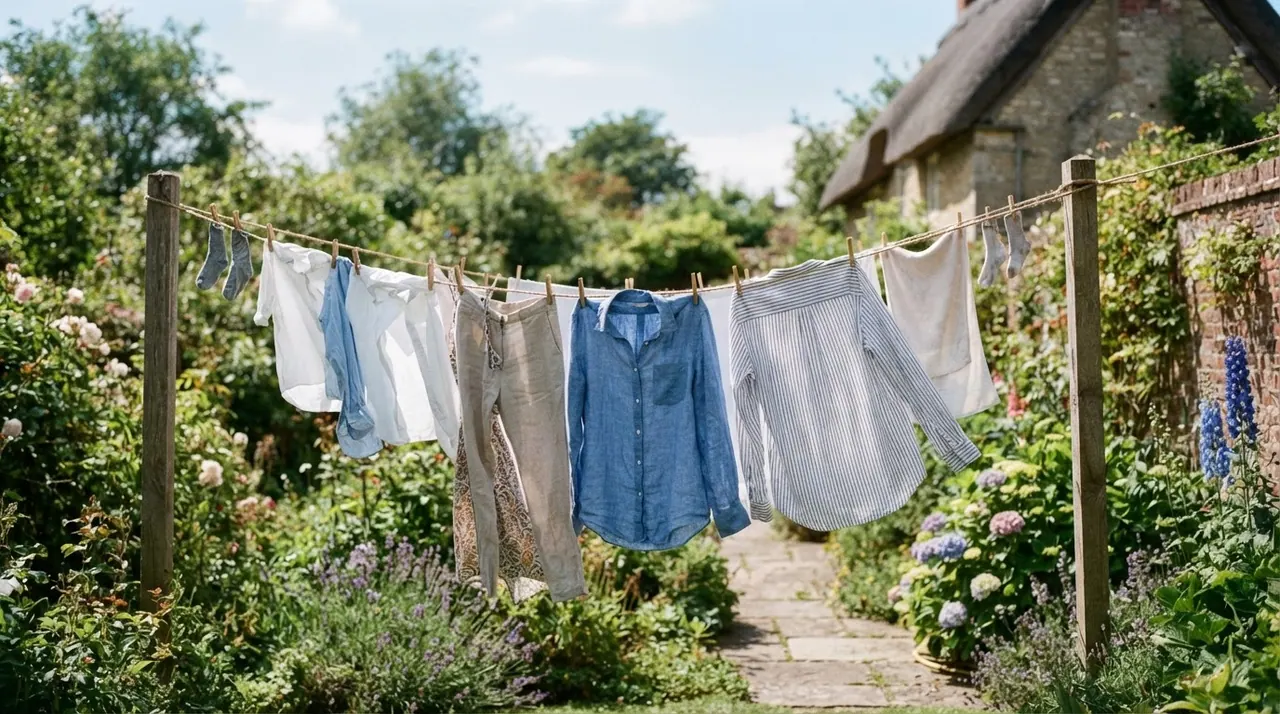
Line-drying laundry offers a powerful, accessible way to reduce household energy consumption and save money, effectively replacing the need for energy-intensive tumble dryers. This age-old practice leverages natural elements – sun and air – to dry clothes, eliminating the substantial electricity usage associated with modern drying appliances. For those seeking practical, everyday sustainability, understanding and adopting line-drying presents a clear path to lower utility bills and a smaller environmental footprint, making it an essential component for eco-conscious living.
Table of Contents
- Why Line-Dry?
- The Environmental Impact of Tumble Dryers
- The Environmental Benefits of Line-Drying
- How to Set Up Your Line-Drying System
- Choosing the Right Location and Equipment
- Best Practices for Effective Line-Drying
- Line-Drying vs. Tumble Drying: A Comparison
- Common Mistakes to Avoid
- The Financial Savings of Line-Drying
- Line-Drying and Your Wardrobe
The Environmental Impact of Tumble Dryers
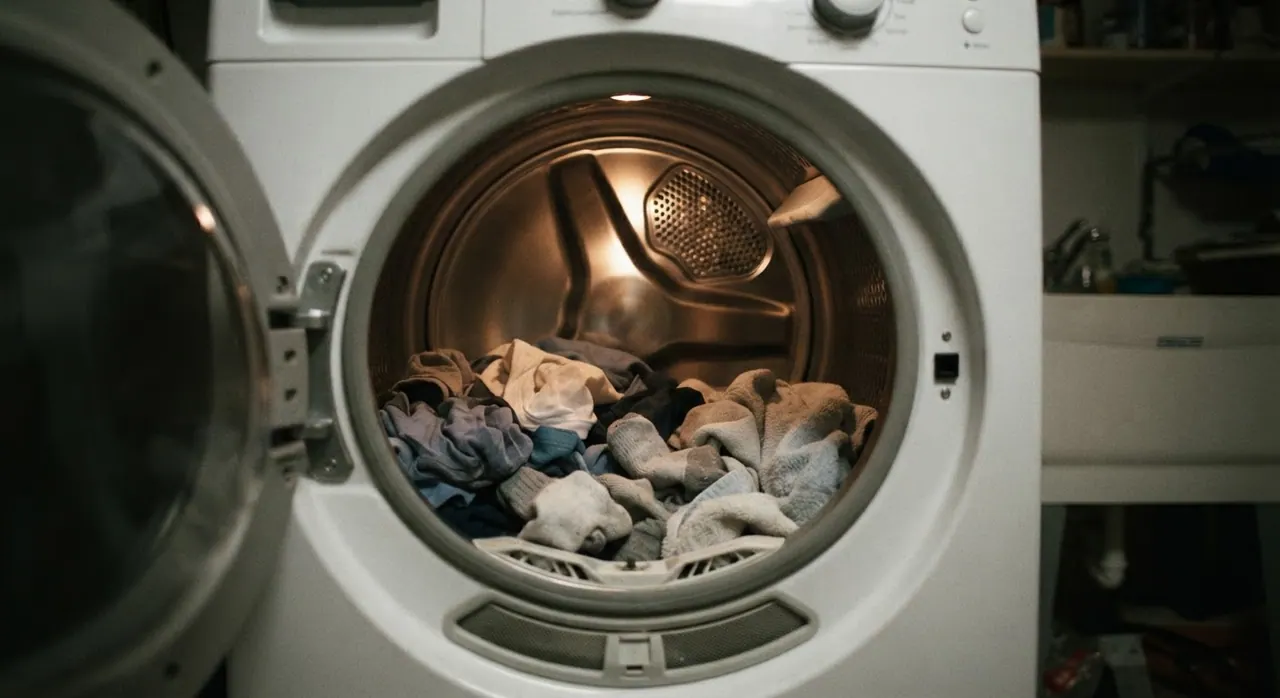
Tumble dryers are among the most energy-hungry appliances in the home. In the United Kingdom, for instance, a typical tumble dryer can consume around 3-5 kWh per cycle. When used frequently, this translates to a significant portion of a household's electricity bill and a substantial contribution to carbon emissions. According to the Energy Saving Trust, tumble dryers are often the third-largest energy user in a household, after refrigerators and washing machines. Their reliance on electricity, often generated from fossil fuels, means each load dried contributes to greenhouse gas emissions.
A Global Perspective on Appliance Energy Use
While specific figures vary by region and appliance efficiency, the trend is global. In countries like Australia or Canada, where climate permits outdoor drying for much of the year, reliance on dryers can still be high, especially in urban environments. The International Energy Agency (IEA) highlights that household appliances account for a significant and growing share of global electricity consumption. Reducing reliance on these appliances, particularly the energy-intensive ones like dryers, is a key strategy for mitigating climate change and enhancing energy security.
Estimated Annual Energy Consumption of Common Household Appliances
Based on average usage patterns in a typical European household. Source: European Commission
The Environmental Benefits of Line-Drying
Line-drying, also known as air-drying, offers a profoundly sustainable alternative. By harnessing sunlight and natural air circulation, it completely bypasses the need for electricity. This direct reduction in energy demand translates into lower greenhouse gas emissions, especially if your local electricity grid relies on fossil fuels. Furthermore, it avoids the release of microplastics that can occur during the tumbling process of synthetic fabrics in a dryer, as noted in research published in Environmental Science & Technology. It's a simple yet impactful method for reducing one's personal carbon footprint.
“Embracing line-drying is one of the most straightforward and effective ways to cut household energy bills and contribute to a healthier planet.”
Beyond Carbon: Air Quality and Noise Pollution
The benefits extend beyond carbon emissions. Tumble dryers can contribute to indoor air quality issues due to heat and potential lint release. Outdoors, the hum of a dryer is replaced by the gentle rustle of clothes in the breeze. This quiet approach is particularly appreciated in densely populated areas or apartment complexes where noise pollution can be a concern. A study published in the Journal of Environmental Psychology suggests that exposure to natural sounds, like wind, can have positive psychological effects, making laundry day a more serene experience.
How to Set Up Your Line-Drying System
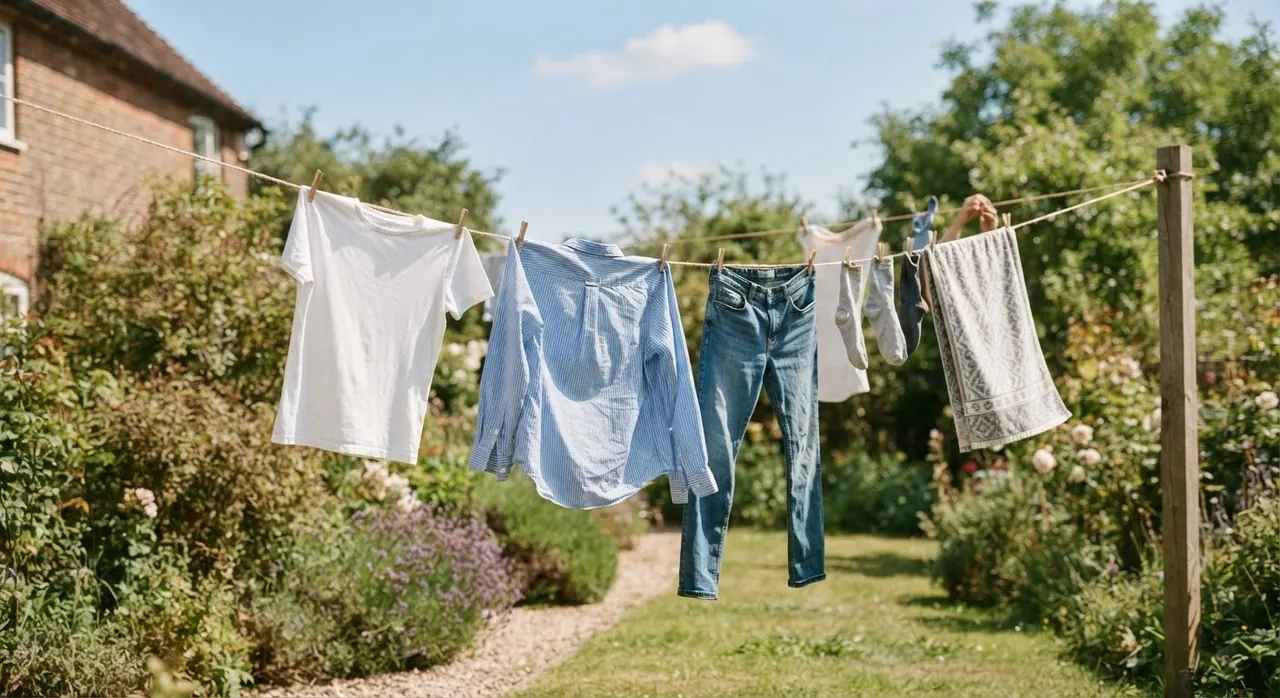
Setting up for line-drying is remarkably simple and adaptable to various living situations. The most basic requirement is a place to hang clothes where they can be exposed to air and sunlight. This can range from a traditional outdoor washing line in a garden or yard to indoor drying racks or retractable lines for balconies and smaller spaces. The fundamental principle is to create airflow around the garments, allowing moisture to evaporate naturally. Investing in a few key items can make the process efficient and enjoyable.
Essential Equipment for Line-Drying
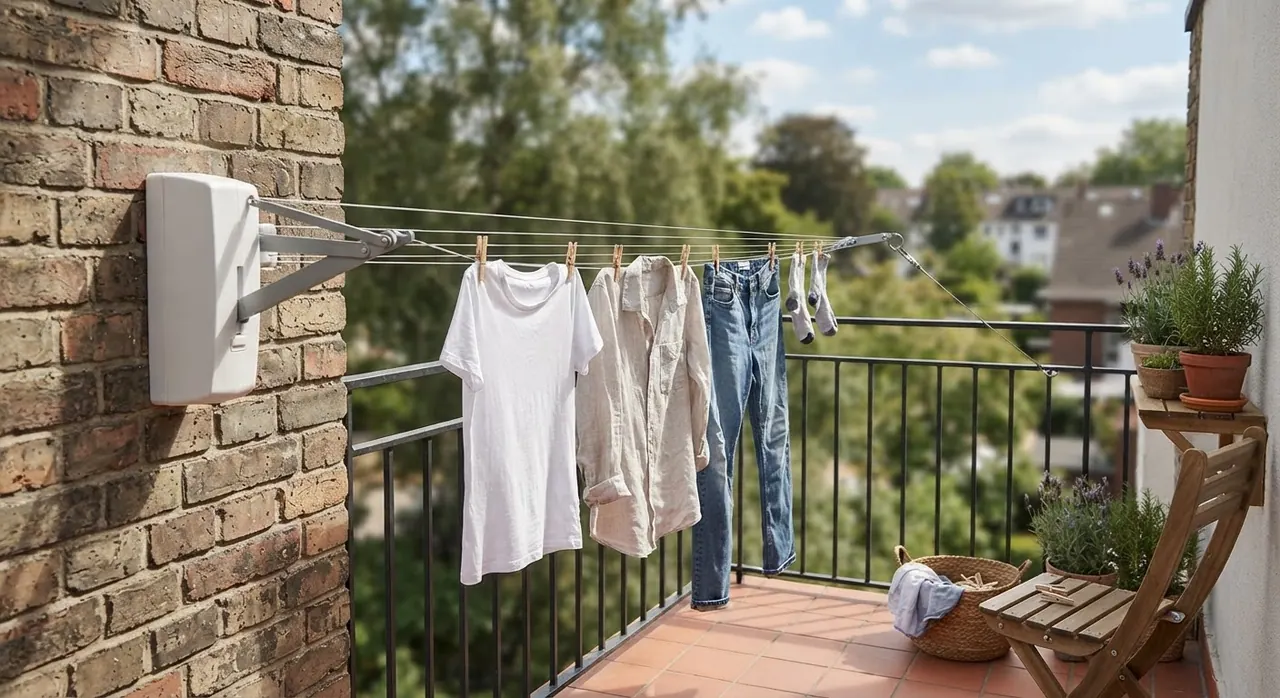
- **Washing Line/Clothesline:** Available as fixed, rotary, or retractable models. Choose based on available space and frequency of use.
- **Pegs/Clothespins:** Essential for securing clothes to the line. Wooden or plastic options are common.
- **Drying Rack:** For indoor use or for items that shouldn't be pegged, such as delicate knitwear.
- **Hangers:** Useful for shirts, blouses, and trousers to maintain their shape.
- **Steamer (Optional):** For stubborn wrinkles that sun and air don't fully eliminate.
Choosing the Right Location and Equipment
The ideal location for line-drying is outdoors, in a sunny, breezy spot. Sunlight acts as a natural disinfectant and brightener for whites. Ensure the location is not too close to dusty roads or areas with significant air pollution. If your outdoor space is limited, consider a balcony or a small yard. For those in apartments or with limited outdoor access, indoor drying racks or retractable lines that can be fixed to walls or ceilings are excellent alternatives. When selecting a washing line, consider its length and durability; a longer line allows for more items to be dried simultaneously, reducing the number of loads.
Indoor Drying Considerations
When drying indoors, adequate ventilation is key to prevent dampness and potential mould growth. Open windows or use a dehumidifier if necessary. Avoid placing drying racks directly against walls, as this can impede airflow. Spacing garments well apart on the rack is also crucial for efficient drying. Some modern drying racks are designed with multiple tiers and adjustable wings to maximize drying space in a small footprint.
Best Practices for Effective Line-Drying
Maximising the efficiency of line-drying involves a few simple techniques. Start by ensuring your washing machine spins clothes thoroughly to remove as much excess water as possible. This significantly reduces drying time. Shake out garments before hanging them to reduce wrinkles and speed up evaporation. Hang items with plenty of space between them to allow air to circulate freely. For larger items like sheets and towels, consider using a rotary line or spreading them over multiple lines to ensure even drying. Turning garments inside out can protect colours from direct sun fading.
Optimising Drying Time and Quality
- **Spin cycle:** Use the highest spin setting on your washing machine.
- **Shake out:** Vigorously shake each item before hanging.
- **Spacing:** Ensure adequate space between garments.
- **Hanging methods:** Use hangers for shirts, peg trousers by the waistband.
- **Sun protection:** Hang darker items inside out to prevent fading.
- **Odor control:** Ensure good airflow to prevent musty smells.
Impact of Spin Speed on Laundry Drying Time
Estimated reduction in drying time on a washing line compared to a lower spin speed. Source: Laundry appliance efficiency studies.
Line-Drying vs. Tumble Drying: A Comparison
The contrast between line-drying and tumble drying is stark, particularly concerning environmental impact and cost. Tumble dryers consume significant energy, contribute to carbon emissions, and can shorten the lifespan of garments through heat and friction. Line-drying, conversely, uses zero energy, produces no direct emissions, and is gentler on fabrics. While tumble dryers offer speed and convenience, especially in inclement weather or time-pressed situations, line-drying provides a more sustainable, cost-effective, and fabric-friendly alternative. Studies by consumer organisations often show that the energy cost of running a dryer can be a substantial part of household utility expenses.
Common Mistakes to Avoid
Even with a practice as simple as line-drying, certain pitfalls can lead to less-than-ideal results. Overcrowding the line is a common mistake; it restricts airflow, leading to longer drying times and potential musty odours. Hanging items while they are still excessively wet from a low spin cycle also prolongs drying. Forgetting to shake out clothes can result in more wrinkles. In damp or humid conditions, relying solely on indoor drying without ventilation can lead to damp clothes and potential mould issues. Lastly, leaving clothes out in heavy rain or overnight frost without protection can damage them.
Troubleshooting Common Issues
- **Musty Odours:** Increase spacing, ensure better ventilation, or dry indoors with a dehumidifier.
- **Wrinkles:** Shake garments more vigorously before hanging; consider a brief steam.
- **Slow Drying:** Ensure clothes are spun sufficiently; check for adequate airflow.
- **Fading:** Dry darker items inside out, or bring them in before peak sun hours.
- **Stiffness (Towels):** Shake towels vigorously after drying; consider a small amount of fabric softener in the wash.
The Financial Savings of Line-Drying
The financial incentive for line-drying is significant. By eliminating the use of a tumble dryer, households can see a noticeable reduction in their electricity bills. The Energy Saving Trust estimates that an average UK household could save between £50 and £150 or more annually by switching from a tumble dryer to line-drying, depending on usage patterns and electricity prices. Over the lifespan of a dryer (often 10-15 years), these savings can amount to thousands of pounds. This economic benefit, coupled with the environmental advantages, makes line-drying a compelling choice for budget-conscious and eco-aware individuals and families.
Line-Drying and Your Wardrobe
Beyond the environmental and financial aspects, line-drying is a superior method for garment care. The intense heat and constant tumbling action of dryers can degrade fibres, leading to premature wear, shrinkage, and loss of elasticity. Natural air-drying is a much gentler process, preserving the integrity and appearance of clothing for longer. This means your favourite jumper, your best-loved jeans, and delicate items will retain their shape, colour, and texture for more washes. A report by the Cambridge Centre for Sustainable Fashion has explored how extending garment lifespan through better care practices is a critical component of a circular economy in textiles.
Common Questions About Line-Drying
Transitioning to line-drying laundry is a powerful step towards a more sustainable lifestyle. It's a practice that respects your budget, your clothes, and the planet. By embracing the simplicity of sun and air, you replace a significant energy drain with an environmentally sound and economical alternative. Make the switch, and experience the benefits firsthand.
Sources & further reading
- Energy Saving Trust — energysavingtrust.org.uk
- International Energy Agency (IEA) — iea.org
- Environmental Science & Technology — pubs.acs.org/journal/esthag
- Journal of Environmental Psychology — sciencedirect.com/journal/journal-of-environmental-psychology
- Cambridge Centre for Sustainable Fashion — sustainablefashion.cam.ac.uk