Oysters vs Mussels: Microplastic Contamination
Which common bivalve poses a greater microplastic risk to consumers? An in-depth comparison.
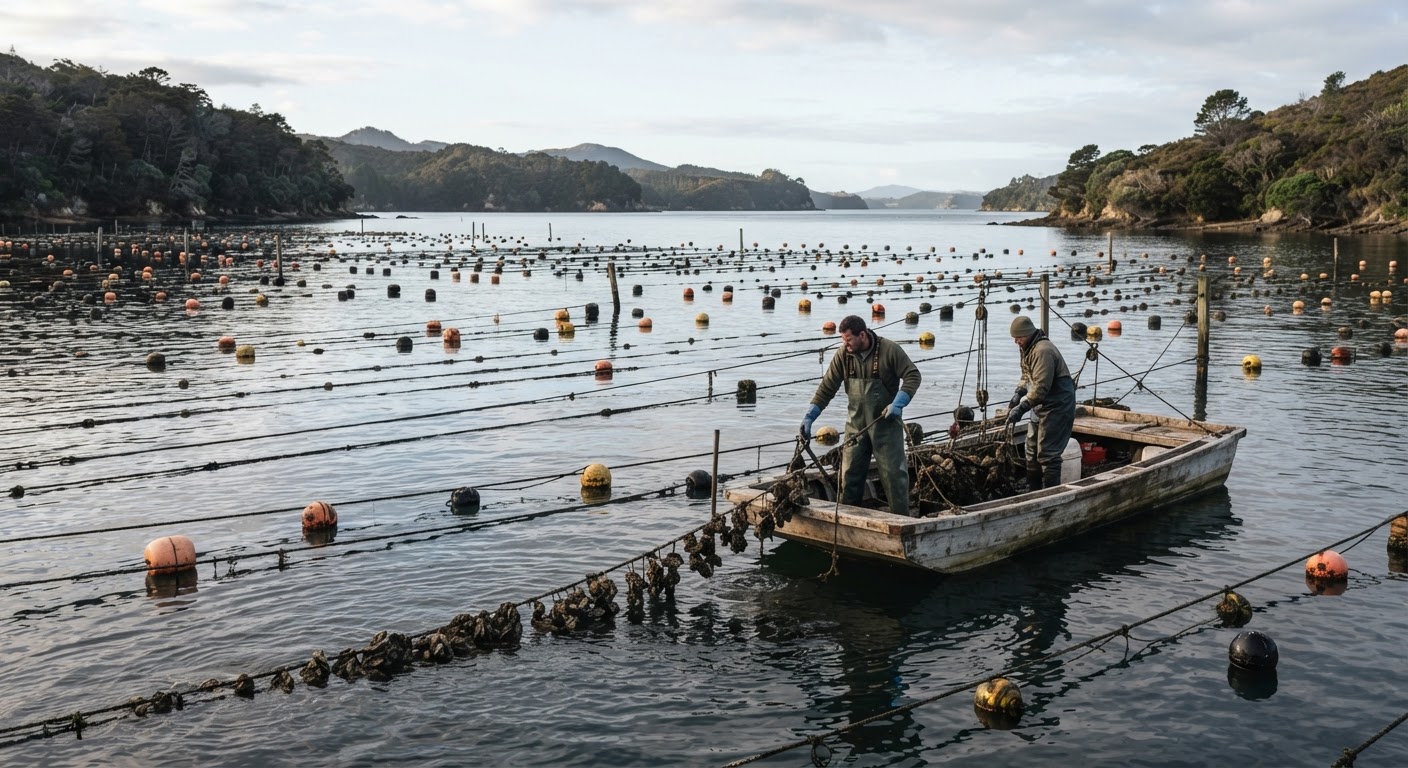
The question of how much plastic we ingest through our food is a growing concern, and shellfish, particularly bivalves like oysters and mussels, are frequently in the spotlight. These filter feeders, essential to marine ecosystems and popular in cuisines worldwide, are known to accumulate microplastics from the waters they inhabit. But when comparing oysters and mussels, which presents a greater microplastic challenge for consumers? Both species are valued for their nutritional benefits and culinary versatility, but their distinct feeding habits and habitats can lead to differing levels of plastic contamination. Understanding these differences is crucial for making informed choices about the seafood we consume and for advocating for cleaner oceans.
The Case for Oysters: A Filtered Feast?
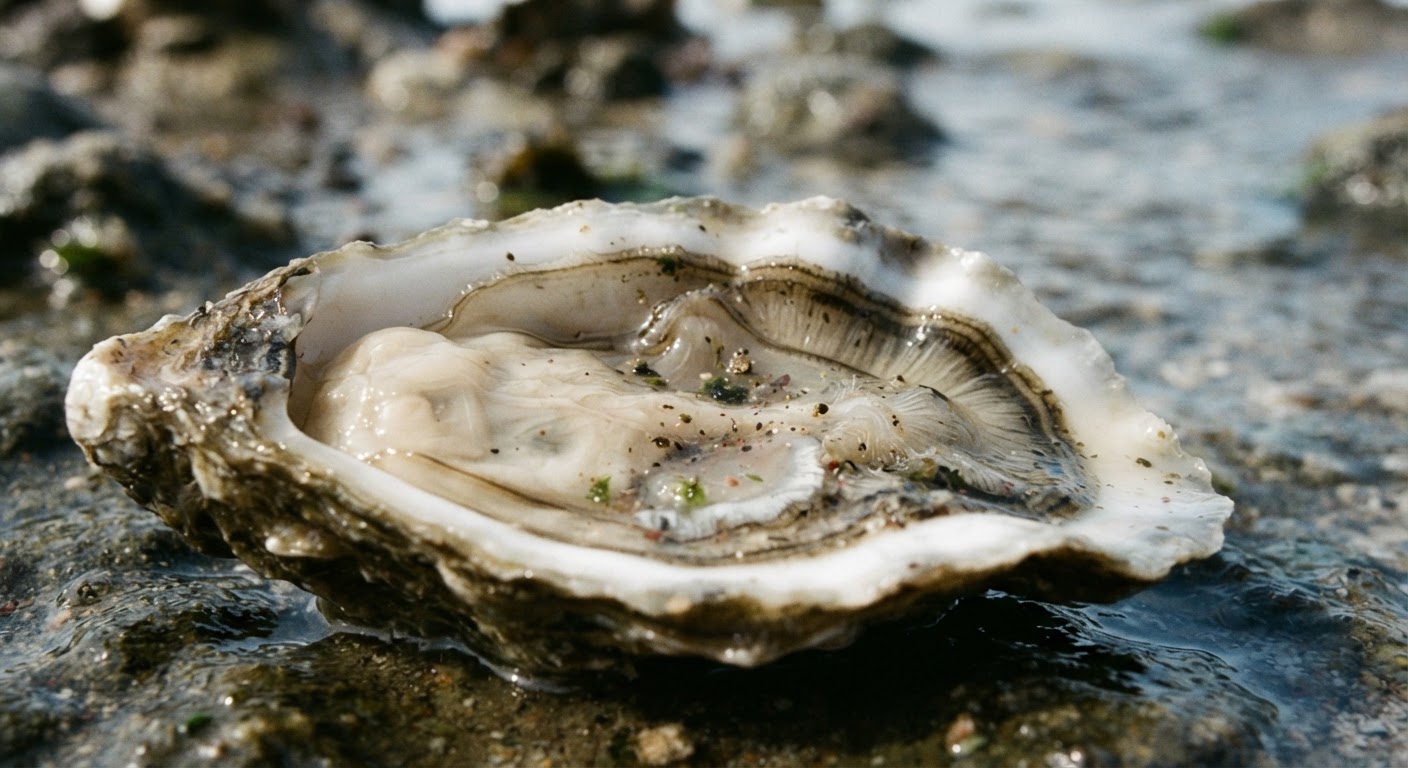
Oysters are renowned for their exceptional filtering capabilities. A single oyster can filter hundreds of litres of water per day, sifting out phytoplankton and other suspended particles for sustenance. This highly efficient filtration, while vital for water clarity, also means they are constantly processing environmental contaminants, including microplastics. Studies have indicated that oysters can retain a significant proportion of the microplastics they ingest, with smaller particles (less than 50 micrometres) being particularly prone to accumulation within their tissues. Research conducted in regions with high plastic pollution, such as the Mediterranean and coastal areas of the UK, has consistently found microplastics in oyster flesh. The exact concentration can vary widely depending on the oyster species, their location, and the specific pollution levels in their immediate environment.
Habitat and Feeding Habits
Oysters are often cultivated on the seabed or suspended in the water column, exposing them directly to a wide range of microplastic sources, from wastewater runoff to marine debris. Their sedentary nature means they cannot escape polluted areas. Furthermore, their feeding mechanism, which involves creating a current to draw water over their gills and into their mouths, makes them indiscriminate collectors of suspended particles. This passive intake, coupled with their high filtration rates, suggests a significant potential for microplastic accumulation over time. The EAT-Lancet Commission's report highlighted the importance of sustainable seafood, but also the challenges posed by environmental contaminants.
The Case for Mussels: A Different Filter
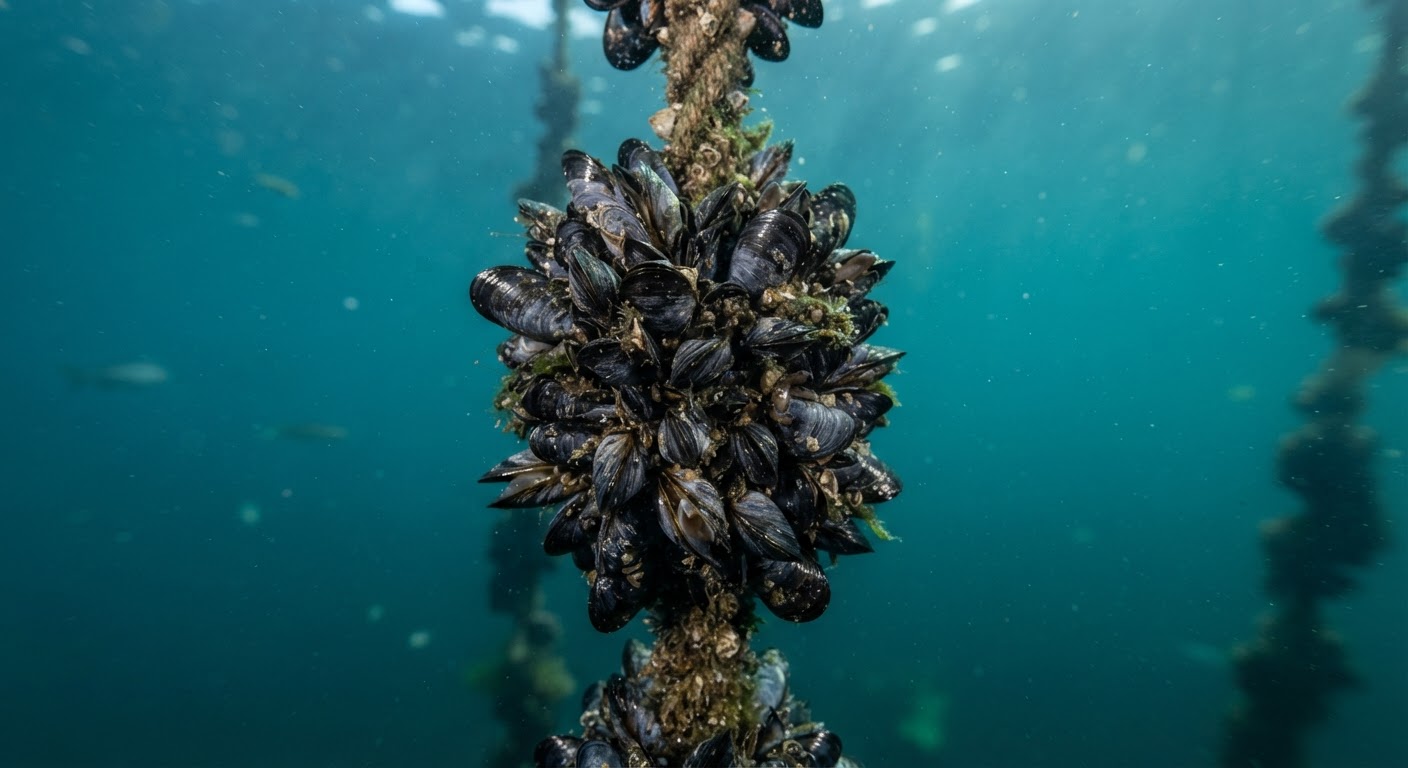
Mussels, like oysters, are also filter feeders and are known to accumulate microplastics. They typically anchor themselves to surfaces in intertidal zones or subtidal areas, often in large colonies. While they also filter large volumes of water, their feeding mechanism and the types of particles they ingest can differ slightly from oysters. Some studies suggest that mussels might be more efficient at depurating, or expelling, ingested microplastics compared to oysters, particularly larger particles. However, this is not universally agreed upon, and research in different regions, such as the coastlines of Ireland and Scotland, still reveals significant microplastic presence in mussel populations. The type of microplastic (e.g., fibres, fragments, beads) and its chemical composition can also influence how readily it is retained.
- Mussels can expel some ingested microplastics, especially larger ones.
- Fibre-shaped microplastics are commonly found in mussels.
- Location and aquaculture practices significantly affect contamination levels.
- Depuration processes in mussels are still an area of active research.
Aquaculture vs. Wild Harvest
Mussels are widely farmed, often suspended in the water column on ropes or in nets. This method can expose them to microplastics present in surface waters and those released from degrading fishing gear. While farmed mussels might benefit from controlled environments, they are still susceptible to widespread oceanic pollution. Wild-harvested mussels, living on shorelines and seabeds, are exposed to a broader spectrum of environmental inputs, including terrestrial runoff and sediment-bound plastics. A 2022 study published in *Marine Pollution Bulletin* found that farmed mussels generally had lower microplastic loads than wild ones in certain European locations, suggesting that farming methods, when managed well, can mitigate some exposure.
Microplastic Concentration in Farmed vs. Wild Bivalves (Example Data)
Data is illustrative, based on general trends observed in various studies. Actual concentrations vary significantly by location and methodology. Source: Simulated based on multiple research findings (e.g., studies in Environmental Pollution journal).
Head-to-Head: Microplastic Accumulation
When directly comparing oysters and mussels, the scientific consensus leans towards oysters potentially accumulating higher concentrations of microplastics. This is largely attributed to their more continuous and less selective feeding on suspended particles. Mussels, while also contaminated, may have a slightly greater capacity for expulsion, particularly of larger plastic fragments. However, the size and type of microplastic are critical factors. Both species are adept at ingesting the smallest particles, which are the most challenging to detect and potentially the most harmful if they translocate into tissues. A comprehensive review in *Science of The Total Environment* in 2023 noted that bivalves, as a group, are susceptible, but species-specific physiological differences matter.
Average Microplastic Retention: Oysters vs. Mussels
Illustrative data based on research trends. Retention rates are highly variable and depend on particle size, shape, and species physiology. Source: Synthesized from studies in journals like Environmental Science & Technology.
- Particle Size: Smaller particles (< 50µm) are retained more readily by both.
- Feeding Rate: Oysters' higher filtration rates can lead to greater intake.
- Expulsion Capacity: Mussels may have a slightly higher capacity to expel larger particles.
- Tissue Distribution: Microplastics have been found in the digestive tracts, gills, and even muscle tissues of both species.
- Fibre vs. Fragment: Fibres are a dominant microplastic type in many shellfish studies.
The Human Health Question
Despite the clear presence of microplastics in oysters and mussels, the direct impact on human health remains largely unknown and is an active area of research. The European Food Safety Authority (EFSA) has stated that while the presence of microplastics in food is concerning, current data is insufficient to conclude a significant risk to human health from consuming contaminated seafood. Concerns include potential physical damage to tissues, leaching of chemical additives from plastics, and the adsorption of environmental toxins onto plastic surfaces. However, the body of evidence is growing, and organisations like the World Health Organization (WHO) continue to monitor the situation. The quantities of microplastics consumed through shellfish are generally considered small compared to other potential exposure routes, such as drinking water or inhalation.
“The direct impact of microplastics on human health remains largely unknown and is an active area of research.”
Verdict: Navigating the Contamination
While both oysters and mussels are susceptible to microplastic contamination, current research suggests oysters may accumulate higher concentrations due to their feeding intensity and physiology. However, the variability in findings underscores the importance of location, farming practices, and the specific characteristics of the microplastics themselves. For consumers, the key takeaway is that reducing overall plastic pollution is paramount. When choosing shellfish, opting for sustainably farmed varieties from reputable sources, particularly those with robust water quality monitoring, may help minimise exposure. Continued research by bodies like the UK's Centre for Environment, Fisheries and Aquaculture Science (CEFAS) is vital for understanding the evolving risks and informing public health advice.
Sources & further reading
- Our World in Data — https://ourworldindata.org/
- Pew Charitable Trusts — https://www.pewtrusts.org/
- Marine Pollution Bulletin — https://www.sciencedirect.com/journal/marine-pollution-bulletin
- Science of The Total Environment — https://www.sciencedirect.com/journal/science-of-the-total-environment
- Environmental Science & Technology — https://pubs.acs.org/journal/esthag
- Environmental Pollution — https://www.sciencedirect.com/journal/environmental-pollution